
Introduction to the Grade and Characteristics of Catimor Coffee Variety - Flavor and Taste Description of Yunnan Catimor Coffee Beans

In 1959, the Portuguese Dr. A. B. T. de Villiers successfully cultivated the Catimor variety — a hybrid of Caturra and Timor. This variety would go on to influence many major coffee origins, including Colombia, Indonesia, and China's Yunnan. Here, FrontStreet Coffee explains what Catimor actually is.
What Variety is Catimor Coffee
As a high-generation Arabica-derived variety, Catimor plants are moderately dwarfed with vigorous growth, stable secondary characteristics, and green terminal buds and tender leaves. The whole plant has dark green leaves, a columnar shape, short internodes, and many branches. It is vigorous, widely adaptable, strongly drought resistant, and somewhat cold resistant. Under medium management, the average dry bean yield exceeds 200 kilograms. But Catimor is not of pure Arabica blood: it crosses Timor (which belongs to the Robusta species) with Caturra (a Bourbon mutation), so Catimor carries 25% Robusta lineage. That Robusta inheritance also explains its flavor flaws: insufficient aroma, an overall bitter cup with heavy bitter notes, and a tendency toward astringency and a relatively harsh, moldy taste.
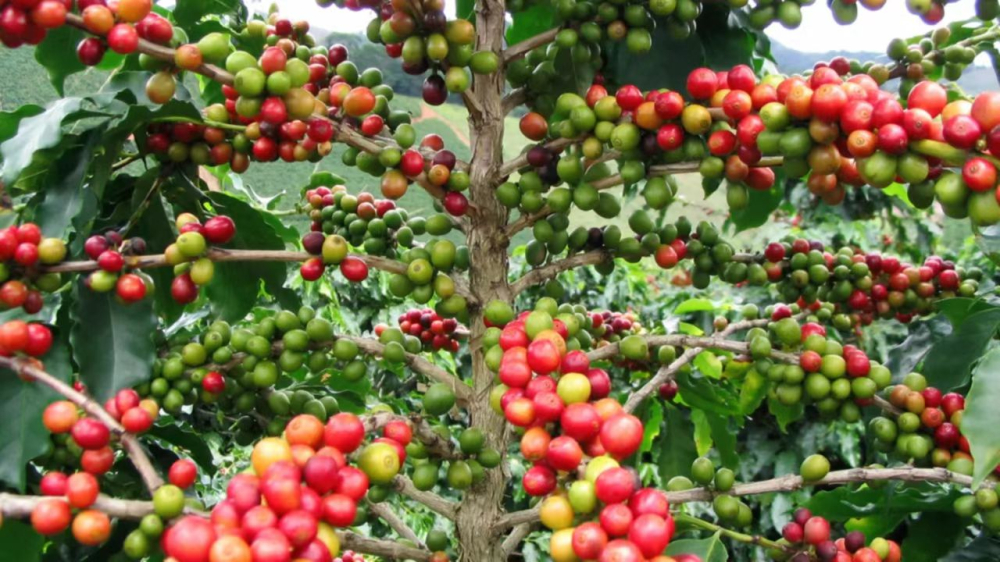
Catimor in Colombia
FrontStreet Coffee learned from reviewing materials that around 1980, Colombia introduced the disease-resistant, high-yield Catimor variety to replace old, weak, and diseased Caturra. After localizing the cultivation, Colombia decided to name the variety after the country itself — so the "Colombia" coffee variety is actually Catimor.
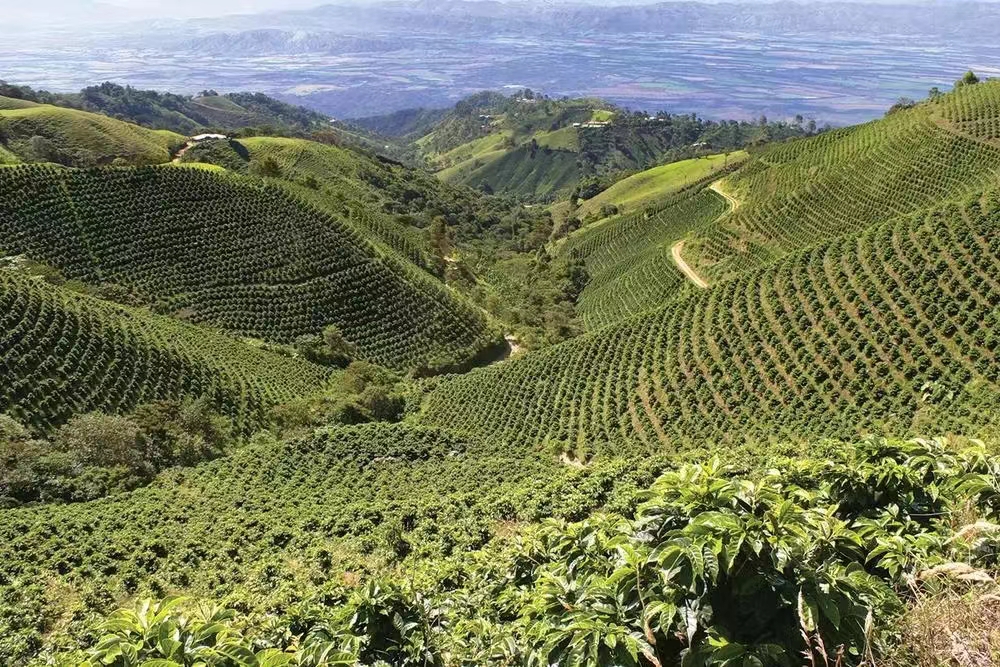
Catimor still carried its undesirable earthy taste and weak aroma when it arrived in Colombia, however. So in 2008, Colombia announced a backcross between "Colombia" and Caturra, named Castillo.
Catimor in Indonesia
Indonesia is a melting pot of varieties with complex strains. In 1980, the Indonesian authorities introduced a batch of Catimor to central Aceh for planting. Because of political turmoil in Aceh, no outside coffee merchants came seeking beans for many years, and after more than 30 years there, Catimor became a local variety. Local farmers call these beans Ateng. Ateng was later promoted to other parts of Sumatra — Ateng is simply the Indonesian name for Catimor. Today, the variety in FrontStreet Coffee's Golden Mandheling beans is Ateng.
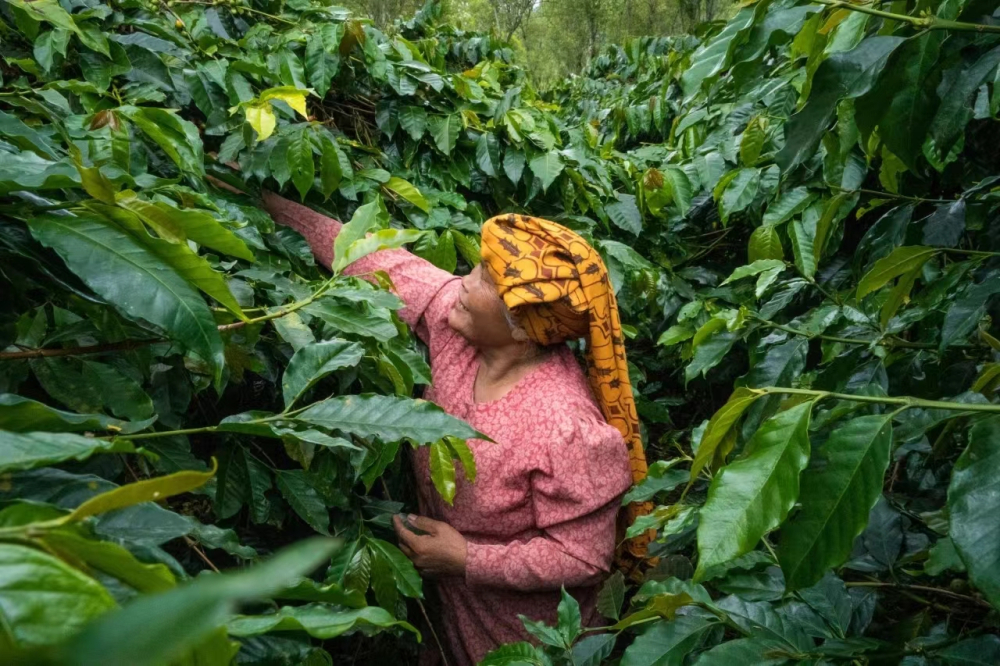
Catimor in China's Yunnan
Yunnan originally planted ancient, excellent varieties such as Typica and Bourbon. In 1988, 1991, and 1994, Nestlé introduced Catimor 7963, Catimor P1, P2, P3, P4, T5175, and T8667 from the Portuguese Coffee Rust Research Center for trial planting in Yunnan. Today, 99% of Yunnan's coffee is Catimor.
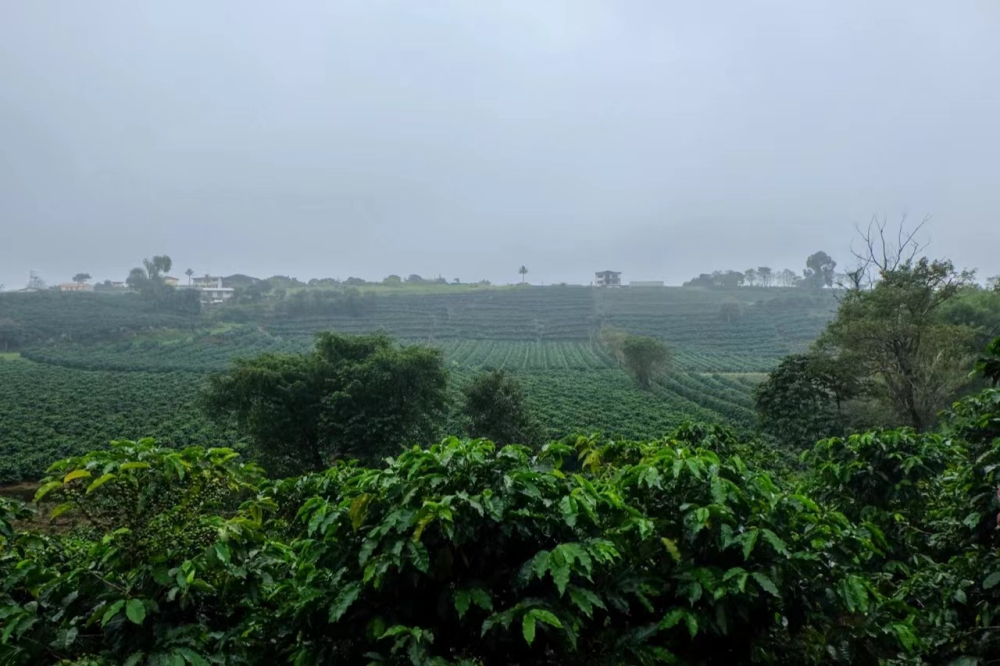
So when we talk about Yunnan Arabica coffee today, we're really talking about Catimor. FrontStreet Coffee believes there is no fixed standard for judging coffee flavor as good or bad. We shouldn't measure Mandheling by the standards of Geisha — the two simply have different characters. Coffee from each origin should express that region's own terroir.
Regional character is one of FrontStreet Coffee's reference points when selecting beans, and the daily bean series follows the same principle: choosing beans that represent a producing country's baseline flavors. To represent Yunnan, FrontStreet Coffee chose its Yunnan Baoshan Washed Catimor. As noted above, nearly all Yunnan coffee today is Catimor, so the variety best represents the region — and Baoshan, one of Yunnan's longest-established growing areas, ranks among the province's best for quality. Washing, in turn, reflects a region's most fundamental flavors.
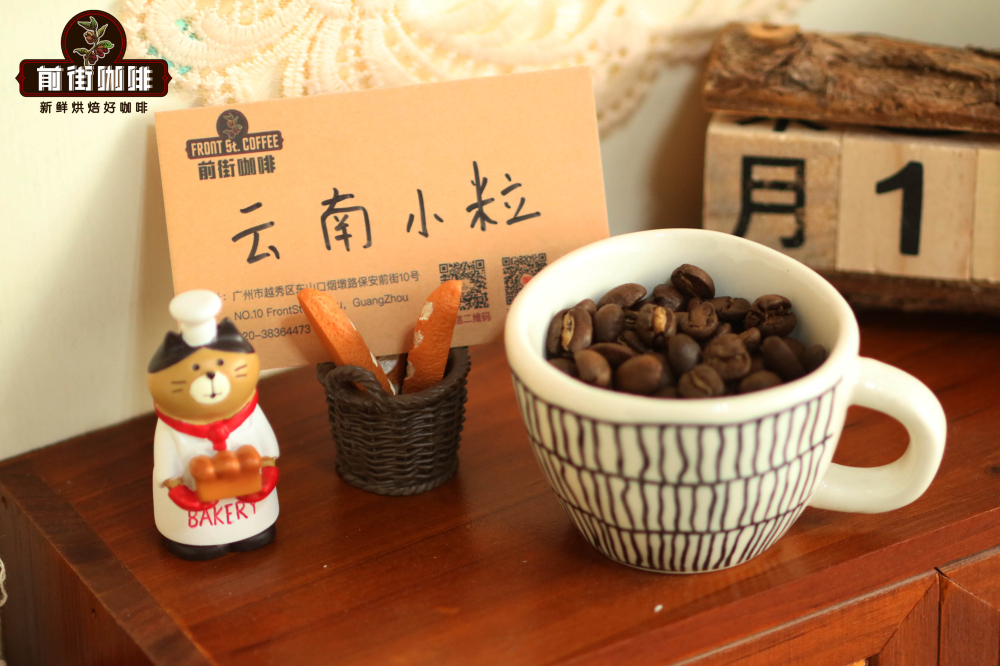
FrontStreet Coffee Yunnan Arabica Coffee Beans
Region: Yunnan Baoshan
Altitude: 1200m
Variety: Catimor
Processing: Washed
Flavor: Herbal, nutty aroma, chocolate, caramel
FrontStreet Coffee's Hand Brew Recommendation
FrontStreet Coffee recommends a V60 conical dripper. The V60 has a relatively wide opening and unique spiral ribs that let air escape more easily, improving extraction quality. The body may not be thick, but its high concentration brings out the fruit acidity and clear aromatics of FrontStreet Coffee's Yunnan coffee — one of its defining traits.
Dripper: V60
Water temperature: 90℃
Coffee-to-water ratio: 1:15
Grind size: Medium-fine, i.e., the texture of fine granulated sugar (75% pass rate through the Chinese standard #20 sieve)
Brewing method: Segmented extraction
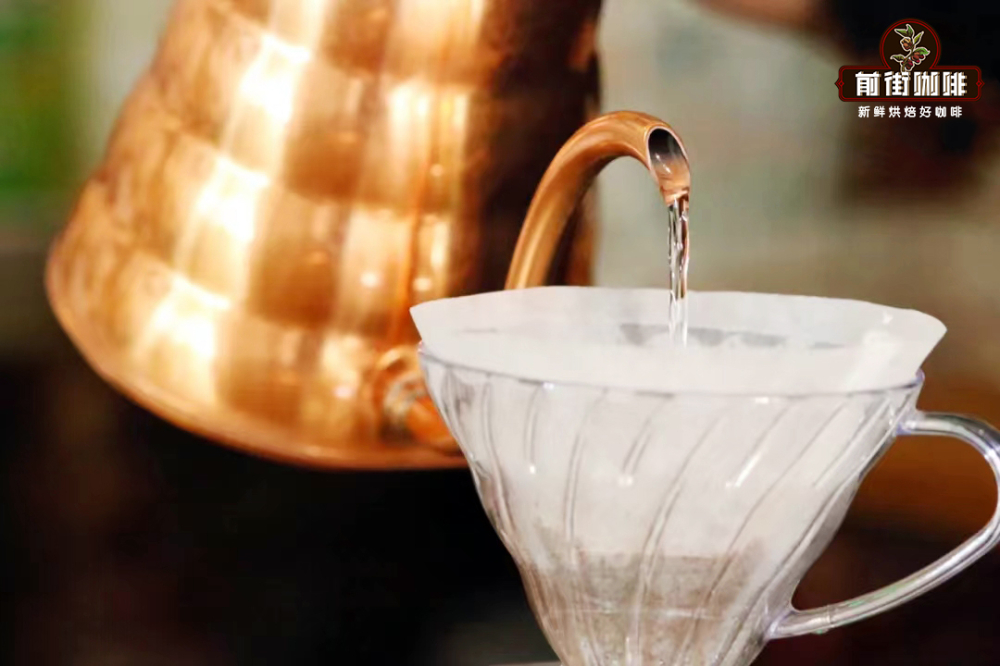
Bloom with 30g of water for 30 seconds, then continue pouring in small circles up to 124g and pause. When the water level drops and is about to expose the coffee bed, pour again up to 227g and stop. When the level drops once more to just above the bed, remove the dripper. (Timing starts from the beginning of the bloom.) Extraction time is 2 minutes.
FrontStreet Coffee Yunnan Arabica Coffee Beans Flavor Description
Plum, nuts, chocolate, caramel
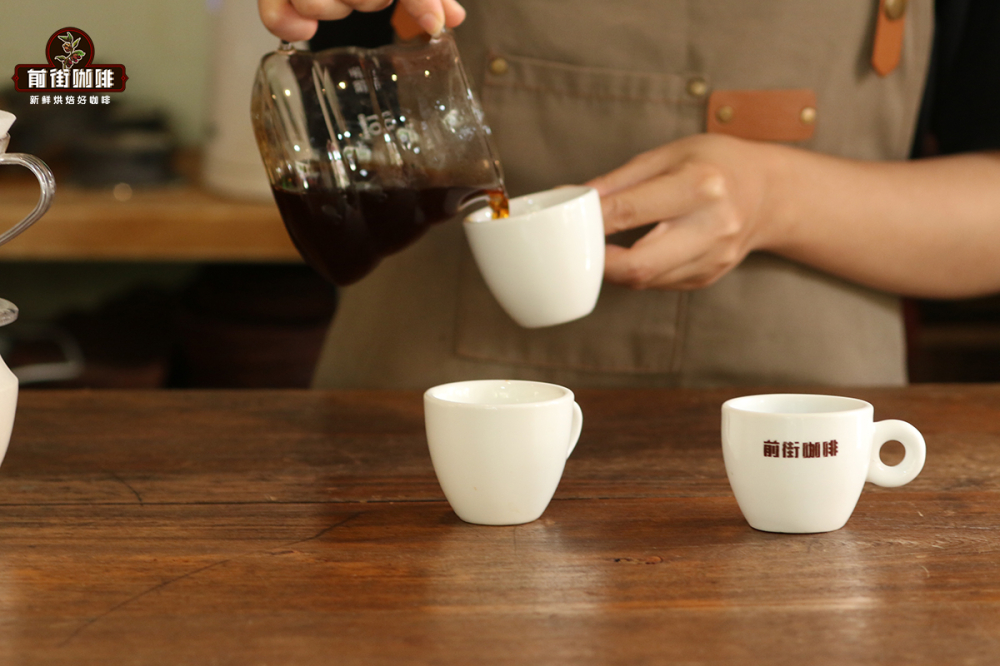
FrontStreet Coffee Recommendation
Yunnan Baoshan's washed Catimor is FrontStreet Coffee's gateway to Chinese coffee: herbal, nutty, chocolate, and caramel notes at a 1200m altitude, washed to show the region's true baseline character. If you'd like to taste what variety improvement can do for Yunnan, the FrontStreet Coffee 2013 Natural Typica is the answer — pure Arabica Typica planted by FrontStreet in Yunnan since 2013, fully sun-dried from all-red cherries and medium roasted, with dark berry tones, caramel sweetness, chocolate, a hint of dried apricot, and a black tea finish.
For espresso made with Yunnan character, the FrontStreet Coffee Black Cocoa Blend pairs Yunnan small-bean Arabica with Brazil Cerrado. The Brazil side supplies mixed-nut aroma and balanced body while the Yunnan adds chocolate and citrus; the Americano lands sweet and even with nutty brown-sugar notes, and the latte pours silky with almond and cream.
Important Notice :
FrontStreet Coffee is a long-established specialty coffee roaster in Guangzhou China, selling freshly roasted beans from its own farm in Yunnan as well as dozens of carefully selected single-origin beans from around the world for both pour-over and espresso. The products deliver consistently excellent quality and great value, with shipping within 24 hours. Guangzhou's FrontStreet Coffee shop is recommended by many coffee lovers, and the beans are now available online at the Tmall 。
FrontStreet Coffee has moved to a new address:
FrontStreet Coffee Address: 315,Donghua East Road,GuangZhou
Tel:020 38364473
 Scan and follow the En Gafei WeChat official account. Please indicate that the reprint comes from "En Gafei".

