90+ Zhu Mang Coffee: What Exactly Is It? What Does the 90+ Rating Mean?
In the specialty coffee world, Ethiopia is undoubtedly Africa's most popular growing region. At FrontStreet Coffee, both Yirgacheffe and the Sidamo Flower Queen are huge hits with coffee lovers. In recent years, 90+ Nekisse specialty beans from Ethiopia's Sidamo region have been snapped up by enthusiasts around the world, and FrontStreet Coffee believes their flavor charm is formidable. This article introduces the 90+ Nekisse from Sidamo.
FrontStreet Coffee Ethiopia 90+ Nekisse Coffee Beans
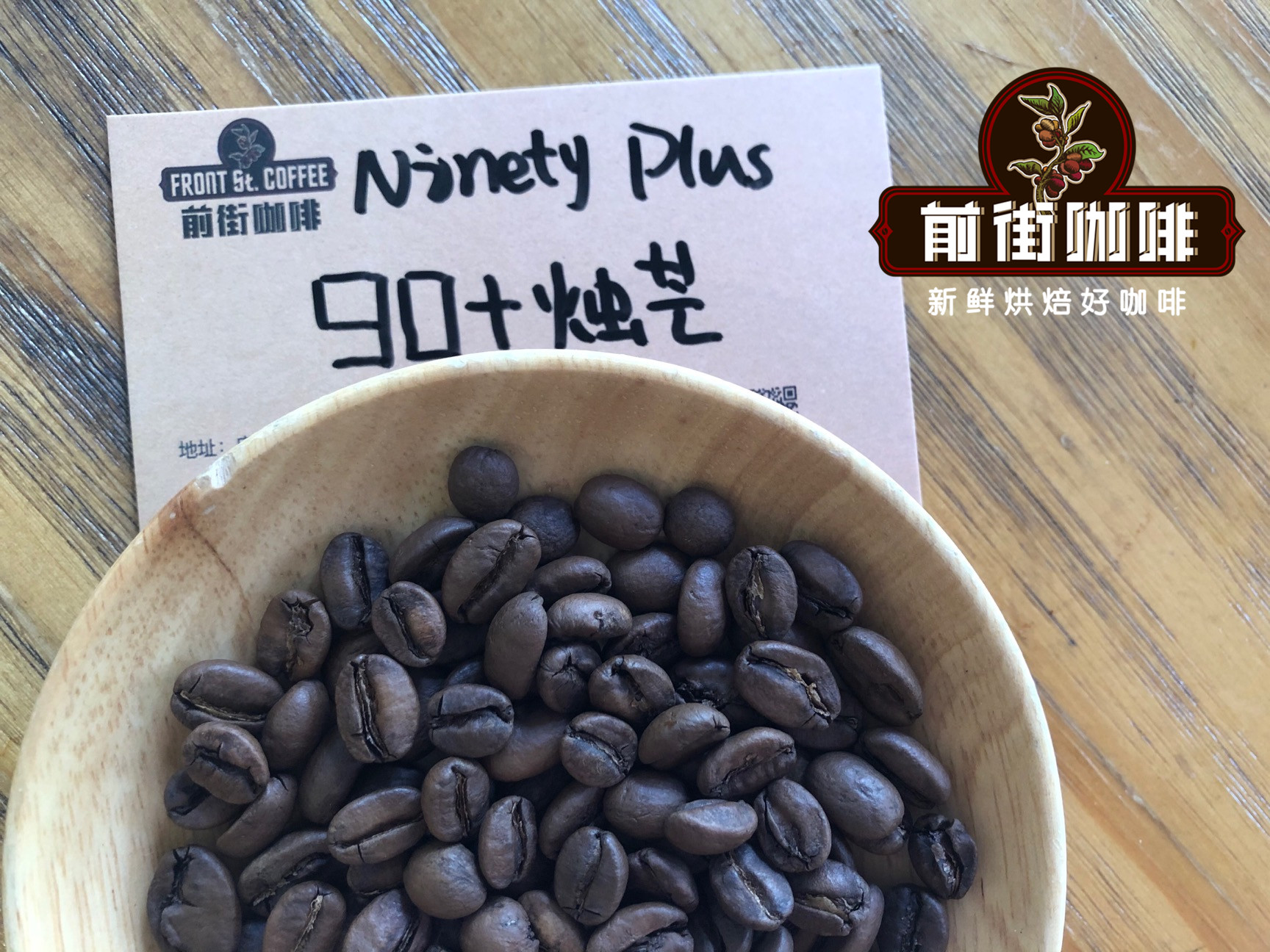
Country: Ethiopia
Region: Sidamo (90+ SNNP Estate)
Altitude: 1750-2000m
Variety: Local heirloom varieties
Processing: Natural
Flavor: Nectarine, tropical fruits, cream, mango, citrus
What does 90+ refer to?
You might assume 90+ means beans rated above 90 points, but it's actually short for Ninety Plus Coffee, a specialty coffee supplier from the United States.
Founded in 2006, 90+ showed the world its unique charm in just over a decade, even sparking a global specialty coffee craze. What FrontStreet Coffee admires most: from the first coffee launched in 2007 onward, 90+ has always been a prized choice among enthusiasts. Today the name symbolizes world-class specialty coffee, rivaling — even surpassing — other expensive coffees in taste and quality.
The beans really are named for their flavors. FrontStreet Coffee's 90+ Nekisse, for instance, has a mango character, and 90+ has launched 13 different top-tier series with distinct flavor profiles.
The beans come mainly from Ethiopia's heirloom varieties. 90+ buys the sweetest, highest-quality cherries from Ethiopian farmers at premium prices, then processes them to the highest standards with flavor optimization — 90+'s signature. As FrontStreet Coffee understands it, they taste each purchase separately by variety, microclimate, and harvest season, then design the most suitable processing method for each lot to achieve a highly recognizable flavor. That innovation is what gives these coffees their singular character.
FrontStreet Coffee's 90+ Nekisse comes from heirloom varieties in Sidamo. Anyone who's tasted Ethiopian coffee knows it's famous for citrus and lemon notes, and Sidamo is Ethiopia's most famous growing region — so the base quality of Nekisse is already excellent. Through 90+'s exclusive processing, those Sidamo beans are transformed into something with entirely new charm.
Sidamo Growing Region
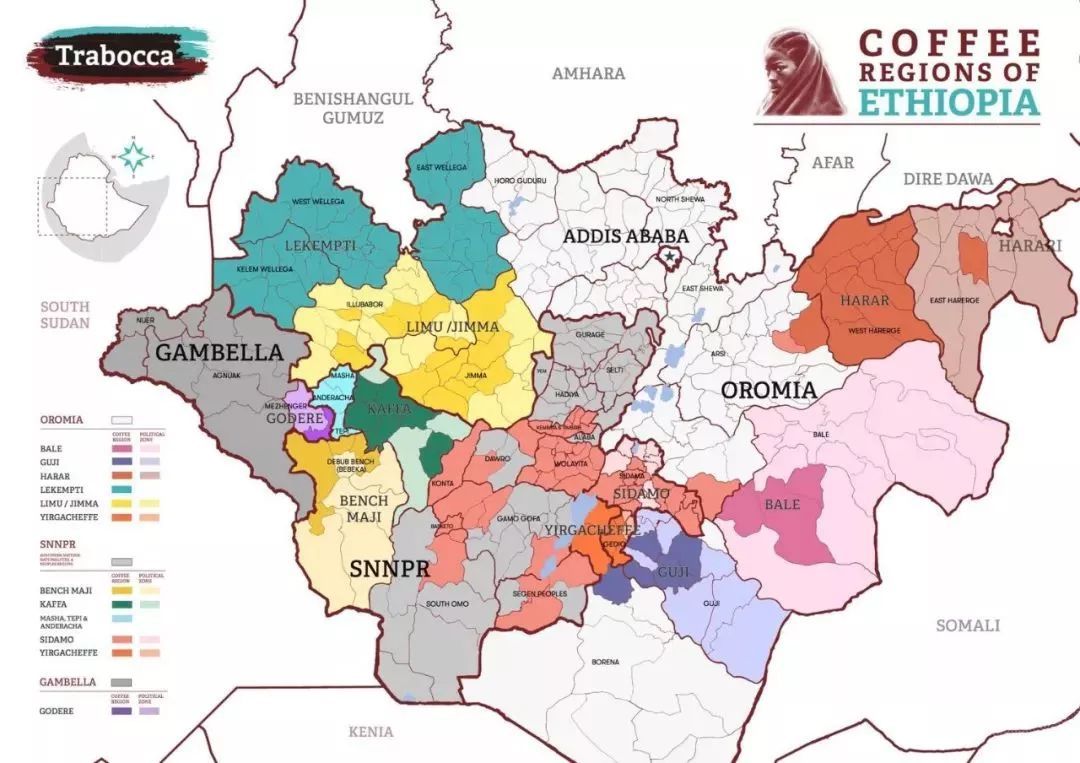
FrontStreet Coffee often says the three major factors behind great specialty coffee are growing region, variety, and processing method — with region the most decisive, encompassing geography, climate, and soil. All are indispensable.
As noted, Sidamo is Ethiopia's most famous growing region: altitudes of 1400-2100m and fertile volcanic soil that's ideal for quality coffee trees. Different soil types and microclimates across the area give the cherries remarkably diverse flavors. FrontStreet Coffee's Yirgacheffe, for example, originally came from Sidamo — but because Yirgacheffe's flavor is brighter and cleaner, with significant differences, it was separated out as its own region.
That tells you Sidamo heirloom beans are the best of the best — no wonder 90+ chose them.
90+ Nekisse Processing Method
Nekisse is natural-processed — but not the ancient, rough-and-ready kind. It's an improved natural method of 90+'s own design, so it avoids the undesirable mixed flavors of old-school naturals.
Because 90+ processes only hand-selected, fully ripe cherries, meticulously turned throughout drying to ensure evenness, this method preserves the clear fruit acidity and smooth texture of Sidamo while expressing the round, full, long-lasting sweetness of a natural — plus perfectly appetite-stimulating fruit acidity. Here's the natural processing workflow.
Natural Processing Workflow
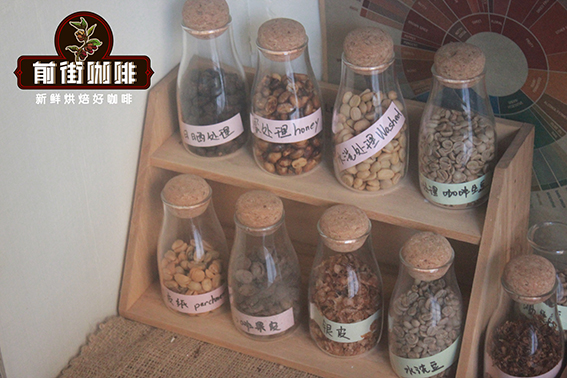
1. Collection and Selection
Ripe cherries are harvested and manually screened — defective, overripe, or insect-damaged cherries removed, leaving only good fruit. This is why the beans you see at FrontStreet Coffee look so uniform and attractive.
2. Drying
The selected cherries go to drying areas. Different regions use different setups — waterproof tarps, raised beds, or concrete floors. Drying averages 27-30 days until moisture drops to 11%.
3. Hulling
Also crucial. Dried cherries go to specialized plants for hulling and even polishing, removing pulp and other layers to yield the beans we recognize.
4. Screening, Sorting, and Storage
Hulled beans are screened again to remove poor quality. Over-dried beans are fragile and can break during hulling; under-dried beans carry too much moisture, which invites bacteria and mold. After this final screening, beans go to warehouse storage, packaged for export.
That's FrontStreet Coffee's introduction to Sidamo's 90+ Nekisse. Before launching any new bean, FrontStreet Coffee runs extensive roasting and brewing evaluations to find the most suitable parameters — the goal is always to showcase the bean's best flavors. Here are the roasting and brewing details for 90+ Nekisse.
FrontStreet Coffee Roasting Analysis
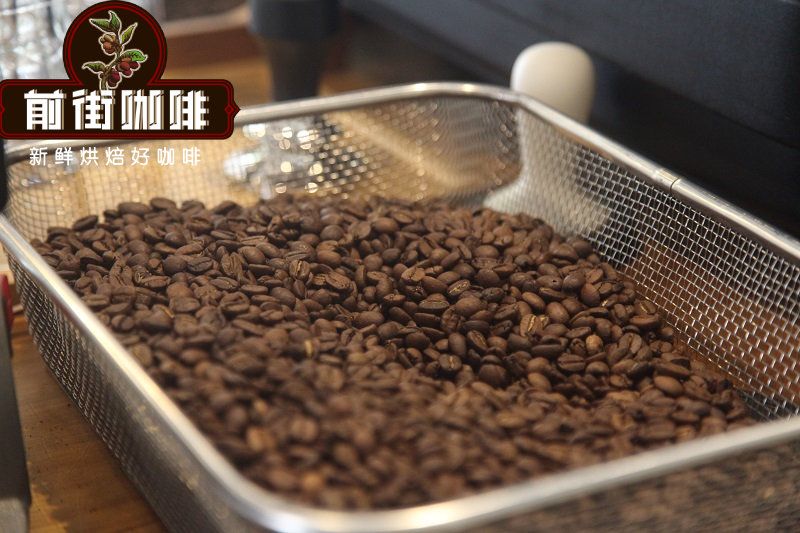
FrontStreet Coffee's roaster believes that to bring out Nekisse's explosive fruity aroma, a fast roast should be used to capture the aromatics, at a light-medium level.
Preheat the roaster to 200°C and charge the beans, damper at 3. After 30 seconds, reduce heat to 150°C, damper unchanged. Turning point at 1'32", 103.7°C. Dehydration complete at 5'21" — bean surface yellow, grassiness gone. Adjust heat once at 150°C during dehydration, then drop heat to 100°C and open the damper to 4.
At 8'45", ugly wrinkles and black spots appear on the bean surface and toast aroma clearly shifts to coffee aroma — the prelude to first crack. First crack starts at 9'00; listen carefully and reduce heat to 80°C, fully opening the damper to 5 (adjust heat carefully — not so low the cracking stops). 1'55" after first crack, drop the beans at 195°C.
FrontStreet Coffee Brewing Recommendations
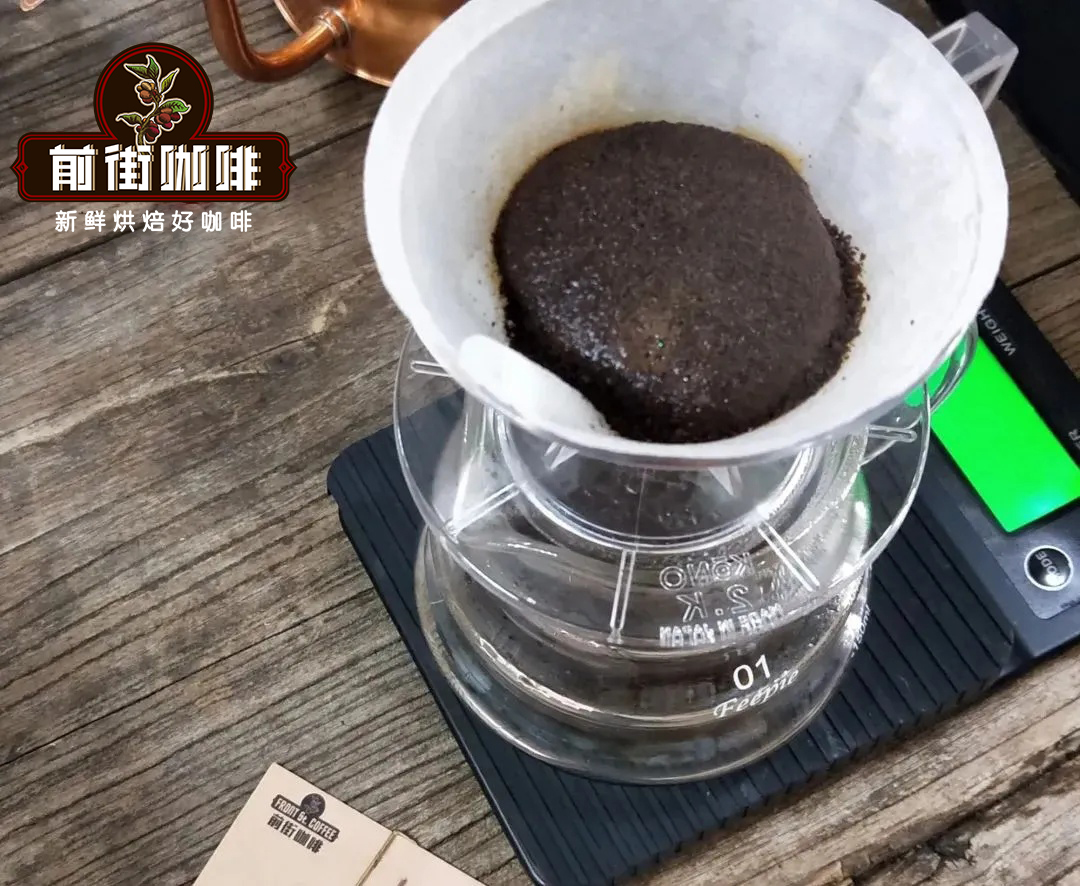
Dripper: Hario V60
Water Temperature: 90°C
Dose: 15 grams
Ratio: 1:15
Grind: Medium-fine (80% pass rate through a #20 standard sieve)
To capture Nekisse's tropical fruit aroma, round full body, and delightful fruit acidity, use a segmented pour.
Bloom with 30g of water for 30 seconds. With a small stream, pour in circles to 120g, then pause. When the level drops and is about to expose the bed, pour to 225g and stop. Once the bed is about to surface again, remove the dripper (timing from the bloom). Extraction time: 2'00".
For more specialty coffee beans and recommendations, follow FrontStreet Coffee.
FrontStreet Coffee Recommendation
Love what Sidamo naturals can do but want more options? Alongside the 90+ Nekisse, FrontStreet Coffee's Ethiopia Huakui (Flower Queen) natural is one of the biggest stars of recent years — explosive tropical fruit aromas of strawberry, passion fruit, jackfruit, and lychee, pronounced sweetness, almost no bitterness, and a juicy, smooth entrance that has earned it the nickname "the coffee that doesn't taste like coffee." It's the bean that changes minds about what coffee can be.
If you'd rather start classic, the FrontStreet Washed Yirgacheffe daily bean — white jasmine, bright citrus and lemon acidity, tea-like finish at a friendly price — is the perfect first Ethiopian, and the FrontStreet Red Cherry natural (fully ripe cherries, sun-dried three to five weeks with frequent turning) layers tropical fruit over classic Yirgacheffe: citrus acidity, berry juiciness, honeyed sweetness, and a cream-smooth texture.
Important Notice :
FrontStreet Coffee is a long-established specialty coffee roaster in Guangzhou China, selling freshly roasted beans from its own farm in Yunnan as well as dozens of carefully selected single-origin beans from around the world for both pour-over and espresso. The products deliver consistently excellent quality and great value, with shipping within 24 hours. Guangzhou's FrontStreet Coffee shop is recommended by many coffee lovers, and the beans are now available online at the Tmall 。
FrontStreet Coffee has moved to a new address:
FrontStreet Coffee Address: 315,Donghua East Road,GuangZhou
Tel:020 38364473
 Scan and follow the En Gafei WeChat official account. Please indicate that the reprint comes from "En Gafei".