Panama La Esmeralda Green Label Geisha Coffee Beans: Flavor Profile, Taste Characteristics, and Grade Introduction
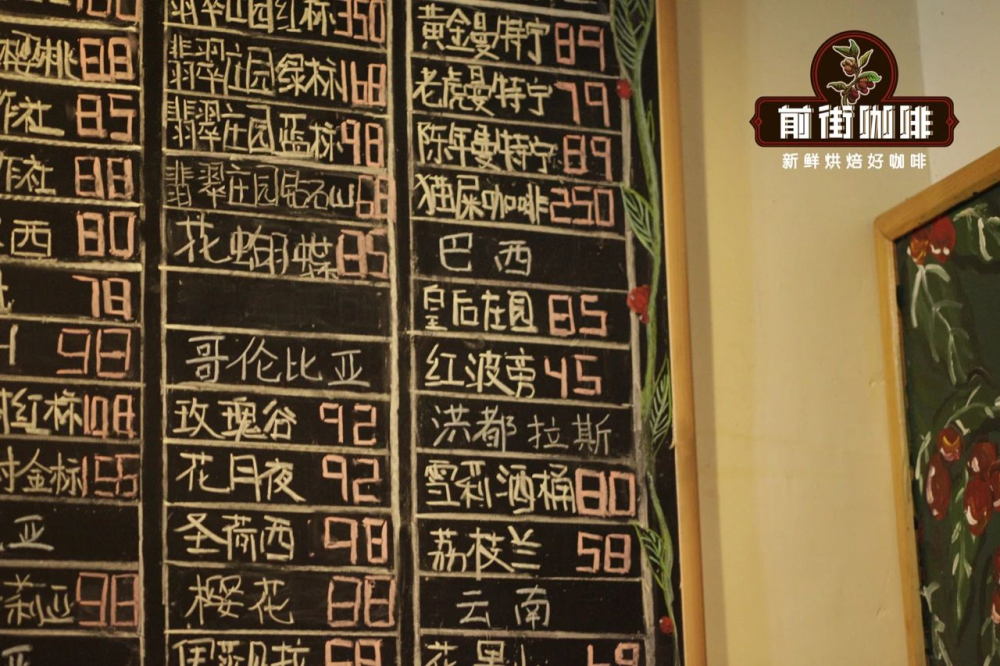
Many of the visitors who come to FrontStreet Coffee's Dongshankou store looking for a rich, floral pour-over are first pointed by our baristas toward Panama Geisha beans, prized for their fragrant orange-and-honey notes. On FrontStreet Coffee's bean list there is no shortage of Geisha to choose from, among which Panama's Hacienda La Esmeralda Red Label and Green Label present the most classic Geisha flavors of all. If you lean toward fresh, uplifting fruit acidity, the Green Label Geisha from Hacienda La Esmeralda is an especially good fit.
The Legendary Hacienda La Esmeralda

Hacienda La Esmeralda's reputation in the specialty coffee world is the stuff of legend. In 2004 its Geisha won the Best of Panama competition and went on to break auction price records again and again, drawing the attention of the whole coffee world. The estate lifted Geisha to prominence and was also the first coffee farm to grade Geisha beans strictly, with each year's Geisha lots commanding industry attention. After Geisha took the championship, the estate's owners, the Peterson siblings, brought more systematic management to the Geisha trees, organizing them by altitude, region, and cupping performance.
Geisha Growing Regions
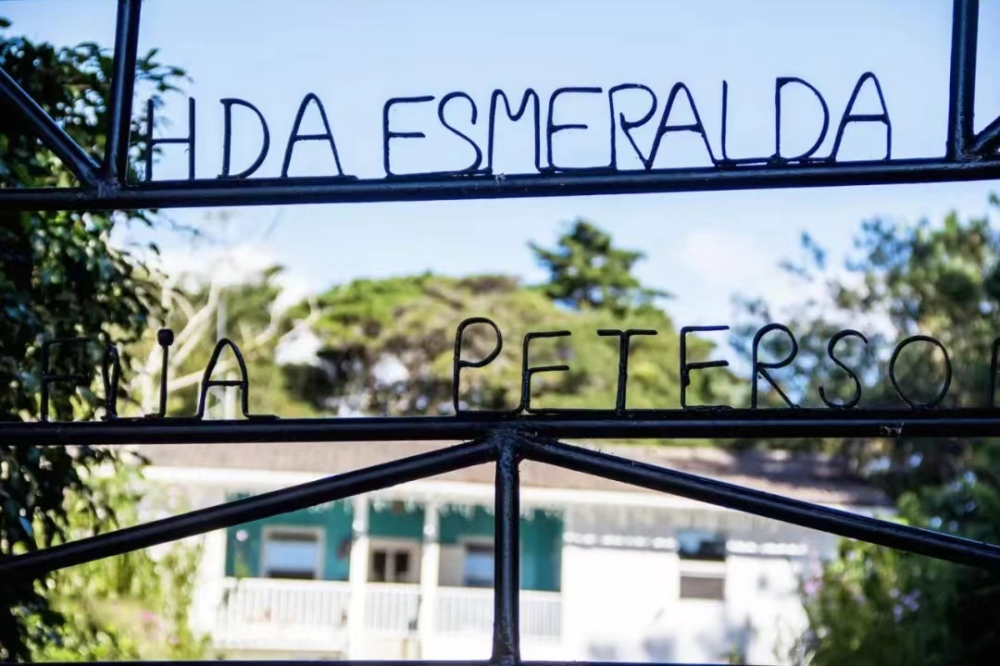
Broadly speaking, the Geisha growing areas fall into three major plots: Cañas Verdes, Jaramillo, and El Velo. To keep every lot traceable, Peterson divided each major plot into smaller sub-plots, so that buyers of Geisha can access the planting information of a specific plot through batch records. The Geisha variety was first discovered in the Jaramillo plot, where the Peterson siblings decided to raise the planting altitude. As the site of Geisha's discovery and cultivation, Jaramillo has become Hacienda La Esmeralda's most celebrated plot. Jaramillo sits at an average altitude above 1,650 meters, where the cool, damp mountain air lets the Geisha grown there absorb the essence of its surroundings and turn wonderfully fragrant. Jaramillo is currently divided into five sub-plots: Mario, Noria, Reina, Bosque, and Buenos Aires. Of these, Mario and Bosque have performed excellently in major competitions.
Green Label Geisha Processing
Hacienda La Esmeralda's processing plant lies in Cañas Verdes, at the foot of Barú Volcano, a twenty-minute drive from the town of Boquete. When the coffee cherries ripen, the estate has workers follow strict standards, harvesting only at optimal ripeness with entirely manual picking and sorting, then moving the fruit to the factory for further screening as quickly as possible.
On the market, Hacienda La Esmeralda's Geisha is commonly seen in three lines: Red Label, Green Label, and Blue Label. These are grades the Peterson family assigns according to the cupping flavors of specific plots, with Green Label being the PRIVATE COLLECTION.
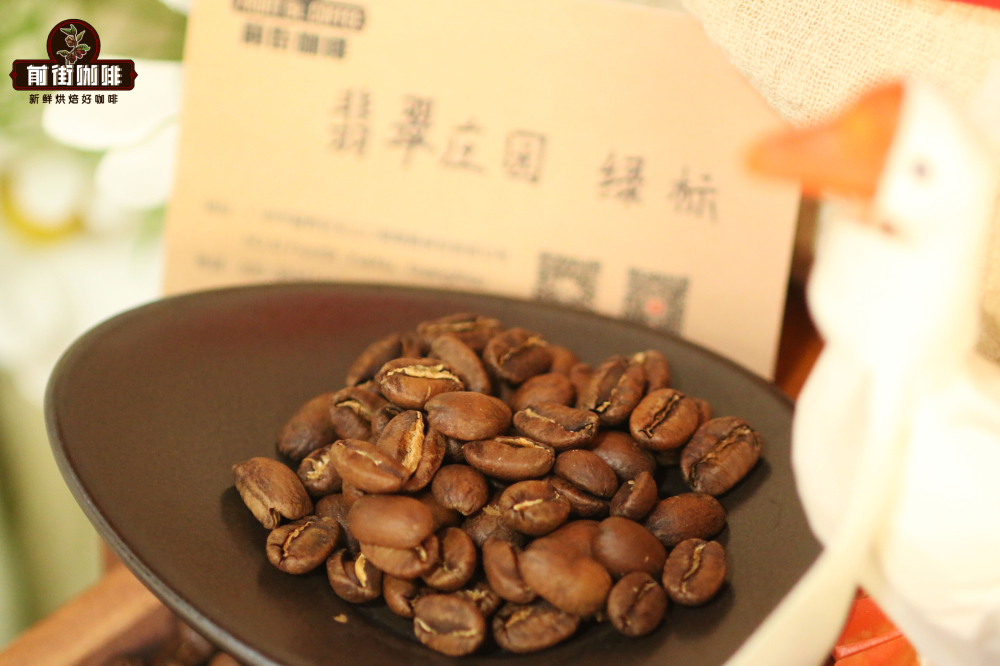
Green Label is selected from coffee grown between 1,600–1,800 meters and harvested from both the Jaramillo and Cañas Verdes plots, but Hacienda La Esmeralda does not specify plot information for it, so it does not enter auctions. Even though its grade sits below Red Label, it chiefly expresses the signature classic flavors of high-altitude Geisha. FrontStreet Coffee's Green Label Geisha is washed processed, with cupping notes of fresh, natural lemon, berries, grapefruit, and Tieguanyin tea.
Washed Processing Method
The washed method can be considered a classic representative of coffee processing. At Hacienda La Esmeralda, harvested coffee fruit is placed in water tanks and moved along by pumping. As the fruit travels in the water, less dense cherries float to the surface — this is "float selection." Only cherries dense enough to pass float selection go on to the next step of removing pulp and skin, followed by fermentation in tanks to strip away the mucilage layer. Finally the beans are dried to a moisture content of about 11%. The washed method yields a higher, more uplifted acidity and greater cleanliness.

FrontStreet Coffee's Roasting and Brewing Approach
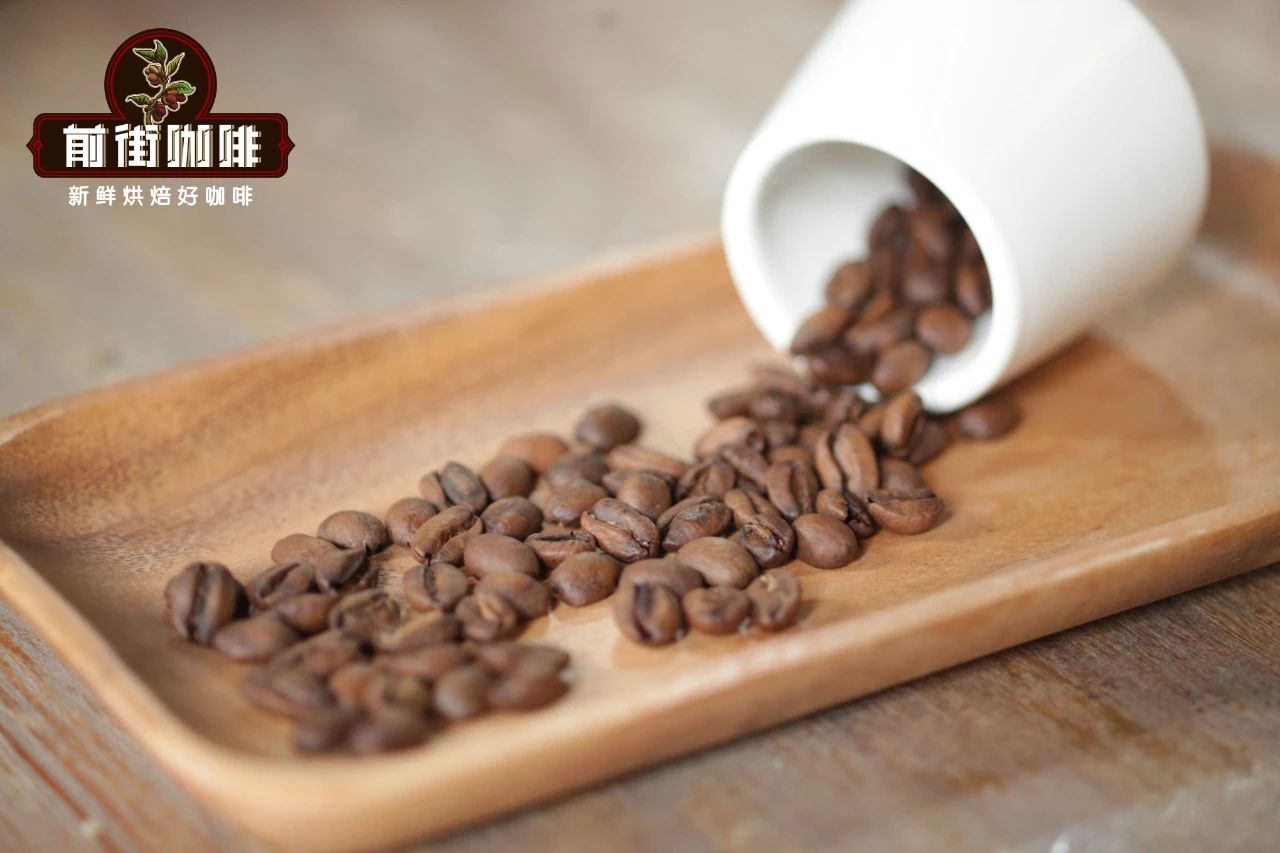
FrontStreet Coffee believes that presenting the classic "Geisha flavor" means preserving more floral notes and acidity. Our Geisha beans are therefore all lightly roasted, with the roasting curve adjusted for the differences between processing methods and flavors. This roast level does little to change the high density of high-altitude beans, so brewing calls for a higher extraction rate to reveal fuller layers of flavor — which means using a higher water temperature and a finer grind size to draw out more aromatic compounds. FrontStreet Coffee also wants Geisha's flavors to read more clearly, so we use a slightly wider coffee-to-water ratio of 1:16.
V60 Brewing Method
To raise Geisha's extraction rate while avoiding over-extraction and keeping the sweet-and-sour layers up front, FrontStreet Coffee's baristas use the V60 dripper. The V60's body has flow ribs running from top to bottom and a large central hole that speeds the water's descent, while its spiral exhaust-groove design lengthens the water's path and extends contact time between the grounds and hot water. Each stream converges along the grooves toward the dripper's center, concentrating pressure on the coffee bed and yielding richer layers of extraction.
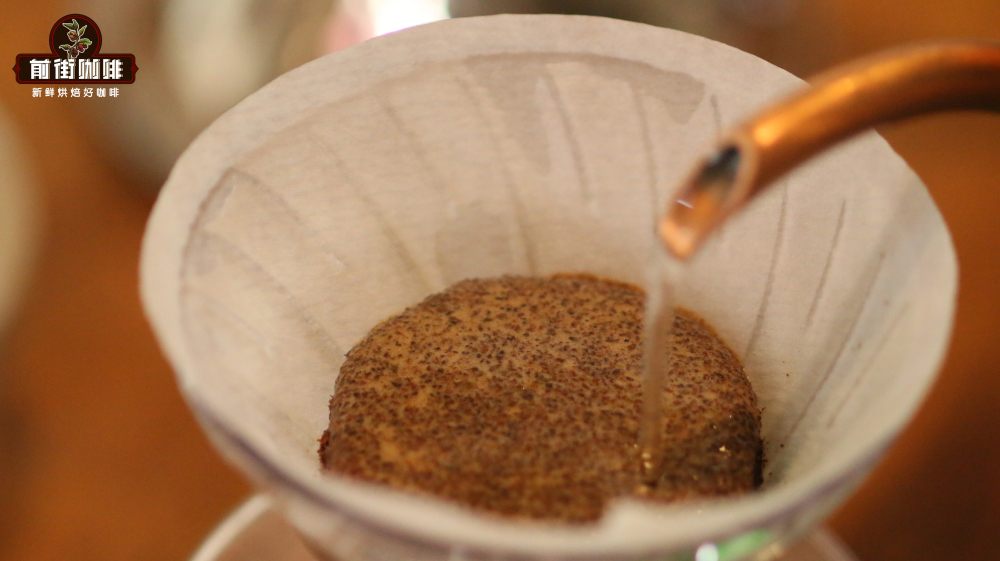
Hacienda La Esmeralda Green Label Geisha Pour-over Recommendations:
Dripper: V60
Water Temperature: 91–92°C
Coffee Amount: 15g
Coffee-to-Water Ratio: 1:16
Grind Size: Fine sugar size (sieve through #20 sieve to 80%)
Three-Stage Extraction: First, pour 15g of coffee grounds into the dripper and zero the scale. For the first stage, pour 30g of water for a 30-second bloom, starting the timer at the same moment. Use a small stream, beginning at the center and spiraling outward, making sure the entire coffee bed is moistened.
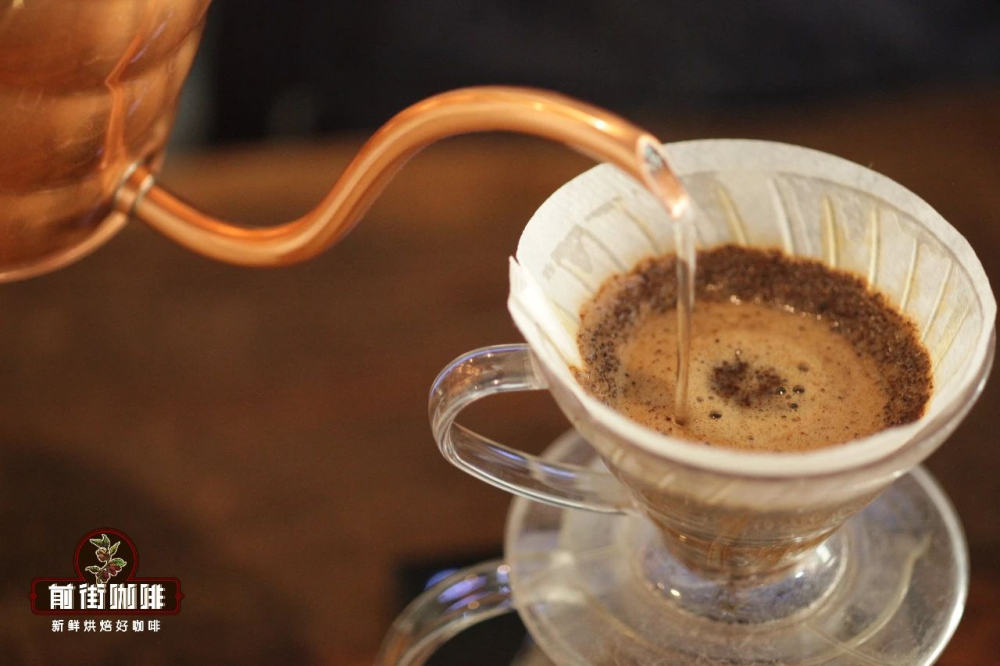
For the second stage, begin pouring 120g of water with a slightly larger flow to lift the whole coffee bed. The stream should fall vertically and evenly. The scale should now read 150g, reached in about 55 seconds.
When the water level drops to about halfway, start the third stage, pouring 90g of water in small circles. Try to keep the flow from running too strong, since that easily disturbs the coffee bed and causes under-extraction. The total water poured is 240g, and the dripper should finish around 2 minutes 10 seconds. After removing the dripper, swirl the coffee in the server to even it out before tasting.
FrontStreet Coffee Recommendation
Geisha, translated from the English "Geisha," is one of the most beloved varieties among Arabica coffees. Its singular floral aromatics and superb sweet-and-sour balance have won over countless drinkers, while its low yield, weak disease resistance, and demanding cultivation and management keep its price high. If you want a Geisha that is good to drink without being extravagant, it helps to know the types and where the value lies. Alongside the Esmeralda Red Label and Green Label, FrontStreet recommends the Boquet Geisha from Panama as an entry point: it lets you taste the classic orange-blossom honey character of high-quality Panamanian Geisha at an accessible price, with oolong-tea body, delicate fruit acidity, and clearly defined layers.
Ethiopia, coffee's birthplace, is home to its own famous Geisha estate — Geisha Village — with a grading system as strict as Panama's. It grows three Geisha varieties: Gori Gesha, Gesha 1931, and Illubabor Forest, graded as Gold Label (Rarities), Red Label (Growers Reserve), Green Label (Single-Terroir), and Chaka lots, with varieties distinguished as well. FrontStreet's Gold Label is the Gesha 1931 variety, roughly 10% of Geisha Village's total output and the estate's top coffee outside the auction, often selected by competitors on the international stage; it uses a refined natural process and delivers complex, rich flavors that linger from dry aroma through sip and finish. FrontStreet's Red Label is the Gori Gesha variety, about 15% of production, scoring 88 or above on the SCA 100-point scale, and released as a single-terroir series with fully traceable lots. For an estate-level Ethiopian Geisha, FrontStreet's Grana Gesha from the Genlana Gesha farm in Yirgacheffe — a rare single-variety estate — shows bright citrus acidity, an elegant ginger-lily aroma, the full sweetness of ripe fruit, and a delicate, silky body with the variety's signature refined finish.
To explore Geisha without committing to a single-origin lot, FrontStreet also offers Strawberry Candy, a blend of Costa Rican honey-process coffee and Panamanian Geisha that brings together delicate florals and sweet fruit. It works as a pour-over and suits a moka pot, an espresso machine, and a refreshing cold brew: grind 30g of FrontStreet Strawberry Candy to fine-sugar size (setting 9 on an EK43s, or 24 on a C40 hand grinder), add 360g of room-temperature water at a 1:12 ratio, stir, cover, and refrigerate. After 8 hours, filter out all the grounds with filter paper, seal the liquid, and return it to the refrigerator to mature for 3 hours — the cold brew opens with grape juice, rose, sweet orange, and fruit-liqueur notes.
Important Notice :
FrontStreet Coffee is a long-established specialty coffee roaster in Guangzhou China, selling freshly roasted beans from its own farm in Yunnan as well as dozens of carefully selected single-origin beans from around the world for both pour-over and espresso. The products deliver consistently excellent quality and great value, with shipping within 24 hours. Guangzhou's FrontStreet Coffee shop is recommended by many coffee lovers, and the beans are now available online at the Tmall 。
FrontStreet Coffee has moved to a new address:
FrontStreet Coffee Address: 315,Donghua East Road,GuangZhou
Tel:020 38364473
 Scan and follow the En Gafei WeChat official account. Please indicate that the reprint comes from "En Gafei".