The Origin Stories and Flavor Profile Differences Between Panama Geisha and Ethiopian Geisha Village Coffee Varieties
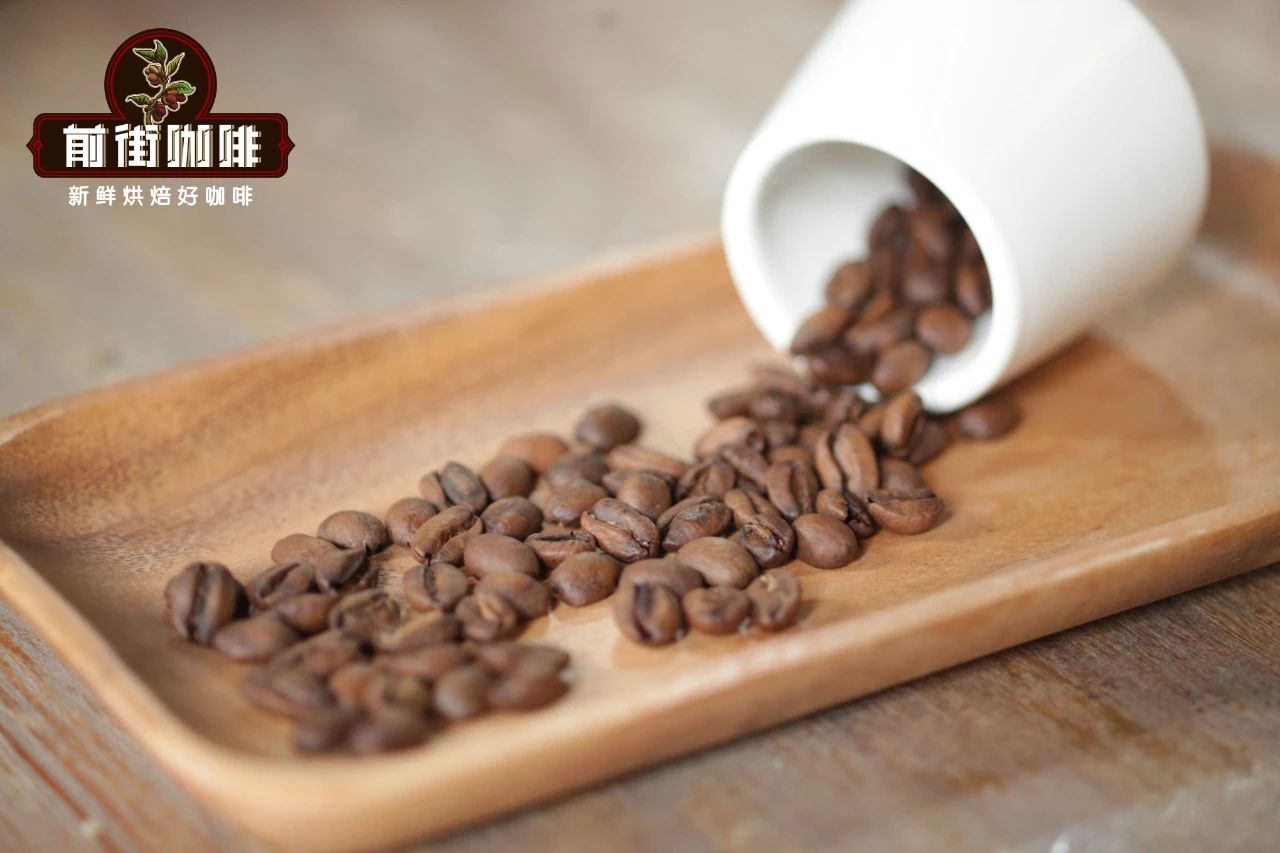
Geisha's standing in the coffee world is something like Rolls-Royce's in the automotive industry. The variety traveled from Africa across the oceans to Central America, where — at exactly the right moment — it stunned the world overnight. FrontStreet Coffee's bean list includes many Gesha selections, the most representative being the American Gesha line centered on Panama and the African Gesha line centered on Ethiopia.
The Rise to Fame of Geisha Coffee
In 1931, the Geisha variety was discovered in the Gesha forests of Ethiopia. It was sent to a coffee research institute in Kenya, introduced to Uganda and Tanzania in 1936, brought to Costa Rica in 1953, and finally reached Panama in 1970. For decades Geisha attracted little attention — until Hacienda La Esmeralda in Panama separated it from its other varieties in 2003 and entered it in the Best of Panama competition, where it took the 2004 championship. Only then did Geisha step into the global spotlight.
FrontStreet Coffee · Panama Geisha Coffee Beans
Panamanian Geisha became world-famous as a result, and virtually all of Panama's Geisha cultivation revolves around the Chiriquí volcanic region. The most celebrated area is Boquete, where fertile volcanic soil, abundant water, regular rainfall, dense vegetation, and persistent cloud cover nourish the coffee trees and produce beans of remarkable richness. Numerous microclimates add further variety to the flavor profiles. And no discussion of Geisha is complete without the legendary Hacienda La Esmeralda.
The Legendary Hacienda La Esmeralda
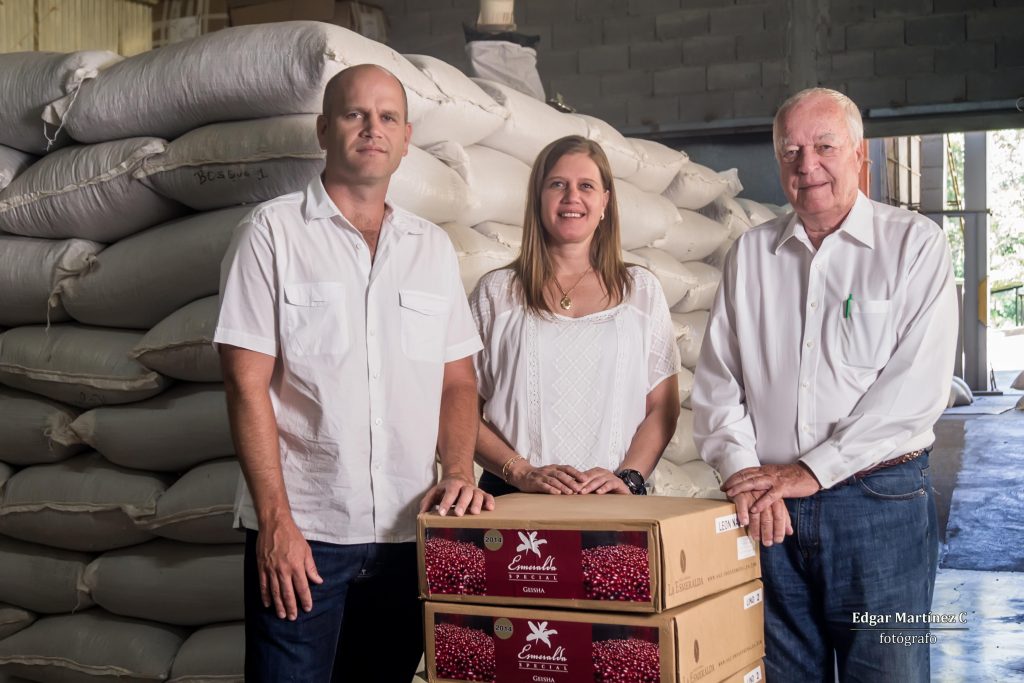
In 1964, American banker Rudolph Petersen retired, moved to Panama, and purchased Hacienda La Esmeralda in Boquete, initially running it as a dairy farm. Later, his son Price left his medical practice to help manage the estate. In 1987 they planted Caturra and Catuai, and in 1994 they built a washed mill, giving the family its own processing facility.
Later, the Petersens noticed coffee trees with a distinctive, somewhat delicate morphology along the estate's borders. The beans they produced were aromatic and sweet, so the family decided to cultivate them separately. In 2004, they entered these beans in the Best of Panama green coffee competition and won the championship — the variety, of course, was Geisha.
Today Hacienda La Esmeralda cultivates Geisha mainly on three farms: El Velo, Cañas Verdes, and Jaramillo. Jaramillo was acquired in 1996 for its superior geography and flavorful original varieties; El Velo was added in 2012. FrontStreet Coffee considers the estate's strategy of buying high-altitude farms with exceptional potential singular for its time, and it's what has kept La Esmeralda's Geisha at the center of the coffee world.
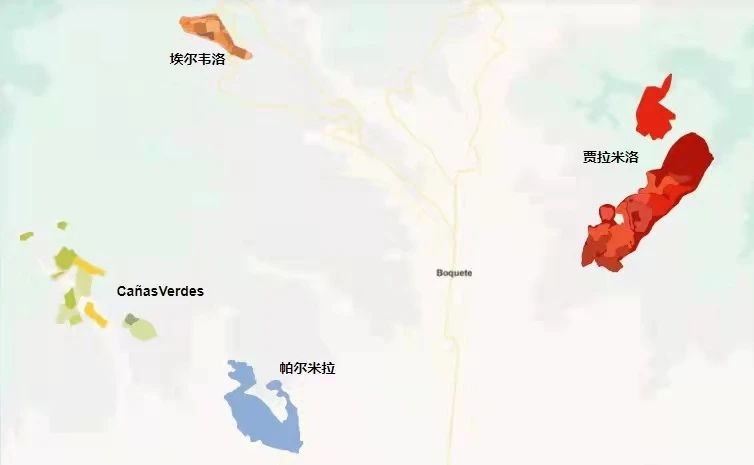
Jaramillo in particular is where Geisha thrives. Because of its low yield, the previous owner had used the trees merely as windbreaks — until the acquisition revealed their extraordinary flavor. FrontStreet Coffee sees this as part of Geisha's charm: the harsher the growing conditions, the finer the flavor expression.
After discovering the beans' remarkable character, the estate ran cupping tests across its different areas to map quality precisely, then organized plantings by altitude. That system is why we now have the Red Label, Green Label, and Blue Label Gesha grades.
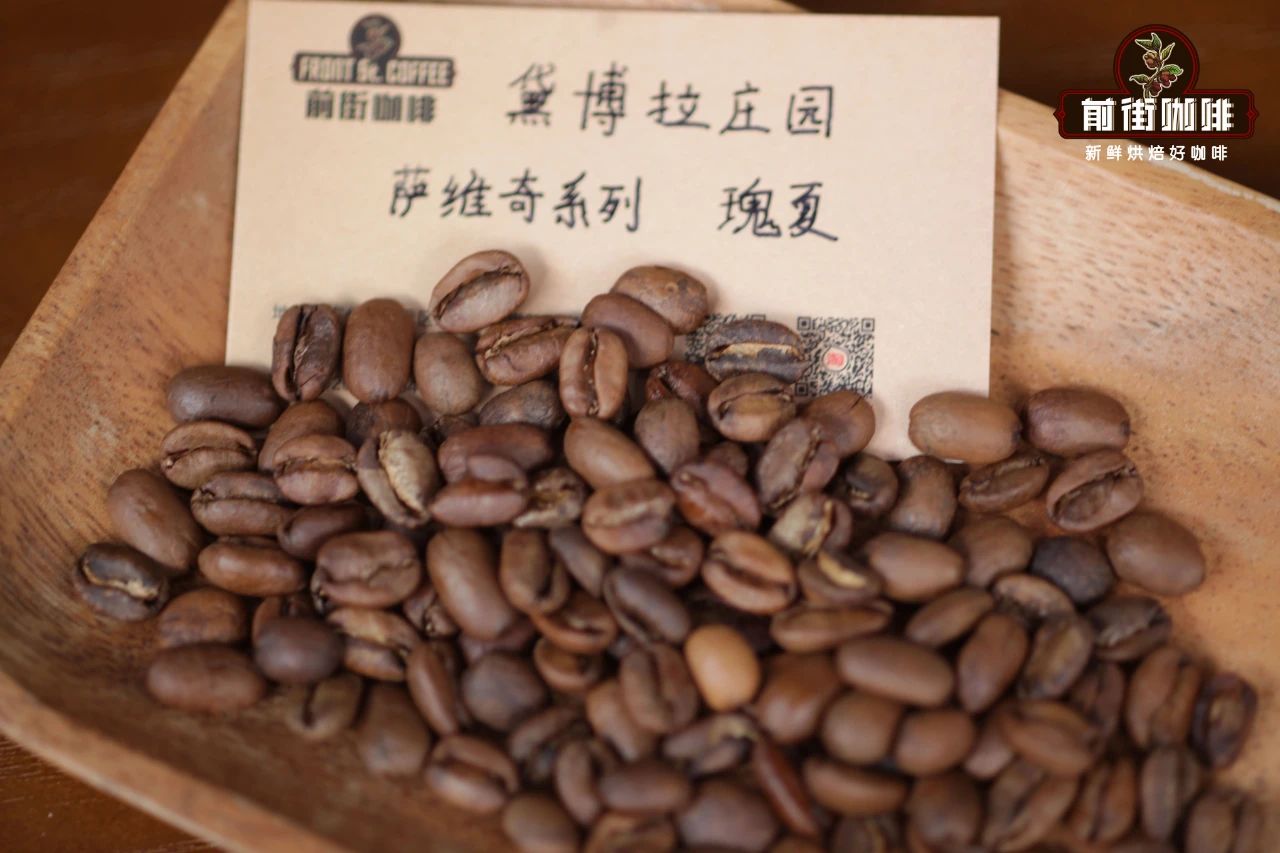
This year, FrontStreet Coffee purchased Red Label from the Mario plot of Hacienda La Esmeralda. Mario belongs to Jaramillo, the estate's most storied section — the very ground where La Esmeralda's Geisha made the family famous overnight in 2004.
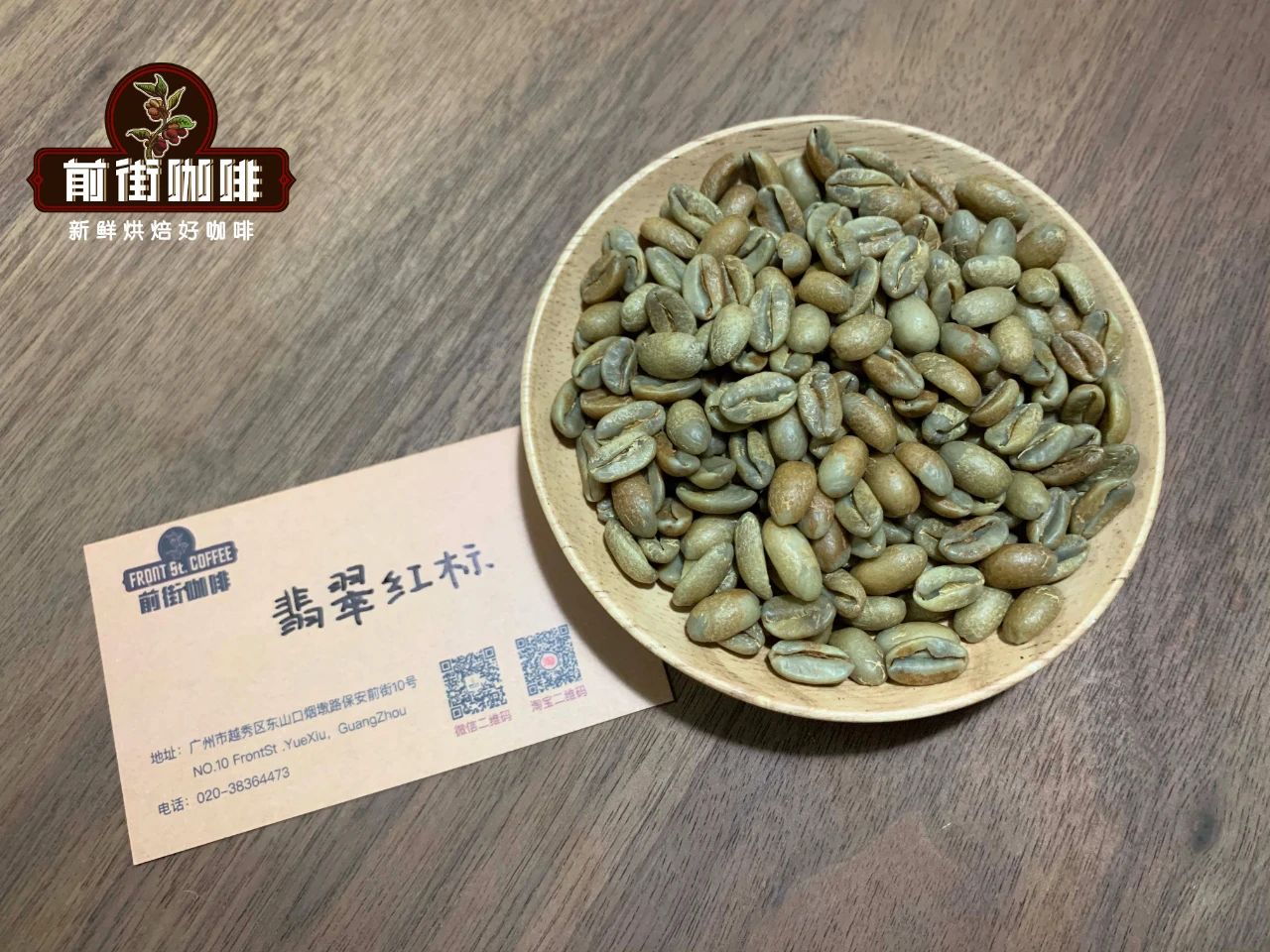
FrontStreet Coffee selected the slow natural-processing batch of the Esmeralda Red Label. The estate's refined techniques and strict quality control give this slow-dried natural batch especially rich fruit character, excellent sweetness and acidity, and — naturally — Gesha's signature sweet fruit aroma and jasmine fragrance.
La Esmeralda's quality control speaks for itself: the green beans are full and plump, with the easily recognizable elongated, pointed shape characteristic of Geisha, and virtually no defects.
In the cup, you'll find citrus, berries, honey, and grape. As the cup cools, the honeyed sweetness becomes especially pronounced, accompanied by the scent of ginger flower.
Beyond Hacienda La Esmeralda, Panama is home to many other estates producing superb Geisha — such as the Geisha coffees of Finca Deborah.
FrontStreet Coffee · Finca Deborah Savage Geisha
Finca Deborah sits high in the mountains of the Chiriquí volcano, making it one of Panama's highest and most remote coffee farms. Its manager, Jamison Savage, also runs two other projects: his new estate, Finca Morgana, and the Savage Coffee project — the fact that he put his own name on the latter says a great deal about how seriously he takes it. The FrontStreet Coffee Finca Deborah Gesha we sourced comes from the Savage Coffee project.
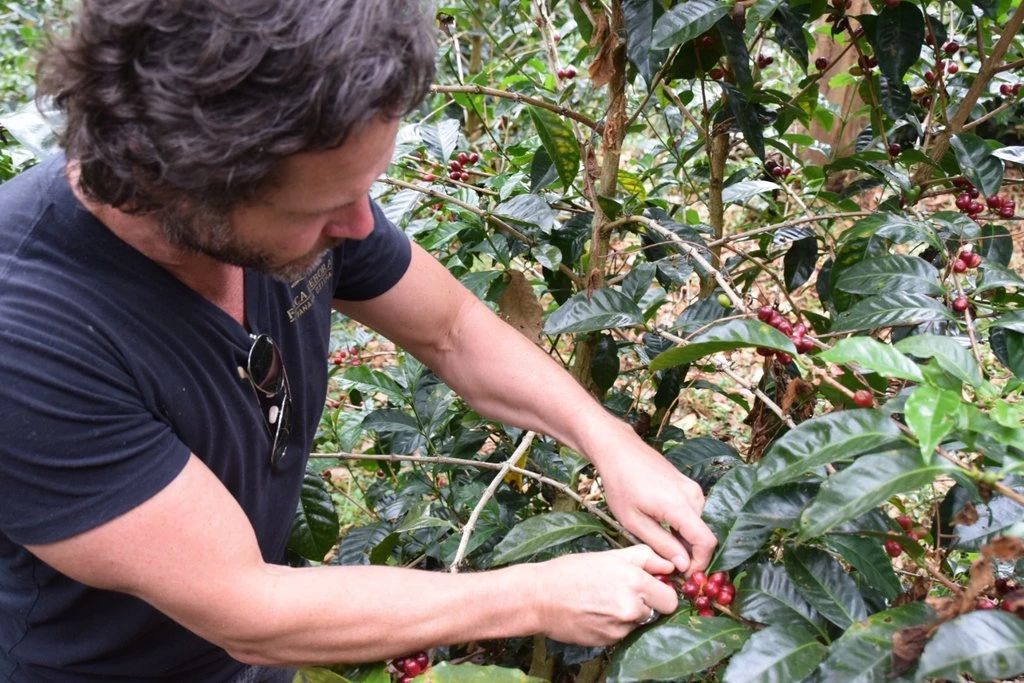
Savage positions himself among the most meticulous coffee producers in the world, so the Savage Coffee project doesn't limit itself to his own estate's beans: it sources high-quality cherries from farms around Finca Deborah and processes them with Deborah's own protocols. For the FrontStreet Coffee Finca Deborah Savage Series Geisha, our roasters chose a medium-light roast, developing the beans for 1 minute 20 seconds after first crack to express their sweetness, acidity, and floral-fruit aromas.
Excellent green coffee combined with careful roasting gives this coffee rich floral, lactic, pineapple, and berry notes.
FrontStreet Coffee · Africa's Geisha — Gesha Village Coffee Estate
In 2007, documentary director Adam Overton and his photographer wife Rachel Samuel, while filming a documentary about Ethiopian coffee for the government, came into contact with the Gera coffee forest in the Bench Maji region. The experience planted the idea of founding their own estate and brand. In 2009 they met Willem Boot, the renowned estate owner and Best of Panama judge, whose suggestion gave them their direction: return to Ethiopia and find Geisha's birthplace. Their search led them to Bench Maji, in southwestern Ethiopia near the South Sudanese border, where many villages carry the name Gesha and where the original Geisha was most likely to be found.
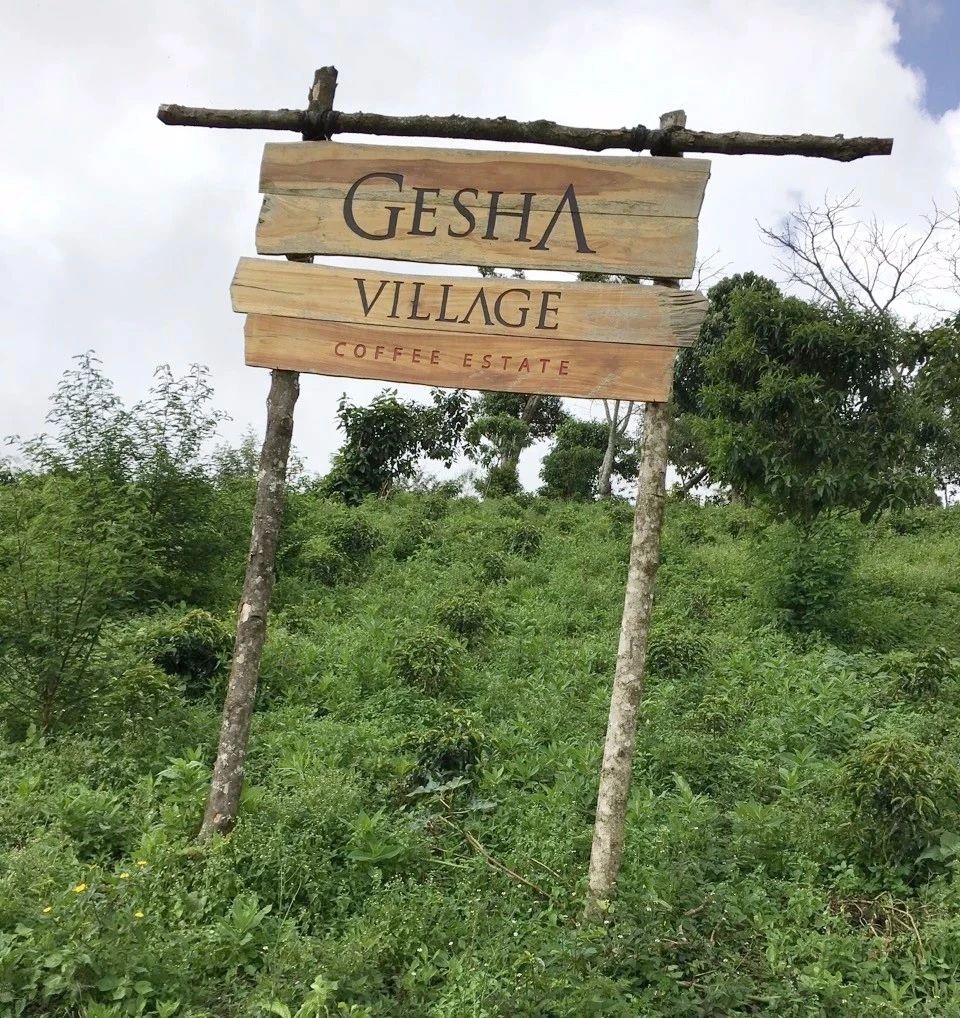
Adam and Willem Boot began "exploring" the forests around the future estate. In dense, almost magical jungle they found a variety of wild tree species — and, to their delight, wild Geisha. They later learned this was the Gori Gesha forest, the very place where the variety was first discovered. They collected seeds from the native trees, screened them, and planted them at what became Gesha Village Coffee Estate, a 475-hectare farm located about 12 miles from the Gori Gesha forest.
Ethiopia traditionally had no estates or estate grading systems. After discovering the Gesha forest, Willem Boot and Adam decided to bring Panama's estate management model to the region, making Gesha Village a one-of-a-kind coffee estate in Ethiopia.
At Gesha Village, every step of cultivation and processing is held to uncompromising standards. Through their coffee laboratory in Addis Ababa and official SCA protocols, each batch passes strict cupping and rigorous grading before release. From ultra-premium auction treasures to the refined mixed Chaka lot, the coffees are divided into tiers, and every single-label batch can be traced to detailed information about its origin. The internal grading runs: Auction, Gold Label, Red Label, Green Label, and Chaka.
The Gold Label is the highest tier below the Auction lots, accounting for only 5% of Gesha Village's annual production. The Gold Label selected by FrontStreet comes from the Oma plot, and the variety is Gesha 1931, whose characteristics closely resemble Panama Geisha.
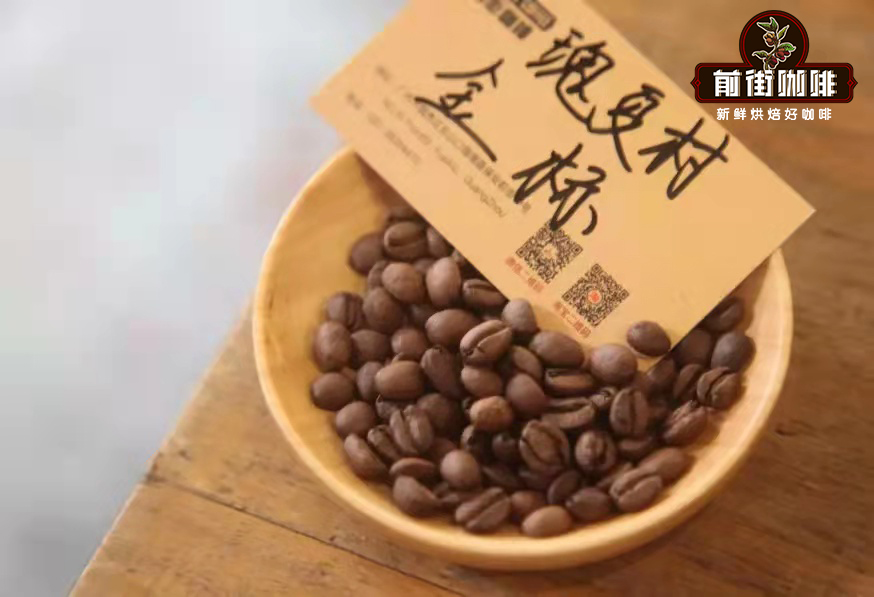
Through cupping, FrontStreet Coffee found the natural-processed Gesha Village Gold Label to show distinct yellow stone fruit, white florals, a delicate tea sensation, and a clear creamy aftertaste.
Its great strength is the ultra-high sweetness delivered by the refined natural process, which persists throughout the cup. Up front, the sweetness is so prominent that the acidity reads gentle rather than fruity, while the creaminess builds toward the finish. The trade-off is a lighter body, and the cup thins out somewhat at lower temperatures.
FrontStreet Coffee Recommendation
If Panama and Ethiopia represent two peaks of the Gesha world, FrontStreet Coffee offers a tasting path through both: start with the Panama Boquete Gesha, an entry-level Geisha with the classic orange-blossom honeyed sweetness, oolong tea character, and delicate fruit acidity; then move up to the Esmeralda Red Label or Gesha Village Gold Label for the full estate-level experience.
To brew any of them well: Gesha is a medium-light roast with a hard, dense bean that tends to sink and clog the dripper. FrontStreet Coffee suggests a coarser grind (78% pass on a #20 sieve, roughly fine-sugar size), 91°C water, 15g of coffee at a 1:16 ratio on a V60, using a three-stage pour — 30g bloom for 30 seconds, then to 125g, then to 225g — with a total extraction time of 2:10–2:20.
Important Notice :
FrontStreet Coffee is a long-established specialty coffee roaster in Guangzhou China, selling freshly roasted beans from its own farm in Yunnan as well as dozens of carefully selected single-origin beans from around the world for both pour-over and espresso. The products deliver consistently excellent quality and great value, with shipping within 24 hours. Guangzhou's FrontStreet Coffee shop is recommended by many coffee lovers, and the beans are now available online at the Tmall 。
FrontStreet Coffee has moved to a new address:
FrontStreet Coffee Address: 315,Donghua East Road,GuangZhou
Tel:020 38364473
 Scan and follow the En Gafei WeChat official account. Please indicate that the reprint comes from "En Gafei".