Differences Between Single Origin, Specialty, and Blend Coffee Beans - What is Espresso Blend
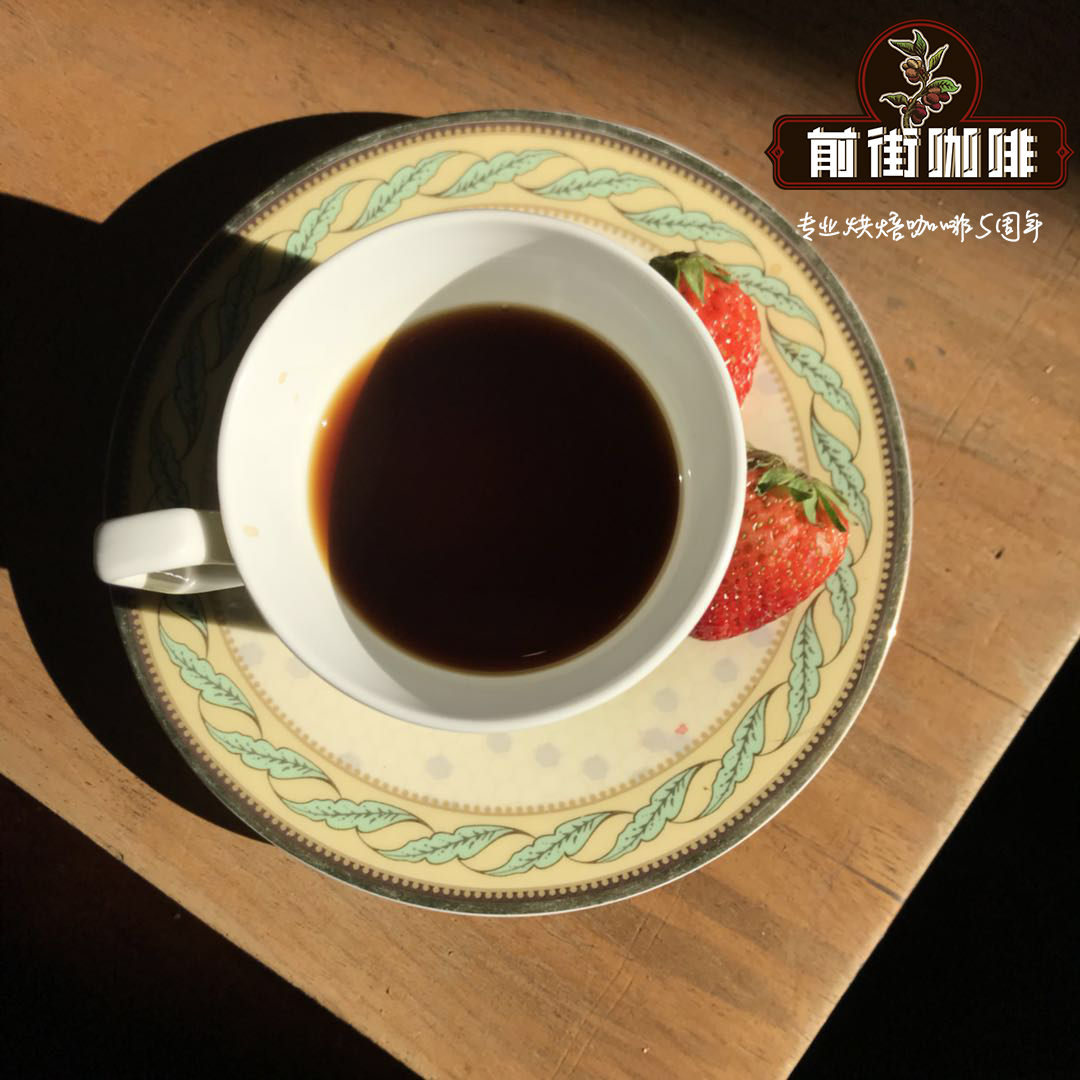
Single origin coffee is pure coffee made from beans grown in one place, usually drunk without milk or sugar.
Single origin is defined in contrast to blended coffee. Put simply, it can mean coffee from one producing country, one growing region, or even one estate.
An important characteristic of single origin coffee is traceability. It lets drinkers know that a high-quality coffee comes from a specific estate, and that its flavors represent a particular origin, growing region, and variety.
Coffees such as FrontStreet Blue Mountain, FrontStreet Kenya, FrontStreet Colombia, and FrontStreet Yirgacheffe all count as single origin. Each develops a unique flavor from the climate of its region. Drunk without milk or sugar, they reveal coffee's original taste, and we usually group them under the label "black coffee."
With the arrival of the third wave, more and more drinkers have pursued knowledge about brewing methods and origin flavors, which has helped popularize single origin coffee.
What is Specialty Coffee?
Single origin coffee can be further divided into specialty-grade beans and commercial-grade single origin coffee.
Specialty coffee has a clear definition:
Only coffee grown under the most favorable microclimate and soil conditions can develop truly distinctive flavors. On top of that, only coffee scoring 80 points or above on the SCA (Specialty Coffee Association) scale qualifies as specialty coffee. Anything below 80 points cannot be considered specialty and is classified as commercial-grade single origin coffee.
Single origin coffee is generally brewed by siphon or pour-over, and you can choose whichever suits your taste.
Its advantage is that it preserves the coffee's original flavor more faithfully.
What are Blended Coffee Beans?
Blended coffee beans are made by roasters or baristas who combine beans from different origins to reach a more balanced flavor profile.
If a bean is smooth but lacks aroma, for example, a more aromatic bean can be added to combine their strengths. Sometimes the beans are blended first and then roasted; other times they are roasted separately and blended afterward.
Blending is both a technique and an art, and it reflects the style of the roaster or barista. Done well, it makes coffee more balanced, smoother, and more consistent, and therefore more appealing to a broad audience.
Blending can also reduce costs to some degree, which is why blended coffee is far cheaper than single origin coffee.
The specialty drinks we order most often, such as Americano, latte, mocha, and caramel macchiato, all start with espresso as a base and are built with milk, foam, various syrups, or cream. These drinks are all products of blended coffee beans.
Does Single Origin Coffee Taste Better than Blended Coffee?
When you drink single origin coffee, the point is to experience the coffee's true taste, so no sugar or milk is added.
Some roasters point out that if single origin beans are pulled as espresso, the coffee's acidity, sweetness, and bitterness are all amplified under high pressure, and that may not suit everyone.
So it is not necessarily true that single origin coffee always tastes better.
Brewed by pour-over or AeroPress, its harshness is much lower than that of a single origin espresso, which makes it easier to accept.
A light or medium roast also makes the flavors easier to enjoy. And of course, you can always dilute a concentrated single origin with water.
FrontStreet Coffee Recommendation
For a first single origin, FrontStreet Washed Yirgacheffe is hard to beat. It is known for white jasmine, bright citrus and lemon-like acidity, and a tea-like finish, and its affordable price has made it a common entry point into specialty coffee. FrontStreet Gedingding Cooperative is the more refined washed option: a top-grade G1 Ethiopian coffee from the Gedingding station near Yirgacheffe, with clear citrus and lemon character and an elegant white floral aroma.
If you lean toward fruit, FrontStreet Natural Red Cherry is a natural-process Yirgacheffe made only from fully ripe red cherries. It keeps the variety's classic profile but adds tropical fruit from the sun-drying, landing as citrus acidity, berry-like juice, honey sweetness, and a creamy smoothness.
One reliable starting recipe for these coffees: a V60 dripper, 15g of coffee, water at 90-91°C, a 1:15 ratio, and a grind slightly finer than table sugar (about 80% passing a #20 sieve). Bloom with 30g for 30 seconds, pour to roughly 125g, then finish at about 225g, for a total brew time of around 2:00 to 2:10.
Important Notice :
FrontStreet Coffee is a long-established specialty coffee roaster in Guangzhou China, selling freshly roasted beans from its own farm in Yunnan as well as dozens of carefully selected single-origin beans from around the world for both pour-over and espresso. The products deliver consistently excellent quality and great value, with shipping within 24 hours. Guangzhou's FrontStreet Coffee shop is recommended by many coffee lovers, and the beans are now available online at the Tmall 。
FrontStreet Coffee has moved to a new address:
FrontStreet Coffee Address: 315,Donghua East Road,GuangZhou
Tel:020 38364473
 Scan and follow the En Gafei WeChat official account. Please indicate that the reprint comes from "En Gafei".