Which is Better: Green Mountain Coffee or Blue Mountain Coffee? What Are the Flavor and Taste Differences? Why Are Blue Mountain Coffee Beans So Much More Expensive?
Green Mountain Coffee vs. Blue Mountain Coffee
Green Mountain Coffee and Blue Mountain Coffee differ by a single word, but in reality they have almost nothing in common. Here is how the two break down.
Green Mountain Coffee from America
Green Mountain is not a growing region. Green Mountain Coffee is a coffee brand founded in Vermont, USA, in 1981, which went public in 1993.
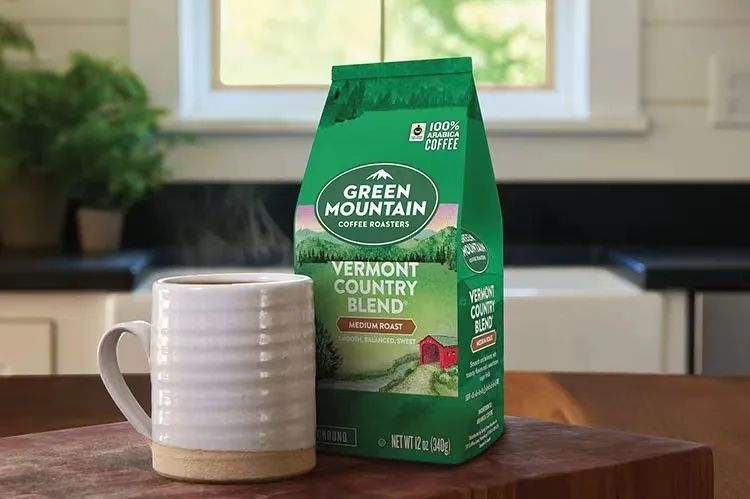
Both are brand stories, but unlike Starbucks and its premium "high-taste" positioning, Green Mountain Coffee sells high-quality Arabica at lower prices. It has also built a record on environmental protection. Since 2002 it has sold certified fair trade coffee, all of it organic. To obtain fair trade certification, a coffee merchant must pay farmers more than $1.26 per pound of beans and provide technical support for growing coffee organically -- a sustainable, environmentally friendly, healthy approach.
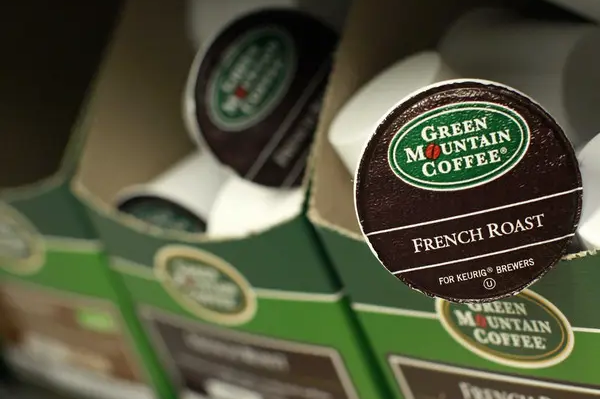
As the coffee market has grown quickly, single origins of every kind have proliferated, but Green Mountain Coffee has stayed practical and environmentally minded. Among its many products, K-Cups are an especially practical option. Following the design philosophy of Keurig founders Peter Dragone and John Sylvan -- "no need to brew a whole pot, one cup at a time is enough" -- they invented the Keurig K-Cup for single servings, along with compatible single-serve packaging. Keurig later developed dedicated single-cup machines as well.
The K-Cup pitch is simple: drop the cup in the machine and in one minute you have a fragrant hot coffee -- no grinding, no measuring, no cleaning, no grounds. Most importantly, each K-Cup sells for only 50 cents, one-tenth the price of a Starbucks coffee. That design philosophy lifted Green Mountain Coffee's sales dramatically, and the company went on to file multiple K-Cup patents, requiring other manufacturers to pay licensing fees to use K-Cup packaging.
Blue Mountain Coffee from Jamaica
Jamaica is an island nation in the Caribbean, in the tropical zone, with Cuba to the north and Central America nearby. Its coffee-growing areas are concentrated around the Blue Mountains in the east. On clear days, sunlight on the blue sea reflects blue light onto the mountains, which is where the name comes from. The Blue Mountains hold the highest peaks in the region, topping out at approximately 2,256 meters. Only land below 1,700 meters can grow coffee trees; higher elevations are protected forest.
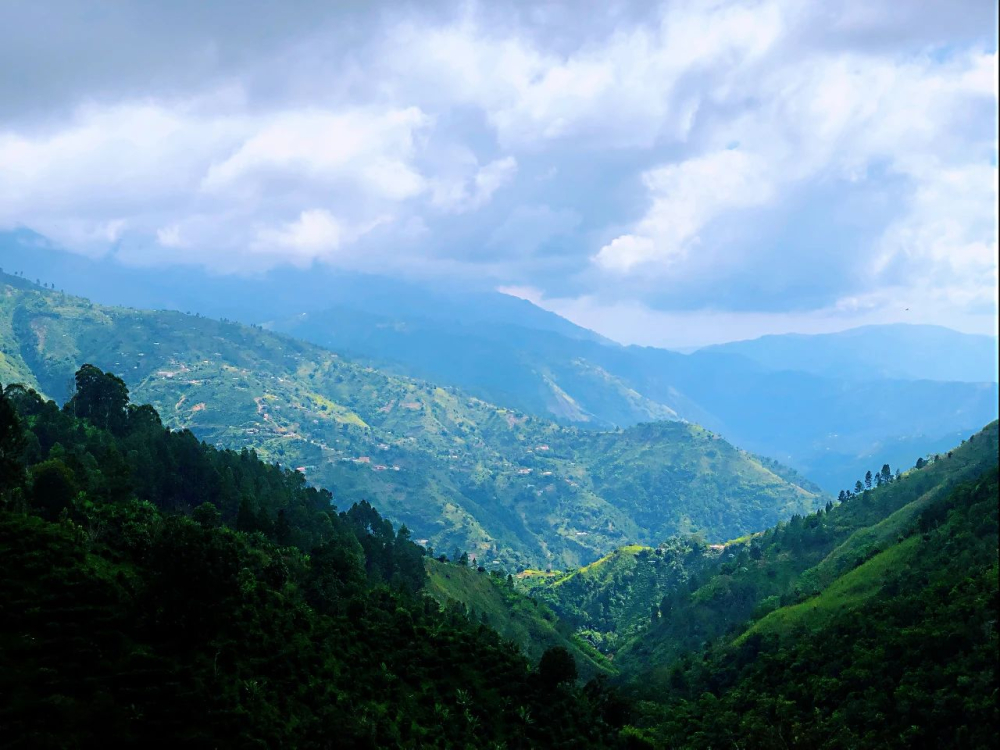
The high-altitude Blue Mountain growing area is wrapped in cloud and mist, with fertile volcanic soil. The climate is humid and rainy year-round, with an average temperature around 27C. Combined with the near-total absence of industrial pollution, these conditions produce excellent Blue Mountain beans. By now it should be clear that the commercial brand Green Mountain Coffee and high-quality Blue Mountain Coffee are essentially unrelated. What, then, makes Blue Mountain Coffee so expensive?
The Jamaica Coffee Industry Board (CIB) sets strict production standards. Only Arabica grown in specific areas at elevations between 910-1,700 meters can be called Jamaica Blue Mountain Coffee. It is divided into four regions -- St. Mary, St. Thomas, St. Andrew, and Portland -- together covering one-third of the entire Blue Mountain growing area. The remaining two-thirds is used for Jamaica High Mountain coffee and Jamaica Prime coffee. The steep mountain slopes also make manual harvesting difficult, which further limits output. In recent years, less than 15% of the coffee produced in Jamaica has carried the Blue Mountain Coffee label.
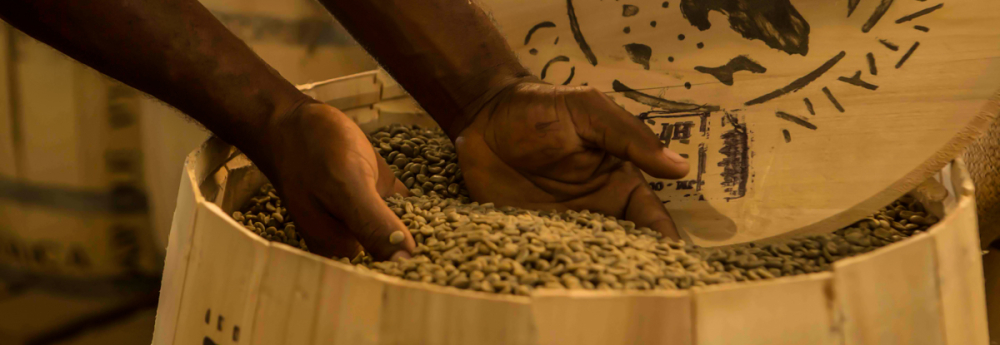
We often hear that Japan once almost monopolized Jamaica's Blue Mountain market. After storm damage on the island in 1969, the growing areas suffered severe losses. Japan's UCC Coffee Group provided substantial assistance to help them recover and continued investing in Jamaica's coffee industry in later years. In 1972 Jamaica signed a 30-year agreement with Japan granting Japan priority purchasing rights. During that period, 90% of Blue Mountain production went to Japan, with the remaining 10% allocated to Europe, America, and Asia. That is why Blue Mountain Coffee was so expensive in that era. For years, authentic Blue Mountain was rarely available in China, or priced beyond everyday consumption, which gave rise to low-priced "Blue Mountain flavored instant coffee" and cheaper "Blue Mountain blended coffee" on the market.
After the Jamaica-Japan agreement expired, Jamaica looked to broaden its buyer market and allocated more Blue Mountain quota to other markets. In 2010, China imported its first batch of Blue Mountain green beans. FrontStreet Coffee also added the highest grade, Blue Mountain No. 1, to its regular coffee menu.
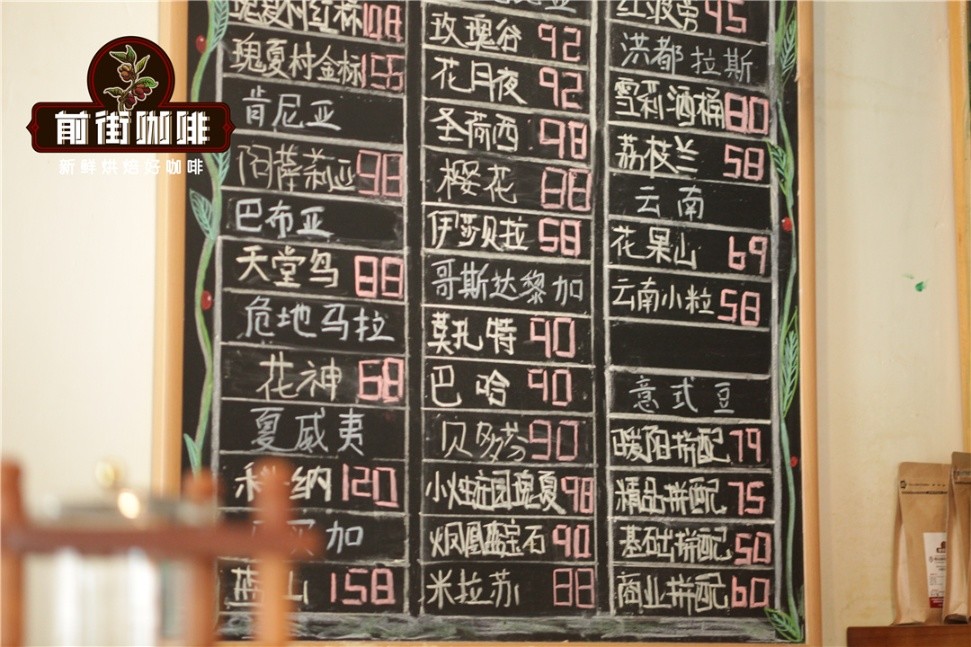
Blue Mountain No. 1 is Jamaica's national treasure grade: green beans of 17 screen size or larger, a defect rate below 3%, moisture content of 10-12.5%, and a perfectly balanced flavor of acidity, sweetness, bitterness, body, and aroma. The green beans are uniform in color with well-formed particles, a very rare premium batch.
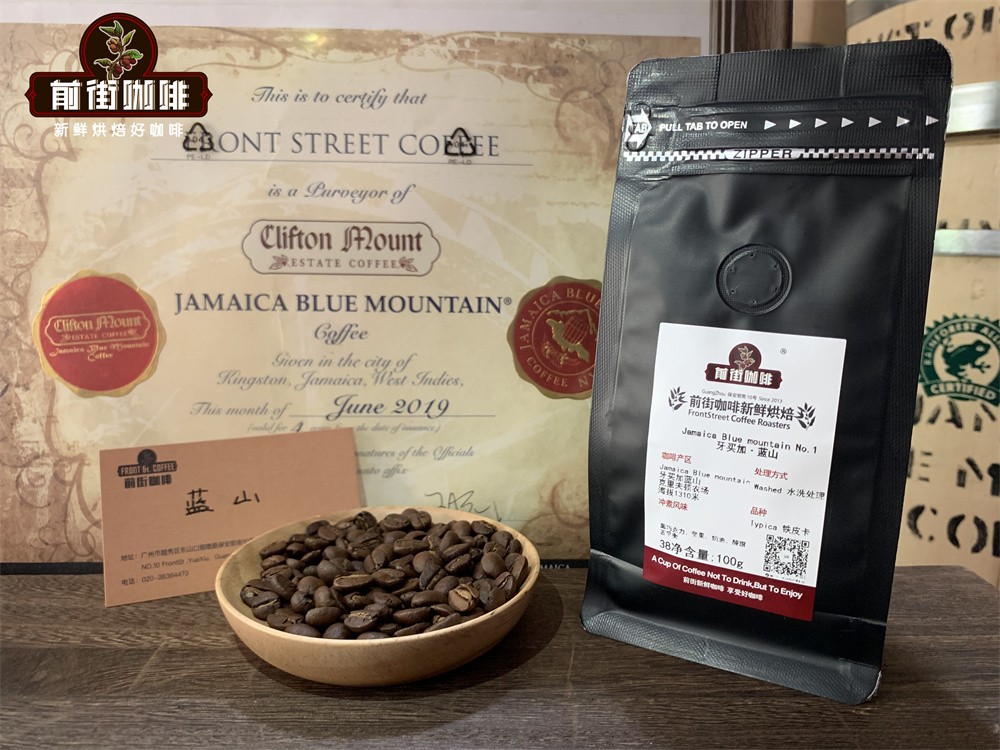
FrontStreet Coffee: Jamaica Blue Mountain No. 1 Coffee Beans
Origin: Jamaica Blue Mountain
Estate: Clifton Mountain Estate
Altitude: 1,310m
Processing Method: Washed
Variety: Typica
Flavor Notes: Chocolate, Nuts, Cream, Cocoa, Toffee
Blue Mountain Coffee Brewing Suggestions
To enjoy a full, rich aroma, FrontStreet Coffee suggests brewing with freshly roasted beans. Coffee needs 4-7 days of resting after roasting, so FrontStreet Coffee ships beans roasted within 5 days, making sure what arrives after you order is at its best. If you do not have a grinder at home, FrontStreet Coffee offers a grinding service, but ground coffee loses aroma faster than whole beans, so if conditions allow, having your own grinder is the better way to keep the aroma intact.
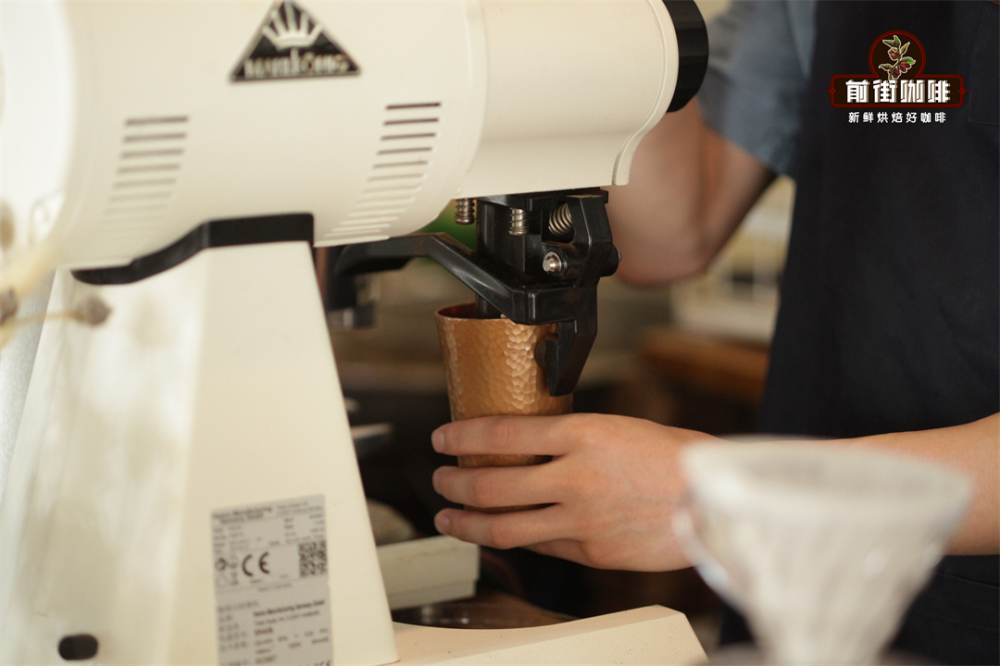
FrontStreet Coffee believes the excellence of Blue Mountain No. 1 lies in its balanced acidity and sweetness, high body, and full aroma. For roasting, FrontStreet Coffee chose a medium-dark roast to highlight the bean's nutty and cocoa aromas. A KONO dripper gives a better body.
First, wet the KONO dripper so the filter paper sits snugly against it. Pour out the water from the server while adding 15g of coffee. After blooming with 30g of water for 30 seconds, pour in small circles from the center until you reach 125g, then start the second stage. When the coffee bed drops to halfway down the dripper, pour the second stage with the same technique until you reach 225g. Once dripping is complete, remove the dripper.
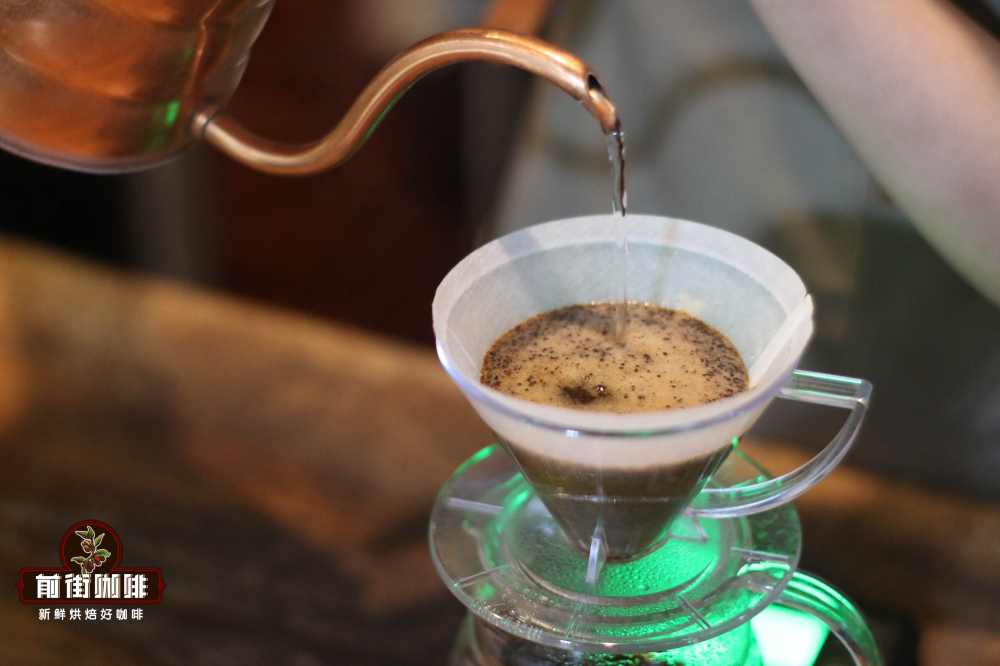
After grinding, Blue Mountain No. 1 releases a very rich aroma. During brewing it carries a caramel sweetness. The first sip shows the richness of nuts and chocolate, with moderate acidity and sweetness, a clean taste, and a persistent aftertaste.
FrontStreet Coffee Recommendation
If the Blue Mountain story has you wanting to try the real thing, FrontStreet Coffee's Jamaica Blue Mountain No. 1 is the highest grade of the lot, and it comes with full origin documentation and the estate's original shipping barrel. It is roasted medium-dark so the classic balance of acidity, sweetness, bitterness, aroma, and body all show at once, unfolding into nuts, dark chocolate, cream caramel, and a soft sweetness.
Blue Mountain is more versatile than people assume. FrontStreet Coffee suggests starting with pour-over: a 1:15 to 1:16 ratio, 85-88C water, and a medium-coarse grind size. That highlights the cream, caramel, and nut flavors while keeping the soft, bright sweet-and-sour edge, with a cleaner and more layered cup.
If you prefer a thicker, richer cup, brew Blue Mountain in a moka pot with a slightly finer grind size than pour-over, hot water in the base, medium-low heat, and take it off the heat just as the coffee finishes flowing. The moka pot amplifies the chocolate, caramel, and nut flavors and keeps the signature balance. It also performs beautifully with milk in a latte or a flat white.
For anyone buying Blue Mountain, certification matters. Genuine Jamaica Blue Mountain does not carry a QR traceability code, but a reliable importer holds complete export certification and proof of origin, and traditional Blue Mountain is shipped in 15kg, 45kg, and 70kg wooden barrels -- the barrel itself is one of the marks of the real thing.
Important Notice :
FrontStreet Coffee is a long-established specialty coffee roaster in Guangzhou China, selling freshly roasted beans from its own farm in Yunnan as well as dozens of carefully selected single-origin beans from around the world for both pour-over and espresso. The products deliver consistently excellent quality and great value, with shipping within 24 hours. Guangzhou's FrontStreet Coffee shop is recommended by many coffee lovers, and the beans are now available online at the Tmall 。
FrontStreet Coffee has moved to a new address:
FrontStreet Coffee Address: 315,Donghua East Road,GuangZhou
Tel:020 38364473
 Scan and follow the En Gafei WeChat official account. Please indicate that the reprint comes from "En Gafei".