Colombia Finca El Paraiso SOE Double Anaerobic Process Coffee Beans Flavor Characteristics and Story

Colombia is the world's third-largest coffee producer and the largest producer of washed Arabica, which gives it a special standing in the coffee world. The national government requires that only Arabica varieties be cultivated in its producing regions, and with the support of the NFC organization Colombia has reached its current prominence. Finca El Paraiso has recently become a topic of discussion after Luckin Coffee launched its new small black cup series featuring Finca El Paraiso SOE, and people are eager to know what flavors that coffee offers.
Finca El Paraiso
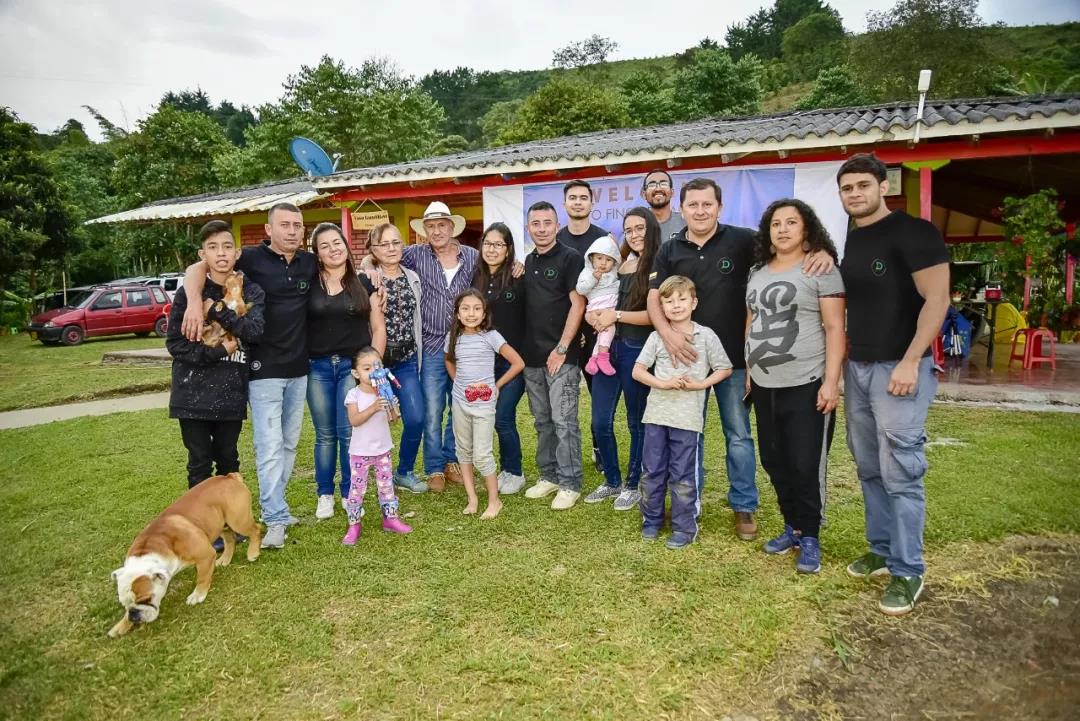
Finca El Paraiso is a coffee farm that Mr. Diego Samuel began operating in 2008. It started as a small 2.5-hectare family estate, and the owner invested the surplus from each year's harvest into coffee agricultural research, continually studying how to produce specialty flavors better.

In 2015, he entered a local regional competition for the first time, and beans from Finca El Paraiso took first place. That victory brought recognition and industry approval, and it motivated him further to promote specialty coffee cultivation. Through his company Indestec (Innovacion y Desarrollo Tecnologico para la Caficultura), Diego developed new techniques to improve and stabilize coffee quality. He says he likes stepping out of his comfort zone, because it constantly helps him progress.
Finca El Paraiso sits in the Cauca region of Colombia. Cauca is a certified Colombian coffee-producing region with an average altitude of 1,758 meters, reaching 2,100 meters at its highest points. The area's topography, rainfall, temperature, and volcanic soil provide ideal conditions for coffee.

Eighty percent of Cauca is mountainous, with parallel ranges in the eastern and central parts that form part of the Andes. The central range includes two main volcanoes, Sotara and Petacas. Like other southwestern producing regions, Cauca shows a distinct single-peak rainfall pattern, with the dry season falling mainly in August and September each year. The rainy season that follows brings a concentrated coffee flowering period, and the next year brings a concentrated harvest.
Finca El Paraiso currently grows varieties such as Bourbon, Laurina, Gesha, and Castillo, and plans to experiment with more.
Processing Method: Anaerobic Washed
On FrontStreet Coffee's bean list there happens to be a FrontStreet Coffee Colombia Finca El Paraiso Sakura coffee bean, which we can use to understand the flavors of the farm.

In recent years, anaerobically processed beans have become very popular. When green coffee ferments in an anaerobic environment, its originally light and aromatic fruit flavors develop into rounder fermented fruit notes and sweetness, and the brewed black coffee has lower bitterness, making it easy to accept even for people who do not normally drink coffee. This FrontStreet Coffee Finca El Paraiso Sakura bean uses a double anaerobic wash, meaning it undergoes two constant-temperature anaerobic fermentations with a wash in between to remove the mucilage layer. This slows the breakdown of pulp and mucilage, extending fermentation before the beans are sun-dried, and it highlights the coffee's explosive sweetness more effectively.
Anaerobic fermentation has been a very popular post-processing method in recent years. It usually involves placing coffee cherries in sealed containers or in washing tanks for water fermentation, using different microorganisms to create special flavors. Once fermentation is complete, the cherries are sun-dried.

The characteristics of anaerobic processing are worth noting. Using stainless steel containers, which do not absorb flavors from previous batches, results in cleaner flavors. Fermentation in a sealed environment makes the various factors easier to control, so each batch is more consistent and aromatic compounds are less likely to volatilize. Fermentation in an oxygen-free environment produces rounder flavors, often with cheese and cream aromas. Coffee processed this way typically has a fuller body and wine-like aromas.

FrontStreet Coffee - Colombia Finca El Paraiso Sakura Coffee Beans
Region: Cauca, Finca El Paraiso
Altitude: 2050 meters
Processing Method: Double Anaerobic Washed
Grade: SUPREMO
Variety: Castillo
Raw Beans
The variety of this bean is Castillo, one of the most widely planted coffee varieties in Colombia, popular for its excellent resistance to leaf rust.

Starting in 1961, CENICAFE began researching the Timor variety, which has Robusta lineage. CENICAFE continued its work and released the second disease-resistant variety, Tabi, a hybrid of Typica, Bourbon, and Timor, in 2002, followed by Castillo in 2005, its most successful disease-resistant variety to date. After the major leaf rust outbreak in 2008, Colombia began vigorously promoting the cultivation of Castillo.
Roasting
FrontStreet Coffee has been roasting since it entered the coffee industry. Its roasting goal is to reflect the flavors of the coffee's origin. For this FrontStreet Coffee Finca El Paraiso Sakura Colombian coffee, FrontStreet Coffee uses a medium-dark roast to express its distinctive flavors and highlight the sweetness.
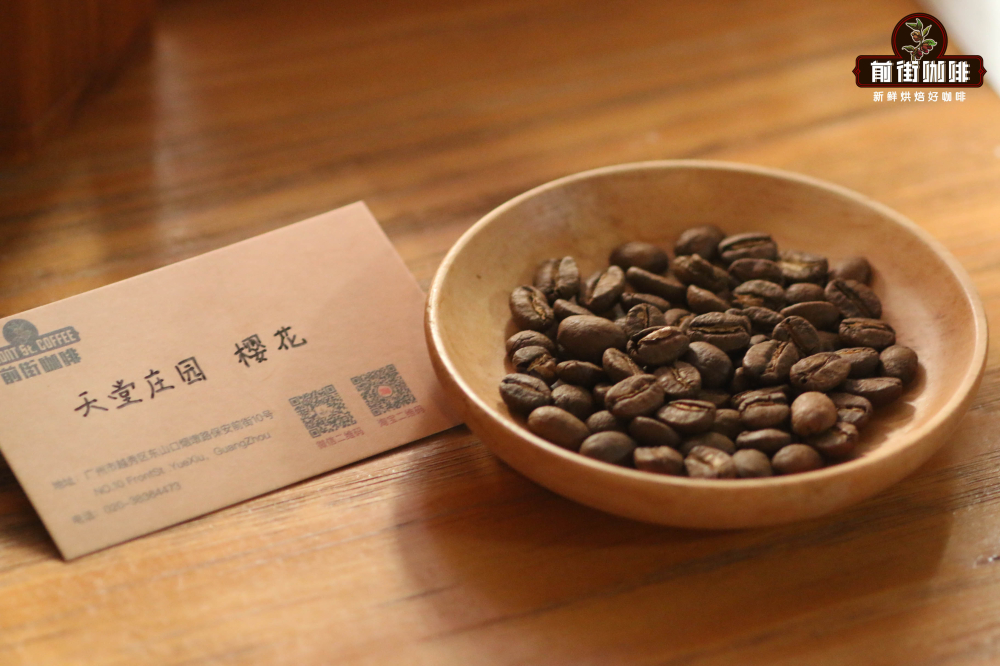
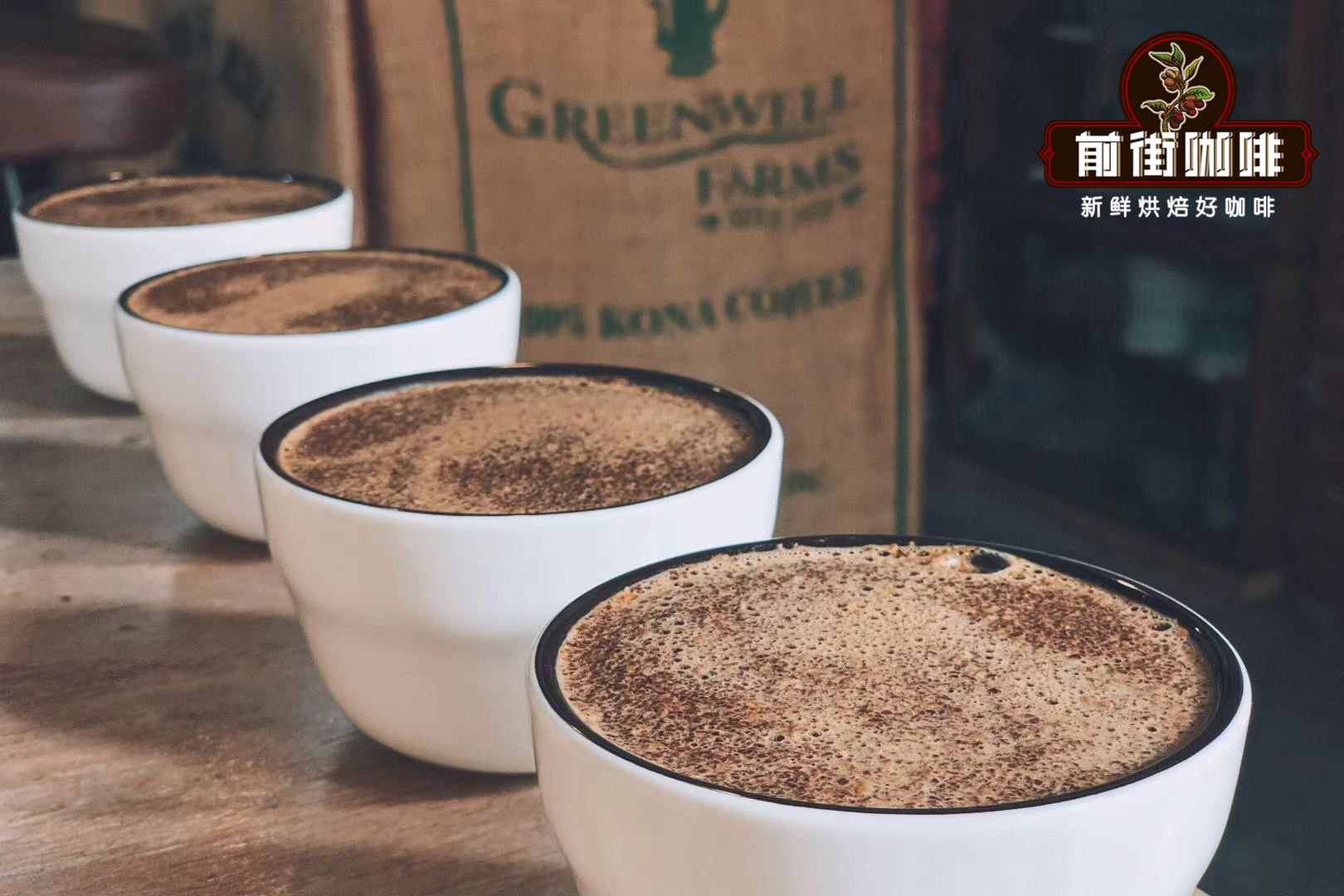
Eight hours after roasting is complete, FrontStreet Coffee cups samples and adjusts the roasting curve. The final cupping notes reveal aromas of mint and mugwort, with flavors of strawberry, jam, citrus, and chocolate.
Pour-over Method
FrontStreet Coffee suggests brewing with freshly roasted beans to experience the full flavor of the coffee. All beans it ships are roasted within 5 days, because FrontStreet Coffee understands that freshness greatly affects flavor. Its roasting philosophy is "freshly roasted good coffee," ensuring that every customer who places an order receives the freshest coffee possible. The coffee's resting period is about 4-7 days, so by the time customers receive it, it is at its flavor peak.
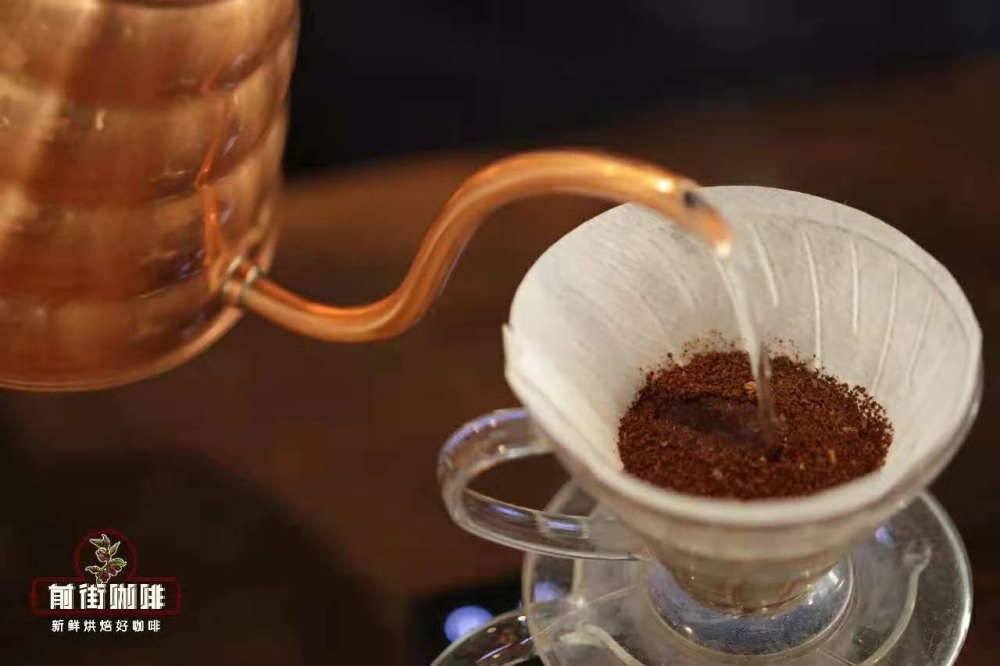
Filter: V60 dripper
Water Temperature: 91°C
Bean Amount: 15g
Coffee-to-Water Ratio: 1:15
Grind Size: Fine grind (80% passing through a China standard #20 sieve)
Brewing Method: Three-stage extraction. Use 30g of water for a 30-second bloom, then continue pouring with a small circular motion to 125g to complete the first stage. When the water level drops and is about to expose the coffee bed, continue pouring to 225g and stop. Wait for the coffee liquid to finish dripping through the filter, then remove the filter cup. Timing starts from the beginning of the bloom, and total extraction time is 2'00".
FrontStreet Coffee Recommendation
Since this article centers on anaerobic processing, FrontStreet Coffee's Colombia anaerobic natural coffee is a natural companion. Fermenting the cherries in an oxygen-free environment converts more of the coffee into tropical fruit aromatics, and after a medium-light roast it shows passion fruit, grape, apricot, and preserved fruit notes. It works well as a pour-over, as cold brew, as a drip bag, or in a moka pot, and it is an easy way to compare a sun-dried anaerobic coffee against the double anaerobic washed Sakura above.
For a classic washed Colombian reference, FrontStreet Coffee's Huila is an excellent benchmark. Huila province is Colombia's best-known specialty coffee region, its farms planted above 1,500 meters with abundant water and humidity. FrontStreet Coffee's washed Huila is roasted medium-dark, which foregrounds dark chocolate and nutty sweetness, a moderate oiliness, and a full body. It is versatile enough for a pour-over or French press, and also for a moka pot or espresso machine, making a fine Americano or latte.
To brew the Sakura as FrontStreet suggests, use a V60 with 15g of coffee at a 1:15 ratio and water at 91°C. Grind to about 80% passing a #20 sieve and pour in three stages: a 30g bloom for 30 seconds, then a small circular pour to 125g, and finally to 225g, finishing in about 2'00".
Important Notice :
FrontStreet Coffee is a long-established specialty coffee roaster in Guangzhou China, selling freshly roasted beans from its own farm in Yunnan as well as dozens of carefully selected single-origin beans from around the world for both pour-over and espresso. The products deliver consistently excellent quality and great value, with shipping within 24 hours. Guangzhou's FrontStreet Coffee shop is recommended by many coffee lovers, and the beans are now available online at the Tmall 。
FrontStreet Coffee has moved to a new address:
FrontStreet Coffee Address: 315,Donghua East Road,GuangZhou
Tel:020 38364473
 Scan and follow the En Gafei WeChat official account. Please indicate that the reprint comes from "En Gafei".