Understanding Colombian Coffee Grade Classifications: Premium vs. Special Selection and Optimal Roasting Profiles for Colombian and Brazilian Beans
When it comes to Colombian coffee, the delicate berry sweetness and acidity, the roasted-nut aroma, and the caramel-like aftertaste combine into such a perfectly balanced cup that newcomers to pour-over often exclaim: this is delicious! Not too acidic, not too bitter - exactly what I love.
Colombia has become the world's second-largest producer of Arabica coffee largely thanks to the active volcanoes in and around the country. Volcanic ash blankets the soil with rich minerals; this fertile volcanic ground, combined with high altitude and supportive microclimates, gives the coffee its gentle acidity and solid, full-bodied texture.
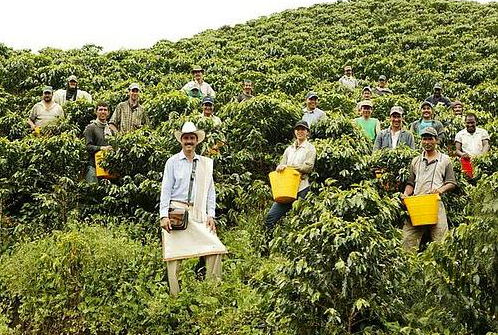
In recent years, coffee competitions have raised farmer incomes and helped Colombian coffee shed its old reputation as merely a base bean. It was long used for commercial coffee or espresso blends, with only a small share of the crop quality enough to stand as specialty coffee on its own. As cultivation techniques have improved, Colombian beans have advanced noticeably - it is now rare to encounter truly poor-quality coffee from Colombia.
The Colombian Coffee Bean Grading System
Colombian coffee beans are graded by green bean size using specialized screens (the size unit is mesh). Colombian coffee falls into 3 grades, each tied to a specific mesh size:
Supreme Grade: 95% 17 mesh
EP Grade: 15 mesh (a grade customized for the European market)
U.G.Q Grade: 14 mesh
(There are also branch grades: 95% 18 mesh is called Supreme Premium, while 95% 16 mesh is called Extra.)
The Excelso Classification
At this point some may ask: doesn't FrontStreet Coffee also sell "Excelso"? Here FrontStreet Coffee needs to make a correction: Excelso is not a Colombian green coffee grading level at all and does not belong to the Colombian classification system. In fact, Excelso is the highest export grade for Colombian green coffee: regardless of mesh size, any green coffee shipped for export is Excelso. That means Supreme Screen 18+, Supreme, EP, and U.G.Q are all Excelso.
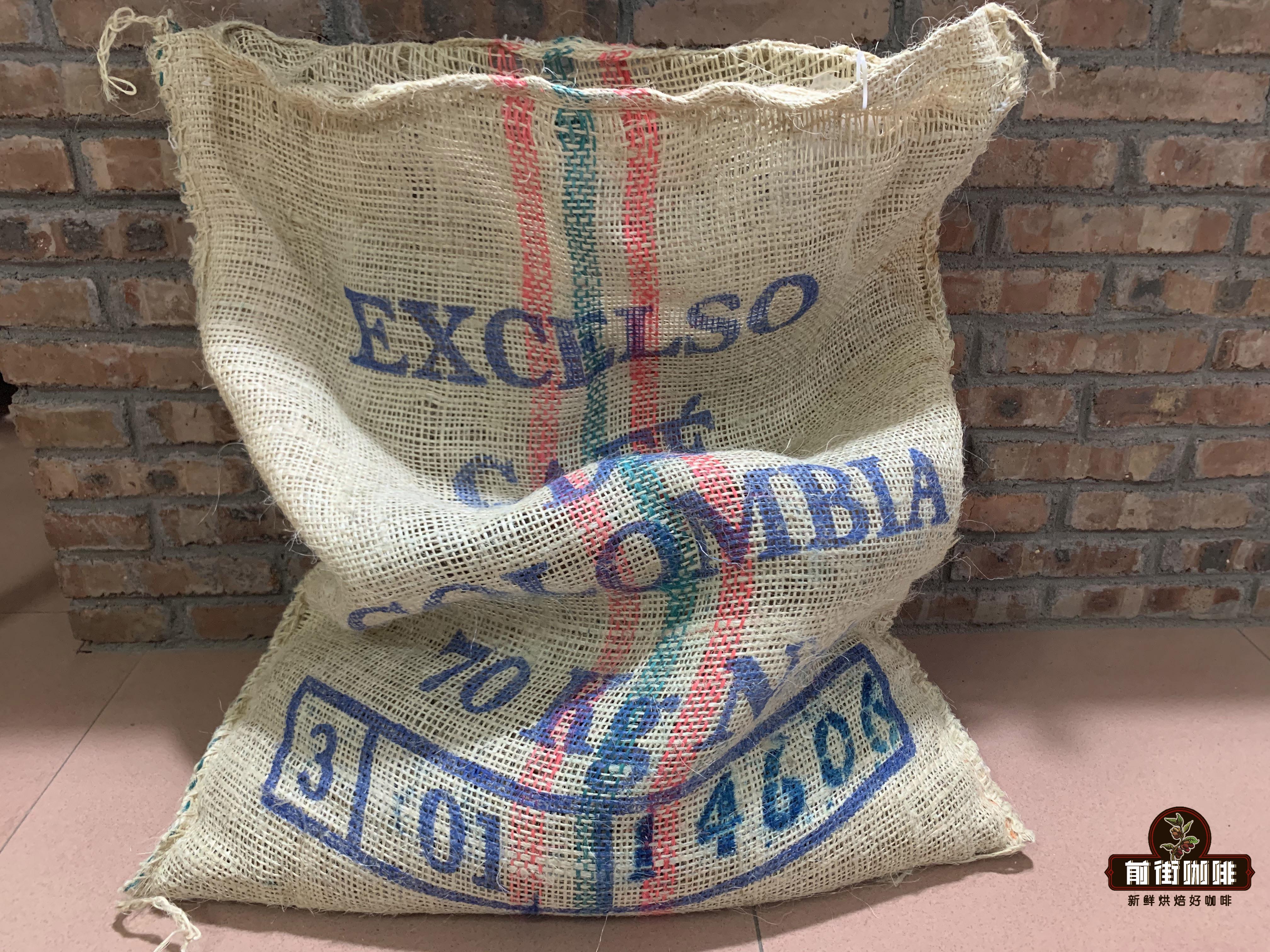
This is why Colombian green coffee bags are all marked Excelso. To strictly control the quality of every exported bean, the Colombian Coffee Growers Federation (FNC) issued a new decree in 2016: only exported green coffee meeting Excelso standards may carry the "EXCELSO - Cafe de Colombia" logo on its packaging and receive a Quality Certificate from the FNC.
Processing Methods and Brewing Recommendations
Most Colombian farmers use traditional washed processing to remove the fruit. Washing includes a soaking-and-fermentation step in water tanks: fermentation breaks down the fruit's mucilage while letting the beans themselves develop more acidity, and after a short drying period, washed Colombian coffee tastes cleaner and fresher. That is why, when FrontStreet Coffee recommends Colombian beans to newcomers, we always point first to washed coffees from the Huila region.
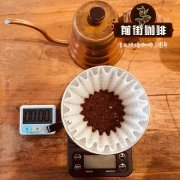
When brewing washed Colombian coffee, FrontStreet Coffee typically uses a V60 #01 dripper to enhance complexity and highlight the beans' gentle acidity and caramel sweetness. Prepare 15g of coffee ground medium-fine (fine-sugar texture; 75% retention on the Chinese standard #20 sieve), then brew with 90°C water at a 1:15 coffee-to-water ratio in three pours.
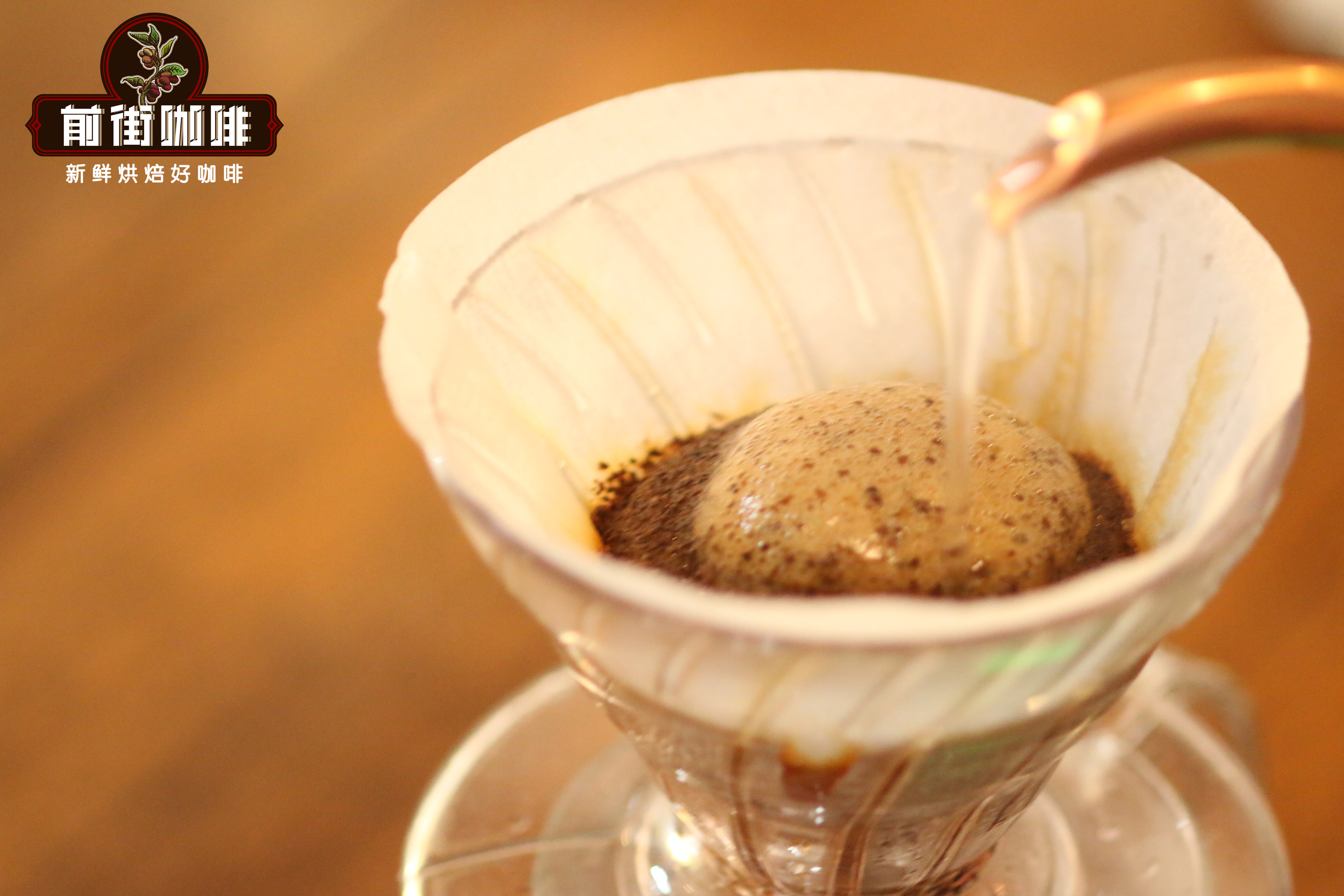
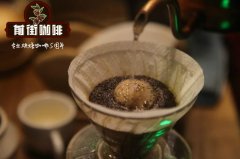
Pour-over demonstration: Bloom with 30g of water for 30 seconds. Using a small circular stream, pour to 125g, then wait for the water level to drop before continuing to 225g. Remove the dripper when the water level is about to expose the coffee bed (total extraction time from the start of the bloom: 1'59").
Flavor profile of Huila washed Colombian coffee beans: Berry, nuts, caramel, chocolate
For professional coffee knowledge exchange and more coffee bean information, stay tuned to FrontStreet Coffee.
FrontStreet Coffee Recommendation
If you love Colombia's balance, FrontStreet's Washed Huila is the classic expression - medium-dark roasted to bring out black chocolate and nutty sweetness with moderate body, at home in a pour-over, French press, moka pot, or espresso machine. And do not overlook Brazil, whose coffee shares that same low-acid, balanced DNA. FrontStreet's Brazil Cerrado Red Bourbon is a semi-washed (pulped natural) classic from Brazil's famous Cerrado region: medium roasted, it pours out dense aromas of cream, peanut, toast, caramel, and hazelnut, round on the palate with barely any acidity and only a whisper of bitterness - excellent as pour-over, and equally suited to moka pot, espresso SOE, siphon, or French press.
For something more refined, FrontStreet's Brazil Fazenda Rainha Yellow Bourbon comes from Mogiana near Sul de Minas, where fertile red volcanic soil feeds the fruit; the rare yellow Bourbon mutation - born of Red Bourbon - gives a cleaner fruit character, with sugarcane sweetness plus fruit and chocolate notes that other origins cannot quite match. And if you run a home machine or moka pot, the FrontStreet Signature Blend combines Brazil's creamy nuttiness with Colombia's dark chocolate bitterness, extracting a fine golden crema that makes a latte both rich and silky.
Important Notice :
FrontStreet Coffee is a long-established specialty coffee roaster in Guangzhou China, selling freshly roasted beans from its own farm in Yunnan as well as dozens of carefully selected single-origin beans from around the world for both pour-over and espresso. The products deliver consistently excellent quality and great value, with shipping within 24 hours. Guangzhou's FrontStreet Coffee shop is recommended by many coffee lovers, and the beans are now available online at the Tmall 。
FrontStreet Coffee has moved to a new address:
FrontStreet Coffee Address: 315,Donghua East Road,GuangZhou
Tel:020 38364473
 Scan and follow the En Gafei WeChat official account. Please indicate that the reprint comes from "En Gafei".