Is Kopi Luwak Considered a Specialty Coffee? What Are Its Unique Flavor Characteristics
What Is Kopi Luwak?

Kopi Luwak, originally known as Musang Coffee, comes from Indonesia. Its flavor is somewhat like Indonesian Mandheling coffee, but with an extra, distinctive fermented note. Compared with Mandheling, it is smoother and lacks Mandheling's earthy character. True Kopi Luwak is one of the most expensive coffees in the world—genuinely among the finest of specialty coffees.
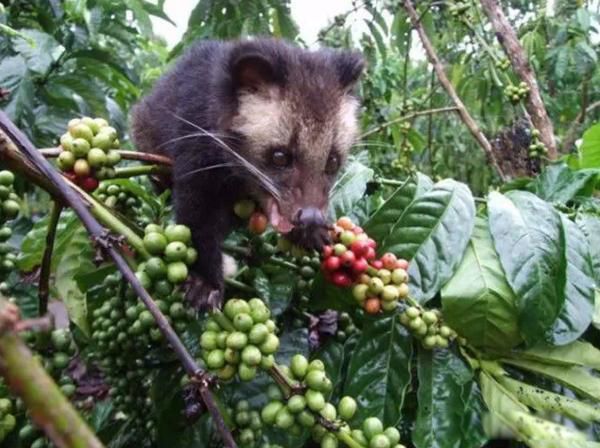
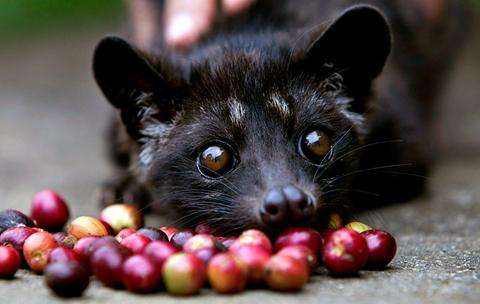
You may have encountered Kopi Luwak elsewhere, but it isn't necessarily the real thing—it might simply be coffee with Kopi Luwak flavoring. True Kopi Luwak is recognized as one of the world's ten most expensive coffees, and it comes from the musang, an animal found on the Indonesian island of Sumatra. The musang is a wild omnivore that locals call Luwak. It has a pointed snout and dark gray fur and is nocturnal. Using its keen sense of smell, it seeks out the sweetest, fullest coffee cherries on the trees and occasionally picks a few berries as a snack, climbing the trees to select ripe, sweet, fully red fruit to eat.
The Natural Processing Method
The musang eats only the ripest cherries, removing the outer skin before swallowing and savoring the sweet but scarce pulp. As the fruit passes through its digestive tract, the coffee ferments naturally inside the animal. Because coffee beans are exceptionally hard and difficult to digest, they pass through largely intact and are excreted with the feces. Those feces pass near the reproductive organs, coating the beans in musk oil and adding another layer of flavor. Experienced workers then hand-select and gather the beans from the forest for processing. It's said that about 1,300 beans must be collected to yield 100 that qualify as genuine Kopi Luwak.
This remarkable process stands in for traditional washed and natural methods, reducing the acidity and bitterness of the raw bean and giving it a unique, exceptionally aromatic and mellow character. Kopi Luwak has a consistency close to syrup and leaves a light cooling, minty sensation in the mouth after drinking—something ordinary coffee doesn't do. Its rich, round sweetness is likewise unmatched by other beans.
Rarity and Production Concerns
Musangs themselves are relatively rare, with small populations, and are nearly impossible to domesticate. They don't eat much, so their natural output is limited. On top of that, only about 30% of the usable beans in musang excrement can actually be used. Add losses from cleaning and grinding, and annual production of genuine Kopi Luwak does not exceed 400 kilograms. Very little genuine Kopi Luwak circulates on the market, which makes it extremely precious. Some joke that after drinking it they don't want to brush their teeth for days, just to keep savoring the flavor—a sign of how captivating it is said to be. These beans pass through the musang's body essentially unchanged and are excreted with the feces. This is the most primitive "natural fermentation"—inside the animal—and it is what creates the musang's unique flavor.
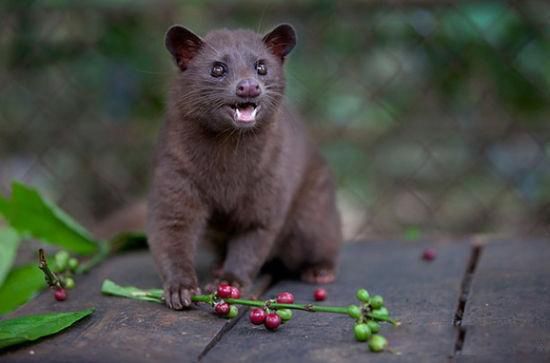
Not everything labeled Kopi Luwak on the market is genuine, however, and some of it is merely coffee with Kopi Luwak flavoring. Seeing the commercial opportunity, some businesses turned to captive breeding. Now the production of "Kopi Luwak" has become cruel. Originally, Kopi Luwak was discovered when people happened to collect musang droppings; today these animals are confined, stripped of their freedom, and forced to eat coffee cherries to produce beans.
In fact, Kopi Luwak from artificial farming has become little more than a gimmick, because those beans aren't chosen by the musangs—they're forced on them. These animals are naturally shy and timid, hard to domesticate. Once caged, forced to eat cherries and excrete all day, they fall ill and begin to show distressed behaviors like biting their companions and themselves, and may eventually die from this cruel form of coffee production.
Flavor Profile and Characteristics
So what makes Kopi Luwak taste different?
FrontStreet Coffee believes Kopi Luwak is no different from regular coffee—both are coffee, with the same effects and functions. Coffee can raise our metabolism, thereby improving muscle performance during exercise. Second, the caffeine in coffee makes us more alert and improves endurance. Coffee also has a diuretic effect; if you have facial puffiness, an Americano can help reduce it, and plenty of public figures drink one to keep their face looking its best. That said, too much coffee can easily cause palpitations, and older people and those with high blood pressure are advised not to overdo it.
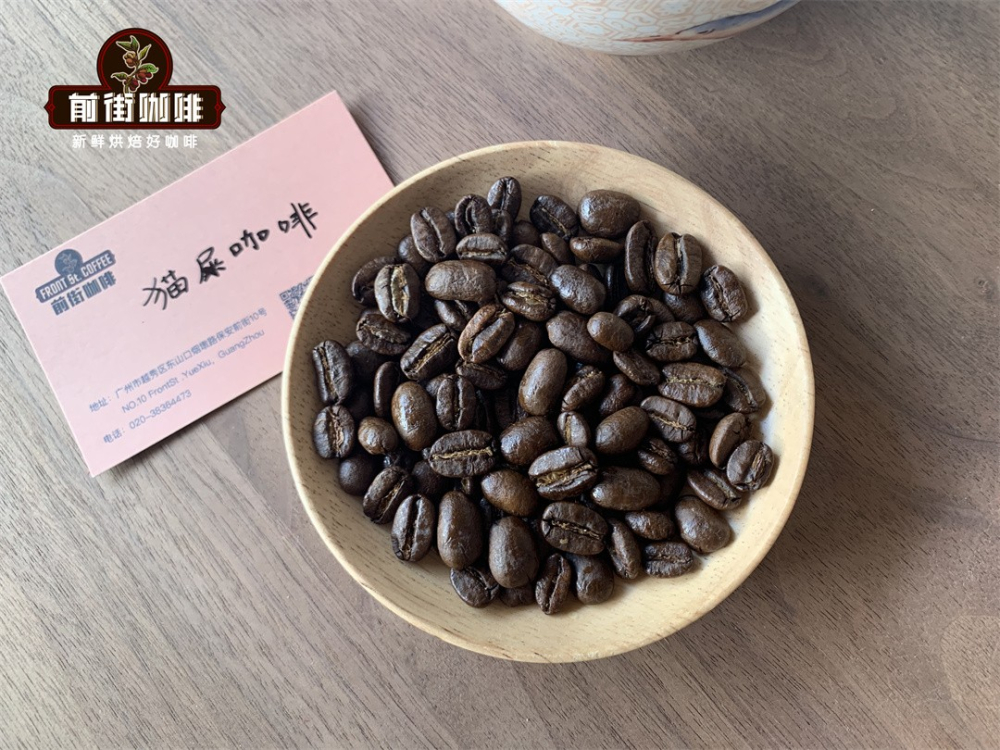
Even so, FrontStreet Coffee does not recommend drinking Kopi Luwak. As noted above, genuine Kopi Luwak is fine, but much of what's sold as Kopi Luwak isn't genuine. Coffee's effects are the same everywhere, and coffees from other origins taste excellent too. For example: Panama Geisha with its citrus notes, Ethiopian coffee with its floral and fruity flavors, Brazilian coffee with its nutty, peanut-like notes—all delicious. FrontStreet Coffee carries over fifty different beans from various origins to try. Kopi Luwak comes from Indonesia, and Indonesian Mandheling is also one of the most popular coffees at FrontStreet Coffee. FrontStreet Coffee has two Mandheling coffees: the daily-drinker Indonesian Lindong Mandheling, and the single-origin Golden Mandheling. Both taste excellent—especially the Golden Mandheling, with its clean, mellow nutty chocolate notes, which is deeply loved by coffee enthusiasts.
Brewing Guide

FrontStreet Coffee's brewing parameters for Kopi Luwak:
To better express Kopi Luwak's herbal notes and rich mouthfeel, FrontStreet Coffee's roaster uses a medium-dark roast. Medium-dark beans generally have a higher dehydration rate, so they weigh less. During brewing, the grounds don't fully sink to the bottom, and water is absorbed the moment it's poured. Vigorous degassing surrounds the grounds with bubbles and creates channels; the fresher the beans, the longer those channels persist, and the faster the water level drops.
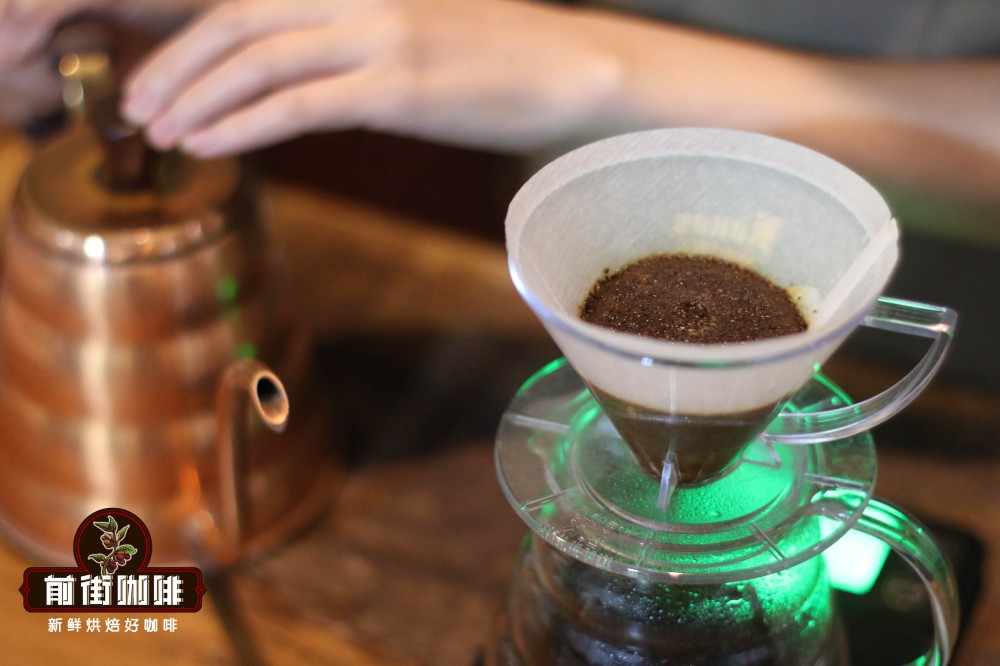
KONO dripper, 88°C water, 1:15 coffee-to-water ratio, 15g of grounds, grind size 75% pass-through rate on a #20 standard sieve, three-stage extraction.
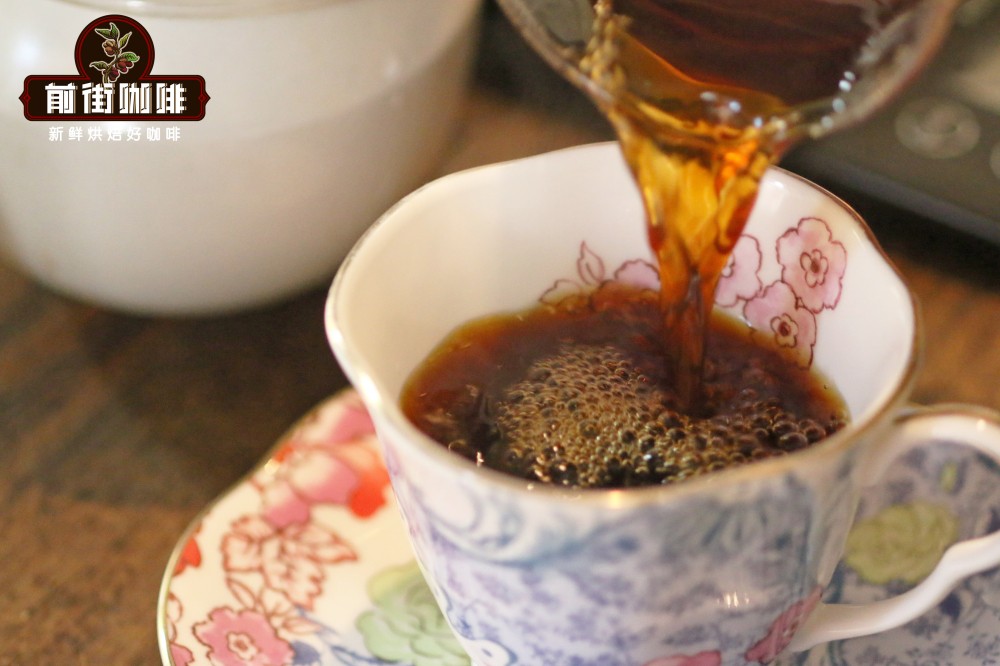
Using staged pours, bloom with twice the weight of the grounds in water—30g for 30 seconds. Blooming lets the grounds release trapped carbon dioxide, making the rest of the extraction more stable. Pour in small circles until you reach 125g, then continue to 225g and stop. Remove the dripper once the water has fully drained. Timed from the start of pouring, extraction is 2'00". Then lift the whole pot, swirl it to mix, and pour into cups for tasting.
Kopi Luwak flavor description: herbal, nutty, smooth texture, rich and mellow.
FrontStreet Coffee's Brewing Recommendations
To brew a delicious cup, FrontStreet Coffee believes bean freshness is a crucial part of the equation. FrontStreet Coffee ships beans roasted within 5 days. Its roasting philosophy is "freshly roasted good coffee," ensuring every customer who orders receives the freshest possible coffee. The resting period is about 4-7 days, so by the time the coffee arrives it is at peak flavor.
For those who need ground coffee, a friendly reminder from FrontStreet Coffee: once beans are pre-ground, no further resting is needed, because during shipping the pressure of carbon dioxide inside the packaging helps round out the flavor, so you can brew a cup as soon as it arrives. Ground coffee should be brewed promptly, though, because it oxidizes quickly in air and the flavor fades faster. FrontStreet Coffee therefore recommends buying whole beans and grinding fresh before brewing to appreciate the coffee at its best.
FrontStreet Coffee Recommendation
If the idea of an earthy, full-bodied Indonesian coffee appeals to you, FrontStreet Coffee's Mandheling lineup is a far better place to spend your money—no civets involved.
FrontStreet PWN Golden Mandheling
The top of the Mandheling range, sourced through Indonesia's PWN company. Only beans of 18 mesh and up are used, with fewer than 3 defects per 300g green sample, meeting the strictest G1 standard, then hand-sorted three times to remove every flaw. The result is a cleaner, sweeter cup than typical Mandheling—roasted medium-dark for a clean mouthfeel, full body, and plenty of toasted aroma, with low acidity that suits anyone who dislikes sour coffee.
FrontStreet Lindong Mandheling
From the traditional Lindong growing area around Lake Toba in North Sumatra, given a medium-dark roast to soften the acidity and draw out dark chocolate and caramel while preserving Mandheling's wild herbal character—clove, woody aroma, spice, mint, and a strong, lasting, full-bodied sweetness. Best brewed pour-over at 87-88°C, 15g of coffee, a 1:15 ratio, and a coarse-sugar grind.
FrontStreet Classic Blend
For anyone who wants that Mandheling richness in a milk drink, this espresso blend adds medium-dark Mandheling to Brazil's creamy nuttiness, making butter, roasted chestnut, and caramel notes stand out. The Mandheling lifts the body and contributes sandalwood, herbal, and spice notes, while a touch of Robusta boosts the crema—so it lattes and layers into a Dirty with ease.
Important Notice :
FrontStreet Coffee is a long-established specialty coffee roaster in Guangzhou China, selling freshly roasted beans from its own farm in Yunnan as well as dozens of carefully selected single-origin beans from around the world for both pour-over and espresso. The products deliver consistently excellent quality and great value, with shipping within 24 hours. Guangzhou's FrontStreet Coffee shop is recommended by many coffee lovers, and the beans are now available online at the Tmall 。
FrontStreet Coffee has moved to a new address:
FrontStreet Coffee Address: 315,Donghua East Road,GuangZhou
Tel:020 38364473
 Scan and follow the En Gafei WeChat official account. Please indicate that the reprint comes from "En Gafei".