Ethiopian Coffee Bean Story: Characteristics and Flavors of Yirgacheffe and Sidamo Heirloom Coffee Beans

Ethiopia is the world's largest coffee gene pool. As the birthplace of coffee, it counts nine premium producing regions and an extraordinary wealth of varieties, and each region grows coffee with its own distinct flavor. Below, FrontStreet Coffee walks through the details of Ethiopia's coffee regions.
1. Yirgacheffe Premium Coffee Region
Yirgacheffe is a famous coffee town within Sidamo, situated at 1700–2100 meters. The local climate is rainy but not humid, the air fresh and clean, and the coffee grown here carries remarkably rich natural flavors. FrontStreet Coffee's Yirgacheffe is a benchmark of premium East African coffee—its flavor is so distinctive that it has been classified as a category of its own.

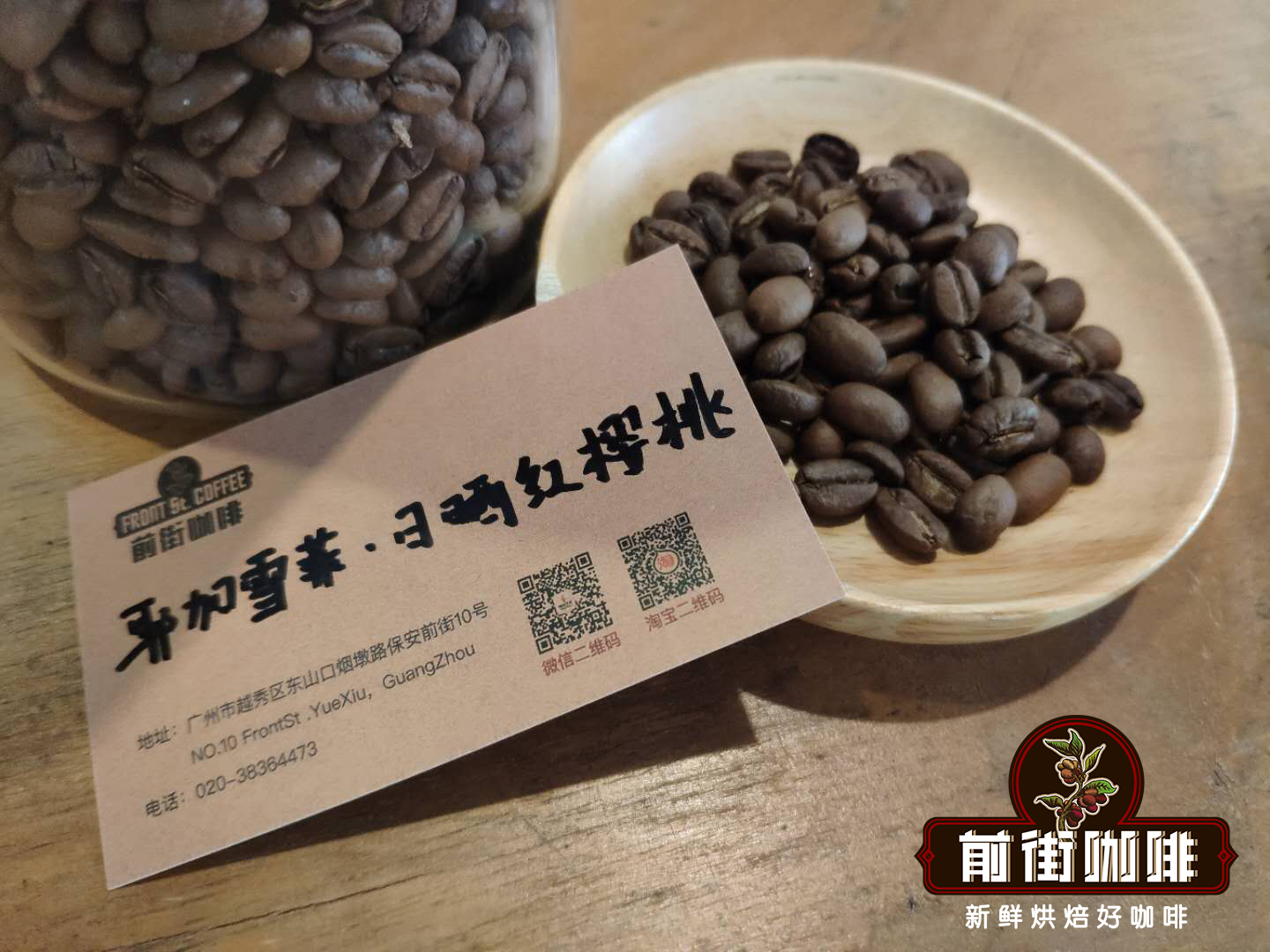
FrontStreet Coffee Yirgacheffe Sun-Dried Red Cherry
Region: Yirgacheffe
Processing Plant: Aletland
Altitude: 2300m
Variety: Local indigenous varieties
Processing Method: Natural processing
2. Sidamo Premium Coffee Region
The Sidamo region lies in southern Ethiopia and is one of the country's most important southern producing areas, with coffee grown at 1400–2200 meters. Diverse terrain combined with microclimates, fertile soil, and varied soil types creates uniquely layered cup profiles. FrontStreet Coffee's Sidamo tastes similar to its Yirgacheffe—celebrated for floral and citrus aromatics.
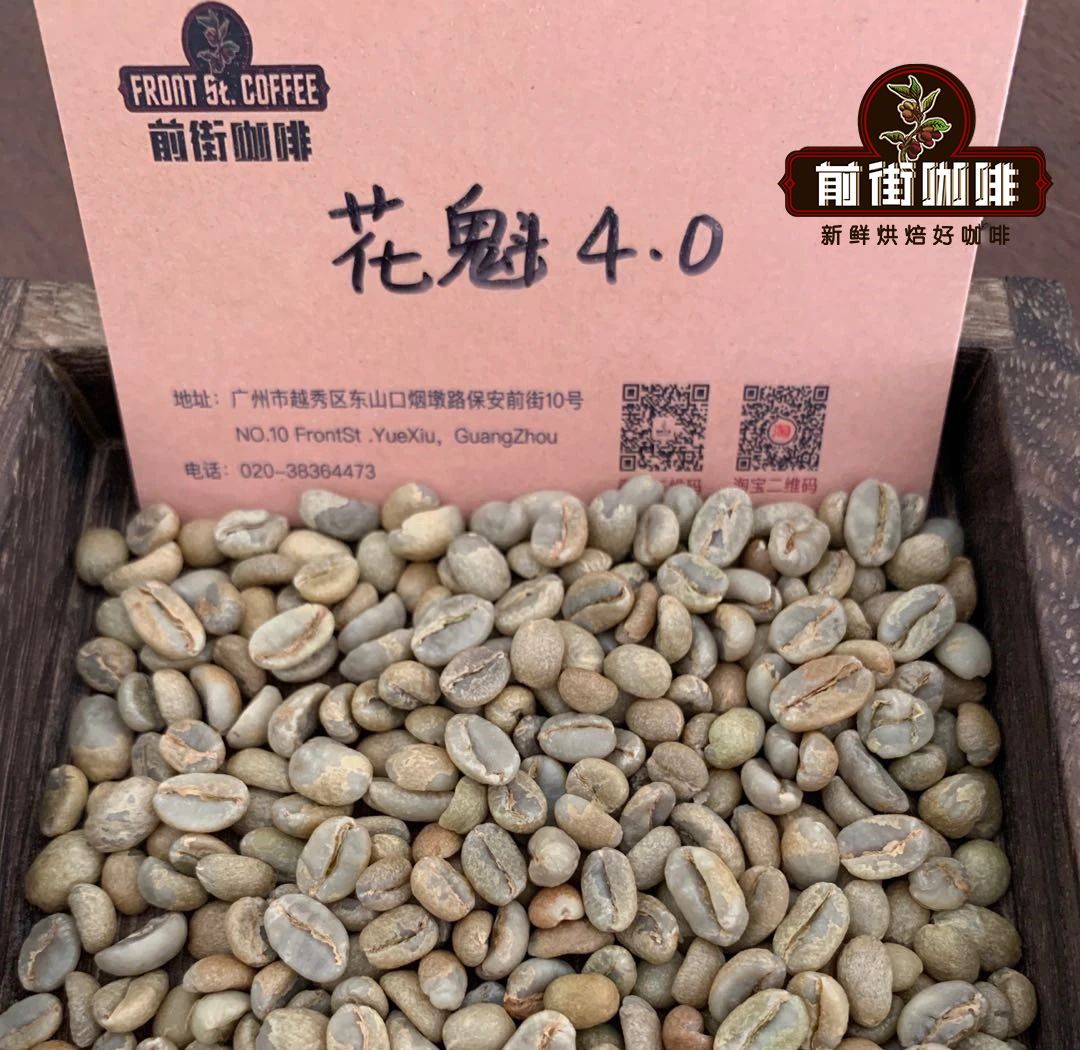
FrontStreet Coffee Sidamo Flower Queen 4.0
Region: Guji Hambella
Processing Plant: Buku Able
Altitude: 2350 meters
Variety: Dega
Processing Method: Natural processing
Guji Region
Guji was formerly part of Sidamo but was separated as its own producing region by the Ethiopia Commodity Exchange (ECX) in 2010. It lies southeast of Yirgacheffe, in terrain of towering mountains, valleys, and plains. The geology is fertile black Vertisol soil nearly two meters deep, at an average altitude above 1800 meters. The pronounced day-night temperature swings created by these geographic features give Guji every terroir condition needed for outstanding premium coffee.
Hambella sits within Guji, Ethiopia's largest coffee producing region, administratively part of Oromia. To its west, Hambella overlooks Yirgacheffe's Kochere across a highland barrier 3200 meters high and about 30 kilometers wide; to the southeast, north, and east it borders Guji's Shakiso, Uraga, and Kerche sub-regions respectively. It is Ethiopia's highest-altitude coffee sub-region (Harrar being the highest-altitude main region).

3. Harrar Premium Coffee Region
The Harrar premium region ranges from 1500 to 2400 meters. Because annual rainfall there is only 1000 millimeters and the climate is hot, dry, and desert-like, beans are almost always processed by the natural method. Most Ethiopian coffee grows in the west and south, making Harrar one of the few coffees produced in the east. Harrar is considered a strong coffee with quite singular flavor—bold and wild with fruity notes, famous for its distinctive "mixed aroma": a pleasant fermented complexity threaded with rich jasmine.
4. Limu Premium Coffee Region
The Limu premium region grows local indigenous Heirloom varieties, produced by local smallholder farmers at 1850–1900 meters, with the harvest running from October to February of the following year. Output is relatively small and goes mainly to European and American markets, where Limu is a popular coffee. Beans are processed three ways—natural, washed, and semi-washed—and the flavor carries a grassy fragrance, brown sugar aroma, and bright sandalwood fruit.

5. Djimmah Commercial Coffee Bean Region
The Djimmah commercial region grows coffee at 1350–1850 meters, with an irreplaceable wild acidity. Natural-processed Djimmah shows slight acidity and nutty fragrance with a long aftertaste; washed Djimmah lacks the citrus and florals of Yirgacheffe but offers excellent low-acidity coffee with a very clean, transparent profile reminiscent of Central American premium coffee. Commercial-grade Djimmah is common in Taiwan, and with luck you can find high-quality, affordable lots that reveal the fresh fragrance of lemon peel—a match for Sidamo. With annual production of 70,000 tons, Djimmah is Ethiopia's highest-producing coffee, accounting for one third of exports—arguably the most widespread mocha coffee in the world.
6. Illubabor Commercial Coffee Bean Region
The Illubabor commercial region lies southwest of Gimbi and is Ethiopia's westernmost coffee region, with coffee grown at 1350–1850 meters. Its coffee is rarely sold on its own name; most is shipped to Djimmah and sold in blends, so it does not count among the premium beans. Fruit acidity is relatively low, with good body and viscosity, balanced flavor, and overall good cleanliness.

7. Gimbi, Lekempti Commercial Coffee Bean Region
In the Gimbi and Lekempti commercial region, coffee grows at 1500–1800 meters. The beans resemble Harrar's long shape and are processed by both natural and washed methods, though natural dominates—earning the area the nickname "poor man's Harrar." The flavor shows obvious fruit acidity and fruit flavors, making it a common natural-processed bean in the American specialty trade.
8. Tepi, Bebeka Commercial Coffee Bean Region
Tepi coffee is grown at 1000–1900 meters and Bebeka coffee at 900–1200 meters. Western Tepi beans are noticeably larger, with heavier wild flavor but lower fruit acidity. The two regions sit close together, so their flavors differ little. Both have wild coffee with low production, and the coffee here is rarely used for specialty or single-origin lots.
9. Lake Tana Shore Alternative Region
This is called an alternative region because there are no dedicated plantations here—coffee trees simply grow scattered through forests and fields. Annual production is extremely small, under 10 tons, so it can hardly be called a region at all. Coffee grows at 1840 meters and has been called the most "divinely flavored" coffee in the world.
Ethiopia's most famous producing regions include Yirgacheffe, Sidamo, Limu, and washed Djimmah, and the flavors show real diversity. Anyone interested in Ethiopian premium beans should watch Yirgacheffe, Sidamo, Limu, and Harrar in particular: their coffees burst with citrus and floral aromas quite unlike Central and South American beans.

Overall, each region has its signature. Western beans from Tepi, Bebeka, and Illubabor, along with those from around Lake Tana in the northwest, are noticeably larger, wilder in flavor, and lower in fruit acidity. The central Limu and the central-southern Yirgacheffe and Sidamo offer rich fruit, floral aromas, and acidic fragrance at relatively stable quality. Eastern Harrar combines the wild character of the west with the fruity character of the center-south, though quality can vary widely.
What are Ethiopian native coffee varieties?
Ethiopia is the birthplace of Arabica coffee and home to thousands of natural varieties—99% of coffee's genetic diversity can be found within its borders. With so many varieties, identification and classification are difficult, and the Ethiopian government declines to publish variety information in order to protect its natural coffee. As a result, exported Ethiopian beans are often collectively labeled "Heirloom" native varieties.
Beyond the umbrella of native varieties, Ethiopia also uses more specific classifications, such as JARC, Dega, and Kurume.

JARC Varieties
JARC varieties were developed by the Jimma Agricultural Research Center, one of Ethiopia's federal agricultural research centers, with the aim of improving pest resistance and yields; there are about 40 in total, with 74110, 72112, and 74158 among the most outstanding.
74110, 74112, and 74158 were bred in the 1970s to resist Coffee Berry Disease (CBD). The "74" prefix indicates classification and selection in 1974; the last two digits are the experimental lot numbers.

The 74110 variety was selected in 1974 from the original "mother tree" in Bishari village, Metu province, Illuababora region, Oromia state. After studying its resistance to coffee berry disease and its overall yield, JARC released it in 1979. Its trees are short and compact with small leaves and fruits, and it is widely cultivated for its floral and citrus flavors. This variety took 2nd, 3rd, 8th, 12th, 17th, and 27th places in the 2020 COE.
The 74112 variety also originated in the Metu-Bishari forest and was likewise released in 1979 for its disease resistance and yield potential; its trees are also small and compact. Both varieties grow well in climates similar to those of their original mother trees.
The 74158 variety closely resembles 74110 but is not as widely cultivated, being distributed mainly in the Gera, Jimma, and Illuababora regions. It took 1st, 7th, and 11th places in the 2020 COE.
Dega
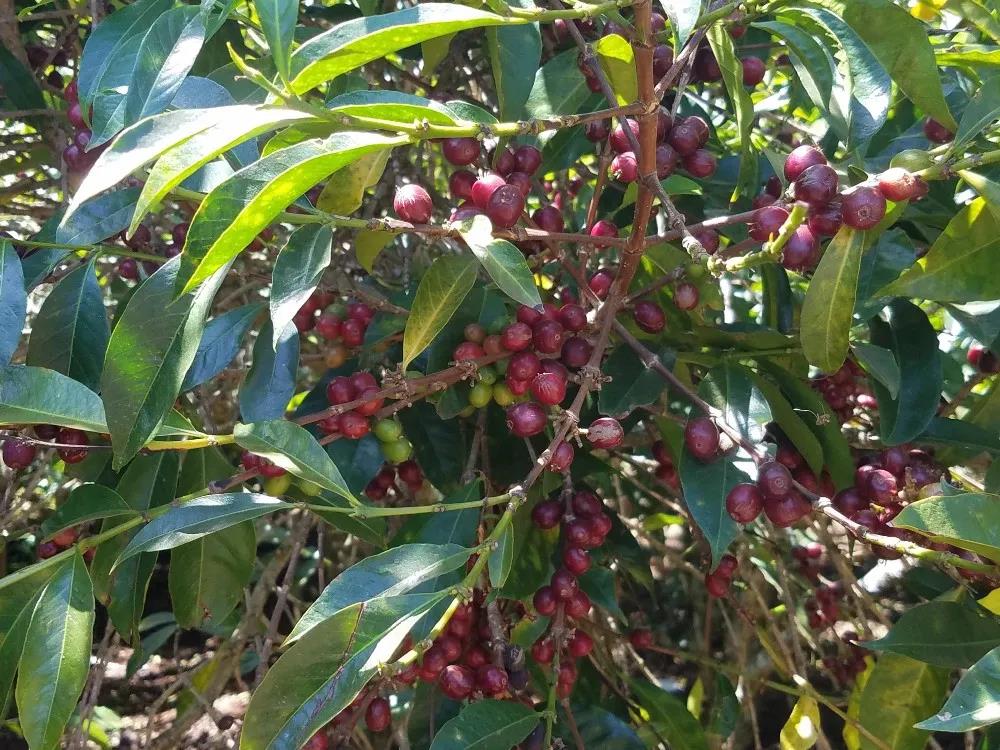
Dega is a local variety named after a native tree species whose wood gives off a sweet, fragrant aroma when burned—reminiscent of coffee roasting. In Amharic, "Dega" means "cool highland area," which aptly describes the agro-ecological conditions where the coffee grows. Dega also earned a fine 21st place in the COE.
Kurume
Kurume is one of the recognized local landraces of the Yirgacheffe area. It refers not to a single variety but to the coffee types that formed in the region over long periods under local climate and soil conditions. Kurume trees bear small fruits with high annual yields, rich sweetness, and abundant florals, and are commonly grown in Guji and Yirgacheffe. Sometimes, purely because the trees look alike, the name Kurume is also applied to JARC-selected varieties.
Processing Methods
Ethiopia relies mainly on natural and washed processing. The fundamental difference between them is whether the bean's flavor is influenced by the fruit pulp. In washed processing, quality fruits are selected, skinned and pulped, then soaked and fermented in water tanks before being dried to about 12% moisture. In natural processing, whole cherries are dried to about 12% moisture before the skin and pulp are removed. The degree of pulp involvement defines both processes: washed coffee better expresses the bean's original character—cleaner and more transparent—while natural processing layers extra aroma and sweetness on top.

FrontStreet Coffee Roasting Analysis
The hallmark of Ethiopian beans is rich fruit character. Take the Sidamo Flower Queen: FrontStreet Coffee roasts it light to showcase its splendid flavors, and because the beans are small they absorb more heat during roasting.
FrontStreet Coffee uses a Yangjia 800N with 550g of green beans input. Green coffee enters the drum at a furnace temperature of 200°C with the air damper set to 3.5. After 1 minute, heat is adjusted to 160°C, damper unchanged, then reduced to 140°C. At 5'18'' the temperature reaches 154°C, the bean surface turns yellow, the grassy smell completely disappears, and dehydration is complete. Heat drops to 105°C and the damper opens to 4. At the 8th minute the bean surface shows ugly wrinkles and black spots, the toast smell turns to coffee aroma—the prelude to first crack. At 8'37'' first crack begins; heat is adjusted to 80°C, the damper fully opens, and the beans discharge at 198.1°C.

FrontStreet Coffee Brewing Suggestions
FrontStreet Coffee uses a high water temperature and a fine grind size to fully extract the Flower Queen's rich layers, but to avoid over-extraction from the heat, it brews on a fast-flowing dripper such as the V60. The V60's 60-degree cone concentrates the coffee grounds, and the geometry draws the water flow toward the center, ensuring sufficient contact time between water and grounds. The spiral ribs inside the body run clockwise from bottom to top, creating space between filter paper and dripper for good water flow; combined with the large bottom opening, the flow rate is faster than many drippers.

FrontStreet Coffee's brewing parameters: V60 dripper, water temperature 90°C, ratio 1:15, 15g of coffee, grind size at 80% pass rate through a China #20 standard sieve.
FrontStreet Coffee uses segmented extraction: a bloom of twice the dose—30g of water for 30 seconds—then a small circular pour to 125g before pausing. When the water level drops and is about to expose the coffee bed, pour on to 225g and stop. Total extraction time, including the bloom, is 2 minutes.
FrontStreet Coffee Recommendation
Newcomers to Ethiopia should start with the classic FrontStreet washed Yirgacheffe daily coffee: white jasmine florals, bright citrus and lemon acidity, and a tea-like finish, all at a friendly price that has made it many drinkers' first specialty bean. Yirgacheffe itself is a small town in Sidamo province at 1700–2100 meters, with coffee planted above 1800 meters—among the highest coffee zones on earth. Its instantly recognizable white-floral and lemon-citrus character became so famous that in 2010 the Ethiopia Commodity Exchange separated it from Sidamo as a name in its own right.
Within Yirgacheffe, the standout is the FrontStreet washed Guodingding (Gottinger) Cooperative from the Worka area at the region's southeastern tip. Once part of a Worka cooperative under the Yirgacheffe Union (YCFCU), it was singled out by coffee hunters worldwide as traceability became the obsession. Washed in the most traditional way, it shows none of the old bitterness—just fresh, bright citrus and lemon acidity wrapped in jasmine fragrance.
For a natural-process take on the same region, the FrontStreet Sun-Dried Red Cherry uses only fully ripe, defect-free cherries, sorted at the Aletland plant and dried on raised beds, turned every 2–3 hours in the first days to prevent uneven heating and over-fermentation. After three to five weeks in the sun, the outer pulp is scraped off by machine before storage. Because the fruit dries on the bean, the cup keeps classic Yirgacheffe character while gaining tropical fruit: citrus acidity, berry-like juiciness, honeyed sweetness, and a cream-smooth texture. The FrontStreet brewing recipe: V60, 90–91°C, 15g of coffee, 1:15 ratio, grind at EK43s setting 10 / fine-sugar texture (80% through a #20 sieve)—30g of water for a 30-second bloom, then pour to 125g by about 1 minute, finish to 225g by about 1'35'', drawing down fully at 2'00''–2'10''.
Important Notice :
FrontStreet Coffee is a long-established specialty coffee roaster in Guangzhou China, selling freshly roasted beans from its own farm in Yunnan as well as dozens of carefully selected single-origin beans from around the world for both pour-over and espresso. The products deliver consistently excellent quality and great value, with shipping within 24 hours. Guangzhou's FrontStreet Coffee shop is recommended by many coffee lovers, and the beans are now available online at the Tmall 。
FrontStreet Coffee has moved to a new address:
FrontStreet Coffee Address: 315,Donghua East Road,GuangZhou
Tel:020 38364473
 Scan and follow the En Gafei WeChat official account. Please indicate that the reprint comes from "En Gafei".
![[FrontStreet Coffee Barista Notes] Strawberry Dripper: Should I Use Poured Extraction or Single-Pour?](https://en.gafei.com/uploads/allimg/190402/17-1Z4021H33YU-lp.png)