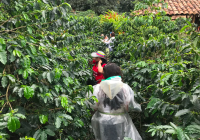
What are Pink Bourbon Coffee Beans? Huila Region Columbia Coffee Flavor Characteristics and Brewing Stories
For professional coffee knowledge exchange and more coffee bean information, follow Cafe Style (WeChat official account: cafe_style).
Pink Bourbon is a very rare coffee variety native to Colombia. FrontStreet Coffee's Pink Bourbon comes from the Huila region, one of the world's most famous coffee-producing areas. Interestingly, this Pink Bourbon was processed semi-washed rather than fully washed, so we cupped this semi-washed lot. It has berry acidity with a delicate floral aroma and is very refreshing. The distinctive cherry tomato flavor is very prominent, with exceptionally high honey-like sweetness and a juice-like mouthfeel, which makes FrontStreet Coffee fall for this Pink Bourbon every time.
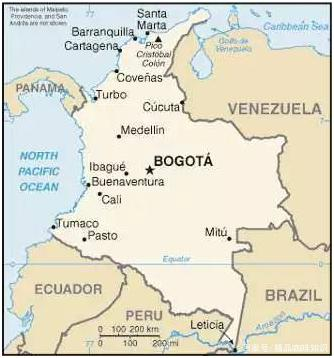
Colombia is the world's third-largest coffee exporter and produces mostly Arabica; it is also the country that exports the most Arabica beans. Rich in natural resources, Colombia counts coffee, flowers, gold, and emeralds among its "four treasures." Located in the northwest of South America, it borders Panama in Central America. Seen from the air, its western side looks as if it were scratched by a cat, leaving three vertical claw marks running north to south. The country's famous producing regions are scattered through these Andes Mountains, on fertile volcanic soil.
In 1808, a priest first introduced coffee to Colombia from the French Antilles by way of Venezuela. Today the country is the second-largest coffee producer after Brazil, the world's largest exporter of Arabica coffee beans, and the world's largest exporter of washed coffee beans. Colombian coffee is often described as having a silky-smooth mouthfeel. Among all coffees it has the best balance, with a soft, smooth taste you can enjoy at any time. It has earned praise no other coffee can match: it is known as "green gold."
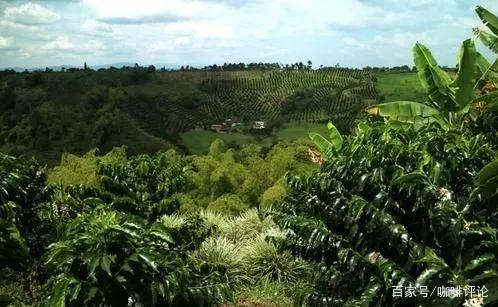
Huila
Huila Province lies in the southern part of the central mountain range in southern Colombia and is the country's most famous specialty coffee-producing region. Surrounded by mountains, it is hilly terrain with cultivation altitudes above 1,500 meters, and the most important rivers in Colombia converge here, bringing abundant water and moisture.
Contrary to the general impression of balanced, smooth Colombian commercial coffee, many small-farm micro-batch Colombian specialty coffees actually have distinct regional characteristics. In recent years, as the international market has emphasized quality and demanded specialty coffee, there has been a gradual shift away from the original grading system based on bean size, toward micro-regional selections from smallholders. Dozens of small farmers contribute their individual harvests to form a micro-batch, which offers more opportunity to directly select excellent smallholder coffees through batch-by-batch cupping.
Pink Bourbon was first cultivated in the Huila region. Initially it was planted mixed with other Bourbon and Caturra varieties, and later harvested and processed separately. When ripe, the cherries display a romantic pink color, but maintaining it is extremely difficult, because the final color of the coffee fruit is determined by recessive genes in the pollen grains. Among the pollen grains selected for hybridization, there are both yellow genes tending toward Yellow Bourbon and red genes tending toward Red Bourbon, all recessive genes that easily interfere with each other. That is why Pink Bourbon is considered a very rare variety.
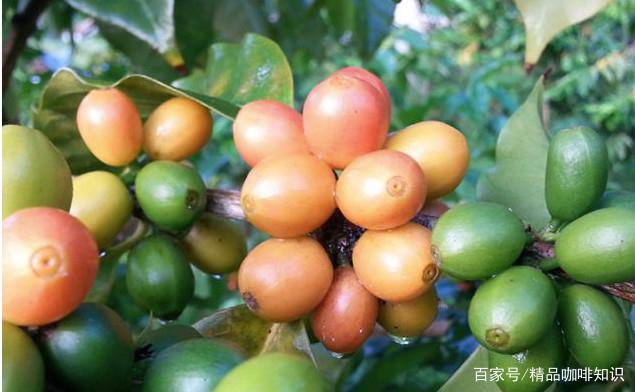
Pink Bourbon Variety
Pink Bourbon, as the name suggests, has cherries that turn a romantic pink when ripe. It is a very rare new variety, cultivated by crossing Red Bourbon and Yellow Bourbon. It is considered rare mainly because maintaining that beautiful pink is extremely difficult; sometimes orange Bourbons are harvested instead, since the final color is determined by recessive genes in the pollen grains. Among the pollen grains selected for hybridization there are both yellow genes tending toward Yellow Bourbon and red genes tending toward Red Bourbon, all recessive and prone to interfering with one another.
Pink Bourbon can currently be found in Colombia and Guatemala. Taking this batch as an example, there are approximately 1,800 coffee trees, each producing about 1.8 kg of fresh fruit per harvest season. After pulp removal, about 0.36 kg of coffee beans is obtained. In a normal harvest season, the total production of this coffee is less than 650 kg.
Coffee Bean Processing Method
Semi-Washed Method
Step 1: Harvesting. The berries can be picked by hand or by machine.
Step 2: Selection. Berries are hand-sorted or sorted in large water tanks to filter out bad fruit.
Step 3: Pulping. While the berries are still on the farm, washing and cleaning are completed and a small hand-operated machine is used for pulping - simply put, removing the pulp.
Step 4: Washing. The beans are placed in baskets and soaked in water for 1-2 hours, then rubbed against each other to remove mucilage. Some pulp remains on the beans, which helps enhance flavor.
Step 5: Partial drying. The washed beans are spread out to dry to reduce excess moisture.
Step 6: Collection. The beans now leave the farm and are transported to the processing station.
Step 7: Continued drying. The washed beans are spread on waterproof tarps to dry further. This takes 1-5 days, depending on the weather.
Step 8: Hulling. The beans are hulled to remove all dried mucilage and parchment at once.
Step 9: Final drying. The beans are returned to the drying yard to continue drying and to be turned, then sorted and bagged, ready for transport.
Representative Coffee Beans
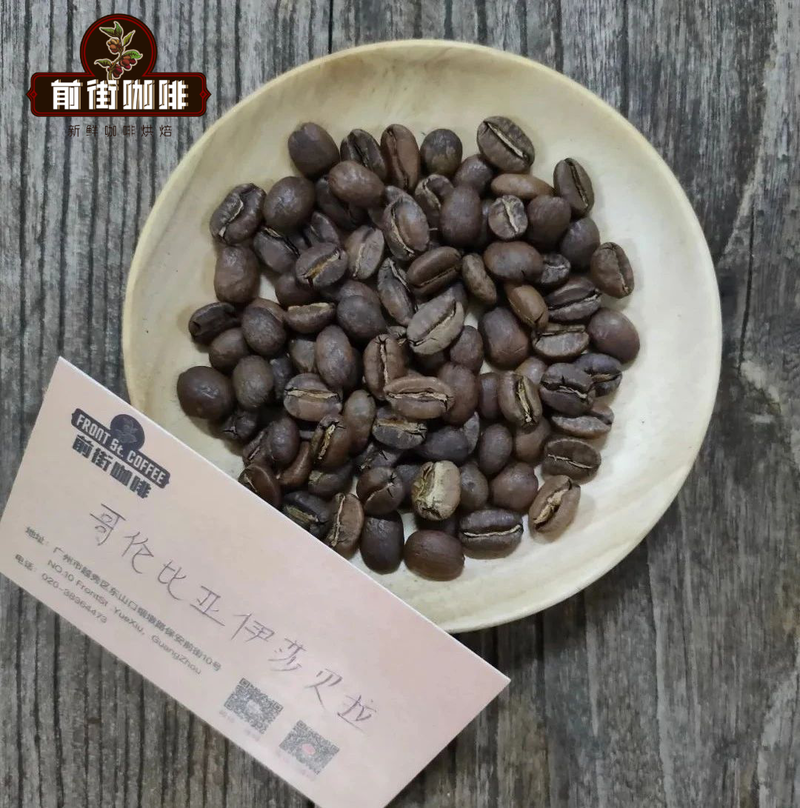
FrontStreet Coffee Colombian Isabella Coffee Beans
Colombian Huila Isabella Coffee Beans
Country: Colombia
Region: Huila
Variety: Pink Bourbon
Processing Method: Semi-Washed
Altitude: 1760 m
Roasting Suggestions
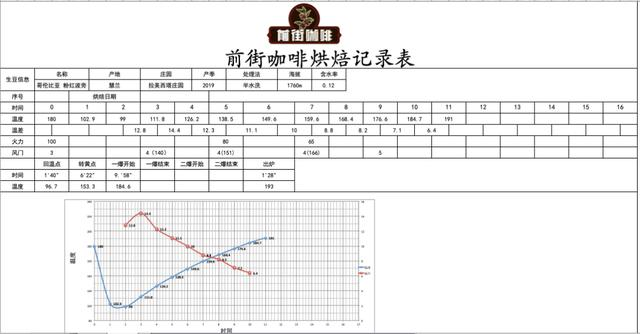
Preheat the roaster to 180 degrees C, open the damper to 3, with heat at 120; return temperature at 1'42", and when the drum temperature reaches 140 degrees C, keep the heat level and open the damper to 4. At this point the bean surface turns yellow, the grassy aroma disappears completely, and the roast enters the dehydration stage. At 176 degrees C, reduce heat to 100; at 180 degrees C, reduce heat to 70, keeping the damper unchanged.
At 8'17", ugly wrinkles and black markings appear on the bean surface and the toast aroma clearly transforms into coffee aroma, which can be defined as the prelude to first crack. At this point, listen carefully for the sound of first crack. First crack begins at 9'30"; adjust the damper to 5 (adjust the heat very carefully - not so low that the crackling stops) and develop for 1'30" after first crack, then discharge at 191.5 degrees C.
Cupping Results
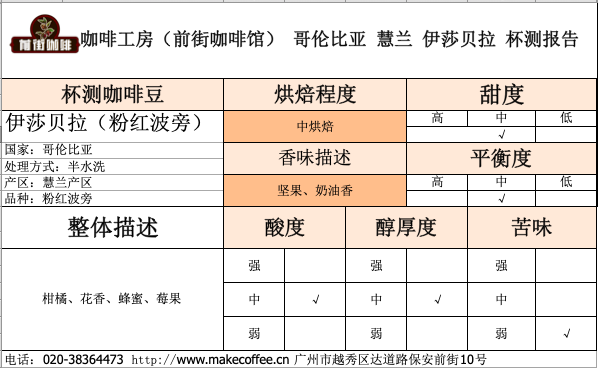
FrontStreet Coffee Colombian Isabella Cupping Results
Recommended brewing method: pour-over
Dripper: Hario V60
Water temperature: 90 degrees C
Dose: 15 grams
Coffee-to-water ratio: 1:16
Grind size: medium-fine (BG 6k: 80% pass-through rate on a Chinese standard #20 sieve)
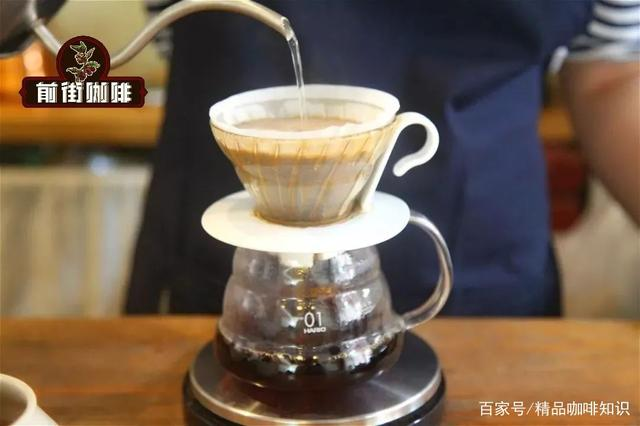
Brewing technique: segmented extraction
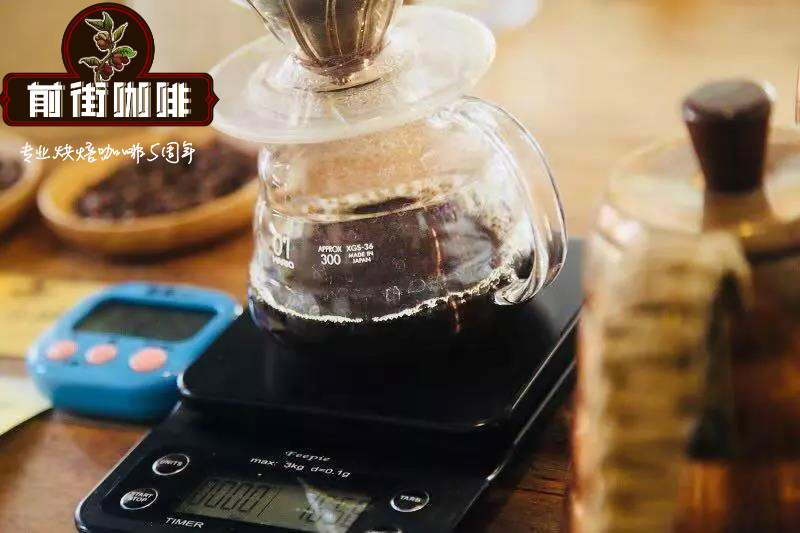
FrontStreet Coffee Brewing Colombian Isabella Coffee
Use 34 g of water for a 40-second bloom. Pour with a small stream in a circular motion to 127 g to create a segment. When the water level drops and is about to expose the coffee bed, continue pouring to 240 g and stop. When the water level drops to just before exposing the bed, remove the dripper (timing starts from the bloom). Extraction time is 2'00".
Brewing flavor: the entry reveals citrus, berries, and cherry tomato. As the temperature changes, there is honey-like sweetness, and the aftertaste carries floral notes. The mouthfeel is smooth and clean.
END
FrontStreet Coffee Recommendation
Rare varieties like Pink Bourbon are a pleasure to explore, but a dependable Brazilian base is just as valuable to keep on hand. The FrontStreet Brazil Cerrado Red Bourbon is a classic Brazilian single origin: Cerrado is a well-known producing region prized for high-quality beans, and this Red Bourbon, roasted medium, delivers rich cream, peanut, toast, caramel, and hazelnut aromas with a rounded, low-acid cup and a slight bitter note. It works for pour-over, moka pot, espresso SOE, siphon, and French press alike.
For a fruitier Brazilian option, the FrontStreet Brazil Queen Estate comes from Mogiana, near South Minas, where fertile red volcanic soil lets the cherries absorb ample nutrients and build full aroma. Its rare Yellow Bourbon is a mutation of Red Bourbon with a cleaner fruit character; whether brewed by pour-over, moka pot, or home machine, it shows the sugarcane sweetness no other region has, along with fruit and chocolate.
And if you want these Brazilian flavors in an espresso blend, FrontStreet Coffee's espresso series leans heavily on Brazil. The classic blend's rich crema, FrontStreet Coffee's Premium Blend's concentrated nuts, and the even, approachable Black Cocoa Blend all contain Brazilian beans, which supply the chocolate and cream aroma and a soft, balanced sweet-sour-bitter profile that also makes extraction more stable.
Important Notice :
FrontStreet Coffee is a long-established specialty coffee roaster in Guangzhou China, selling freshly roasted beans from its own farm in Yunnan as well as dozens of carefully selected single-origin beans from around the world for both pour-over and espresso. The products deliver consistently excellent quality and great value, with shipping within 24 hours. Guangzhou's FrontStreet Coffee shop is recommended by many coffee lovers, and the beans are now available online at the Tmall 。
FrontStreet Coffee has moved to a new address:
FrontStreet Coffee Address: 315,Donghua East Road,GuangZhou
Tel:020 38364473
 Scan and follow the En Gafei WeChat official account. Please indicate that the reprint comes from "En Gafei".