
Pache Coffee Variety Introduction: How to Drink and Brew Guatemala New Oriente Pache Coffee
Professional coffee knowledge exchange. For more coffee bean information, please follow Coffee Workshop (WeChat public account: cafe_style).
As a country with numerous volcanoes, Guatemala possesses exceptionally favorable conditions for coffee cultivation, resulting in coffee of considerable quality from this nation. Guatemalan coffee features a unique smoky flavor, which is a major characteristic that distinguishes Guatemalan coffee. At the same time, it has bright fruit acidity and fruity aromas. FrontStreet Coffee believes that such coffee is truly worth trying.
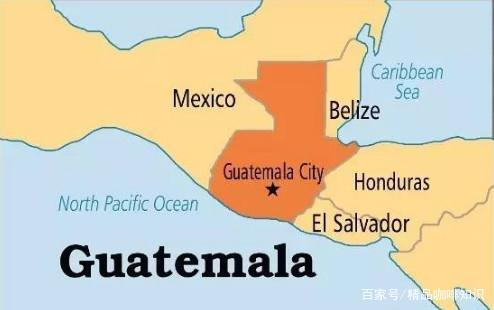
New Oriente
With abundant rainfall and perennial shade from clouds, the climate is similar to that of the Cobán rainforest producing region. Formerly a volcanic area, the soil contains metamorphic rocks. The minerals in the soil are balanced by the large amount of metamorphic rock. Coffee cultivation here is also quite different from typical Guatemalan volcanic regions. New Oriental coffee grows in volcanic soil, but there is no volcanic activity during its growth period.
New Oriente is Guatemala's newest coffee producing region, characterized by aromatic qualities, noticeable acidity, and quite good texture.
Bean Information
Little Blueberry Estate is quite a formidable estate in Guatemala, having achieved third and fifth place in last year's COE competition. The Pache variety is also quite rare - it's a natural mutation of Typica. This bean performs particularly well in terms of sweetness and balance.
Pache
Pache is a Guatemalan Typica variant discovered at Finca El Brito. It exists in two different forms: Pache Comum and Pache Colis. Both grow well, thriving at altitudes between 3,500 to 6,500 feet. The natural mutation of the Typica variety is associated with a single gene, resulting in smaller plants (dwarfing), which allows for denser planting and higher yields. This variety was discovered in 1949 at the Brito farm in Santa Cruz Naranjo, Santa Rosa, Guatemala. From there, it was selected through quality selection, meaning a group of individuals was chosen based on their superior performance, seeds from these plants were bulked to form a new generation, and then the process was repeated. Large-scale selection was carried out on private farms in Guatemala and from there spread to other regions and countries.
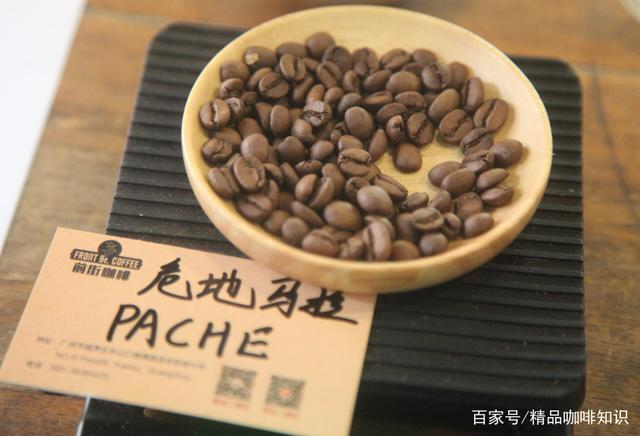
Guatemala El Morito Pache
Little Blueberry Estate Pache from Guatemala
Country: Guatemala
Region: New Oriente
Altitude: 1550-1800M
Processing: Natural processing
Grade: SHB
Variety: PACHE
FrontStreet Coffee recommended brewing method: Pour-over
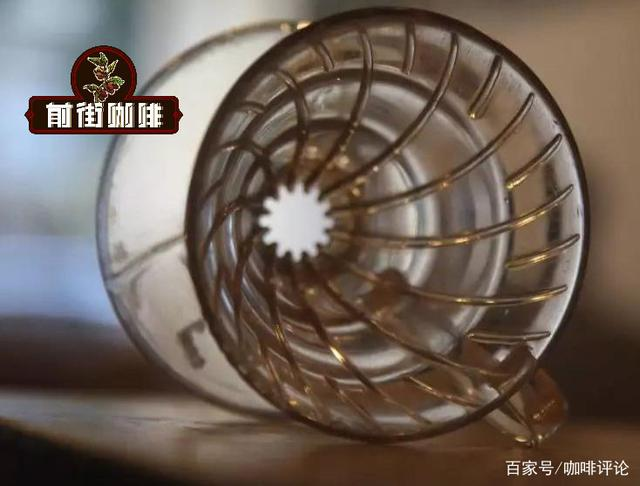
Hario V60 Brewing Parameters
Dripper: Hario V60
Water Temperature: 90°C
Coffee-to-Water Ratio: 1:15
Grind Size: BG 6L (80% pass-through rate on China standard #20 sieve)
Brewing Technique: Bloom with 28g of water for 30 seconds. Pour to 127g in stages. When the water level drops and is about to expose the coffee bed, continue pouring to 225g and stop pouring. When the water level drops and is about to expose the coffee bed, remove the dripper. (Timing starts from bloom) Extraction time is 1 minute 50 seconds.
Flavor: When grinding, you can smell rich nutty and spicy aromas along with some light fermented berry notes. When hot, the entry is quite balanced, carrying some fermented fruit flavors and genmaicha tea notes, with nutty and almond flavors. As the temperature cools, it reveals citrus, berries, and the sweet-tart of ripe fruits, with a persistent sucrose aftertaste. Overall, it's quite sweet and balanced.
The Origami dripper has many relatively deep longitudinal grooves on the sides, with a large drainage hole at the bottom, which makes its flow rate tend to be faster. Additionally, the Origami dripper is made of ceramic, so its thermal conductivity and heat retention are quite good. Today, the editor paired it with flat-bottom filter paper. Because the filter paper bottom is flat, the coffee grounds can be evenly distributed on the filter paper bottom after being poured in, resulting in more even extraction during brewing and more uniform water flow.
Parameters & Technique
Water Temperature: 89°C; Medium-fine grind (BG 5Z: 54% pass-through rate on China standard #20 sieve); Coffee-to-water ratio 1:15;
Bloom with 36g of water for 30 seconds. Pour to 125g in stages. When the water level drops and is about to expose the coffee bed, continue pouring to 227g. When the water level drops and is about to expose the coffee bed, remove the dripper. (Timing starts from bloom) Extraction time is 1'42"
Flavor: There's a light fermented aroma, with cream, berries, nuts, dried apricots, and almond flavors. The mouthfeel is quite rich and full-bodied.
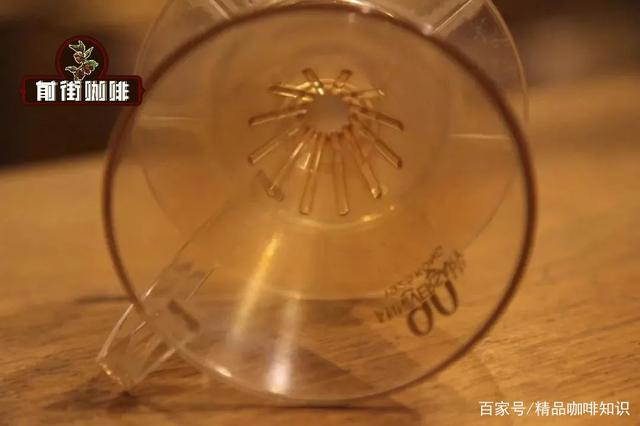
KONO Dripper
The KONO dripper's ribs are relatively short, stopping at less than half the dripper's height. This design is mainly to ensure that during the dripping process, the filter paper can cling tightly to the dripper wall after absorbing water. This restricts the dripper's exhaust space, naturally limiting air flow, slowing the flow rate, and allowing the coffee grounds to spend a significant amount of time steeping. This increases the water absorption time of the coffee ground particles, resulting in more balanced extracted coffee and less likely to cause under-extraction.
Parameters & Technique
Water Temperature: 89°C; Medium-fine grind (BG 6M: 48% pass-through rate on China standard #20 sieve); Coffee-to-water ratio 1:15;
Bloom with 32g of water for 30 seconds. Pour to 122g in stages. When the water level drops and is about to expose the coffee bed, continue pouring to 225g. When the water level drops and is about to expose the coffee bed, remove the dripper. (Timing starts from bloom) Extraction time is 1'48"
Flavor: It smells of light fermented aroma and sandalwood fragrance, with soft berry acidity, and flavors of cream, nuts, and chocolate. Overall quite balanced.
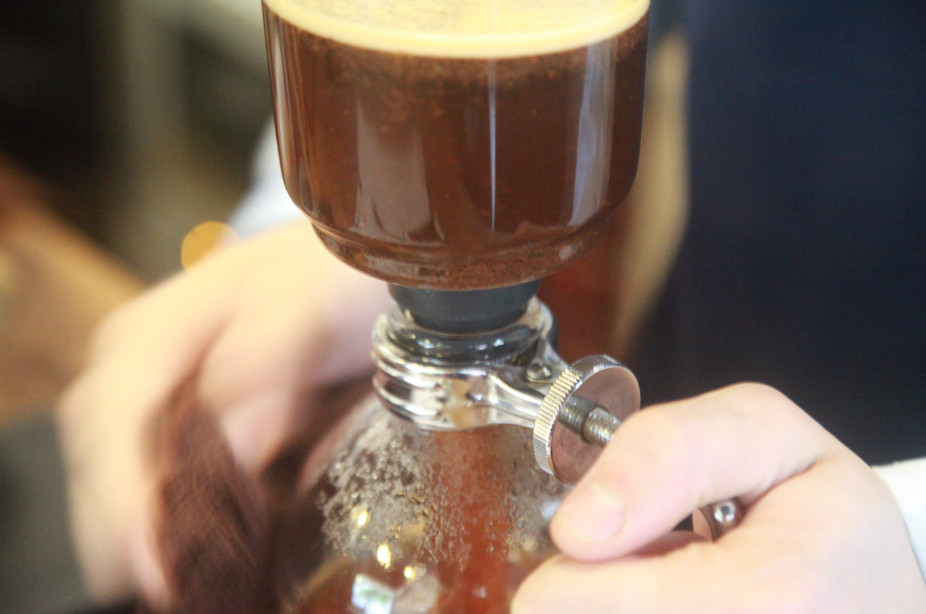
Siphon Brewer
The main principle of coffee extraction with a siphon brewer is achieved through pressure difference. First, heat the water in the lower chamber to boiling, then insert the upper chamber, causing the lower chamber to enter a high-pressure state. Due to the pressure difference between the lower and upper chambers, hot water rises to mix with the coffee grounds in the upper chamber for extraction. After the extraction process ends, remove the heat source from the lower chamber, causing an instantaneous reduction in pressure difference between the lower and upper chambers. The siphoning effect between the upper and lower chambers will cause the coffee extract to flow back to the lower chamber. If you want to speed up the return flow of coffee extract, you can wipe the lower chamber with a wet cloth, which can make the pressure difference between the upper and lower chambers smaller, making the coffee extract return flow faster.
Parameters & Technique
Coffee Amount: 15g; Water Temperature: 88°C; Medium-fine grind (BG 6M: 48% pass-through rate on China standard #20 sieve); Coffee-to-water ratio 1:12;
Pour 183g of water into the lower chamber. When the water temperature reaches 88°C, pour in the coffee grounds and stir ten times to ensure full contact between coffee grounds and water. When steeping for 30 seconds, stir five times to increase extraction of the coffee grounds. At 1 minute, remove the heat source and stir. (Timing starts from adding coffee grounds) Extraction time is 1'20"
Flavor: There's a distinct fermented aroma, with entry flavors of berries, dried fruits, chocolate, cream, nuts, and sucrose. Both sweetness and balance are quite apparent.
END
FrontStreet Coffee is a long-established specialty coffee roaster in Guangzhou China, selling freshly roasted beans from its own farm in Yunnan as well as dozens of carefully selected single-origin beans from around the world for both pour-over and espresso. The products deliver consistently excellent quality and great value, with shipping within 24 hours. Guangzhou’s FrontStreet Coffee shop is recommended by many coffee lovers, and the beans are now available online at the Tmall 。
Important Notice :
前街咖啡 FrontStreet Coffee has moved to new addredd:
FrontStreet Coffee Address: 315,Donghua East Road,GuangZhou
Tel:020 38364473

- Prev

Papua New Guinea Bird of Paradise Coffee Beans Sigri Estate Coffee Bean Variety Flavor Description
For more professional coffee knowledge and coffee bean information, please follow Coffee Workshop (WeChat public account: cafe_style). Single-farm Ethiopian coffee beans are rare in the market. Therefore, we feel particularly honored to share this micro-lot from the Guji region. In the past, Guji
- Next

What is Cold Brew Coffee? How to Make It, Flavor Profile, and Which Coffee Beans Are Best?
For more professional coffee knowledge and coffee bean information, please follow Coffee Workshop (WeChat public account: cafe_style) What is cold brew coffee? And how is it different from iced coffee? 1. What's the real difference between iced coffee and cold brew coffee? Simply put, iced coffee is made by cooling hot coffee, while cold brew coffee
Related
- How to make bubble ice American so that it will not spill over? Share 5 tips for making bubbly coffee! How to make cold extract sparkling coffee? Do I have to add espresso to bubbly coffee?
- Can a mocha pot make lattes? How to mix the ratio of milk and coffee in a mocha pot? How to make Australian white coffee in a mocha pot? How to make mocha pot milk coffee the strongest?
- How long is the best time to brew hand-brewed coffee? What should I do after 2 minutes of making coffee by hand and not filtering it? How long is it normal to brew coffee by hand?
- 30 years ago, public toilets were renovated into coffee shops?! Multiple responses: The store will not open
- Well-known tea brands have been exposed to the closure of many stores?!
- Cold Brew, Iced Drip, Iced Americano, Iced Japanese Coffee: Do You Really Understand the Difference?
- Differences Between Cold Drip and Cold Brew Coffee: Cold Drip vs Americano, and Iced Coffee Varieties Introduction
- Cold Brew Coffee Preparation Methods, Extraction Ratios, Flavor Characteristics, and Coffee Bean Recommendations
- The Unique Characteristics of Cold Brew Coffee Flavor Is Cold Brew Better Than Hot Coffee What Are the Differences
- The Difference Between Cold Drip and Cold Brew Coffee Is Cold Drip True Black Coffee