Top 10 World's Best Coffee Rankings: Famous Premium Coffee Brands and What Makes Them Exceptional
Coffee beginners just starting their journey often don't know how to choose. The specialty coffee market offers an overwhelming variety of options — on FrontStreet Coffee's online store alone there are over 200 different coffee beans from various regions and estates, with more than 50 varieties available in the physical store, not counting the many beans never listed at all. As a result, some beginners search for coffee brand rankings to guide their purchases, assuming that highly-ranked brands must offer good coffee. FrontStreet Coffee believes this isn't necessarily so, and in this article we teach novice enthusiasts how to choose coffee beans instead.

How Should Coffee Beans Be Selected?
Why does FrontStreet Coffee say highly-ranked brands don't necessarily offer good coffee? Because everyone's taste preferences differ. For single-origin beans, look at origin, altitude, and processing method; for espresso blends, look at the blend formula. Brand rankings are merely a reference.
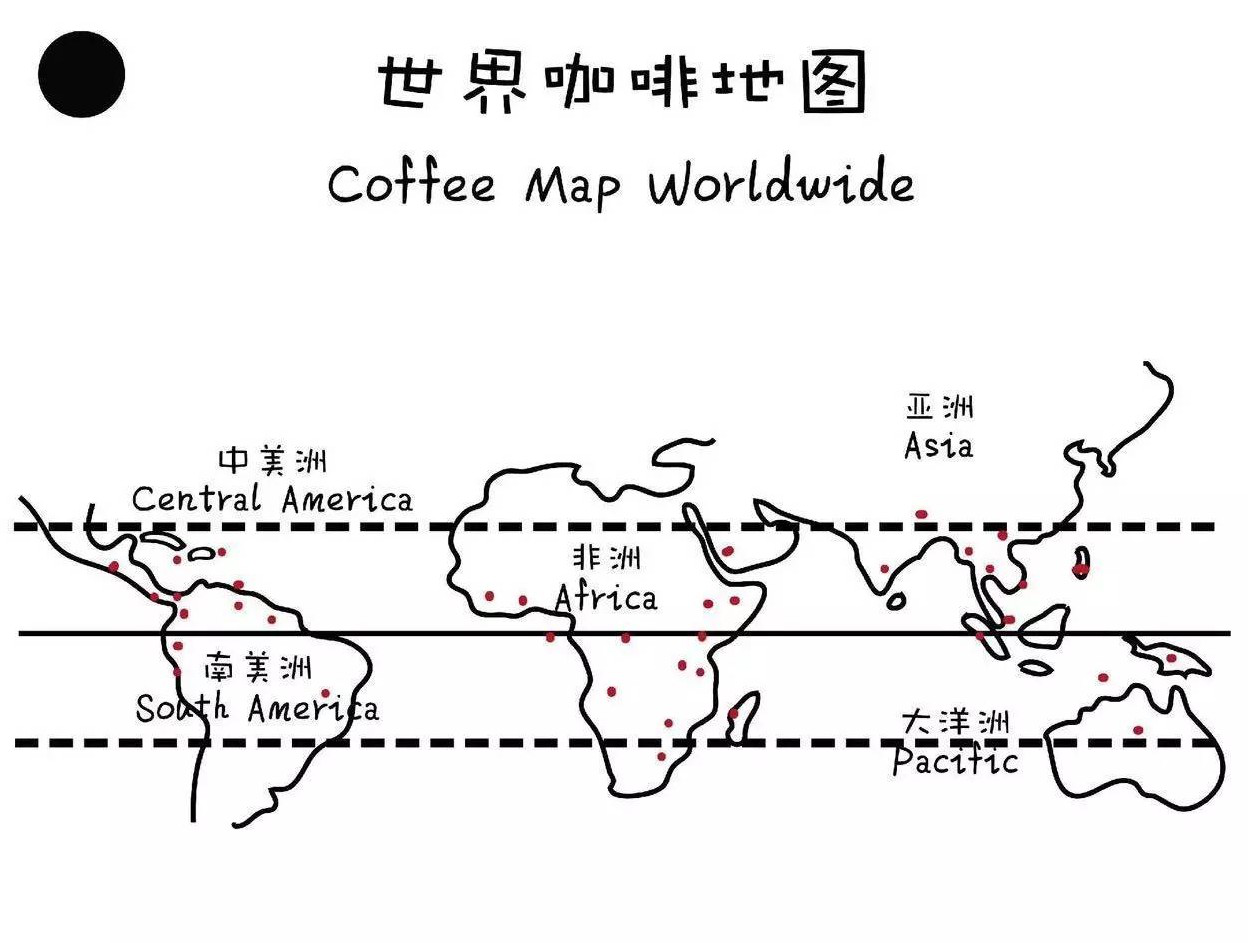
Coffee flavors fall broadly into three major regional profiles: African, Asian, and Latin American. The classification arises from each region's different climates, soils, and geography. African coffee beans are characterized by distinctive lemon, citrus, berry, and floral notes, with Ethiopia and Kenya as representative countries.
Latin American coffee beans are marked by a clean taste with citrus, nut, or chocolate notes and excellent balance. Because coffee in the Americas was cultivated artificially later in history, its quality level is relatively high with good balance — Brazil and Colombia are the representative countries.
Asian coffee beans feature black tea notes, chocolate, nuts, herbal flavors, and rich body; Indonesia is the representative country.
Even within each continent, different countries, regions, and even specific areas have varying climates, so beans from the same country can taste different. But the three continental profiles are quite distinct, and countries within each continent don't deviate far from these regional characteristics. Beginners can therefore choose along these lines: those who enjoy bright acidity may prefer African beans, those who like rich body may choose Asian beans, and those who enjoy balanced sweet-sour-bitter with nut and cocoa notes may select Latin American beans.
Next, FrontStreet Coffee introduces ten of the most representative world-renowned coffees. Choose among them based on the flavor profiles above to avoid disappointment — even excellent acidic coffee will be unpleasant to someone who dislikes bright acidity. Always follow your own taste.
1. Yirgacheffe Coffee Beans
Yirgacheffe beans from Ethiopia may be Africa's most representative coffee. Yirgacheffe sits on the eastern edge of the East African Rift Valley, with complex topography and an altitude of 1800-2000m, making it one of Ethiopia's highest-altitude coffee-growing regions. Lake Abaya lies to the west, and the area — historically a wetland with abundant water resources — provides excellent conditions for its washing stations.
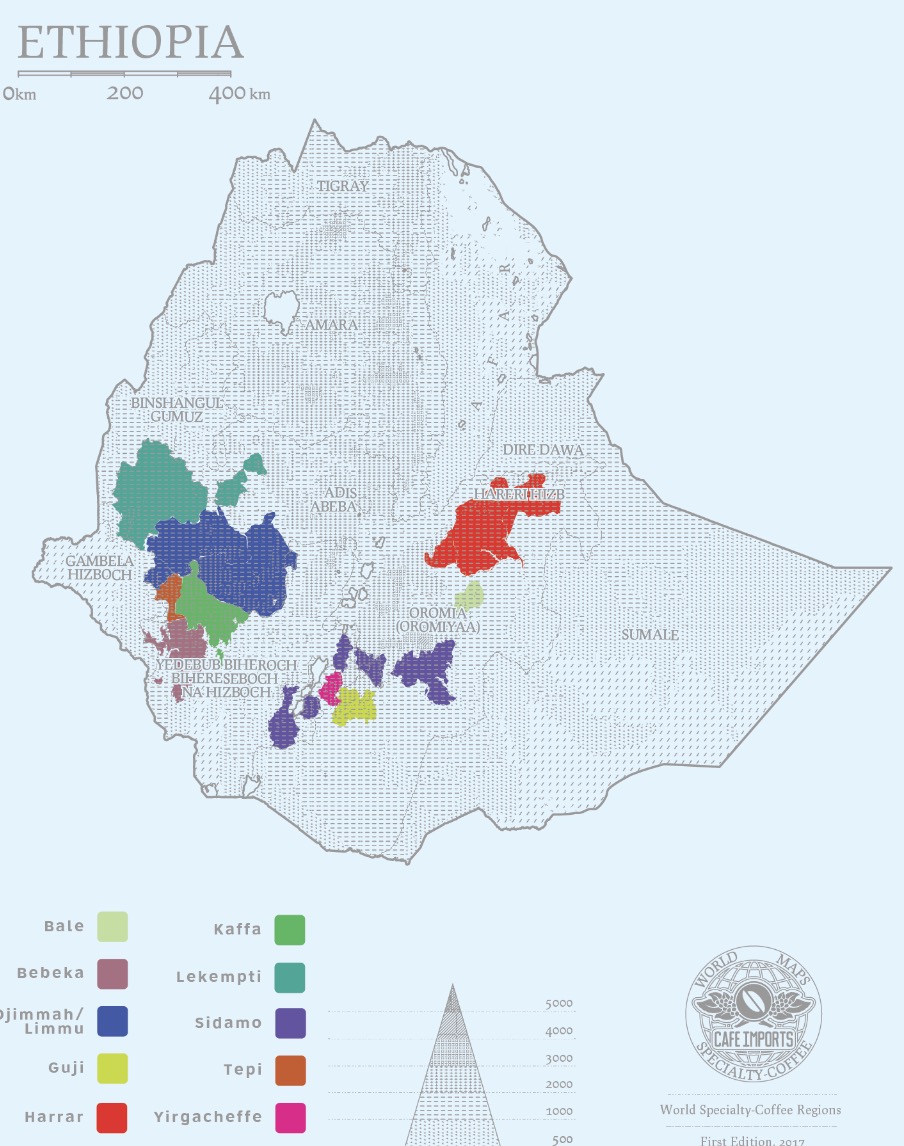
According to FrontStreet Coffee, the famous Yirgacheffe is actually a small town in southern Ethiopia. It originally belonged to the Sidamo region but became an independent representative producing area thanks to the establishment of washing stations, which allowed it to develop its distinctive "Yirgacheffe flavor" and gain prominence throughout the coffee world.
Ethiopia's altitude is generally high with abundant sunshine, ideal for drying coffee cherries in the sun. Initially, Yirgacheffe was known mainly for natural-processed coffee. Traditional natural processing simply spread cherries on the ground to dry without sorting or flotation, resulting in uneven quality. It wasn't until the 1970s that Yirgacheffe town established Sidamo's first washing station, and the region gradually adopted more washed processing.

As more farmer cooperatives formed, people began building washing plants to improve the quality of green beans for export, raising incomes while serving multiple communities. Unlike natural processing, washing stations require a reliable water source, machines for depulping, and sufficient labor. From a production standpoint, places with people, water, and access roads are the best locations — and Yirgacheffe is precisely such a treasure.
The town of Yirgacheffe, in the Gedeo Zone, sits downstream from large lakes, with abundant springs and rivers flowing through, providing plentiful freshwater for washing stations. FrontStreet Coffee also notes that in the ancient Ethiopian language "Yirgacheffe" combines two words: "Yərga," meaning calm or settled, and "Č̣äfe," meaning swamp-like wetlands — so Yirgacheffe means "let us settle and make a living in this wetland."

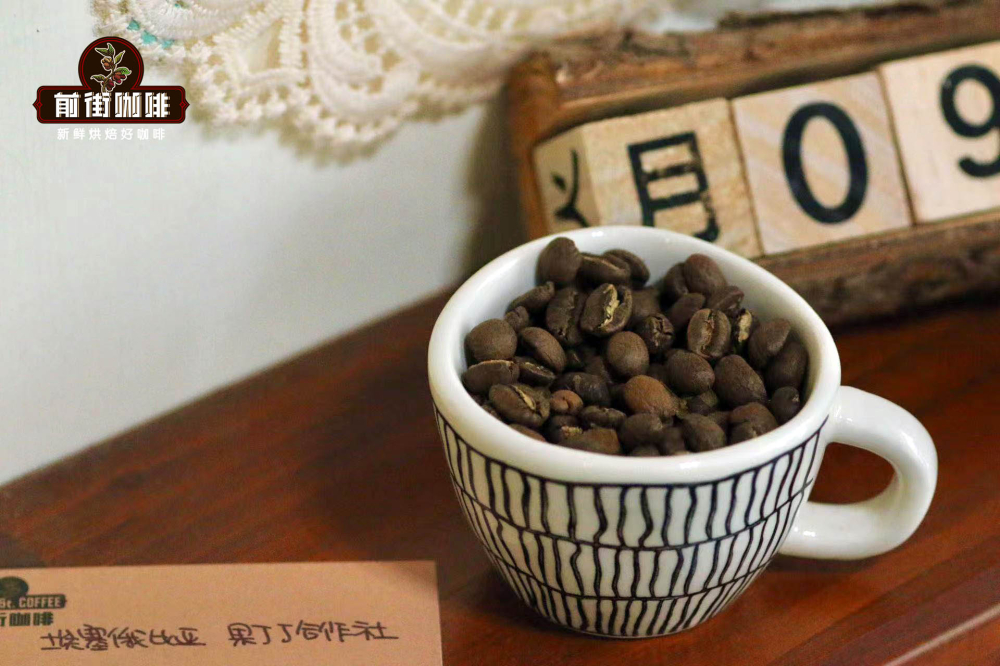
Representative Coffee - FrontStreet Coffee · Yirgacheffe Gotiti Cooperative
Region: Yirgacheffe Gedeo Zone
Altitude: 1900-2100m
Variety: Heirloom
Processing: Washed
Grade: G1
Brewing Flavor: Bright citrus acidity on entry, full-bodied berry fruit juice, with distinct oolong tea notes.
2. Kenya Coffee Beans
Kenya is also one of Africa's most representative coffee origins. Although neighboring Ethiopia and equally known for bright acidity, Kenyan coffee differs from Ethiopian citrus-and-lemon acidity with its unique tomato acidity, which makes it stand out among specialty beans.
Kenya didn't introduce coffee until the late 19th century, by which time coffee had almost circled the globe before returning to Africa. But though Kenyan coffee started late, it developed rapidly. Under British colonial rule, everything from cultivation mechanisms to grading systems pushed Kenyan beans toward the specialty market. FrontStreet Coffee summarizes the reasons:
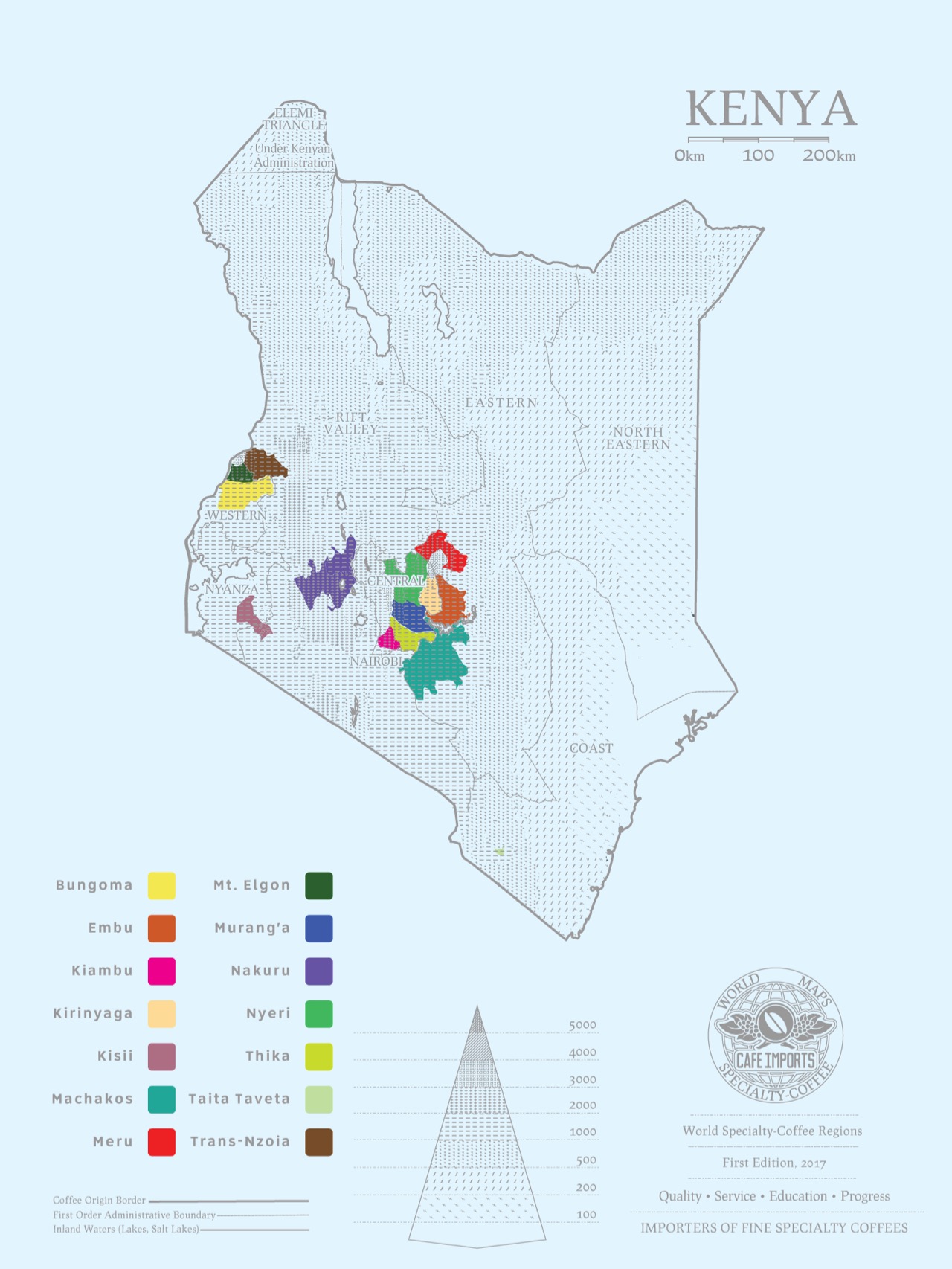
1. Establishment of cultivation mechanisms. In 1893, the British introduced coffee from Réunion Island to Kenya. In 1922, Kenya established the Scott Agricultural Laboratory (Scott Labs, after which SL28 and SL34 were named) for coffee cultivation research. Within its first decade, the laboratory selected SL28 and SL34 from 42 varieties as most suitable for the region, giving the industry a strong start.
2. Government emphasis. In 1931, the Kenya Growers Cooperative Union and the Kenya National Coffee Committee were established, guiding the industry from both civil and national levels. In 1937, the Nairobi Coffee Exchange was founded, beginning Kenya's auction system — good coffee commanded good prices, setting the tone for pricing. This year, the Kenyan Ministry of Agriculture launched a 1.5 billion shilling coffee revitalization plan.
3. Grading system. Kenya grades coffee by bean size and cupping results. By size, shape, and hardness, grades from highest to lowest are AA or AA+, AB, PB, C, E, TT, and T. For AA and AB green beans, an additional cupping-based grade is applied (established by exporters, not officially recognized), from highest to lowest: TOP, PLUS (+), and FAQ.

4. K72 washed processing. Kenya's distinctive acidity is closely tied to its processing. Typically in washed processing, ripe cherries are selected, the skin and pulp are removed, and the beans soak in fermentation tanks to remove mucilage — rarely exceeding 36 hours. Kenyan fermentation lasts up to 72 hours, after which the beans are dried to 12% moisture. FrontStreet Coffee believes this method enhances Kenyan beans' bright acidity and full, juice-like mouthfeel.
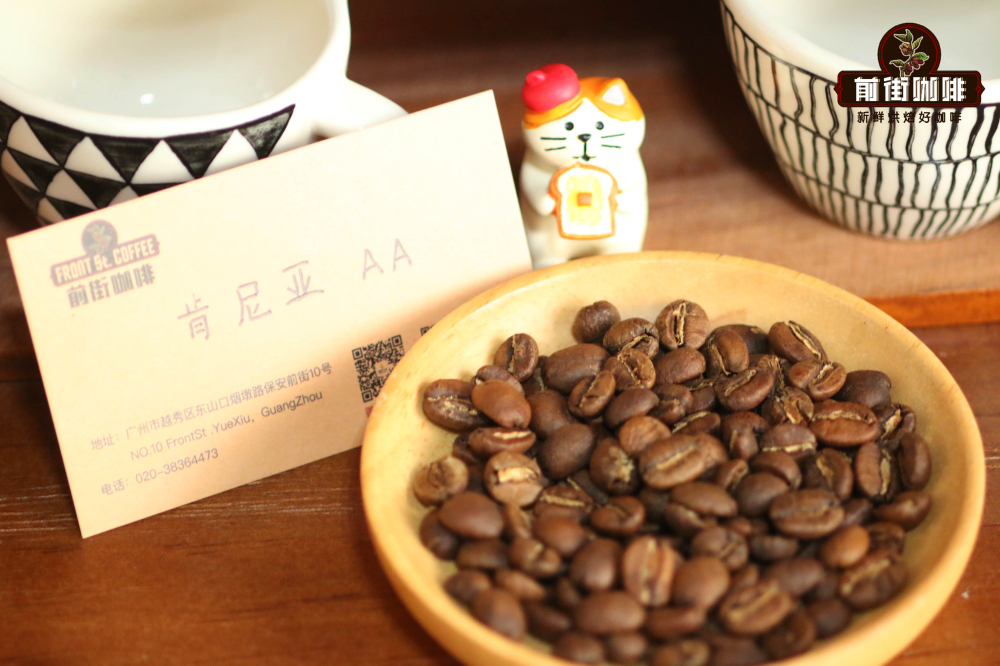
Representative Coffee - FrontStreet Coffee Kenya Asalia
Region: Thika, Kenya
Processing Station: Asali Honey Processing Station
Altitude: 1550-1750 meters
Grade: AA TOP
Variety: SL28, SL34
Processing: Kenya 72-hour Washed
Brewing Flavor: Mature tomato and floral aroma, with cherry tomato and black plum flavors on entry. Bright acidity, clean and solid yet rich texture. Prominent sweetness in the middle section with juice-like mouthfeel. Berry aroma and brown sugar sweetness in the aftertaste, with green tea fragrance.

3. Indonesia Mandheling Coffee Beans
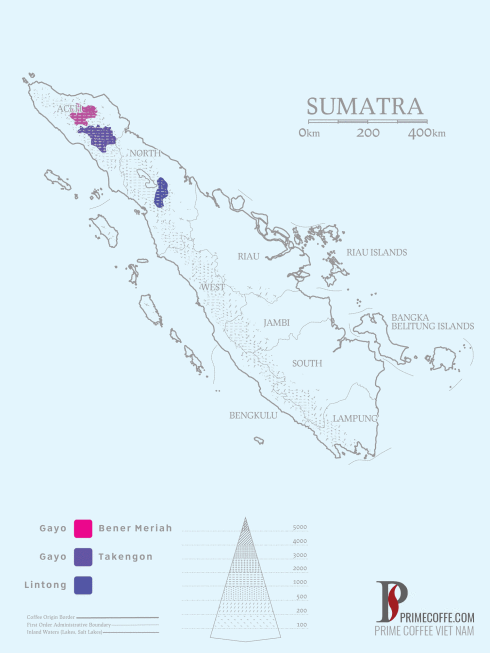
Indonesia's most famous beans are undoubtedly the world-renowned Mandheling. Mandheling is produced mainly on Sumatra, Indonesia's largest island. Near the equator with a typical tropical rainforest climate — hot, humid, and rainy — it is very suitable for growing high-quality Arabica beans.
Mandheling's unique flavor owes much to Indonesia's special processing method: wet-hulling. The tradition stems from local weather conditions. Humidity stays between 70-90% year-round with frequent typhoons, and annual rainfall can reach 2,000mm in some areas. Indonesian Mandheling green beans are therefore hulled while still wet — not protected by parchment.
Without parchment protection, the green beans are directly exposed to environmental molds, yeasts, and bacteria. In direct sunlight, moisture evaporates rapidly, causing uneven drying with spots (which can further lead to inconsistent roasting). Excessive heat during hulling can also age the coffee quickly, producing the woody and earthy flavors often tasted in Sumatran coffee.
Additionally, the name "Mandheling" is tied to the Japanese. When Japanese soldiers returned home after Indonesia's colonial era, they couldn't forget the delicious local coffee. Through trading friends, they asked locals to help collect high-quality beans, including this one. The Japanese loved it and asked for its name; the locals, mistaking the question for one about origin, blurted out "Mandailing," which the Japanese mispronounced as "Mandehling." Through this double misunderstanding, Mandheling accidentally became the name of a coffee. And that local was the owner of PWN Company (Pwani Coffee Company), which produces Indonesia's Golden Mandheling.
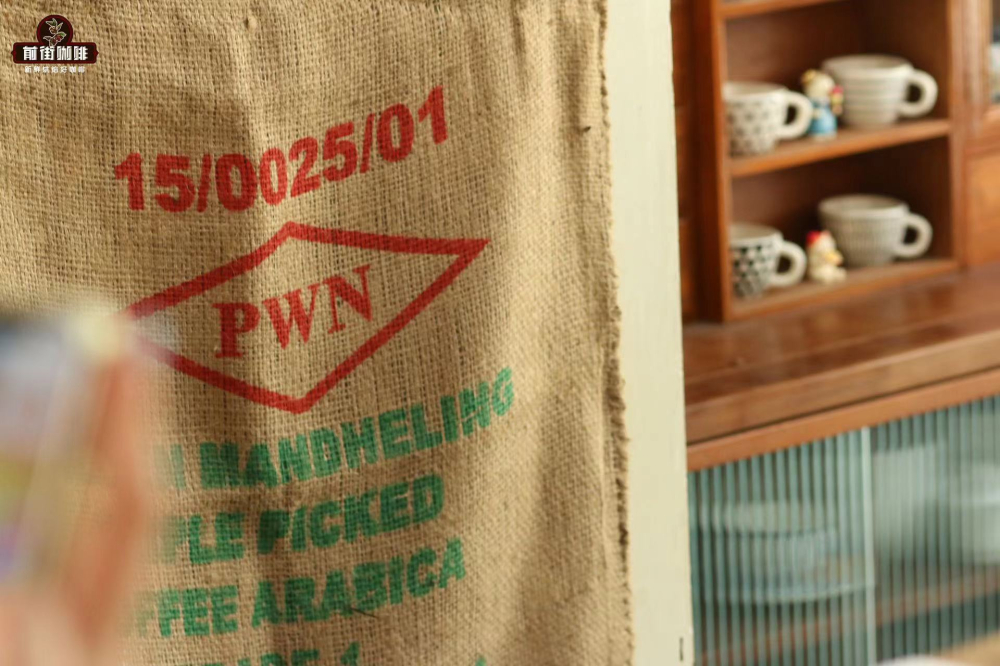
PWN Golden Mandheling is recognized in Sumatra as the highest-quality Mandheling. It undergoes three rounds of manual sorting and one round of machine sorting, producing very beautiful, uniform beans and a cleaner roasted cup. PWN has trademarked Golden Mandheling — only Golden Mandheling produced by PWN can be considered genuine.
Representative Coffee - FrontStreet Coffee Indonesia PWN Golden Mandheling
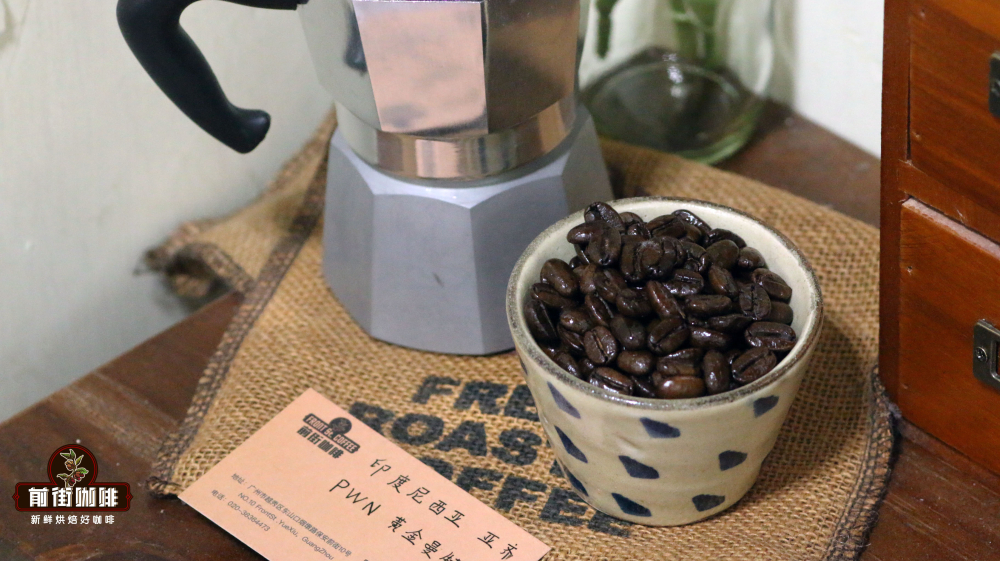
Country: Indonesia
Company: PWN
Region: Gayo Mountain, North Sumatra
Processing: Wet-hulled
Variety: Ateng
Altitude: 1100-1600 meters
Brewing Flavor: Multi-layered, rich and clean, with high balance. Intense nut and caramel aroma with chocolate notes. Persistent aftertaste.
4. Panama Coffee Beans
Panama sits at the southern end of Central America, bordering Colombia. On the isthmus connecting North and South America, its terrain is varied with numerous valleys; except for the coastal plains in the north and south, most of the country is mountainous. Near the equator with a tropical maritime climate of humid days and cool nights, the average annual temperature is 23-27°C, and the year divides into dry and rainy seasons with annual rainfall averaging 1500-2500mm.

Since the 16th century (the era of Columbus), Panama has held significant strategic value. In the early 19th century, Panama once formed the Republic of Gran Colombia together with Colombia, Ecuador, and Venezuela, but separated from the union in 1903 with American assistance. At the moment of canal construction, Panama's destiny became intertwined with the United States. The Panama Canal — connecting Central America and linking the Pacific, Caribbean, and Atlantic — opened up shipping trade and brought extensive agricultural knowledge from the United States and Europe. Many North American retirees settled in Panama for its mild climate and lower cost of living, which also contributed to the development of its coffee industry.
Panama's coffee development, however, began in earnest in the late 20th century. American assistance in building the canal drew many elites southward, promoting the coffee industry. Early Panamanian coffee was little known and production limited, but with the third wave of specialty coffee the country's specialty concept matured — especially after the rise of Geisha from Hacienda La Esmeralda in 2004, which has long occupied the top of coffee rankings.

Representative Coffee - FrontStreet Coffee Hacienda La Esmeralda Natural Red Label Geisha Coffee Beans
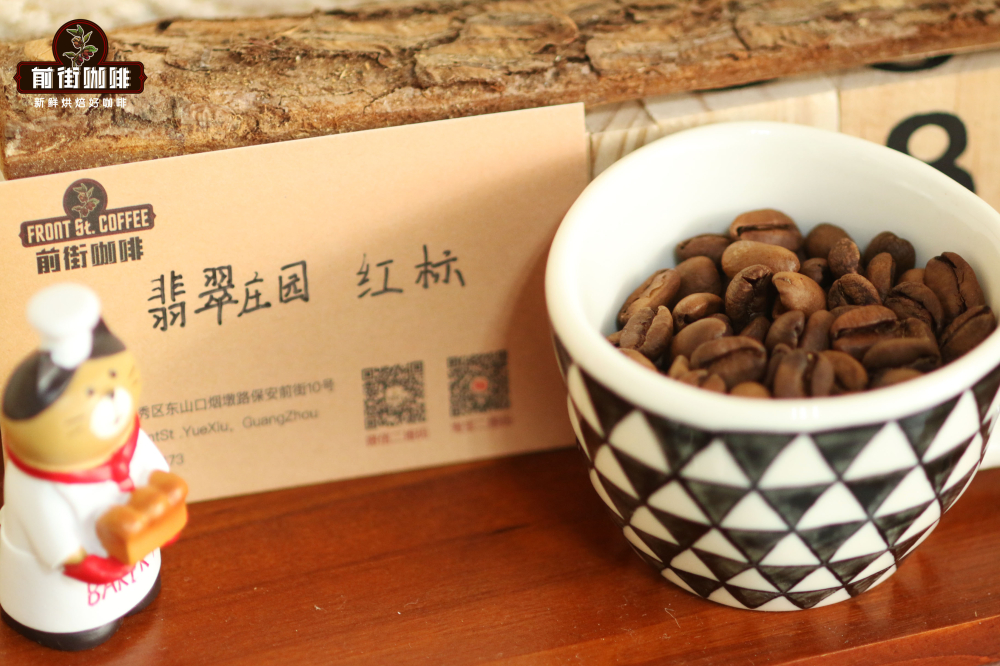
Region: Boquete, Panama
Estate: Hacienda La Esmeralda, Mario Lot, Jaramillo
Grade: Esmeralda Special/Red Label
Altitude: 1700m+
Variety: Geisha
Processing: Natural
Brewing Flavor: Aroma of roses and berries. Tasting notes of complex fruits, citrus, honey, and rose tea. Very high overall sweetness.
5. Honduras Coffee Beans
Honduras is located in northern Central America, bordering the Caribbean Sea to the north and the Gulf of Fonseca to the south, with Nicaragua and El Salvador to the east and south and Guatemala to the west. Mostly mountainous plateau with a mild tropical climate and abundant rainfall, it is an ideal place for coffee cultivation.
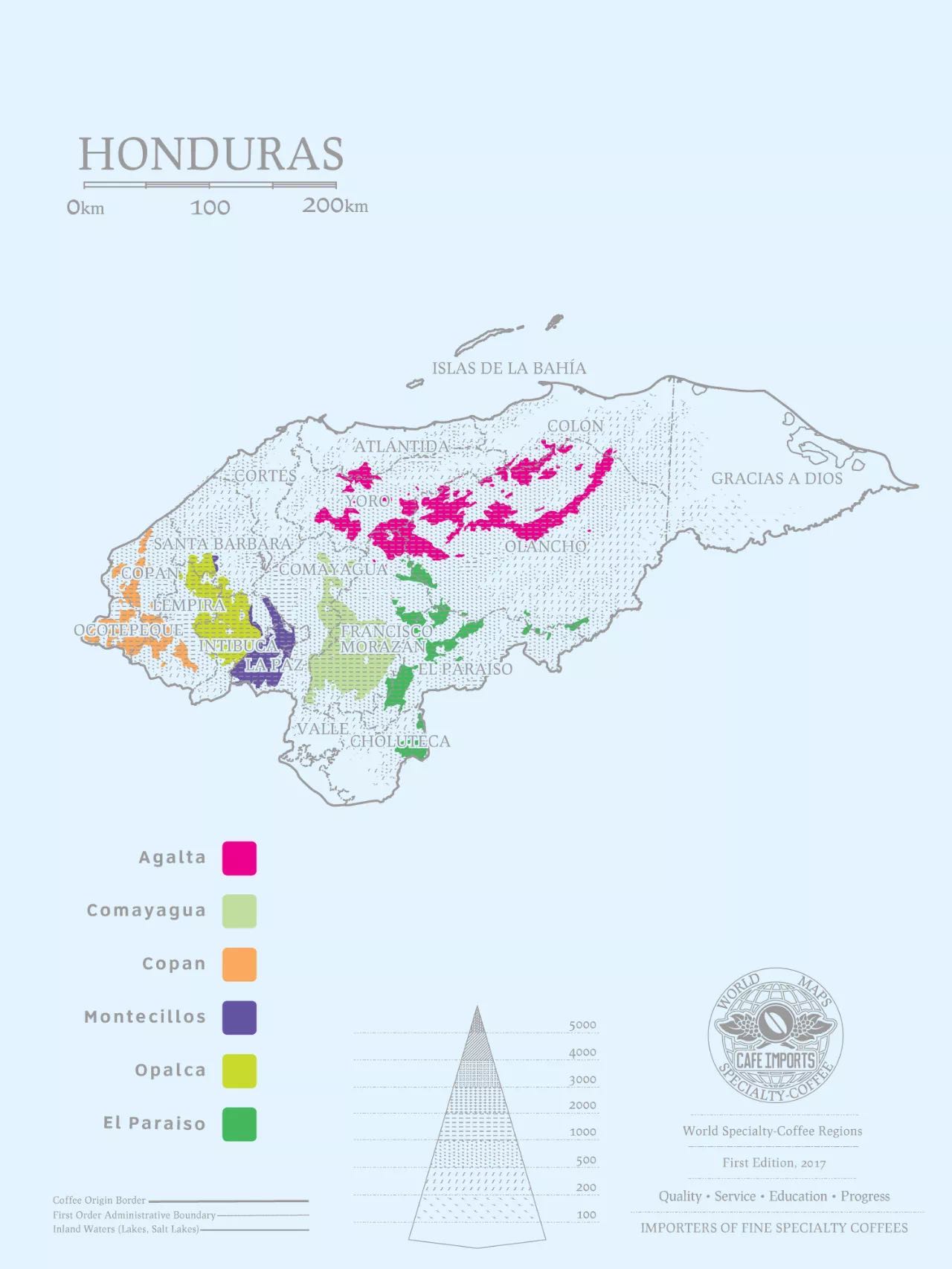
Honduras is not only the largest coffee producer in Central America — counting only washed Arabica beans, it is actually the world's second-largest producer of washed Arabica. Coffee trees can be grown throughout the country, allowing production to surpass Costa Rica and Guatemala in 2011.
Honduras produces two types of high-quality coffee highly praised by enthusiasts: "Highland Coffee" grown at 1000-1500 meters, and "Selected Highland Coffee" grown at 1500-2000 meters, the country's highest grade. Most Honduran coffee is exported to the United States and Germany.

Representative Coffee - FrontStreet Coffee Honduras Sherry Coffee Beans
Region: Marcala
Estate: Moca Estate
Altitude: 1500-1700 meters
Variety: Caturra, Catuai, Pacas
Processing: Fine Washed Whiskey Sherry Barrel Fermentation
Brewing Flavor: Aroma of vanilla and cream. Flavors of whiskey, berries, almonds, and dark chocolate on entry. Maple sweetness in the aftertaste.
6. Guatemala Coffee
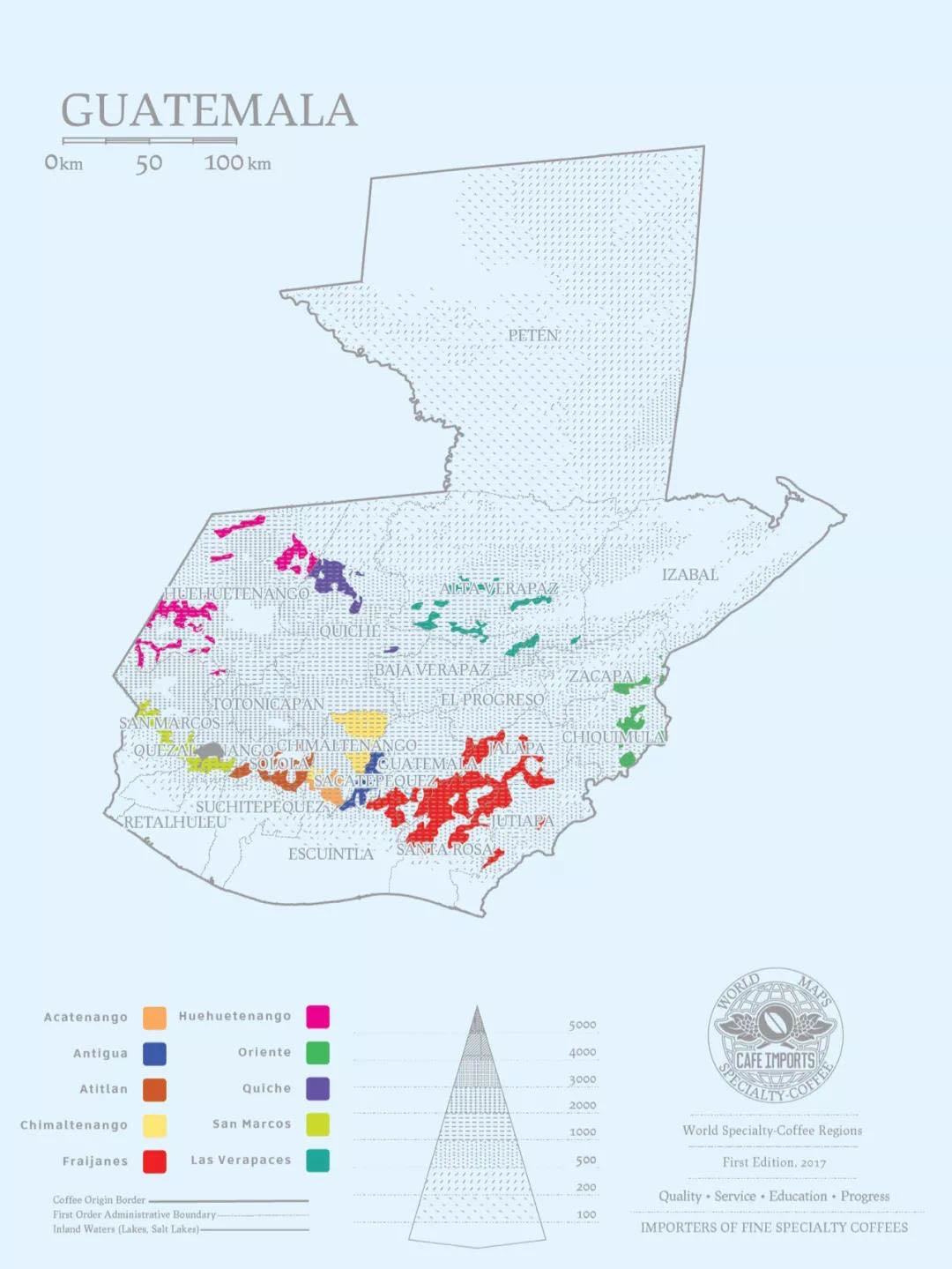
Guatemala borders Mexico and was the largest coffee producer in Central America until 2011, when it was gradually surpassed by Honduras. Guatemala Antigua coffee is considered the aristocrat of coffees, with a rich sweet-and-sour taste and fascinating smoky notes that emphasize its mysterious quality. Some say you can read a wonderful story in a cup of Antigua — the story of the wisdom of the Maya people who once lived on this land.
Representative Coffee - FrontStreet Coffee Guatemala Antigua Flor

Region: Antigua
Altitude: 1200-1600m
Variety: Bourbon, Caturra
Processing Method: Washed
Grade: SHB
Brewing Flavor: Berry acidity, citrus, slight chocolate, rich layers, smooth texture.
7. Costa Rica Coffee Beans
Costa Rica, in Central America, was the first country in the region to cultivate coffee, with a long history. Its volcanic soil is very fertile and well-drained, especially on the Central Plateau. Fertile volcanic ash, mild temperatures, and stable, abundant rainfall are essential factors for growing excellent coffee.
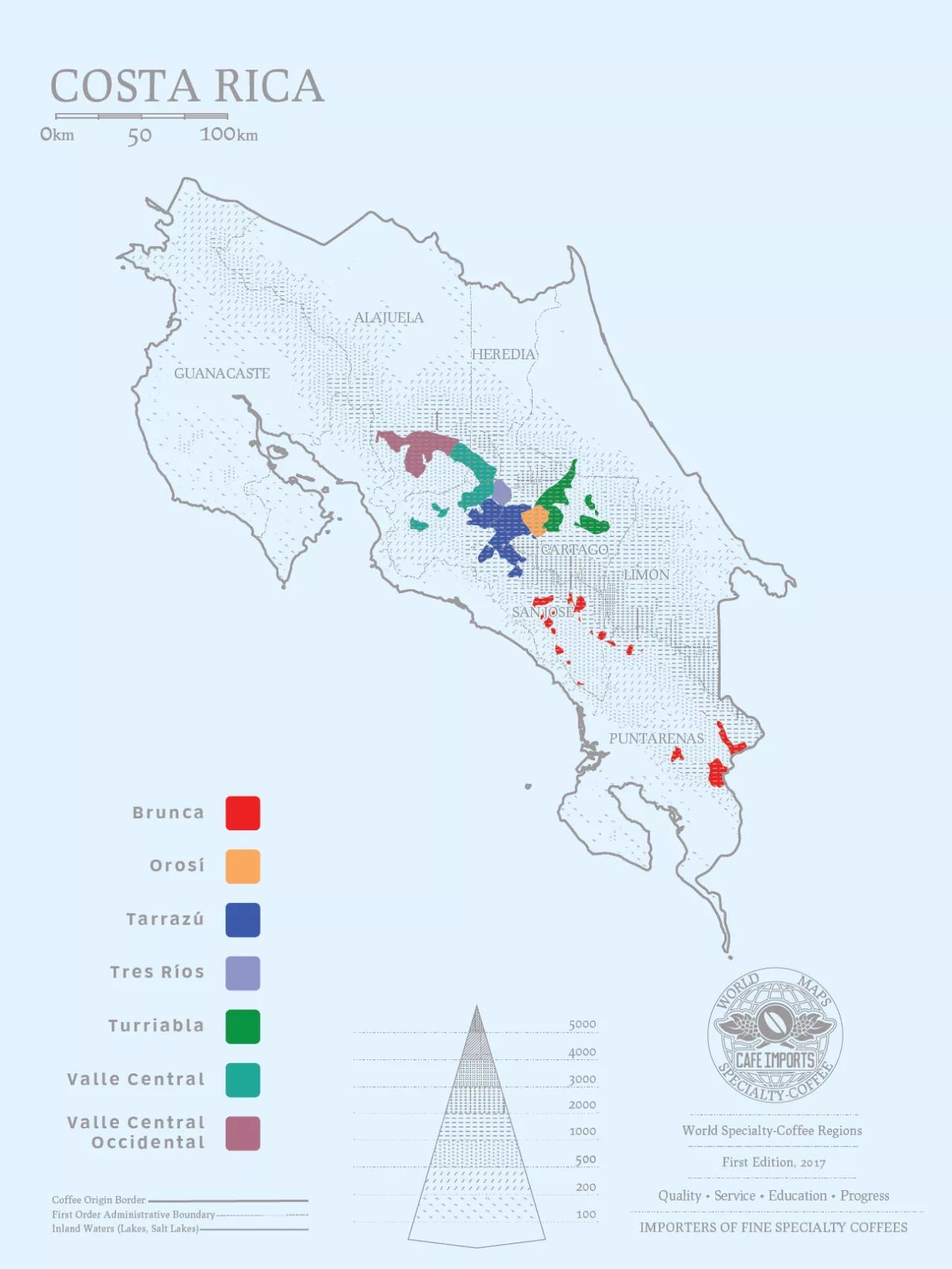
Costa Rica's coffee regions are also the birthplace of honey processing. Honey processing dries green beans with their mucilage (pectin) intact: after removing the outer pulp, a sticky gelatinous layer remains. Traditional washed processing washes it away with clean water, but drying it directly was born of water limitations in some high-altitude areas.

High-quality Costa Rican coffee is called "Strictly Hard Bean" (SHB), grown at altitudes above 1500 meters. Experienced enthusiasts know that higher altitude generally means better beans — not only because it increases acidity and enhances flavor, but because cooler nighttime temperatures let trees grow slowly, concentrating the beans' flavors.
Representative Coffee - FrontStreet Coffee Costa Rica Bahia Coffee
Country: Costa Rica
Region: Tarrazu
Altitude: 1950m
Variety: H1
Processing: Raisin Honey
Flavor: Fermented wine aroma, berries, fruit tea notes
8. Colombia Coffee
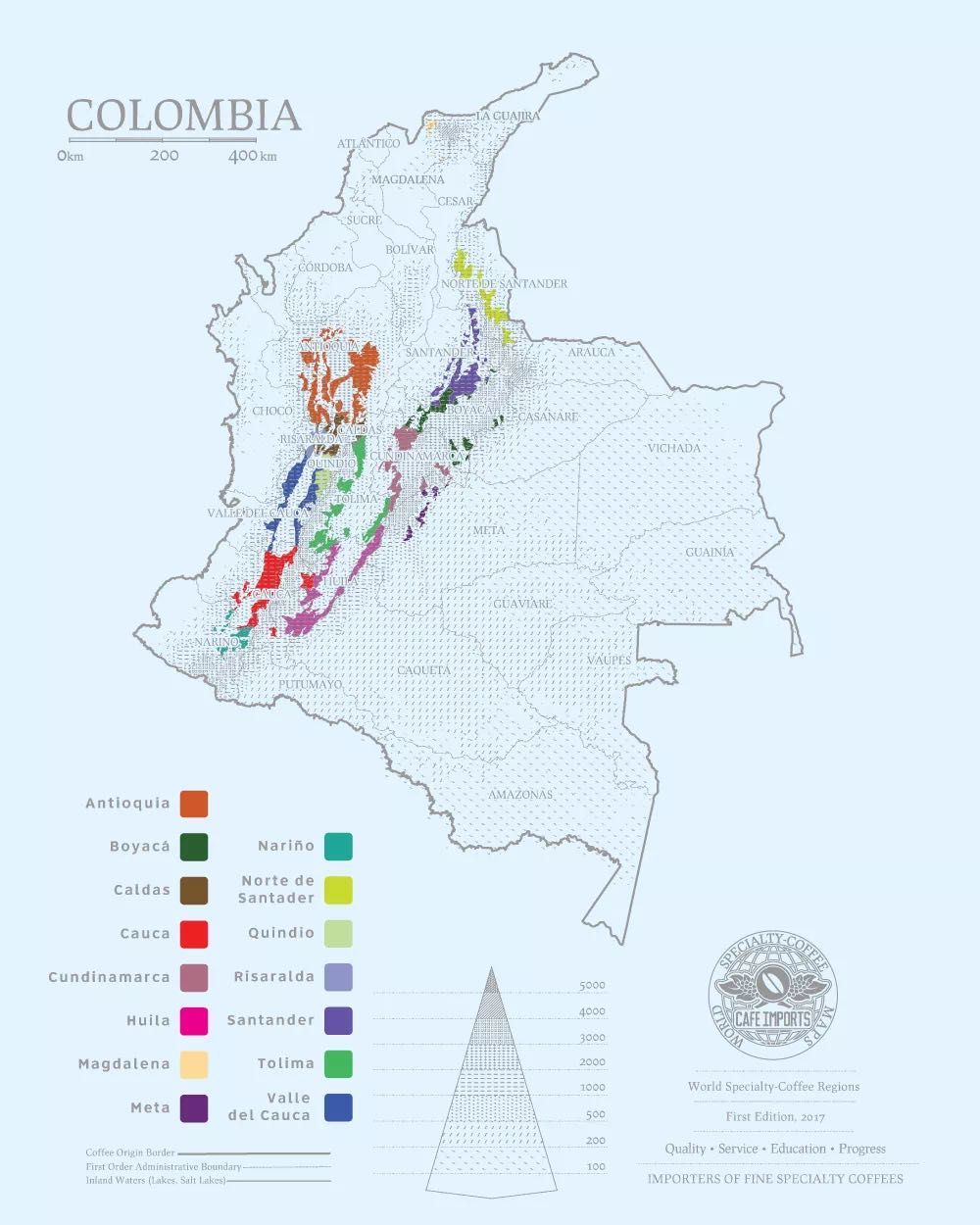
Colombian coffee is known worldwide and is one of the few single-origin coffees sold internationally under a country name — largely thanks to the promotional efforts of the National Federation of Coffee Growers, which created the farmer icon Juan Valdez and made significant contributions to local coffee. Colombia was long the world's second-largest producer; with Vietnam's rise and climate change taking a toll, it has slipped to third. That doesn't diminish its standing among enthusiasts, though: Colombian coffee is mild and balanced, less intense than Brazilian coffee, with a sweet, fresh fragrance that is understated yet elegant.
Representative Coffee - FrontStreet Coffee Colombia Rose Valley Coffee Beans
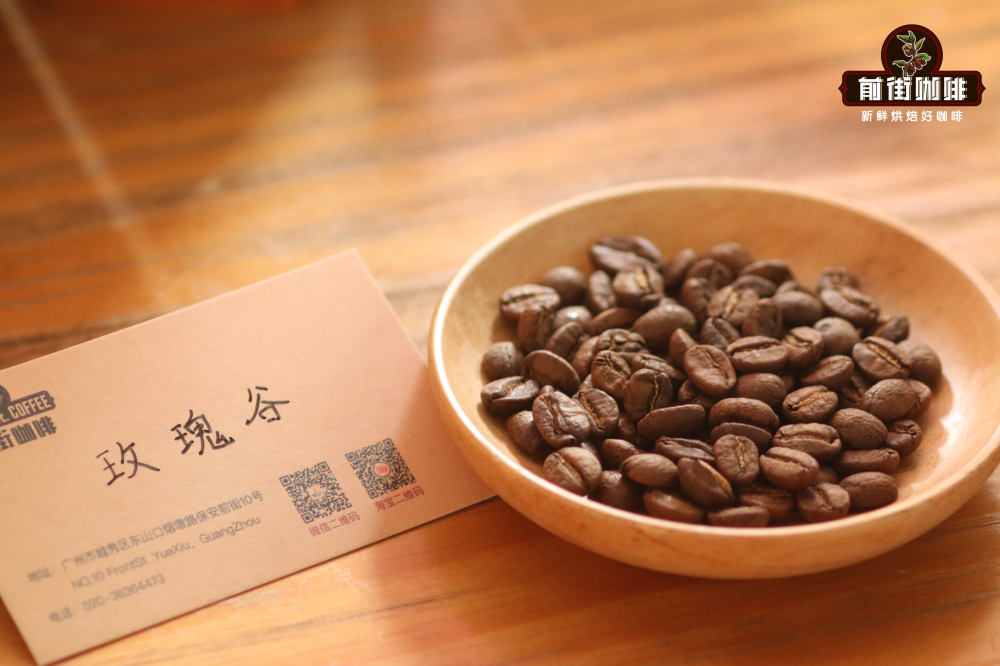
Region: Santander
Altitude: 1700m
Processing: Anaerobic Natural
Variety: Caturra
Brewing Flavor: Rose floral aroma, strawberry, chocolate flavors. Low acidity, obvious sweetness, fragrant taste.
9. Brazil Coffee
For over 100 years, the South American powerhouse Brazil has been the undisputed largest coffee producer in the world — the "Kingdom of Coffee." Its coffee is famous worldwide for excellent quality and rich flavor, and Brazil is also the world's largest coffee exporter. Coffee was first introduced to Brazil in 1727. Its tropical and subtropical location, unique geography, and climate suit coffee trees perfectly, and cheap labor let cultivation flourish rapidly. By the 19th century coffee was grown almost throughout Brazil, peaking in the 1920s at 80% of world production. That share fell as other countries planted widely, but Brazil's total cultivated area still reaches 27,000 square kilometers today.
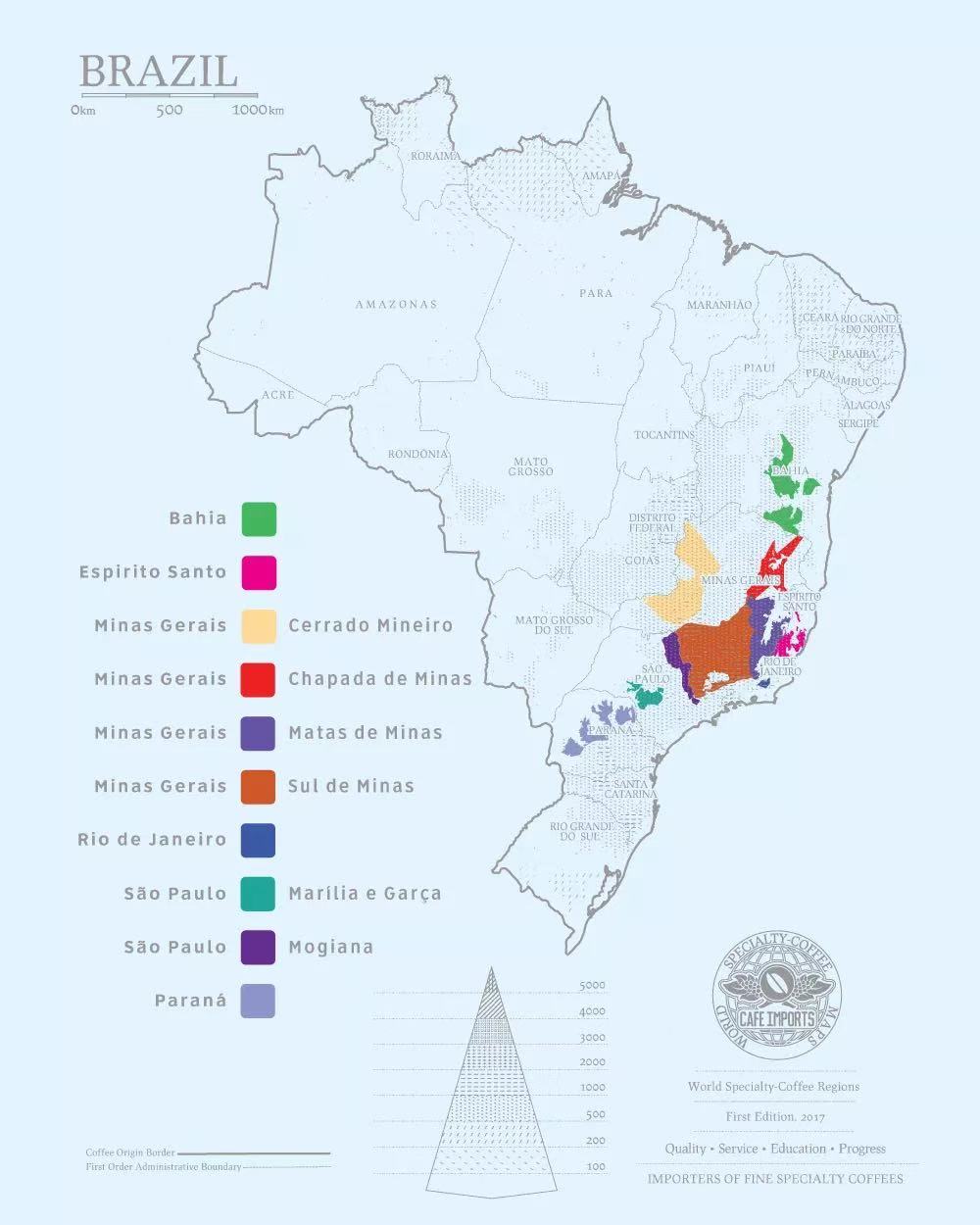
Brazil differs from other producers in processing: Brazilians mostly use the dry (natural) method, drying cherries directly in the sun before sorting, though some semi-washed and honey-processed beans are now also produced. Brazil produces both roasted ground coffee and instant coffee, and while the varieties are numerous, they suit popular tastes. Notably, Brazil is one of the few countries that both produces and consumes coffee in huge quantities — a testament to Brazilians' love of coffee.
The main varieties grown in Brazil include Bourbon, Caturra, Catuai, and Mundo Novo.
Representative Coffee - FrontStreet Coffee Brazil Queen Estate Coffee Beans
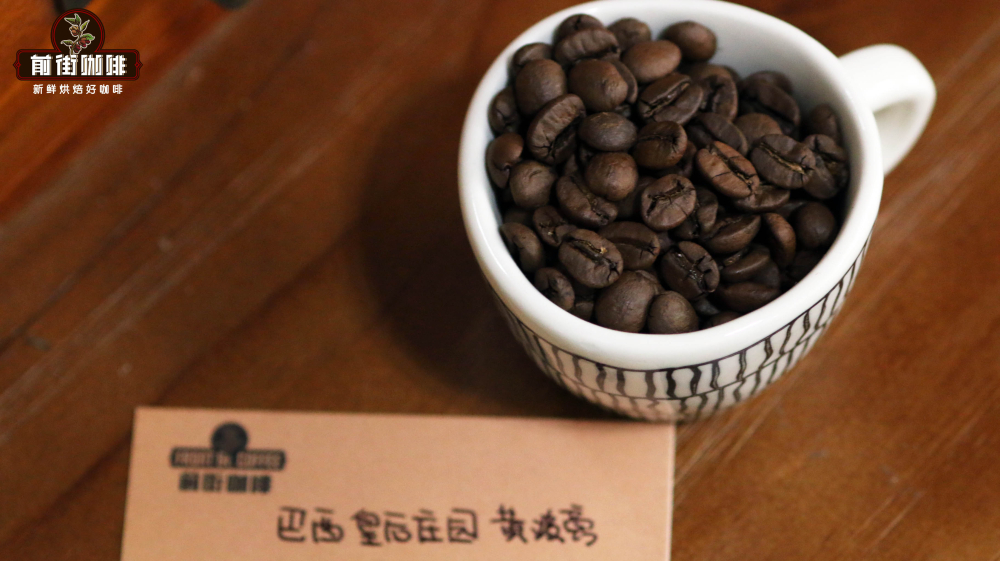
Country: Brazil
Region: Mogiana
Estate: Queen Estate
Variety: Yellow Bourbon
Processing: Pulped Natural
Altitude: 1400-1950m
Brewing Flavor: Fresh sweetness of sugarcane juice, black tea, soft and pleasant fruit sweetness. Obvious nutty flavor, balanced and gentle acidity. Weak and clean bitterness with rich chocolate aroma and nutty flavors. Bright, refreshing, smooth and delicate texture.
10. Blue Mountain Coffee
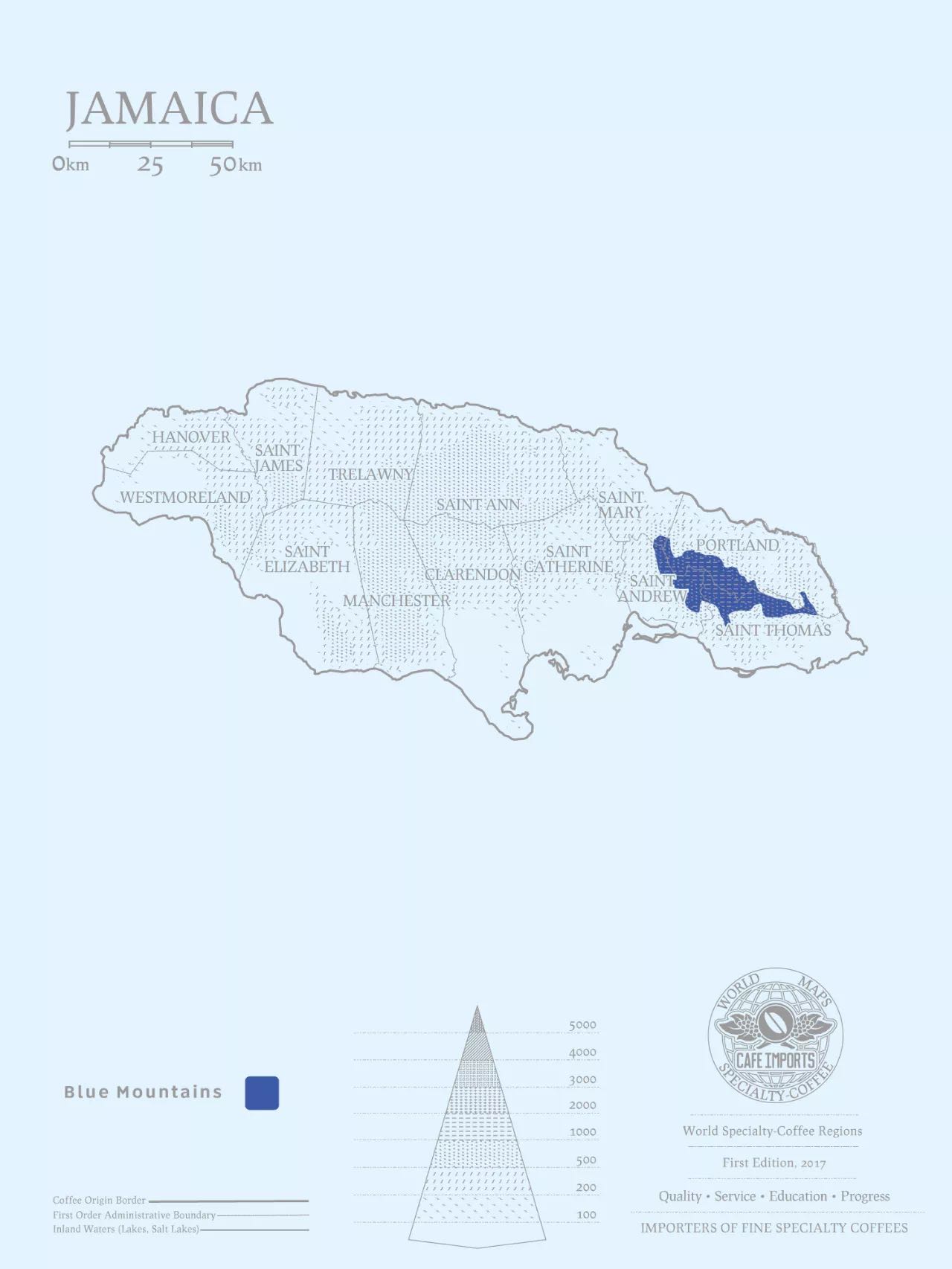
The Blue Mountains are located in eastern Jamaica. Because the mountains are surrounded by the Caribbean Sea, on clear days when the sun shines on the azure sea the peaks reflect its brilliant blue light — hence the name. The highest peak reaches 2256 meters, the highest in the Caribbean region and a famous tourist destination. Located in the coffee belt with fertile volcanic soil, fresh unpolluted air, and a humid climate with year-round fog and rain (average rainfall of 1980mm, temperature around 27°C), this climate created the world-renowned Jamaican Blue Mountain coffee — once the world's highest-priced coffee. It possesses all the characteristics of great coffee: rich and mellow, with sweet, sour, and bitter flavors so perfectly balanced that it shows no harsh bitterness, only moderate, perfect acidity. FrontStreet Coffee's Blue Mountain coffee is certified by the Coffee Industry Board as Blue Mountain coffee exported by designated companies, with green beans packed in wooden barrels and Rainforest Alliance certification.
Representative Coffee - FrontStreet Coffee Jamaican Blue Mountain

Country: Jamaica
Region: Blue Mountain, Clifton Farm
Altitude: 1310m
Processing: Washed
Variety: Typica
Brewing Flavor: Dark chocolate, nuts, cream, brown sugar
These are the ten most famous coffees compiled by FrontStreet Coffee. We hope this helps novice enthusiasts choose beans that suit their flavor preferences.
FrontStreet Coffee Recommendation
For a first step into specialty coffee, FrontStreet Coffee recommends starting with African beans at their most approachable: the washed Yirgacheffe. You will taste clear jasmine florals and bright citrus acidity over a light, elegant, tea-like body — like a crisp, clean lemon tea. The Yirgacheffe town's spring-like, misty, cool-humid climate lets thousands of varieties thrive, and it remains the classic entry bean for newcomers.
If you would like to go deeper into Ethiopia, try the Chelbesa (Guodingding) Cooperative lot from the Worka growing area at the southeastern end of Yirgacheffe — independent since 2012 with about 300 member farmers, its washed coffee shows citrus, lemon, and elegant white florals with a bright, delicate profile. For fruit-lovers, the Red Cherry natural delivers peach, cocoa, honey, and lemon, while the celebrated Flower Champion (Horse Champion) from Guji's Hambella region — dried 21 days on raised beds — shows light fermented wine aroma, florals, citrus, and mango with honey sweetness and a rich, persistent finish.
Whichever you choose, brew it with a V60, 15 g of coffee at a 1:15 ratio, water at 90-91°C, and a fine-granulated-sugar grind (about 80% pass-through on a #20 sieve), and rest the beans 4-7 days from the roast date for peak flavor.
Important Notice :
FrontStreet Coffee is a long-established specialty coffee roaster in Guangzhou China, selling freshly roasted beans from its own farm in Yunnan as well as dozens of carefully selected single-origin beans from around the world for both pour-over and espresso. The products deliver consistently excellent quality and great value, with shipping within 24 hours. Guangzhou's FrontStreet Coffee shop is recommended by many coffee lovers, and the beans are now available online at the Tmall 。
FrontStreet Coffee has moved to a new address:
FrontStreet Coffee Address: 315,Donghua East Road,GuangZhou
Tel:020 38364473
 Scan and follow the En Gafei WeChat official account. Please indicate that the reprint comes from "En Gafei".