What is the ideal roast level for Hawaii Kona coffee? How to drink Hawaii Kona coffee?
Kona Coffee: Hawaii's Volcanic Treasure
Kona coffee is grown in Hawaii, and it can only be cultivated on volcanic slopes, which is one reason it is so rare. The cup is rich and mellow, with a gentle wine-like aroma, moderate acidity, and a character all its own. As production has declined, its price has climbed to rival that of Blue Mountain.
The beans come from the Kona district of Hawaii and, strictly speaking, from volcanic slopes alone, making Kona a rare variety. Hawaii is a beautiful tropical island in the Pacific, and beyond its scenery it produces this famous coffee. The name "Kona" refers to the main growing areas in the north and south Kona districts and on the slopes of Mauna Loa on the Big Island. Kona is among the most expensive coffees in the world, and only coffee grown in the Kona region may carry the name "Kona Coffee."
Coffee grown and strictly certified along the southwestern coast of the Big Island, in a belt roughly 20 miles long and 2 miles wide at elevations between 150 and 750 meters across the volcanic slopes of Hualalai and Mauna Loa, is the only coffee that may be sold under the Kona trademark. Because output keeps falling, the price now approaches that of Blue Mountain. This narrow coastal belt produces some of the best-tasting coffee in the world, and its yields rank among the highest anywhere: on less than 2,600 acres of coffee land, Kona still produces 2 million pounds of coffee beans a year.
The Rarity and Quality of True Kona Coffee
Genuine Kona coffee is a genuine treasure and not easy to find. Under the grading standards of the Hawaii Department of Agriculture, beans are sorted by size, weight, and quality ratio into four grades: Extra Fancy, Fancy, Prime, and Gr.No.1 (100% KONA). Every bag must carry complete certification documents from the Agricultural Committee, with the grade stenciled on the burlap sack. Because production is extremely limited and costs are high, while demand for specialty coffee keeps rising, Kona prices stand alongside Jamaican Blue Mountain, and top-quality Kona beans are becoming harder and harder to buy.
Ideal Growing Conditions
Kona coffee owes its worldwide reputation to Hawaii's particular climate. The Kona region sits at roughly 600 meters, yet its maritime climate makes conditions similar to those found at 1,200 meters in Central America. The mountain areas are rainy and far cooler than the plains. Hawaii is frequently affected by tornadoes, but its climate is genuinely well suited to coffee. The island also has ample rainfall and sunshine, with no risk of frost damage.
The conditions are close to ideal. In the morning, soft sunlight filters through moisture-laden air. By afternoon the mountains grow more humid and misty, and drifting white clouds act as a natural sunshade for the coffee trees, while the nights turn clear and cool. These natural advantages give Kona coffee a very high average yield of around 2,240 kilograms per hectare. Combined with fertile soil and careful management by farmers, they create a climate tailor-made for coffee, which is what makes Kona a premium product on the market.
FrontStreet Coffee's Kona Roasting Recommendations
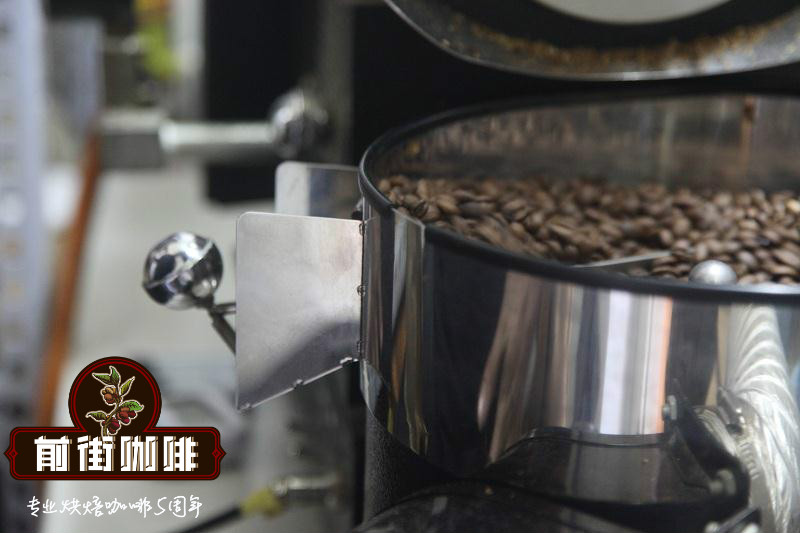
Like Blue Mountain, Kona is a low-density bean. For low-density beans the charge temperature cannot be too high. As sweetness develops and the beans turn light yellow, the high moisture content calls for a generous steaming phase. The beans are clean and crisp, with a solid, weighty feel. Kona should not be roasted dark; a medium-light profile (City to Full City-) is recommended.
FrontStreet Coffee suggests keeping detailed records before roasting: bean moisture content, density, origin, processing method, and the roastery's temperature and humidity, then planning your roast curve around them. Log the chemical and physical changes during the roast, because doing so helps you understand the final result and refine your curve.
Roasting Machine: Yangjia 800N, with 550g of green beans
Roasting Curve:
Preheat the roaster to 200°C and load the beans with the damper set to 3. After 1 minute, raise the heat to 150°C and leave the damper unchanged. Roast until 5'35", when the temperature reaches 150°C, the bean surface turns yellow, the grassy smell disappears completely, and dehydration is complete. Reduce the heat to 140°C and move the damper to 4.
At 9'30", ugly wrinkles and dark spots appear on the bean surface, and the toast aroma shifts clearly into coffee aroma, the signal that first crack is about to begin. Listen closely for the sound. At 9'30" first crack starts: lower the heat to 70°C and open the damper fully (be careful when adjusting the heat, and do not cut it so far that the cracking sound vanishes). Turn off the heat at 182°C and unload at 193.4°C.
Medium-roasted Kona delivers a balanced, mellow honey sweetness with an elegant, substantial but never heavy body. The brewed cup gives off a mulberry aroma that carries a sweet sense of comfort. The aftertaste brings a smooth malt-like bittersweet note that slides down the throat and resurfaces on the exhale. As it cools, it becomes like a cup of mulberry tea.
FrontStreet Coffee Recommendation
If Kona's rare, low-density island character appeals to you, you will likely enjoy another legendary island coffee in the same balanced style: FrontStreet Coffee's Jamaica Blue Mountain No.1, sourced from the historic Clifton Estate. It is the top grade among Jamaican Blue Mountains, and the estate's full origin documentation and its traditional wooden shipping barrels travel with it, so the source can be traced clearly. Roasted to a medium-dark level, it shows the classic Blue Mountain balance of acidity, sweetness, bitterness, and aroma.
In the cup you get layers of nuts, dark chocolate, creamy caramel, and gentle sweetness that unfold evenly, with a clean and lingering finish. Like Kona, it is a coffee defined by harmony rather than by a single loud flavor, which makes it equally rewarding as a daily specialty cup or as a gift.
Important Notice :
FrontStreet Coffee is a long-established specialty coffee roaster in Guangzhou China, selling freshly roasted beans from its own farm in Yunnan as well as dozens of carefully selected single-origin beans from around the world for both pour-over and espresso. The products deliver consistently excellent quality and great value, with shipping within 24 hours. Guangzhou's FrontStreet Coffee shop is recommended by many coffee lovers, and the beans are now available online at the Tmall 。
FrontStreet Coffee has moved to a new address:
FrontStreet Coffee Address: 315,Donghua East Road,GuangZhou
Tel:020 38364473
 Scan and follow the En Gafei WeChat official account. Please indicate that the reprint comes from "En Gafei".