The Best Way to Drink Cold Drip Coffee: Recommended Single-Origin Coffee Beans and the Unique Characteristics of Cold Drip Black Coffee
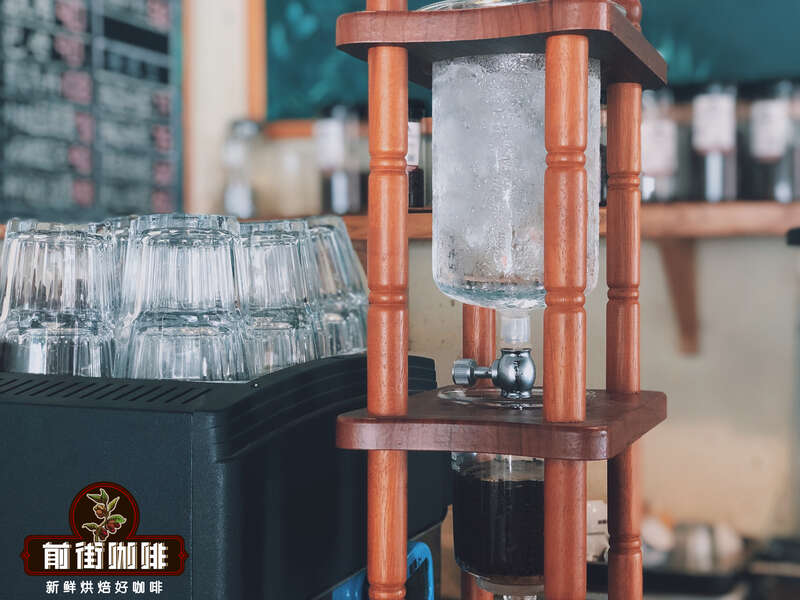
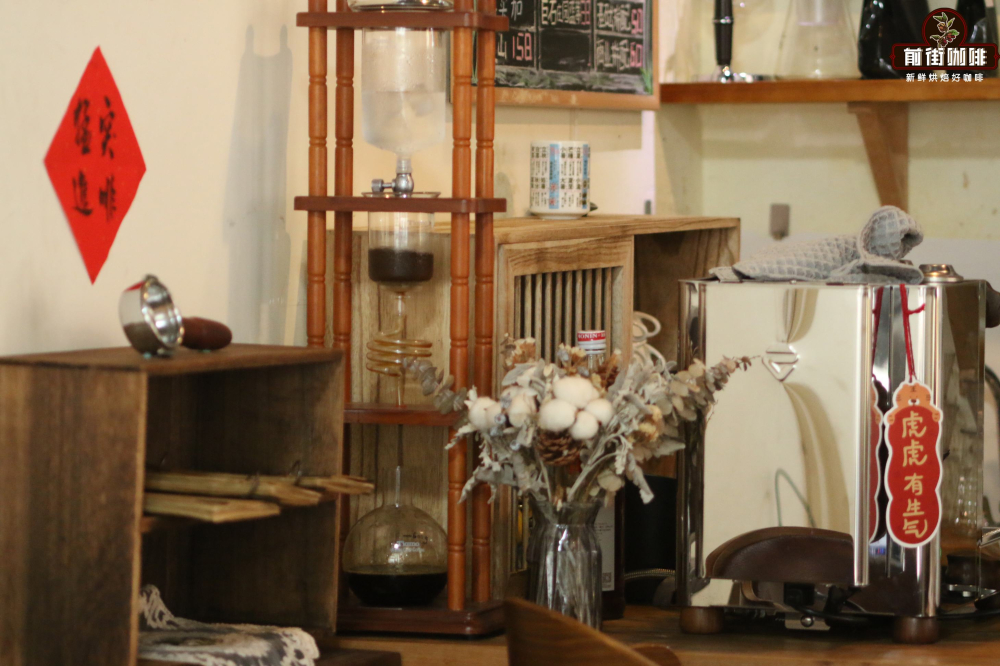
Before we know it, September has arrived again. Our friends in the southern regions are likely still battling the intense sun daily, as the weather remains hot. For coffee lovers, the first refreshing drink that comes to mind is iced coffee. When you visit FrontStreet Coffee, you'll immediately notice a vessel that looks like a chemistry experiment apparatus, and curious customers often come over to ask what it is. It's actually used to make cold drip coffee. In this article, FrontStreet Coffee will explain what cold drip coffee is and how to make it.
The Origin of Cold Drip Coffee
Cold drip coffee is said to have been invented by the Dutch, which is why it's also known as Dutch coffee. Unlike other brewing methods that require hot water, cold drip coffee is defined by extracting with ice water. This low-temperature extraction takes more time to dissolve the aromatic substances out of the coffee.

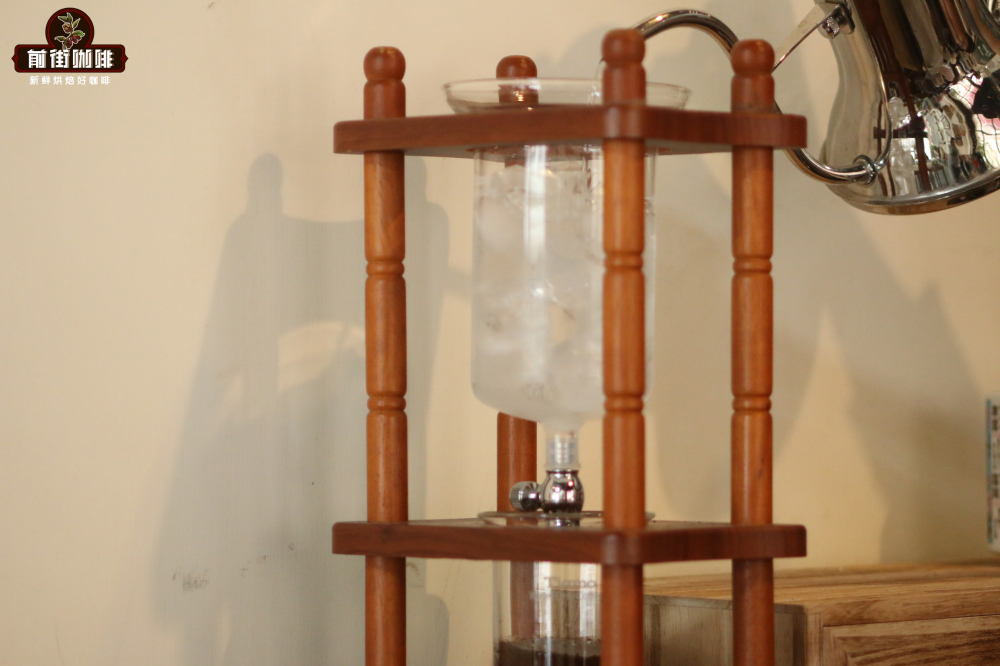
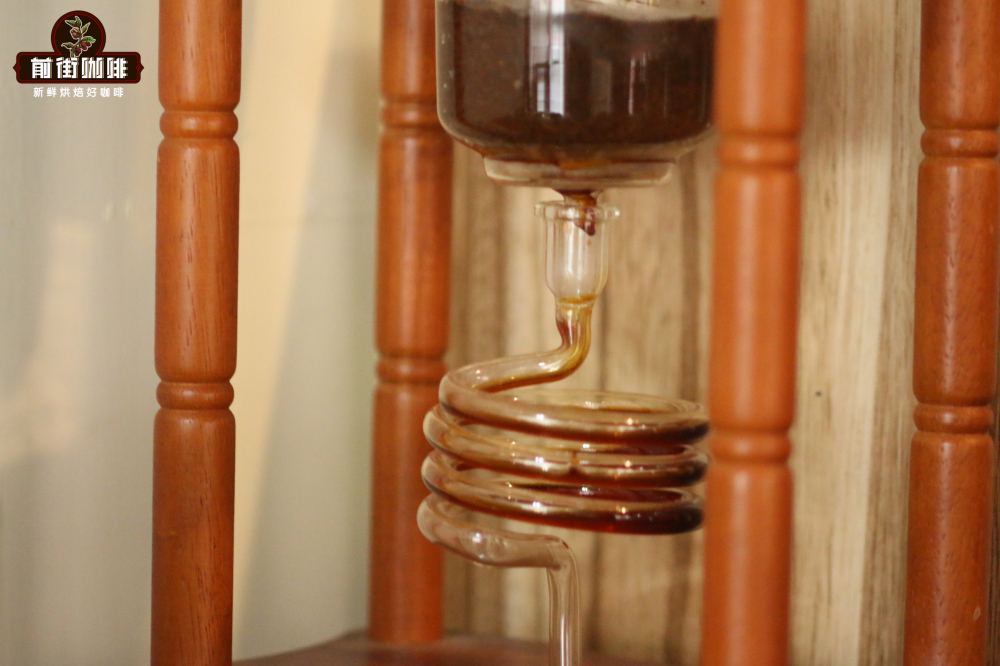
So, using a dropper much like those in a chemistry lab, ice water drips drop by drop, slowly moistening and percolating through the coffee grounds. In traditional cold drip towers, the dripping speed can usually be adjusted.
What is the Extraction Principle of Cold Drip Coffee?
Cold drip coffee is a coffee that needs time to develop. Coffee brewed at different water temperatures yields different flavors. At low temperatures, the astringent substances in coffee are less likely to be extracted. Extracting slowly with ice water, then fermenting the finished brew in the refrigerator, gives cold drip coffee a subtle fermented aroma and a rounder mouthfeel. Since no high heat is involved, fewer impurities are drawn out of the coffee, and the caffeine content is slightly lower.

What's the Difference Between Ice Water Extraction and Hot Water Extraction?
Temperature affects how quickly the oils, acids, and sugars in coffee break down. Depending on the pace of that process, the aroma, flavor, and texture can differ dramatically, so different extraction methods produce coffee with distinct flavors and mouthfeels. High-temperature extraction rapidly breaks tannic acid in coffee down into pyrogallic acid, generating sour, sweet, and bitter flavors - what FrontStreet Coffee often calls the release of coffee flavors. Water that is too hot pushes those flavors out too quickly, followed by the woody fiber flavors of the bean - what we commonly call off-flavors or an unpleasant woody taste.

Low-temperature extraction means prolonged contact between water and grounds at cold temperatures. Only the smaller flavor molecules - floral and fruit aromas - are extracted, while larger molecules like smoky and roasted flavors barely dissolve. Cold brew therefore showcases the coffee bean's inherent flavors, with a smooth mouthfeel, clear layering, and a noticeable aftertaste.
Tips for Making Cold Drip Coffee
1. Grind Size
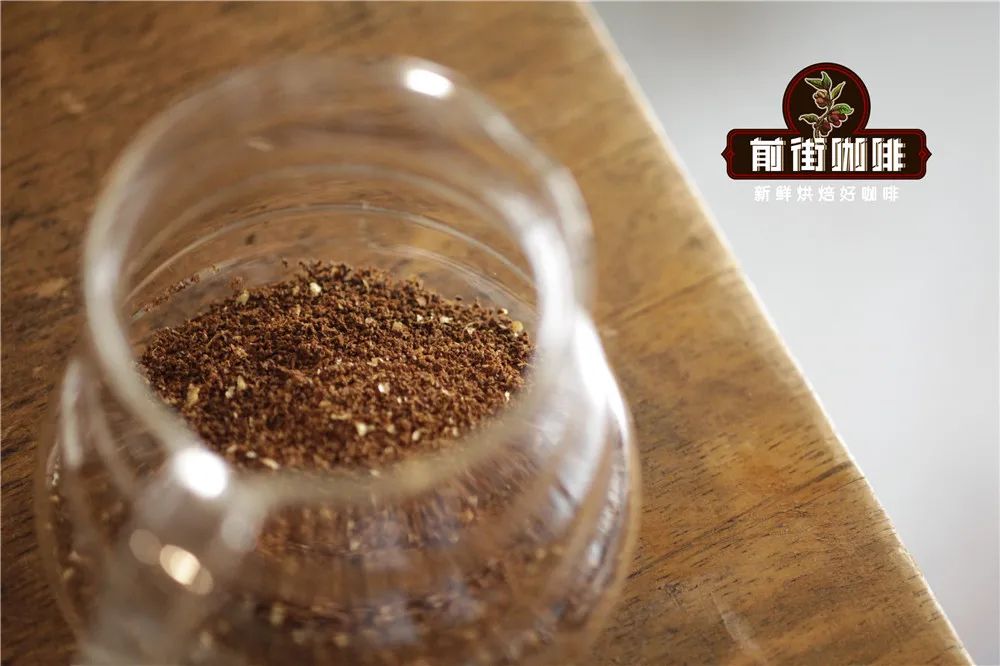
Like pour-over, cold brew demands attention to grind size. Too fine a grind packs densely and channels, causing over-extraction and bitterness; too coarse a grind invites channeling and under-extraction, leaving the coffee bland. FrontStreet Coffee recommends grinding slightly finer than for pour-over. We use a #20 standard sieve with a 75-85% pass rate as our reference - similar in coarseness to sugar granules.
2. Coffee-to-Water Ratio
FrontStreet Coffee suggests a 1:10 to 1:12 ratio for cold drip coffee. Coffee extracted within this range can be enjoyed straight or diluted with ice cubes to reach a moderate tasting strength.
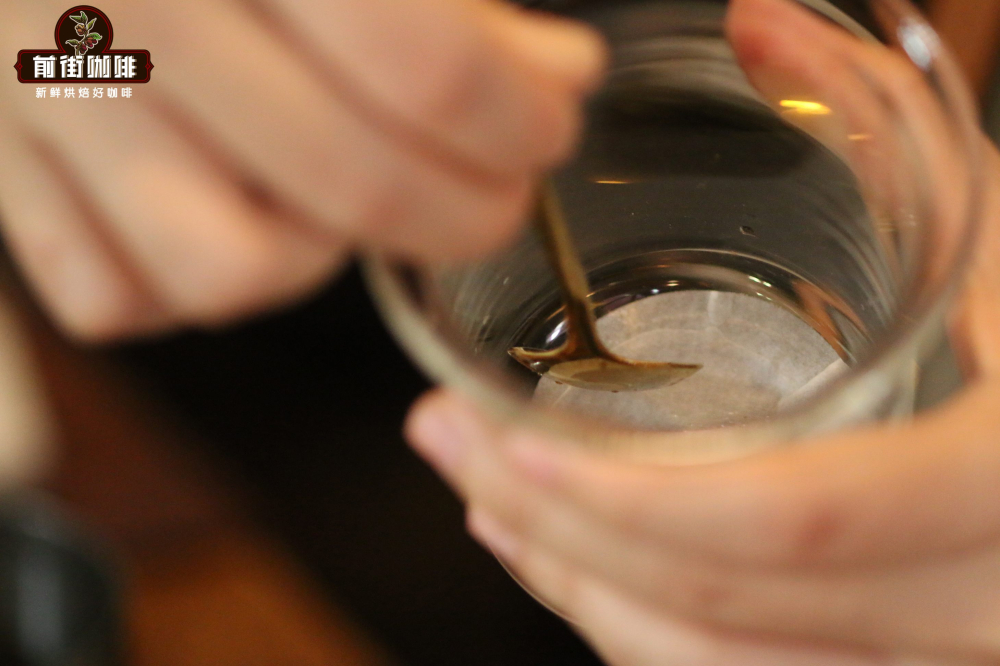
3. Please moisten the coffee grounds before dripping, and remember to place filter paper on top of the coffee grounds layer.
Moistening the grounds puts them in a water-saturated state before extraction begins, which helps the drip extraction run evenly. Also remember to lay a piece of filter paper on top of the grounds - it helps spread the water droplets evenly across the coffee bed. Otherwise the finished coffee may come out far too weak!
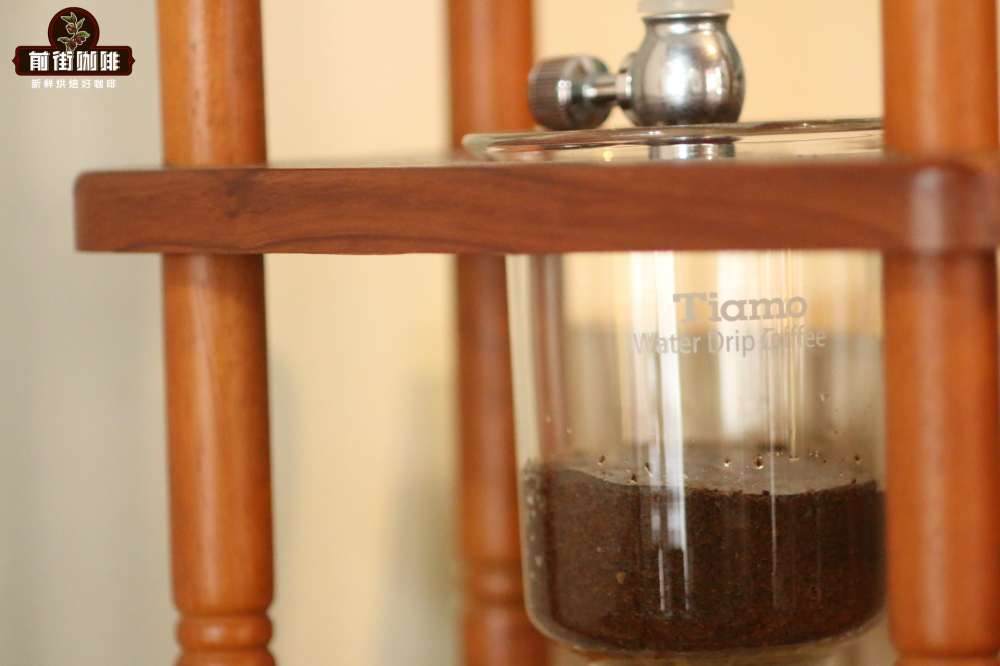
4. Cold drip coffee tastes better after a night in the refrigerator.
FrontStreet Coffee typically lets it rest overnight for about 12-14 hours, so the next day we can remove the grounds and collect the finished coffee. Once, we forgot and let it sit for more than a day - the result was bitter and harsh - so be sure to control the extraction time and avoid waste. Coffee also absorbs odors from the air around it, so if you're storing it in a home refrigerator, FrontStreet Coffee recommends a well-sealed container to prevent flavor contamination.

Why Should Cold Drip Coffee Be Fermented in the Refrigerator for Over 12 Hours After Drip Filtration? Is This Process Really Called Fermentation?
Strictly speaking, this step is better described as an oxidation process than a fermentation. Freshly roasted coffee beans contain about 2% carbon dioxide by weight. As that CO2 is released - depending on storage environment, equipment, or method - the pressure inside the packaging rises above atmospheric pressure. This pressure helps the aromatic substances and oils merge, bringing all the aromatics inside the beans into a state where they can be easily extracted.
The same applies to cold drip coffee. Because the extraction takes so long, many flavor molecules are extracted but not fully released. So once extraction is complete, sealing the coffee in a bottle and refrigerating it for 12-24 hours builds CO2 pressure inside the bottle that releases those flavor molecules. That's also why cold drip coffee grows more concentrated the longer it sits in the refrigerator. That said, FrontStreet Coffee doesn't recommend storing cold drip for a whole week - bacteria in the air or the bottle make the coffee's condition after prolonged storage impossible to guarantee. The recommended consumption window is within 72 hours. Past that, don't feel bad about dumping it - coffee kept that long does you no favors!
Which Coffee Beans Are Suitable for Cold Drip Coffee?
At this point many people think they should simply pick a flavor they like - and that's absolutely right! Just use your favorite beans. Thanks to the low-temperature extraction of cold brew and cold drip, these methods highlight wine-like aromas and fruity fermentation notes, which makes them perfect for flavor-forward beans. FrontStreet Coffee believes medium and medium-light roasts with rich floral-fruit aromas or fermentation notes suit cold drip best - such as the Costa Rica Musician Series or whiskey barrel-aged Honduran coffees.
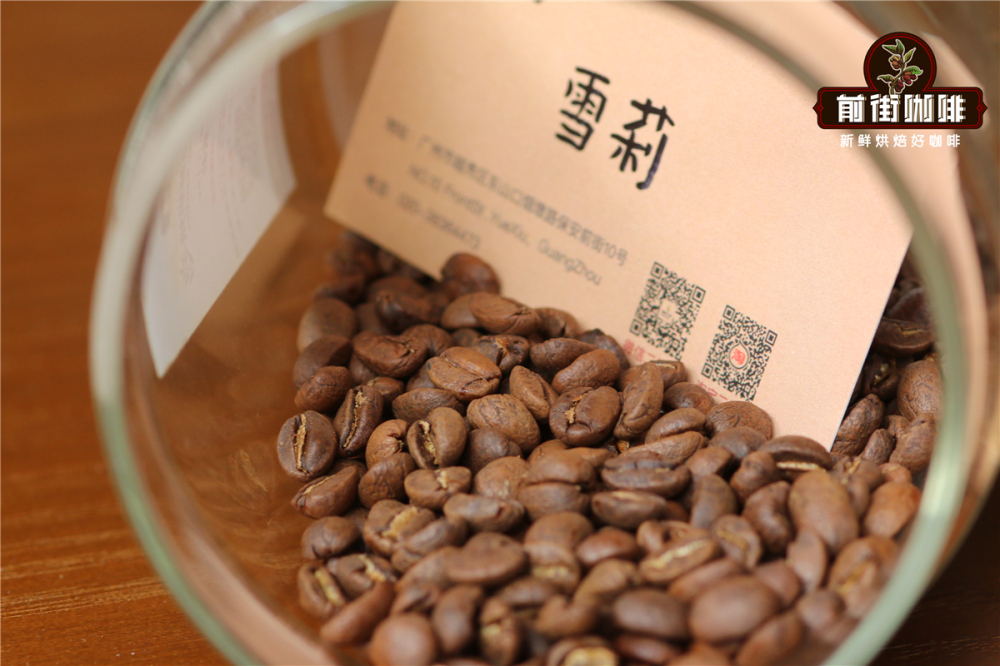
At FrontStreet Coffee, baristas often blend two different beans for cold drip coffee to highlight and balance each component. The point is to emphasize certain characteristics - one bean provides aroma, the other provides flavor. This time, FrontStreet Coffee will demonstrate with a blend of Costa Rica Mirasu Estate Geisha and whiskey barrel-fermented Honduras Sherry.

| Costa Rica Geisha Blend | Honduras Whiskey Barrel Fermented Sherry | |
|---|---|---|
| Country | ||
| Region | Mirazu | Marzagua |
| Altitude | 1700m | 1500-1700m |
| Processing | Raisin Honey | Fine Washed Whiskey Barrel Fermentation |
| Variety | Geisha ET47 SL28 MAICO | Caturra Catuai Pacas |
FrontStreet Coffee Brewing Parameters:
Coffee grounds: 60g (20g Geisha blend: 40g Sherry)
Coffee-to-water ratio: 1:10
1:1 ice-water mixture totaling 600ml
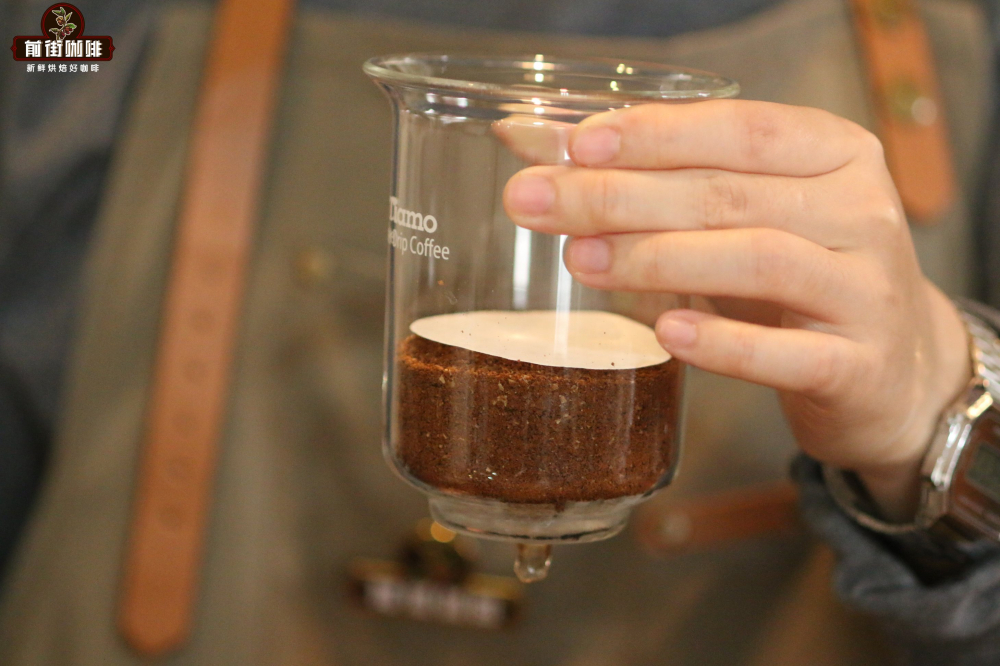
- Place a circular filter paper at the bottom of the grounds cup, moisten it with water so it clings to the cup wall, and add the 60g of ground coffee (FrontStreet Coffee uses a China standard #20 sieve with 78% pass rate). Shake to level the surface, or use the weight of the tamper itself to press the bed lightly flat.
- Lay a piece of filter paper over the grounds. The paper's surface tension spreads water evenly across the bed for extraction; without it, prolonged dripping would carve a pit into the coffee bed and disrupt the rest of the extraction.
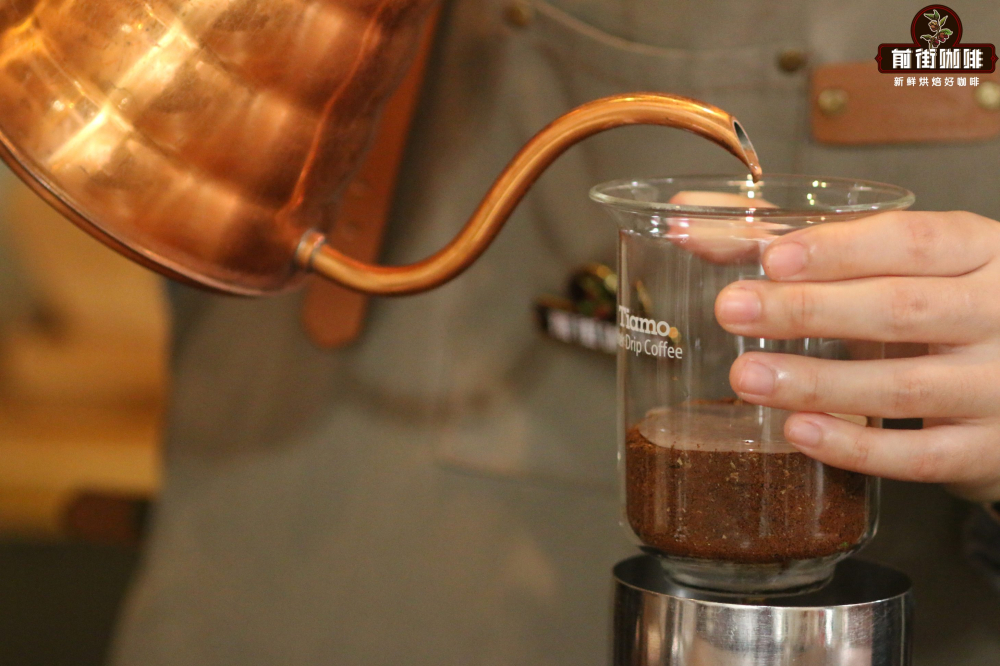
- First, moisten the entire coffee bed evenly with water as a "pre-soak." This step resembles the bloom in pour-over and improves extraction efficiency and consistency.
- Fill the upper pot with the 1:1 ice-water mixture and adjust the valve to a dripping speed of about 7 drops per 10 seconds. Keep the cold drip tower in a cool, dry spot away from bumps and knocks.
- Pour the finished coffee into a sealed glass bottle and refrigerate overnight to oxidize, letting the flavors meld for a better taste.
For professional coffee knowledge exchange and more coffee bean information, please follow Coffee Workshop (WeChat official account: cafe_style)
For more specialty coffee beans, feel free to add FrontStreet Coffee's private WeChat account: qjcoffeex
FrontStreet Coffee Recommendation
Beyond the Geisha-Sherry blend demo above, FrontStreet Coffee's cold-drip bean list has a style for every palate. For dark-berry lovers, Costa Rica Mozart is the pick: Costa Rica is famous for honey-processed coffees full of ripe-fruit sweetness - ideal for all kinds of iced coffee - and Mozart goes further with an anaerobic honey process that carries a striking raisin aroma. As cold drip it shows pronounced blueberry, black grape, and winey fermentation flavors, refreshing on the palate with a long-lingering finish.
If you prefer a clean, crisp cup, FrontStreet Coffee's Kenya Small Tomato is a classic: its 72-hour washed process gives the beans an extra 48 hours of rinsing and soaking, so the acidity is exceptionally lively - the whole cup drinks like fresh fruit juice. As cold drip it offers the delicate fragrance of cherry tomato and grapefruit with a light, refreshing acidity made for summer. And for a red-tea finish, FrontStreet Coffee's Ethiopia Huakui - one of the best-known Ethiopian beans, from Guji Hambella where elevations exceed 2,200 meters and long natural processing converts to a light floral-fruit aroma after roasting - delivers cream strawberry and guava sweetness, the fine texture of dried mango and florals, and rich layers of black-tea sweetness after the cold fermentation.
Don't overlook dark roasts, either. Few shops dare to make cold drip with dark-roast coffee, and you might assume it would turn out bitter - it doesn't. FrontStreet Coffee's PWN Golden Mandheling is a classic medium-dark roast that has gone through more caramelization, so it's loaded with dark chocolate, cocoa, and toast aromas. Made with the cold drip method above and chilled for 24 hours, then poured over ice, it shows a mellow sweetness with just a wisp of chocolate bitterness - remarkably transparent overall, with a rich fermented aroma that's thoroughly comforting.
Important Notice :
FrontStreet Coffee is a long-established specialty coffee roaster in Guangzhou China, selling freshly roasted beans from its own farm in Yunnan as well as dozens of carefully selected single-origin beans from around the world for both pour-over and espresso. The products deliver consistently excellent quality and great value, with shipping within 24 hours. Guangzhou's FrontStreet Coffee shop is recommended by many coffee lovers, and the beans are now available online at the Tmall 。
FrontStreet Coffee has moved to a new address:
FrontStreet Coffee Address: 315,Donghua East Road,GuangZhou
Tel:020 38364473
 Scan and follow the En Gafei WeChat official account. Please indicate that the reprint comes from "En Gafei".