Costa Rica Musician Series Coffee Beans: Flavor and Taste Differences Between Beethoven and Mozart
For more specialty coffee knowledge, please follow the WeChat official account: FrontStreet Coffee
FrontStreet Coffee's Costa Rican coffee has a hundred-year history, and FrontStreet Coffee believes that the country's coffee has long been an indispensable player in global coffee history. On the eve of Costa Rica's independence from Spain in 1821, the local government distributed free coffee seeds to promote coffee production and economic development. Since its first shipment to the UK in 1843, coffee has been one of Costa Rica's main export commodities (in fact, until 1890, coffee was the only export commodity).
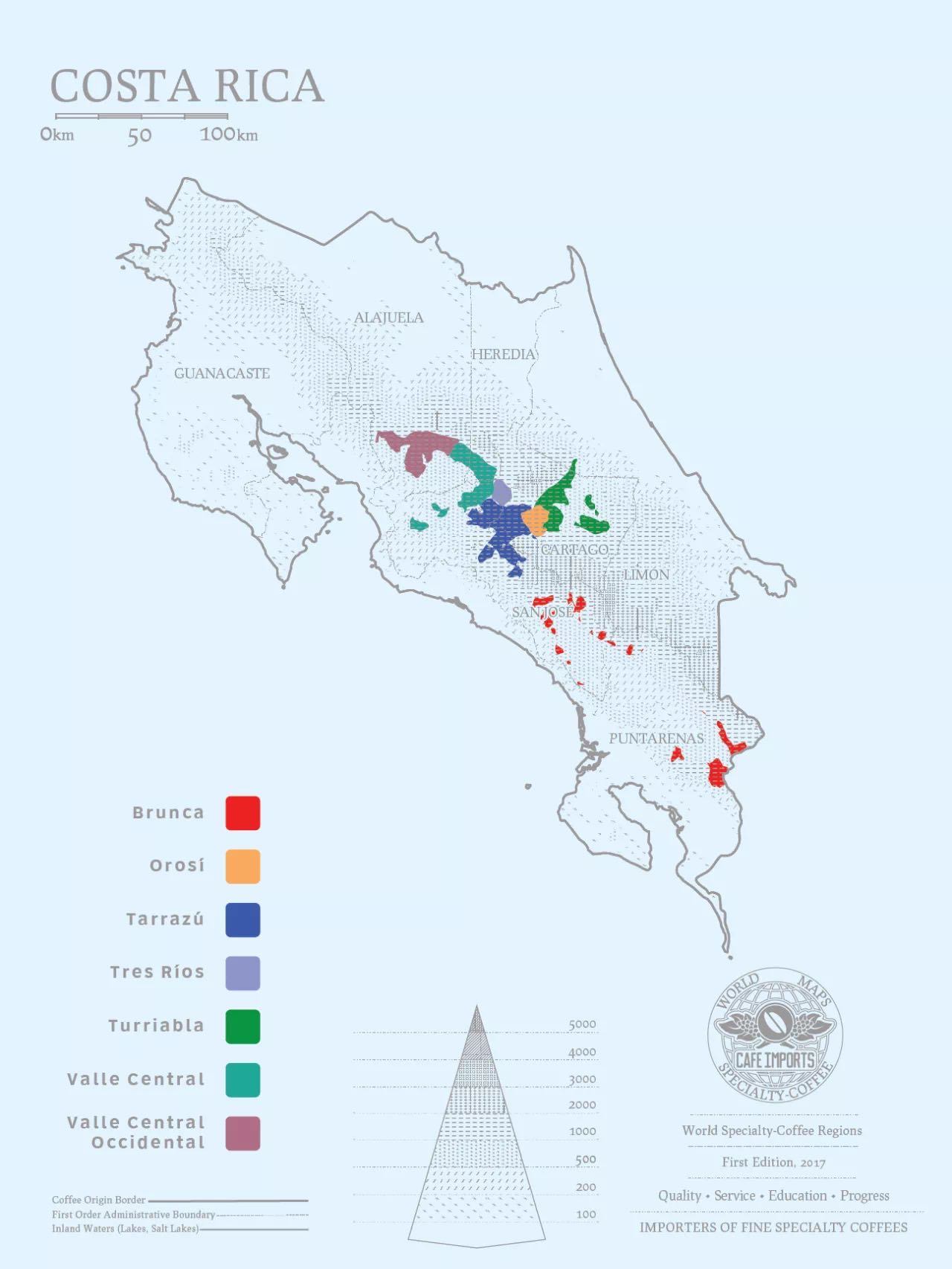
FrontStreet Coffee believes that Costa Rica is a leader in the specialty "micro-mill" and micro-batch coffee movement, pioneering responses to export buyers' calls for improved traceability. The country currently has over 50,000 coffee farmers, and after years of innovation since the coffee industry began to develop, it now has a complete industrial system and produces high-quality, world-class coffee. Costa Rica's volcanic soil is very fertile and well drained. The climate is moderated by Pacific and Atlantic ocean currents and sea breezes, creating unique microclimate characteristics. Coffee trees can slowly grow in the most fertile volcanic ash soil and high-altitude cool environments, cultivating coffee beans with complete and rich flavors.
Carnet Estate—FrontStreet Coffee's Costa Rican Musician Series Coffee
The origin of the Musician Series comes from the Carnet Estate owner's passion for classical music, so all coffee beans produced by this estate are named after musicians.
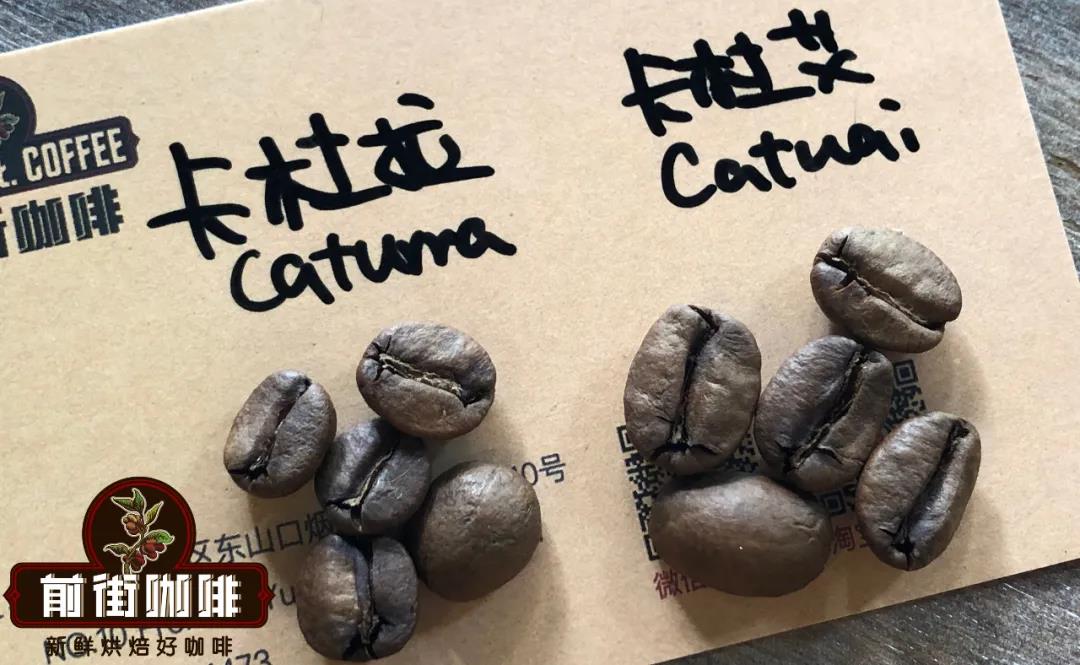
Carnet Estate is located in the highest altitude coffee-growing area of Tarrazu, Costa Rica. The estate uses Caturra and Catuai coffee beans for both raisin honey processing and washed processing, producing world-renowned Musician Series coffee beans named after "Beethoven," "Bach," "Chopin," and "Mozart." The altitude ranges from 1,700 to 1,950 meters, all classified as SHB (Strictly Hard Bean) grade high-altitude beans, with sweet flavors and rich fruit, wine, and tea aromas.
Caturra is a single-gene variant of Bourbon, discovered in Brazil in 1937. It has better production capacity and disease resistance than Bourbon, and the trees are shorter, making harvesting convenient. In terms of taste, it has lemon or citrus acidity and fruit-like sweetness. This area is the most intensive fruit-growing region in Costa Rica. The estate owner primarily grows passion fruit, with coffee quantities being quite scarce. Coffee is only planted in a specific area with special care, and only mature red cherry fruits are picked.
Raisin Honey Processing
Raisin honey processing is a method that preserves 100% fruit mucilage and uses zero-water processing. This increases the difficulty of honey processing, requiring strict time control. On the day of coffee cherry harvest, the harvested coffee fruits are poured into large water tanks. Mature, plump fruits will sink to the bottom, while underdeveloped or overripe fruits will float to the surface. These floating beans must be removed. The selected coffee fruits are placed on raised beds to dry for at least three days, then the cherry skin is removed, preserving the mucilage before further drying.
This is a quite sweet processing method with a white wine-like mouthfeel and balanced acidity. In terms of flavor, the fermentation aroma is more intense, and the preservation of fruit mucilage is higher than in other honey processing methods.
FrontStreet Coffee · Costa Rican Carnet Musician Series Coffee Beans—Bach
Country: Costa Rica
Region: Tarrazú
Altitude: 1950m
Processing: Raisin Honey Processing
Grade: Strictly Hard Bean (SHB)
Variety: Caturra
Flavor Description: Sweet and colorful various fruits, displaying diverse tastes of strawberry, apple, lemon, grape, and citrus. The flavors of honey and toffee are unforgettable. Silky cream-like delicate richness, with the long aftertaste of premium Indian Darjeeling black tea.
Bach's music is exquisite, richly layered, yet clear and organized. The coffee beans named FrontStreet Coffee's Bach have a dry aroma with fruit-like aromas of strawberry, blackberry, and raisin, and also emit bursts of fruit aroma during brewing. When freshly brewed, floral and fruit aromas are prominent, with rich fruit aroma and a sweet-sour sensation on entry. The middle and later stages carry a slight wine aroma, similar to red wine. When cooled, it has preserved-fruit sweet aroma, and the wine aroma becomes more obvious, even revealing plum wine flavor. Every sip feels like being in the magnificence and rigor of Baroque aesthetics.
FrontStreet Coffee · Costa Rican Carnet Musician Series Coffee Beans—Beethoven
Country: Costa Rica
Region: Tarrazú
Altitude: 1,900m
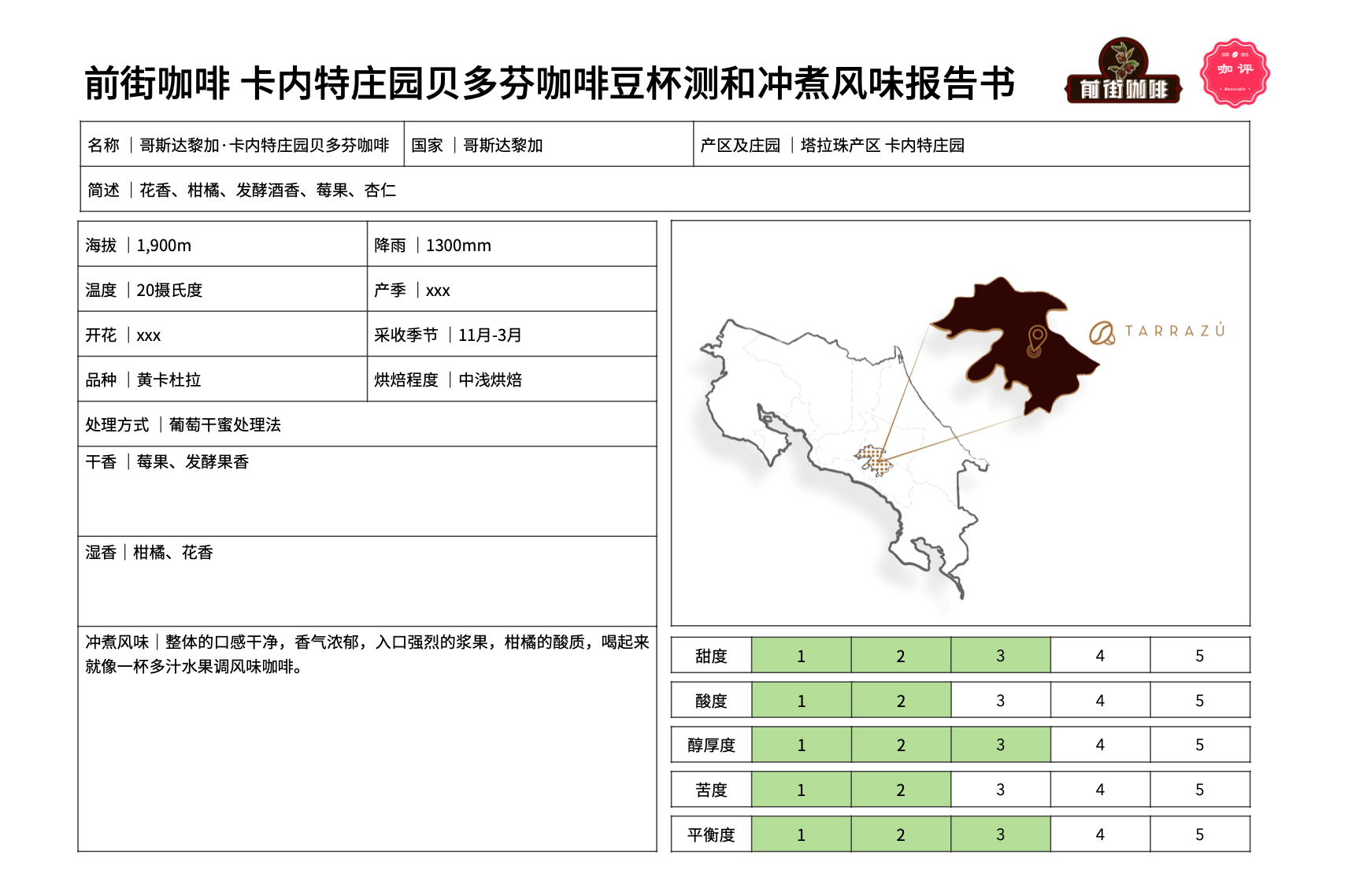
Processing: Washed Processing
Grade: SHB
Variety: Yellow Catuai
Flavor Description: Green grape, vanilla, strawberry, cantaloupe, citrus aromas, red pomegranate juice acidity, excellent cleanliness, smooth mouthfeel, with a slight green kiwi acidity.
The most famous of Romantic classical music is undoubtedly Beethoven, and coffee beans that evoke Beethoven's music when consumed naturally have exceptional flavors. The dry aroma has obvious red berries, with strawberry being most prominent, and emits floral fragrance. During brewing, you can feel floral, nectar-like sweet aroma and green grapes. FrontStreet Coffee's Beethoven coffee has the sweet and sour sensation of green grapes and red berries on entry, with overall clean smoothness. When cooled, the red berries become more obvious. Even foreign coffee bloggers have said this is a coffee with summer romantic feelings.
Incidentally, unlike the raisin honey processing used for other musician series, FrontStreet Coffee's Beethoven uses washed processing to achieve a summer-like clean and refreshing mouthfeel.
FrontStreet Coffee · Costa Rican Carnet Musician Series Coffee Beans—Chopin
Country: Costa Rica
Region: Tarrazú
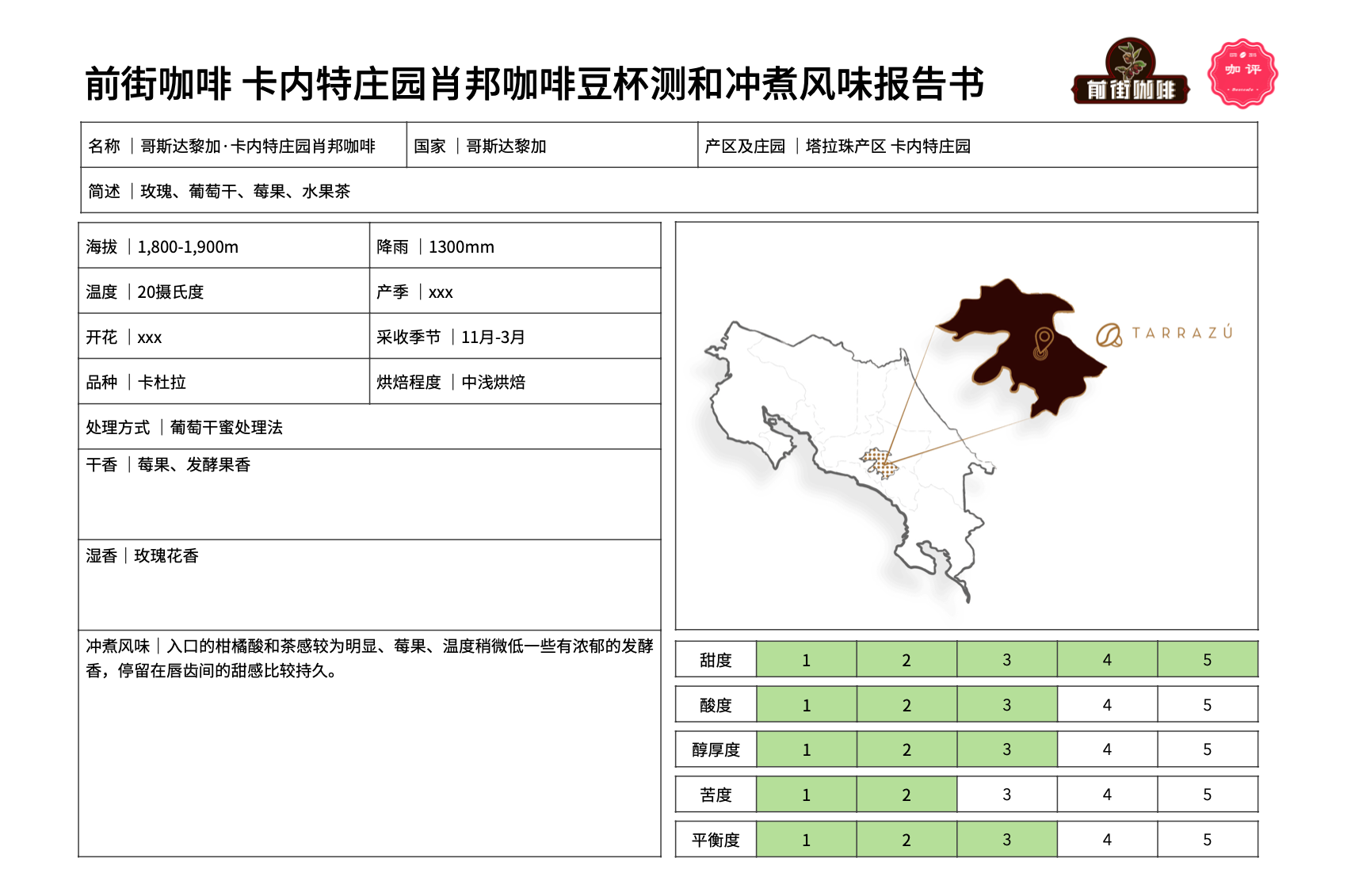
Altitude: 1,800-1,900m
Processing: Raisin Honey Processing
Grade: SHB
Variety: Catuai
Flavor Description: Apple flavor, vanilla flavor, honey flavor, cream flavor, maple flavor, rose flavor, lemon citrus flavor, dark chocolate flavor, coffee flower flavor
Chopin is another representative of Romantic classical music. The dry aroma carries blueberry, passion fruit, and honey sweetness, emitting bursts of rose fragrance, and also sweet and floral aromas during brewing. On entry, there are aromas of cantaloupe, muskmelon, and blueberry sandwich cookies, with a faint rose fragrance throughout, carrying honey sweetness. You can feel Chopin's gentleness.
FrontStreet Coffee · Costa Rican Carnet Musician Series—Mozart
Country: Costa Rica
Region: Tarrazú
Altitude: 1,800m
Processing: Raisin Honey Processing
Grade: SHB
Variety: Catuai
Flavor Description: The sweetness and berry aroma are amazing. Sweetness, consistency, and thickness are quite good, with ripe fruit sweetness similar to dried bananas.
Mozart, the child prodigy who epitomized classical music—be gloriously magnificent!
Magnificent fragrance: Emits elegant floral aroma, similar to white flower aromas like orange blossom, which can also be felt during brewing.
Magnificent mouthfeel: More dark berries, raisins, and trace amounts of red berries. In the middle and later stages, you can feel slight plum acidity and gummy bear-like sweetness. When cooled, it still maintains floral aroma and sweetness.
Unlike previous versions, FrontStreet Coffee's previous Mozart coffee beans used the Yellow Catuai variety processed with red honey, known for their bold floral aromas. This time, it was decided to use Caturra's sweetness as the representative of FrontStreet Coffee's Mozart.
FrontStreet Musician Series Coffee Processing Comparison
FrontStreet Coffee's "Mozart" and "Bach" both use raisin honey processing, which is actually a double fermentation processing method. On the day of coffee cherry harvest, the harvested coffee fruits are poured into large water tanks, bad beans are removed, and selected coffee fruits are placed on raised beds to dry for at least three days, then the cherry skin is removed, preserving the coffee's mucilage before further drying. During the drying process, constant turning is required to ensure even drying. The frequency of turning must be controlled to avoid over-fermentation. This method of preserving 100% mucilage and using zero-water processing not only increases the difficulty of honey processing but also requires strict time control.
FrontStreet Coffee's "Beethoven" uses washed processing. After harvest, it undergoes a screening process, picking out immature or overripe beans again, then removing the pulp. The mucilage on the beans is removed with a centrifugal washing machine to avoid fermentation, then washed with clean water, and finally placed on shaded raised racks to dry for 12-14 days, constantly turned to achieve even drying. Beans that have been washed have a cleaner and brighter taste.
FrontStreet Musician Series Coffee Flavor Comparison
"FrontStreet Coffee's Chopin": Fermented aroma, rose, with citrus and berry-like acidity on entry, raisin and cane sugar sweetness, and a tea sensation.
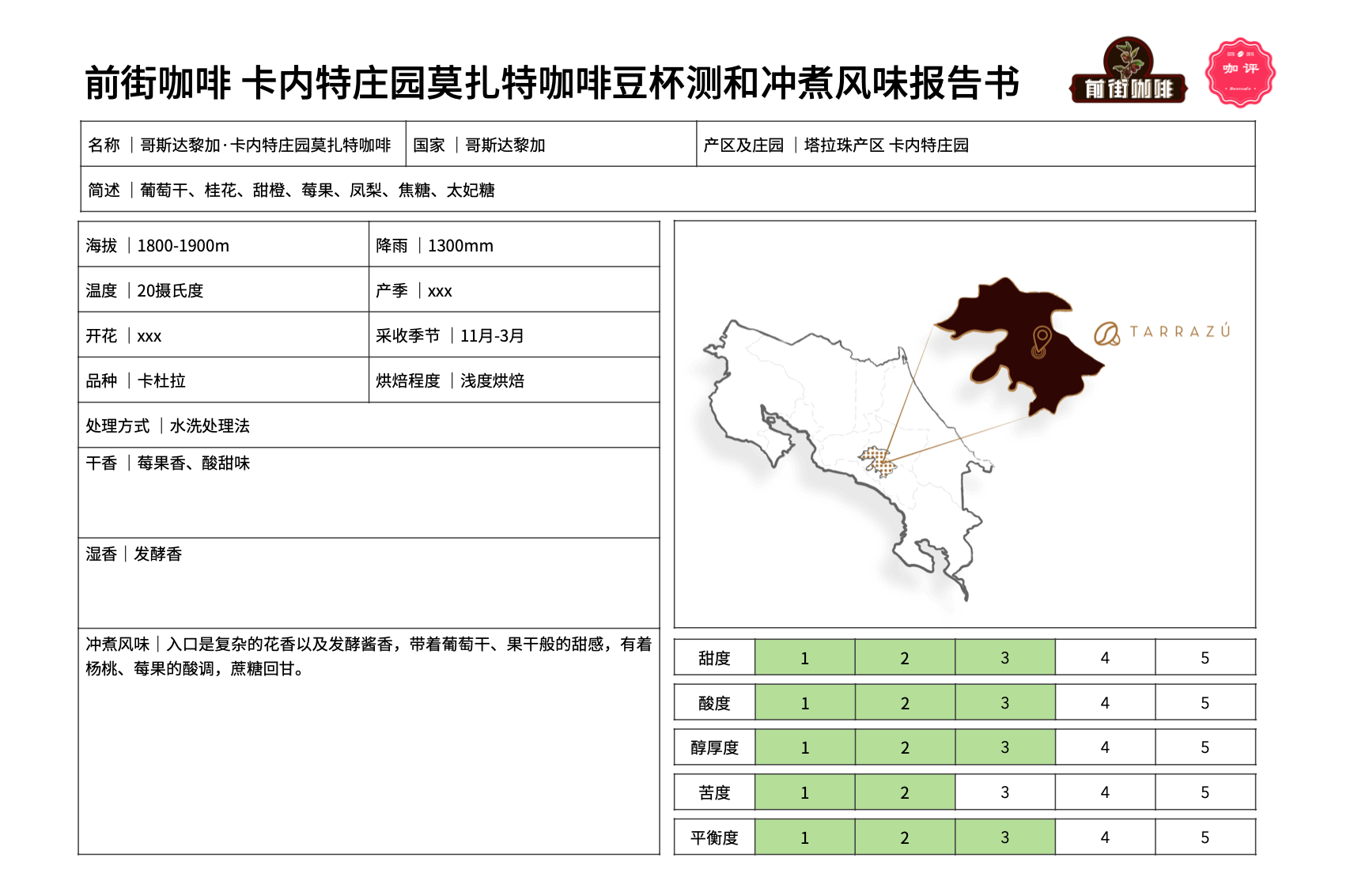
"FrontStreet Coffee's Mozart": Berries, fermented aroma, with raisin and sweet orange on entry, and fermented wine aroma and osmanthus fragrance becoming more obvious with temperature changes.
"FrontStreet Coffee's Beethoven": Berries, tea aroma, with citrus and black tea on entry, and caramel and a tea sensation becoming more obvious with temperature changes.
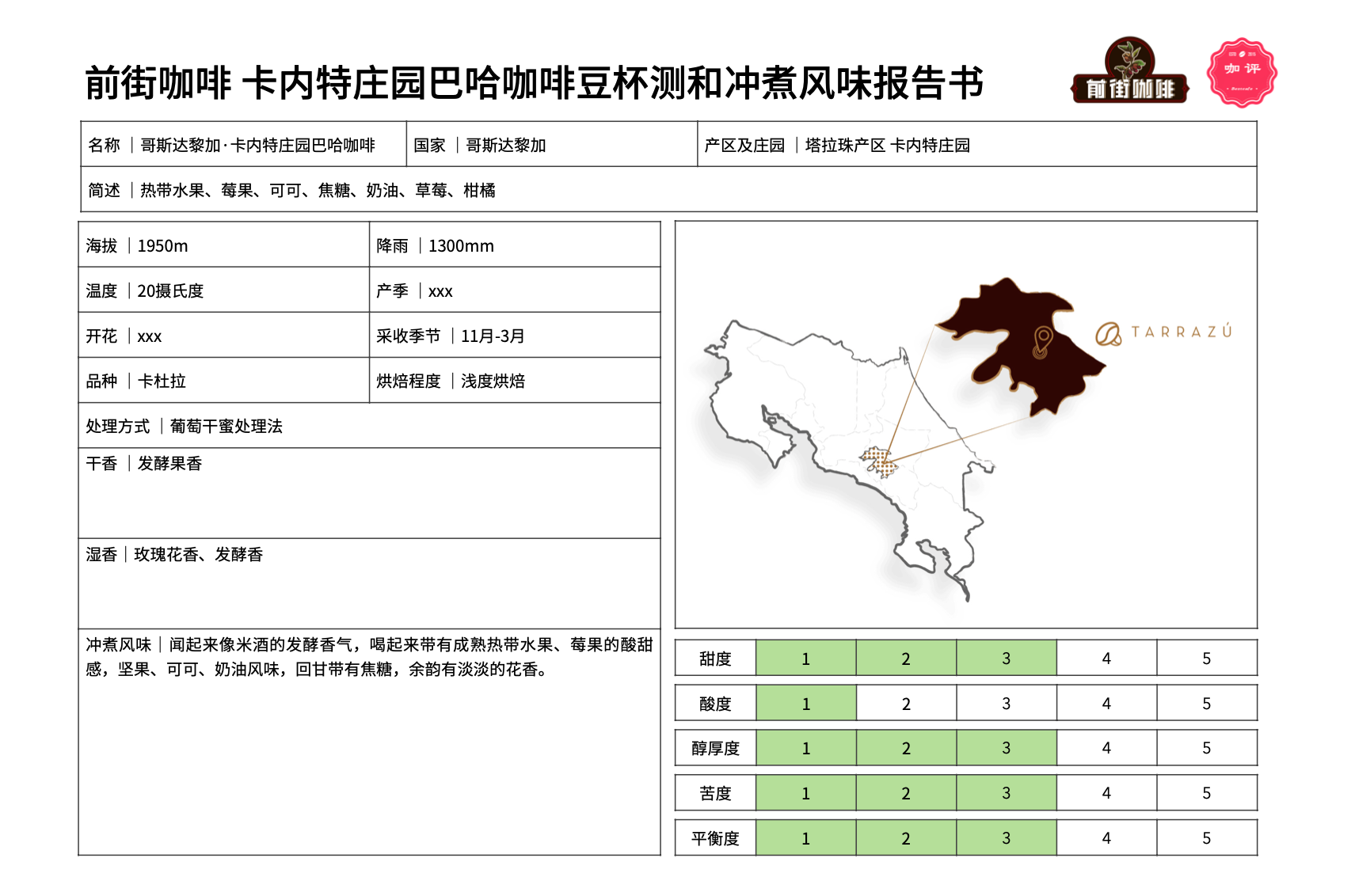
"FrontStreet Coffee's Bach": Fermented aroma, with tropical fruit and fermented flavors on entry, and cream, nuts, and caramel becoming more obvious with temperature changes.
In terms of mouthfeel, "FrontStreet Coffee's Mozart" and "FrontStreet Coffee's Bach" have more prominent fermented flavors and fruit notes, with a richer mouthfeel and sufficient sweetness; "FrontStreet Coffee's Beethoven" has more prominent citrus and black tea flavors, with a cleaner and refreshing mouthfeel.
In terms of aroma, "FrontStreet Coffee's Mozart" has prominent and richly complex aromas; "FrontStreet Coffee's Beethoven" leans toward tea aroma, being more refreshing; "FrontStreet Coffee's Bach" has complex and intense fermented fruit aromas.
Roasting and Brewing FrontStreet Coffee's Musician Series Coffee Beans
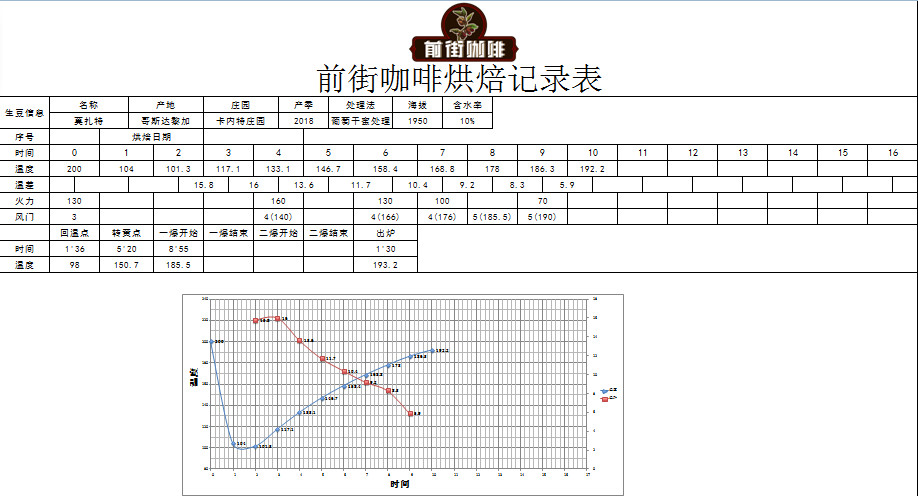
Mozart Coffee Roasting Suggestions:
Roaster: Yang Jia 800N semi-direct flame (300g batch size)
Preheat the roaster to 200°C, adjust heat to 160, damper to 3, return to temperature at 1'36", maintain heat; at 140°C, adjust heat to 160, damper to 4. Turn yellow at 5'20", grassy aroma disappears, entering dehydration stage. At 166°C, reduce heat to 130, damper remains at 4. At 176°C, adjust heat to 100, damper unchanged.
Dehydration complete at 8'05", bean surface shows wrinkles and black spots, toast aroma turns to coffee aroma, as prelude to first crack. At this point, pay attention to listen for the first crack sound. First crack starts at 8'55", damper fully open to 5, heat unchanged. Development time after first crack is 1'30", drop at 193.2°C.
Brewing Flavors
FrontStreet Coffee's Costa Rican Bach Coffee Roasting Suggestions:
Roaster: Yang Jia 800N semi-direct flame (300g batch size)
Preheat the roaster to 200°C, adjust heat to 160, damper to 3, return to temperature at 1'36", maintain heat; at 140°C, keep heat at 160, damper to 4. Turn yellow at 4'50", grassy aroma disappears, entering dehydration stage. At 166°C, reduce heat to 135, damper remains at 4.
Dehydration complete at 8'05", bean surface shows wrinkles and black spots, toast aroma turns to coffee aroma, as prelude to first crack. At this point, pay attention to listen for the first crack sound. First crack starts at 8'38", damper fully open to 5, heat unchanged. Development time after first crack is 1'45", drop at 193.8°C.
Brewing Flavors:
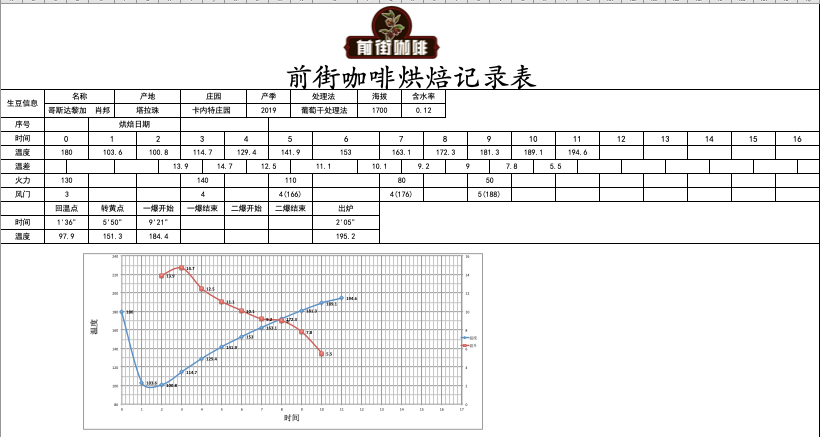
FrontStreet Coffee's Costa Rican Chopin Coffee Roasting Suggestions:
Roaster: Yang Jia 800N semi-direct flame (300g batch size)
Preheat the roaster to 180°C, adjust heat to 130, damper to 3, return to temperature at 1'36", maintain heat; at 140°C, heat unchanged, damper to 4. Turn yellow at 5'20", grassy aroma disappears, entering dehydration stage. At 166°C, reduce heat to 110, damper remains at 4. At 176°C, adjust heat to 80, damper unchanged.
Dehydration complete at 8'15", bean surface shows wrinkles and black spots, toast aroma turns to coffee aroma, as prelude to first crack. At this point, pay attention to listen for the first crack sound. First crack starts at 9'21", damper fully open to 5, heat unchanged. Development time after first crack is 2'05", drop at 195.2°C. Agtron bean color value is 70.3 (above image), Agtron ground color value is 78.3 (below image), Roast Delta value is 8.
FrontStreet Coffee's Costa Rican Beethoven Coffee Roasting Suggestions:
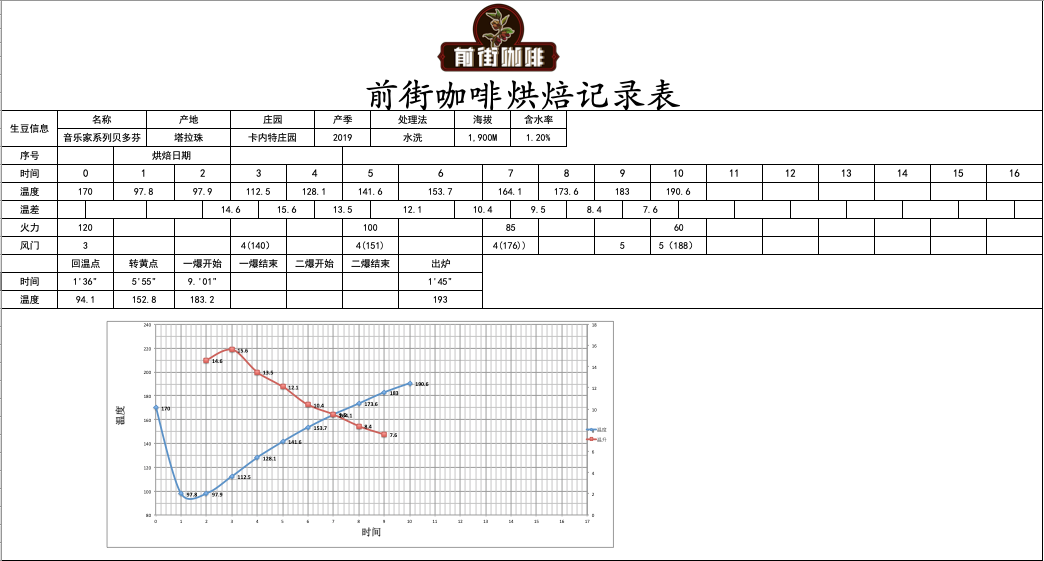
FrontStreet Coffee's roaster feels that this Beethoven bean has high density and believes that medium roasting can preserve the bright acidity, showcase this bean's fruit notes, and also enhance richness and balance.
Roaster: Yang Jia 800N semi-direct flame
Preheat the roaster to 170°C, adjust heat to 120, damper to 3, return to temperature at 1'36", maintain heat; at 140°C, heat unchanged, damper to 4. Turn yellow at 5'55", grassy aroma disappears, entering dehydration stage. At 151°C, reduce heat to 100, damper remains at 4. At 176°C, adjust heat to 85, damper unchanged.
Dehydration complete at 8'15", bean surface shows wrinkles and black spots, toast aroma turns to coffee aroma, as prelude to first crack. At this point, pay attention to listen for the first crack sound. First crack starts at 9'01", damper fully open to 5, heat unchanged. Development time after first crack is 1'45", drop at 193°C.
Brewing Flavors:
Brewing Suggestions
Dripper: V60
Coffee-to-water ratio: 1:15
Water temperature: 90°C
Grind size: Hand-pour fine sugar (China #20 sieve 80% pass rate)
Brewing Technique
Segmented water pouring
Use 30g of water for a 30-second bloom, pour with a small stream in circles to 125g for the first segment. When the water level drops and is about to expose the coffee bed, continue pouring to 225g and stop. When the water level drops and is about to expose the coffee bed, remove the dripper. Extraction time is 2 minutes.





FrontStreet Coffee Recommendation
If the Musician Series has you curious about honey processing, the method itself descends from the half-washed style: coffee is dried after the skin is removed, which shortens drying time and avoids the off-flavors of poor fermentation. FrontStreet Cerrado, a classic Brazilian half-washed coffee, shows the style with clear cream, peanut, nut, and chocolate notes. Brazil's success caught Costa Rica's attention, and producers adapted the half-washed method into honey processing, refining it according to how much mucilage is kept and how long it dries, which in turn produced the more detailed categories of black honey, red honey, yellow honey, and white honey.
Among these, FrontStreet Costa Rica Blackberry uses a distinctive black honey process, a method that removes almost no mucilage, dries for a longer time lasting at least 2 weeks, and uses covers to keep strong sunlight from drying the beans too quickly, ensuring the sugars convert fully. The cherries must be turned at irregular intervals during drying to prevent uneven heat and over-fermentation, so black honey demands more effort than other methods. After this black honey processing, FrontStreet Blackberry is roasted medium-light; ground, it gives off an intense floral fragrance, and brewed it carries the distinctive flavors of grape, berry, and ripe blackberry.
For a blend that shows how honey processing meets Geisha, FrontStreet Strawberry Candy combines the Panama Geisha variety with a Costa Rican coffee. The Geisha contributes classic orange-blossom honey notes, while the Costa Rican coffee uses raisin honey processing, preserving 100% mucilage with a zero-water method: on the day of harvest the cherries are poured into large tanks, where mature, plump fruit sinks and underdeveloped or overripe fruit floats and is removed; the selected cherries dry on raised beds for at least three days, then the skin is removed, the mucilage kept, and drying continues with constant turning for evenness. The result is a coffee with Geisha's floral-tea character plus grape and raisin notes, soft fruit acidity, an almond finish, and noticeable sweetness. If you want to explore an innovative take on honey processing, FrontStreet Costa Rica Mozart uses the raisin honey method, a modified version that goes beyond traditional yellow, red, and black honey: the cherries are pre-dried on raised beds for at least three days before the skin and pulp are removed and the remaining honey steps completed. Preserving 100% mucilage makes it harder than black honey and demands strict timing, and it brings richer tropical fruit sweetness, with FrontStreet Mozart showing distinctive osmanthus, pineapple, and raisin aromas whether brewed as pour-over, cold brew, or in a moka pot.
Important Notice :
FrontStreet Coffee is a long-established specialty coffee roaster in Guangzhou China, selling freshly roasted beans from its own farm in Yunnan as well as dozens of carefully selected single-origin beans from around the world for both pour-over and espresso. The products deliver consistently excellent quality and great value, with shipping within 24 hours. Guangzhou's FrontStreet Coffee shop is recommended by many coffee lovers, and the beans are now available online at the Tmall 。
FrontStreet Coffee has moved to a new address:
FrontStreet Coffee Address: 315,Donghua East Road,GuangZhou
Tel:020 38364473
 Scan and follow the En Gafei WeChat official account. Please indicate that the reprint comes from "En Gafei".

What are the flavor and texture differences between semi-dried and honey processed coffee? Which tastes better: semi-dried or honey processed?