Introduction to Colombian Coffee Regions - History of Colombian Coffee Cultivation - Is Colombian Coffee Good?
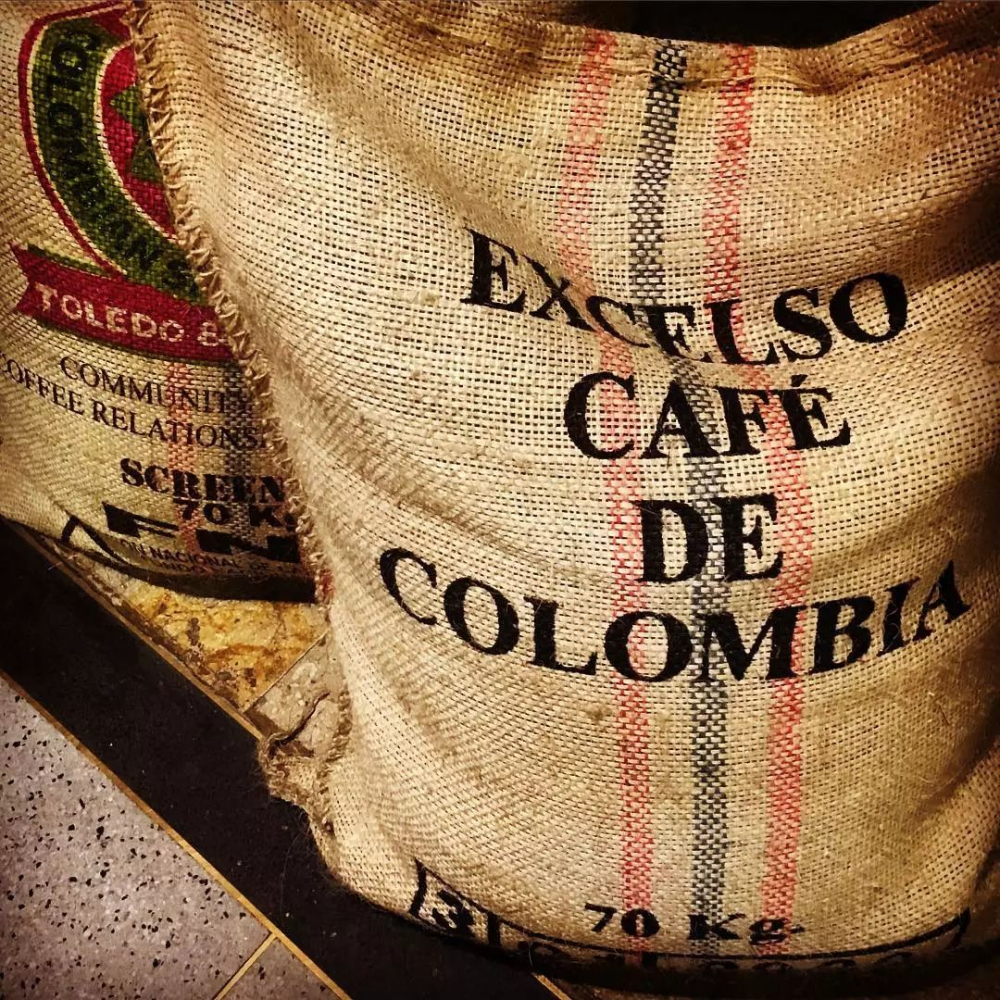
Coffee is the pride of Colombians. Besides their once world-class football, Colombians most love to talk about their proud coffee. Drinking coffee in Colombia is a pleasure: it is essential three times a day, and cafes are scattered throughout the streets and alleys, bustling with customers from morning till night. There is no instant coffee in these cafes; they brew and sell fresh coffee, with waitresses carefully pouring it into delicate porcelain bowls and respectfully serving it to customers, who add sugar as they please. The aroma fills the air, the drink is sweet and delicious, and savoring it slowly leaves an endless aftertaste. No wonder locals are all devoted to it. To understand the story of Colombian coffee, FrontStreet Coffee must start with the local well-known coffee association.
The Colombian Coffee Growers Federation (FNC)
The FNC is Colombia's largest official organization of coffee producers, with the full name "National Federation of Coffee Growers of Colombia," also known as the Colombian Coffee Growers Alliance, established in 1927.

The FNC is an organization serving Colombian coffee growers and is also the largest exporter of green coffee beans in the country. The association has long been committed to improving the quality of life for Colombian coffee producers through various actions, such as providing technical assistance to growers and optimizing production costs, which ensures the long-term development of local coffee farmers and safeguards the quality of the entire coffee industry.
Thanks to the FNC's promotion in the international coffee market, it successfully created "Don Juan," Juan Valdez, representing the image of all Colombian coffee growers. This character and his mule, with the Andes Mountains in the background, became the official symbol of the Colombian Coffee Growers Federation, frequently appearing on major advertising screens. With such promotion, Colombian coffee became famous worldwide, and Colombia became the world's third-largest coffee exporter, which makes Colombians immensely proud.
Colombian Coffee Cultivation
Colombia is located in the northern part of South America. From the map, we can see that Colombian coffee growing areas are distributed along the Andes Mountains, from south to north, with producing areas mainly spread throughout the western part of the country. Because the growing areas are so widely distributed, different geographical factors and climate characteristics form different coffee production seasons, meaning Colombia can have coffee harvests year-round.
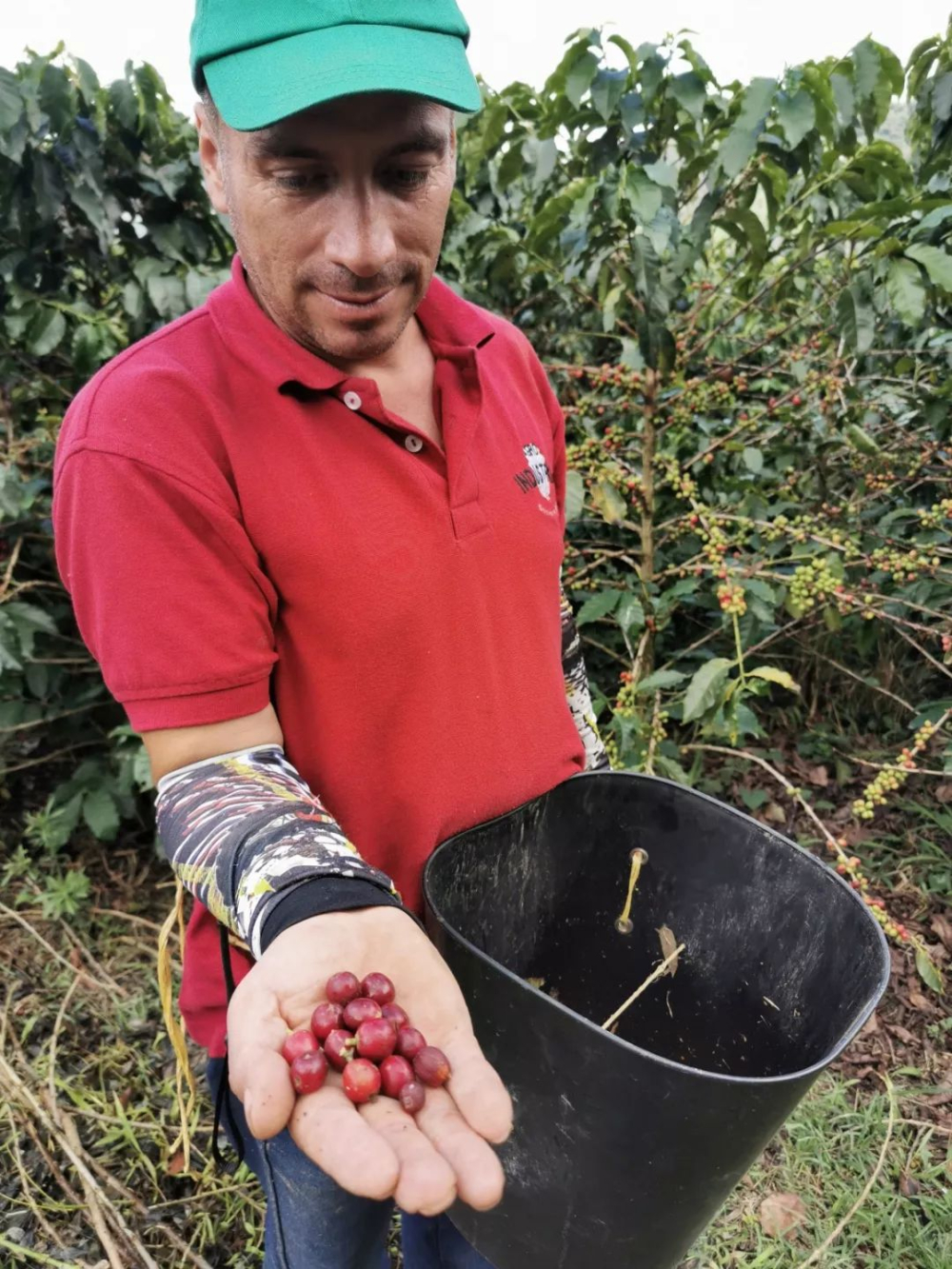
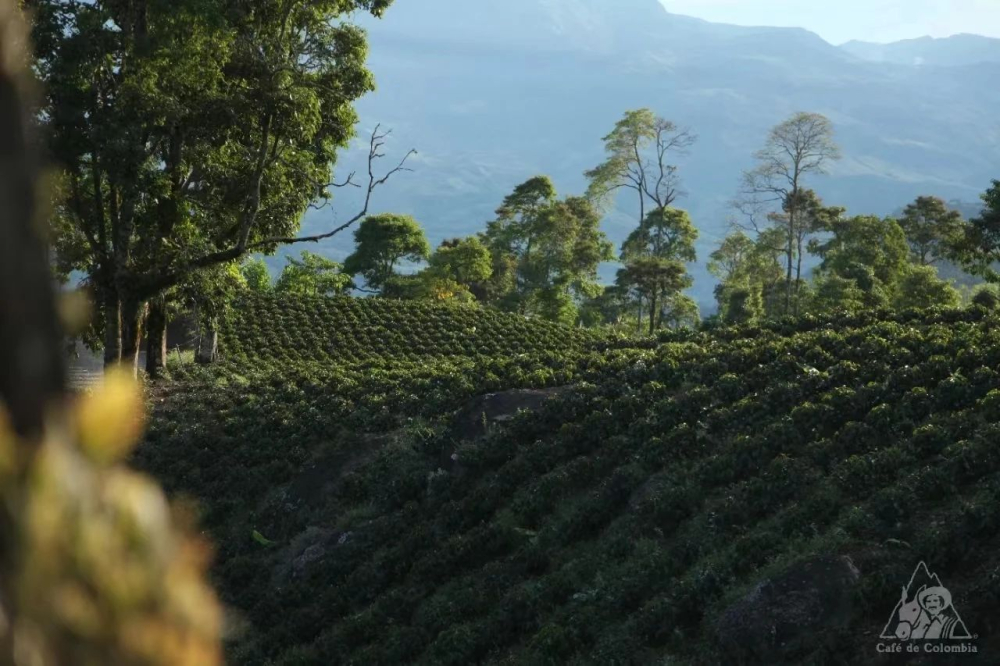
Colombia has high cultivation altitudes, between 1000 and 2500 meters. Here, influenced by the diverse terrain of the Andes Mountains, there are rich microclimates, abundant rainfall, and temperatures around 18 degrees Celsius year-round, which is very suitable for coffee tree growth. This is the primary reason for the superior quality of Colombian coffee. Around 30%-40% of the rural population depends on coffee production, and local agriculture is managed in small farm models, with coffee cultivation being no exception. The farms are not large, generally only about two hectares, and farm owners carefully tend to the plants in their gardens. Locals plant tall trees or banana trees around coffee trees to provide shade.
According to geographical location, Colombian coffee growing areas can be divided into three producing regions: northern, central, and southern, with the main distribution based on coffee bean quality being in the southern region. Below, FrontStreet Coffee will discuss several representative producing regions: Huila, Cauca, Nariño, and Santander.
Huila Region
Located in southwestern Colombia, the Huila region is one of the important specialty coffee growing areas locally, accounting for 12% of Colombia's total coffee production. This area is surrounded by diverse hilly terrain, with altitudes above 1500 meters, and the Colombian River converges here, providing sufficient water resources for coffee tree growth. Different from the classic rich flavor of Colombian coffee in traditional impressions, the Huila region mainly features micro-batch coffees provided by small farmers, with different microclimates and unique green bean processing methods, each presenting its own character in the cup. FrontStreet Coffee believes that washed Huila coffee best represents the basic flavor of Colombian coffee, so it has been added to the daily bean series.
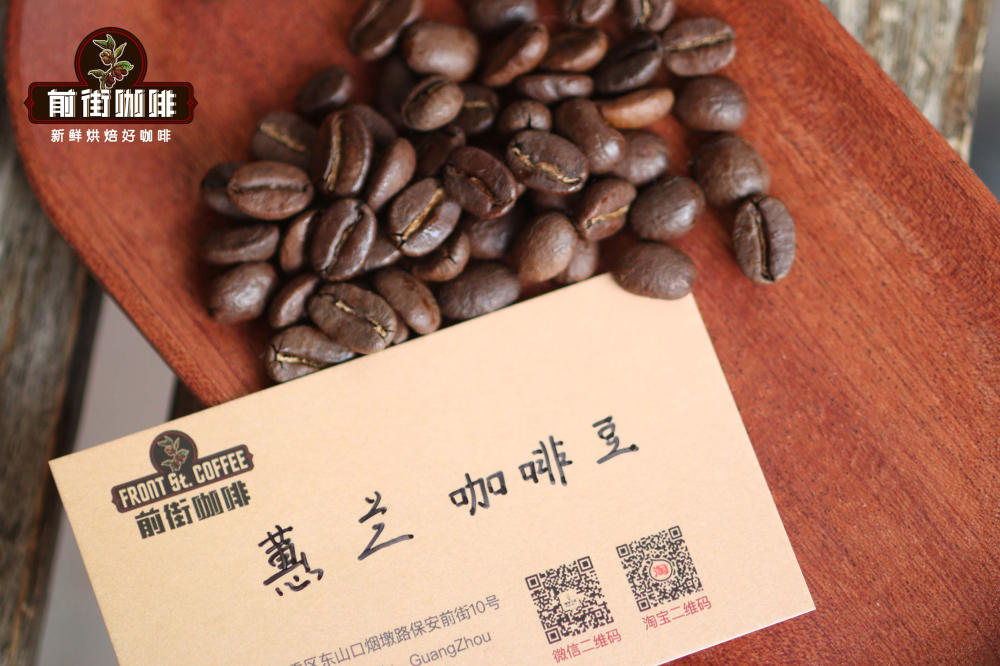
FrontStreet Coffee: Colombian Huila Coffee Beans
Region: Huila
Altitude: 1500-1800 meters
Processing Method: Washed
Variety: Caturra
Flavor: Nuts, dark chocolate, caramel, soft fruit acidity
Cauca Region
The Cauca region has high-altitude mountainous terrain, with altitudes up to 2100 meters. The suitable precipitation, large day-night temperature differences, and volcanic soil here are all well suited to coffee tree growth. The significant day-night temperature difference formed at high altitude is the biggest difference from other Colombian producing regions. Coffee beans have a longer maturation time and fully absorb nutrients, which also creates the pleasant sweetness and acidity of Cauca coffee.
Nariño Region
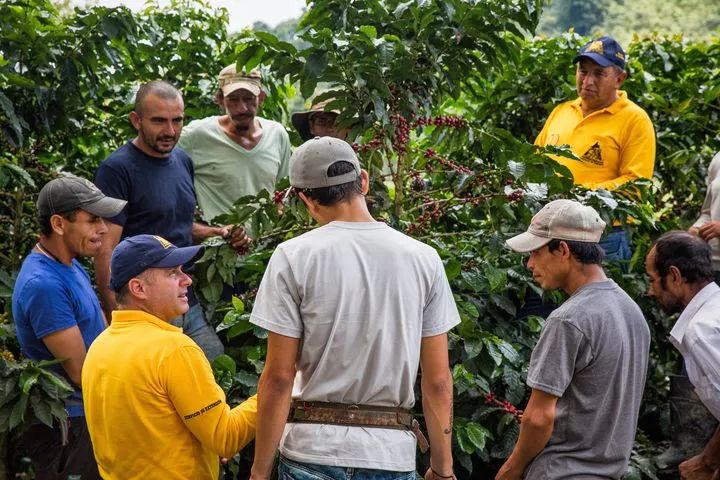
The Andes Mountains span the entire Nariño province, where coffee trees are planted in high-altitude, misty environments between 1600 and 2300 meters. The rich nutrients brought by volcanic soil produce superior quality coffee. Although the Nariño region's production is not high, its special microclimate, created by altitude, terrain, and soil, gives coffee from this region excellent acidity and a unique flavor, along with high texture grades and excellent quality, making it deeply loved by coffee enthusiasts worldwide in recent years.
Santander Region
FrontStreet Coffee has learned that Santander is the earliest province in Colombia to start growing coffee. Although not often mentioned, it is also a very important producing region in Colombia, with coffee production reaching 5% of Colombia's total output. The climate here is dry, with relatively low altitudes of about 1400-1600m, and large amounts of Typica variety are grown. Most local coffee trees are planted in forests with appropriate shade, which gives the coffee cherries a longer maturation period. Fertile soil and significant temperature differences make the coffee flavor richer, with a rounded and balanced mouthfeel. The Rose Valley coffee beans sold by FrontStreet Coffee, for example, are produced here.
Hand-pour Suggestions for Colombian Huila Coffee Beans
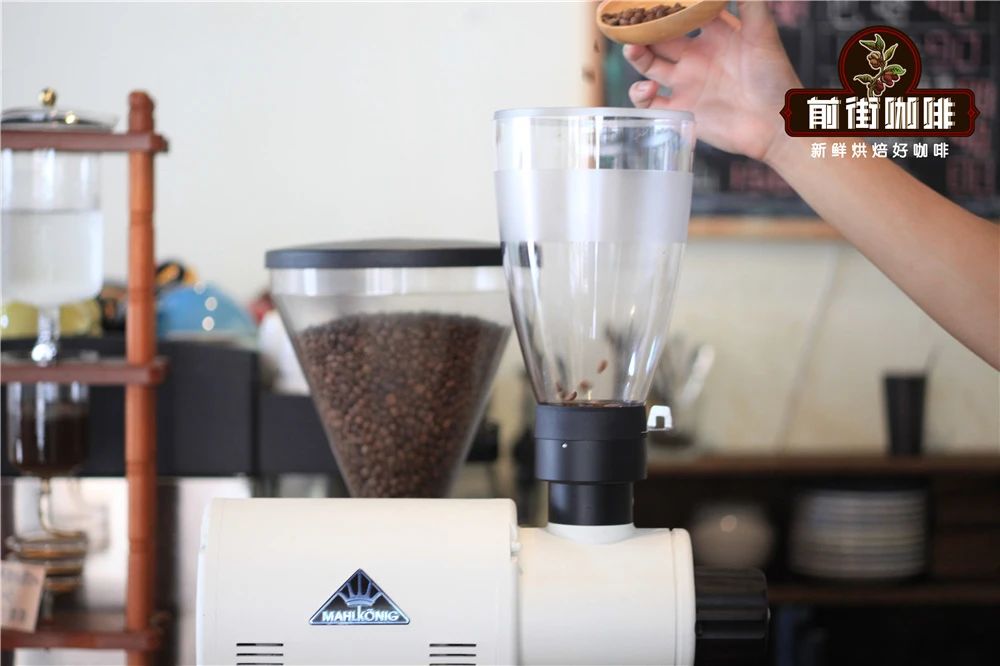
To make a delicious cup of coffee, FrontStreet Coffee believes it is essential to have suitable extraction parameters. Here, using Huila daily beans as an example, we will demonstrate how to make a delicious Colombian coffee. Considering that Huila daily beans use a medium-dark roast, with flavors leaning toward nuts, chocolate, and a rich, mellow character, the deeper roast makes the coffee beans more porous and the coffee grounds more water-absorbent, so a medium grind is chosen. To avoid extracting excessive miscellaneous flavors, FrontStreet Coffee lowers the water temperature slightly, using a medium 90-degree Celsius water temperature paired with a KONO dripper for extraction.
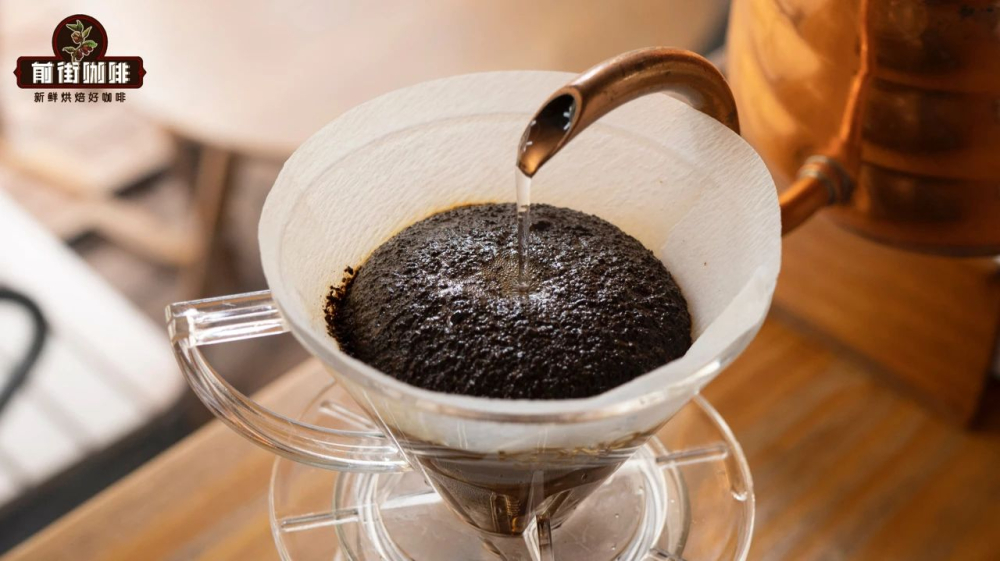
Unlike the V60 dripper, the KONO dripper's only exhaust area is that quarter of the ribs. When the water level exceeds the rib area, the water level in the dripper continuously rises, increasing pressure through the weight of the water. Because the outlet is relatively small, it can extend the contact time between coffee particles and water, effectively bringing out soluble substances as the water flows, thereby enhancing the rich, full-bodied taste of the coffee.
Brewing parameters: KONO dripper, 90-degree Celsius water temperature, 75% pass-through rate with a #20 standard sieve, 1:15 coffee-to-water ratio, coffee amount 15 grams, three-stage extraction.
Pour the coffee grounds into a KONO dripper, wet the coffee bed with twice the amount of water to form a dome and bloom for 30 seconds, then use a small water flow to pour water in circles from inside to outside to 125g for the second stage. Wait until the coffee bed drops to half the dripper's height, then continue with the same fine water flow to inject the third stage to 225g, until all the coffee liquid has filtered through, then remove the dripper, taking about 2 minutes.
This Colombian Huila daily bean has obvious roasted aromas of chocolate, nuts, and caramel when tasted, smooth and sweet, with moderate body, a clean mouthfeel, and a pleasant soft acidity that can be felt as the temperature decreases.
FrontStreet Coffee Recommendation
If the Huila profile above is what you want in your own kitchen, FrontStreet Coffee's washed Colombia Huila is the bean this article brews with: medium-dark roasted for black chocolate, nutty sweetness, moderate crema, and a mellow body that works for pour-over, French press, moka pot, and espresso alike. For a more modern Colombian flavor, FrontStreet's Colombia Sidra is grown at 1,650-1,800 meters and given a double anaerobic natural process with a medium-light roast, offering jasmine and citrus in the dry aroma and passion fruit, blueberry, grape, and apricot in the cup with a lasting cocoa finish. And if you want an espresso blend built on Colombian coffee, FrontStreet's Classic Blend pairs Brazil with Colombia for creamy nut and dark chocolate notes and fine golden crema.
Important Notice :
FrontStreet Coffee is a long-established specialty coffee roaster in Guangzhou China, selling freshly roasted beans from its own farm in Yunnan as well as dozens of carefully selected single-origin beans from around the world for both pour-over and espresso. The products deliver consistently excellent quality and great value, with shipping within 24 hours. Guangzhou's FrontStreet Coffee shop is recommended by many coffee lovers, and the beans are now available online at the Tmall 。
FrontStreet Coffee has moved to a new address:
FrontStreet Coffee Address: 315,Donghua East Road,GuangZhou
Tel:020 38364473
 Scan and follow the En Gafei WeChat official account. Please indicate that the reprint comes from "En Gafei".