The Correct Way to Drink Starbucks Flat White: Does It Have Milk Foam? Which Tastes Better: Flat White or Latte?
The Three Essential Milk Coffees: Latte, Cappuccino, and Flat White
Latte, cappuccino, and flat white are the "three golden flowers" of milk coffee, and no specialty coffee shop menu is complete without them. All three are built on espresso plus milk, yet each has a different concentration, foam thickness, and mouthfeel. In this article, FrontStreet Coffee breaks down the differences.
Espresso as the Foundation
All three drinks depend on espresso plus milk, and as the base, the espresso plays an outsize role. FrontStreet Coffee believes a good espresso should be rich and intense yet clean, bitter without being burnt, and long on aftertaste.
Espresso is made by finely grinding freshly roasted coffee beans and forcing hot water at roughly 94°C through the grounds at 9-10 bar of pressure on a dedicated espresso machine, extracting a very small volume of extremely concentrated coffee.

Because it is so concentrated, as espresso spread around the world, people in different regions began adding ingredients to suit local tastes. Milk, the most readily available of them, gradually became everyone's favorite pairing and gave rise to a whole family of milk coffees.
The flavor of the espresso determines the flavor of the milk coffee, and a memorable milk coffee depends on consistency. In daily store operations FrontStreet Coffee uses blended beans to pull espresso, because a blend holds the flavor and quality of each shot more consistently than a single origin can.
FrontStreet Coffee's "Sunflower Warm Sunshine" blend is 30% sun-dried Yirgacheffe and 70% Honduras Sherry beans. Through FrontStreet's own cupping, this blend shows fermented wine aroma, berry sweetness and acidity, roasted nut fragrance, and caramel sweetness.
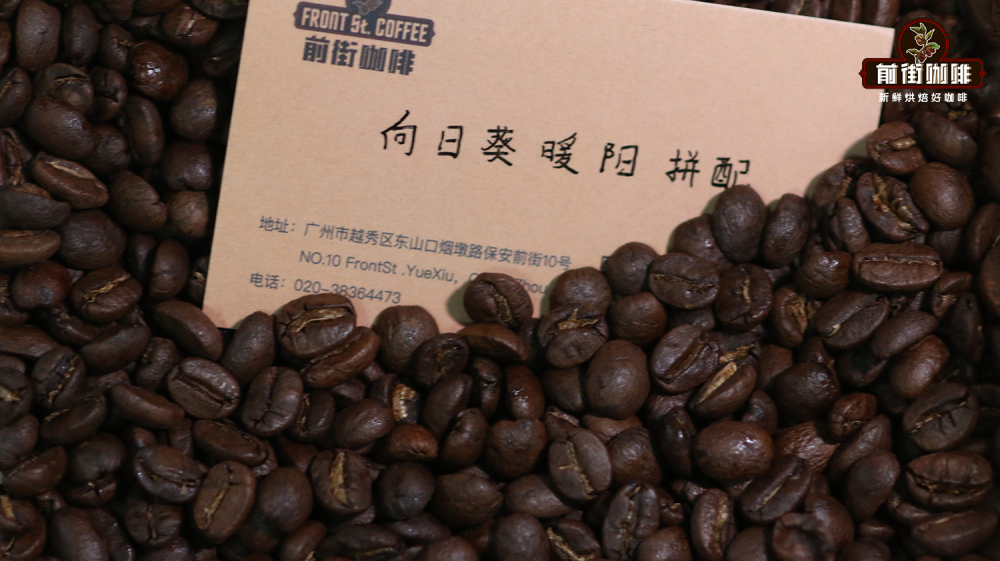
Because freshly roasted beans hold a lot of carbon dioxide and keep releasing it, extraction parameters have to be checked and adjusted daily before pulling shots to keep the result consistent.
In FrontStreet's store production, 19.5-20g of grounds yields 38-40g of liquid in about 27-32 seconds. Every machine and grinder performs differently, so these figures cannot be copied directly. As a starting point, pull espresso at a 1:2 coffee-to-liquid ratio (20g of grounds to 40g of liquid) in 28-32 seconds, then adjust based on how the shot tastes.
Milk Frothing Steps for Milk Coffee
1. Choose the Right Frothing Volume
Frothing needs a sensible amount of milk. FrontStreet Coffee's baristas recommend filling the pitcher to 40-60% of its total capacity. Too little and too much milk both test your technique. Beyond that, think about how much milk one drink actually needs so you avoid waste. FrontStreet's stores use 550ML pitchers with 250ML of milk (just reaching the bottom of the pitcher spout).
2. Set the Frothing Position
Before frothing, open the steam wand briefly to release residual condensed water, then close the valve. Extend the steam wand at a 45-degree angle and use the pitcher spout to steady its position. For a clockwise vortex, the wand sits to the right of the center point of the liquid surface, half-submerged.

3. The Aeration Stage
Open the steam valve and you will hear a "shhh, shhh" sound. This is the aeration stage. Frothing time varies with how thick you want the foam, and a longer aeration gives thicker foam. Generally, taking the milk from 50% to 60% of its volume, the thickness used for a latte, takes about 3 seconds. The milk should rotate evenly to form a vortex.
4. The Smoothing Stage
Now fully submerge the steam holes so the milk only heats without taking in more air. Do not bury the holes at the very bottom; hold them in the foam layer, which helps smooth and refine the coarser bubbles. When should you stop? This depends on the milk temperature, generally held between 55-65°C. Higher temperatures cause protein denaturation. After frothing, the fine, dense foam should look set like yogurt when the pitcher is shaken, with a delicate surface that reflects like a mirror, incredibly smooth.
Latte Preparation
Made well, a latte highlights the sweetness of the milk without masking the coffee's aroma and richness, so a slight bitterness still comes through.

FrontStreet Coffee makes its latte with 40g of espresso liquid plus heated milk frothed to 1cm of creamy foam. Once the two are fully combined, the latte art is poured, and the finished drink comes to about 300ml.
Cappuccino Preparation
Cappuccino is also called liquid cotton candy. With the first sip you feel the espresso crema meeting cotton-candy-like foam in the mouth; with the second you taste milk and coffee fused together with that smooth foam. Just two sips bring a triple experience to the palate.
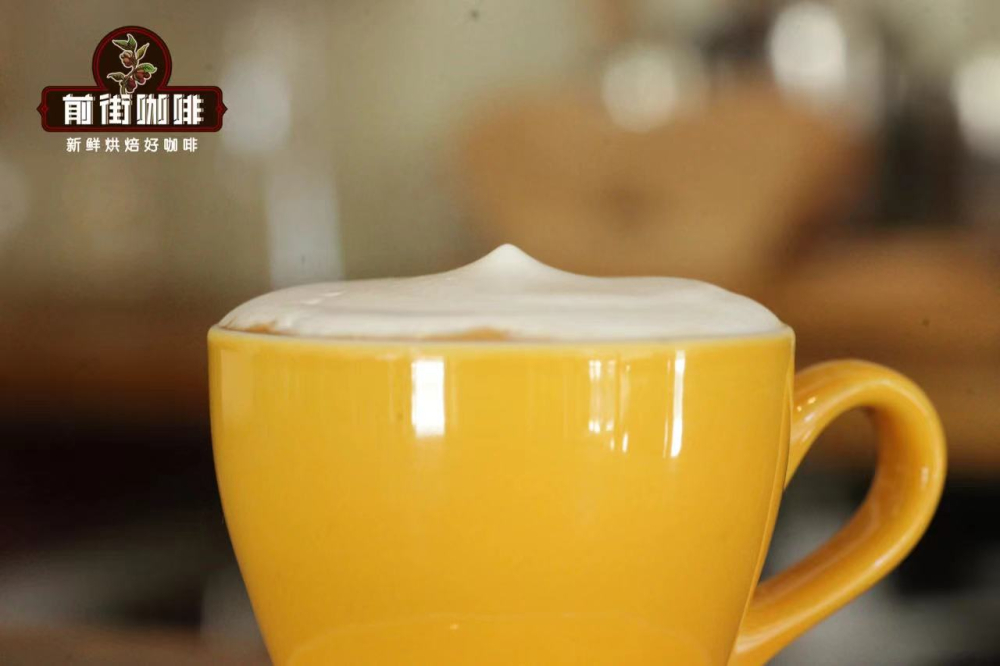
FrontStreet Coffee makes its cappuccino with 25g of espresso liquid plus heated milk frothed to 1.5cm of dense foam, then pours the thick foam and milk into the center of the espresso. The finished drink comes to about 200ml.
Flat White Preparation
Flat white can be described as a richer version of the latte: an Italian-style milk coffee that puts coffee flavor first.

It uses 40g of espresso liquid plus heated milk frothed to 0.5cm of creamy foam. Finally the milk and coffee are poured slowly straight into the center of the concentrated espresso without disturbing the crema, which lifts the coffee's rich mouthfeel. The finished drink comes to about 180ml.
FrontStreet Coffee Recommendation
Every cafe has its own "secret flat white recipe," but the drink always comes down to three points: less milk, a thin foam layer, and a strong coffee flavor. A good flat white starts with the right beans, and since milk plays a supporting role here, choose an espresso bean with a strong flavor signature. For home use, our Classic Blend is a great pick: buttery and cheesy, full-bodied and low in acidity, with rich, fine crema that turns wonderfully thick when paired with milk.
If you want more of a floral and fruity character, reach for FrontStreet's Strawberry Candy espresso blend, which is very low in bitterness and carries full grape and blueberry flavors as it extracts. It balances sweet and sour well, and a flat white made with fresh milk takes on a strawberry milkshake taste that stays with you. Milk matters just as much: too thin and the flat white tastes weak, too strong and it buries the bean's aroma, so we suggest cold fresh milk frothed on the machine for a more pronounced creamy sweetness.
For the espresso itself, a smaller, more concentrated shot works best to let the coffee shine. Ours is pulled with 20g of grounds to 32g of coffee liquid in 22-25 seconds and paired with 160ml of fresh milk. The foam should be smooth and fine but also thin, so aeration must stay short, just 1-2 seconds. Once the foam reaches 0.3cm and the milk is heated to 50-55°C, it is ready. Because our Specialty Blend drives the cup, you taste creamy hazelnut and white chocolate, full and mellow, without the drink ever feeling heavy.
Important Notice :
FrontStreet Coffee is a long-established specialty coffee roaster in Guangzhou China, selling freshly roasted beans from its own farm in Yunnan as well as dozens of carefully selected single-origin beans from around the world for both pour-over and espresso. The products deliver consistently excellent quality and great value, with shipping within 24 hours. Guangzhou's FrontStreet Coffee shop is recommended by many coffee lovers, and the beans are now available online at the Tmall 。
FrontStreet Coffee has moved to a new address:
FrontStreet Coffee Address: 315,Donghua East Road,GuangZhou
Tel:020 38364473
 Scan and follow the En Gafei WeChat official account. Please indicate that the reprint comes from "En Gafei".