
How Should Green Coffee Beans Be Roasted? What Happens During the Coffee Bean Roasting Process?
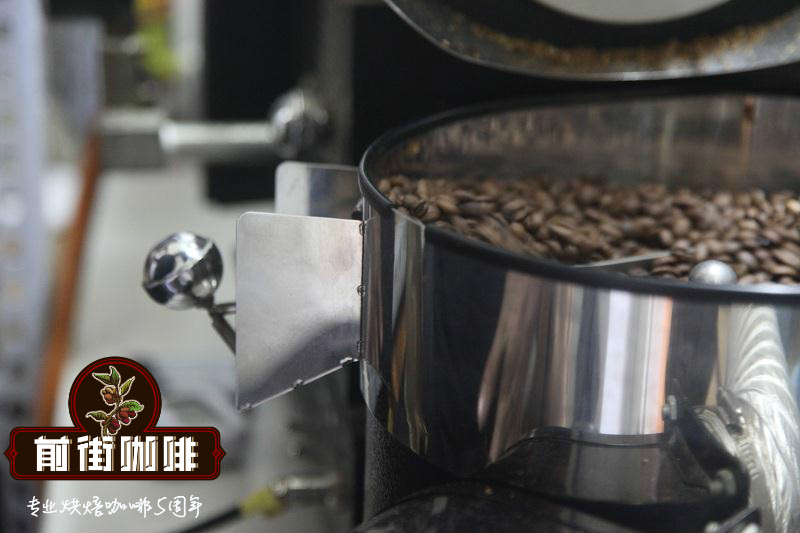
Coffee Roasting
Coffee beans that have gone through the various post-harvest processes are not actually the black beans we are used to seeing, but rather yellowish or greenish. To turn them into the familiar black coffee beans, they must go through one very important step: roasting.
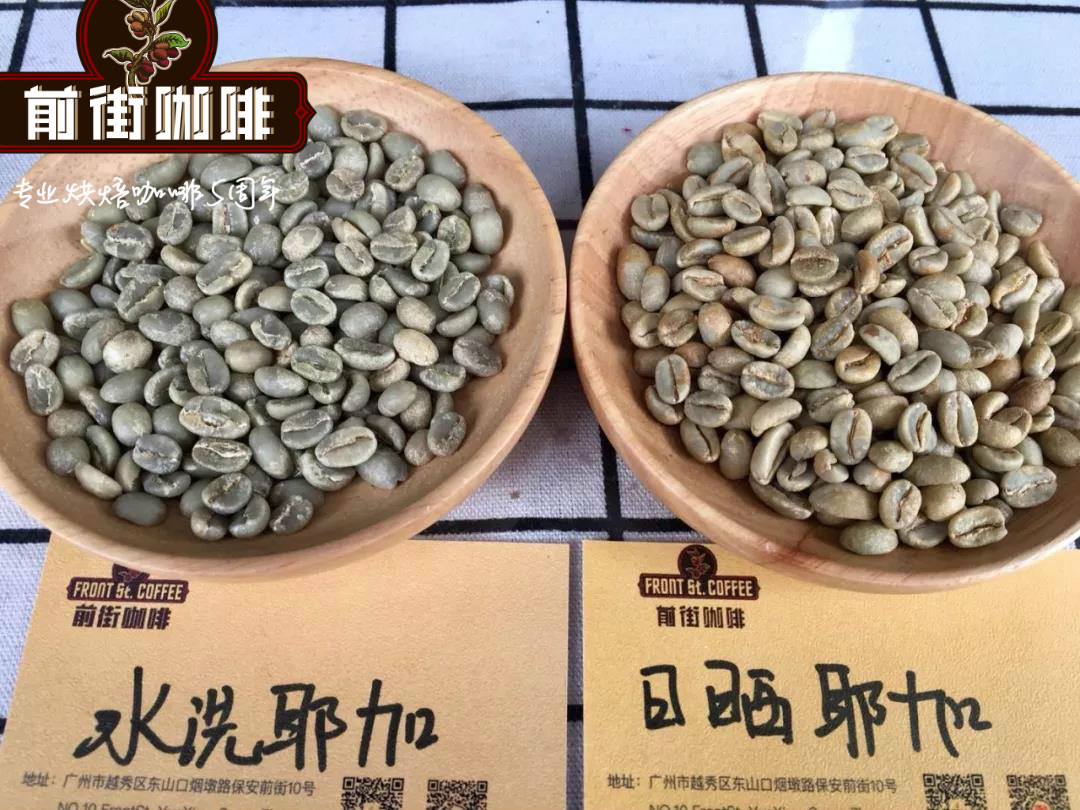
Simply put, roasting beans is like cooking a raw ingredient, but behind it lie many more complex details and delicate techniques than one might imagine. The roasting process has a considerable influence on the flavour of a coffee.
Among the factors that affect the taste of a cup of coffee, green beans account for 60%, roasting for 30%, and extraction for 10%. Good roasting makes the most of a green bean's personality while minimising the appearance of defective flavours. The most crucial key is how far the beans are roasted. Over-roasted coffee only highlights bitterness, while under-roasted coffee turns too acidic. Depending on the character of the beans, mastering the best moment to stop the roast matters a great deal.

How to Roast Coffee Raw Beans?
For the same bean, different roasting rhythms will greatly affect the taste, mouthfeel, and flavour profile of the coffee.
Generally the coffee roasting process is divided into three stages: the dehydration stage before the beans turn yellow; the browning reaction stage, from the moment the beans turn yellow and the main chemical reactions (chiefly Maillard reactions) begin until first crack; and the development stage, from after first crack until the end of the roast.
Adjusting the roasting rhythm means regulating the time and the temperature rise of these three stages, as well as the temperature of the turning point.

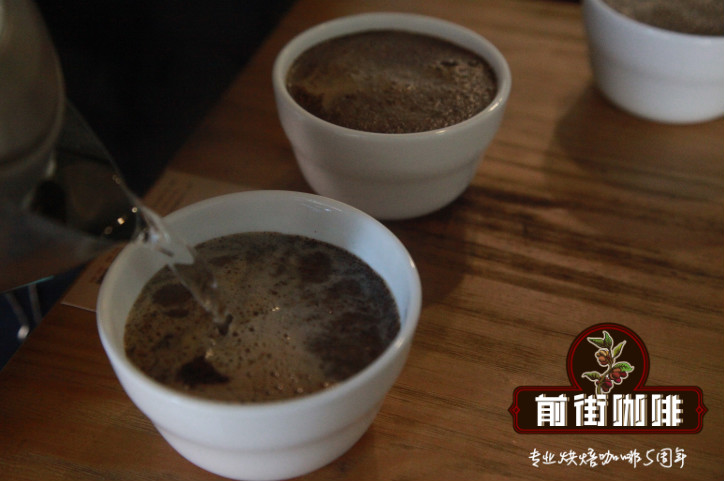
Too many factors affect roasting to count. Leaving aside uncontrollable factors such as the green beans themselves and the weather, the other factors that call for manual adjustment include flame adjustment, whether the air damper has been cleaned thoroughly, and gas supply conditions. To roast a bean consistently, the roaster must record every batch in detail: bean-in temperature, bean-in weight, turning point, drum temperature per minute, dehydration point, first crack point, first crack time, discharge time, dehydration rate, rate of temperature rise, and more (the more detailed, the better). The curve is then corrected through cupping, and the corrections are applied in the next roast.
Example: FrontStreet Coffee's Costa Rica Mozart Roasting
FrontStreet Coffee uses Costa Rica Mozart as the example, roasted on a Yangjia 800N semi-direct flame roaster (batch size 500 g).
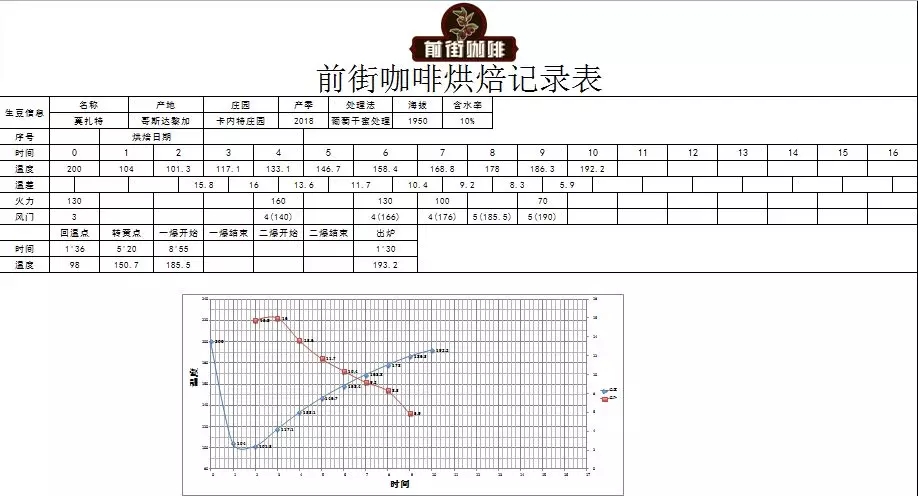
Preheat the drum to 200°C, set the flame to 160, open the air damper to 3, with the turning point at 1'36", and hold the flame; at 140°C, set the flame to 160 and open the air damper to 4. At 5'20" the beans turn yellow and the grassy smell disappears, entering the dehydration stage. At 166°C, turn the flame down to 130, air damper unchanged at 4. At 176°C, set the flame to 100, air damper unchanged.
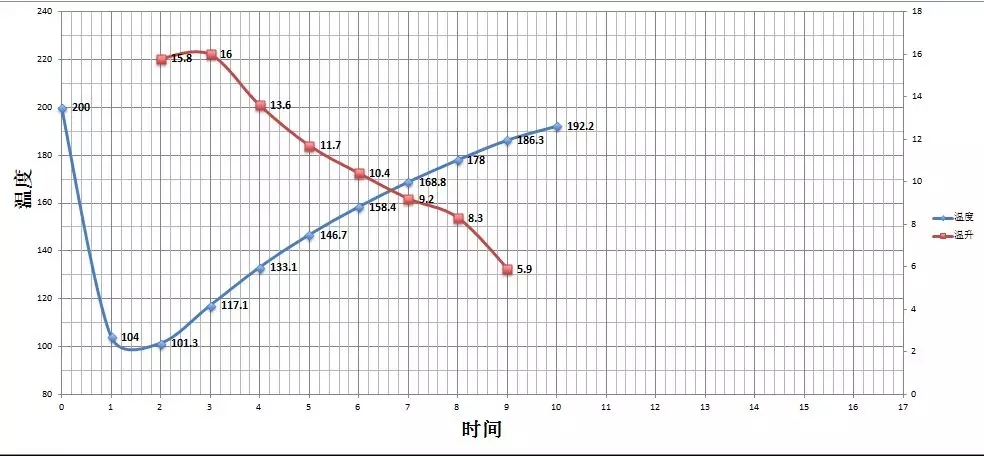
At 8'05" dehydration is complete, the bean surface shows wrinkles and black spots, the toasted bread smell turns to coffee aroma, and it is the prelude to first crack. At this point, listen carefully for the sound of first crack. At 8'55" first crack begins, open the air damper fully to 5, flame unchanged. Development time after first crack is 1'30", discharged at 193.2°C. (Light roast.)
The Coffee Roasting Process
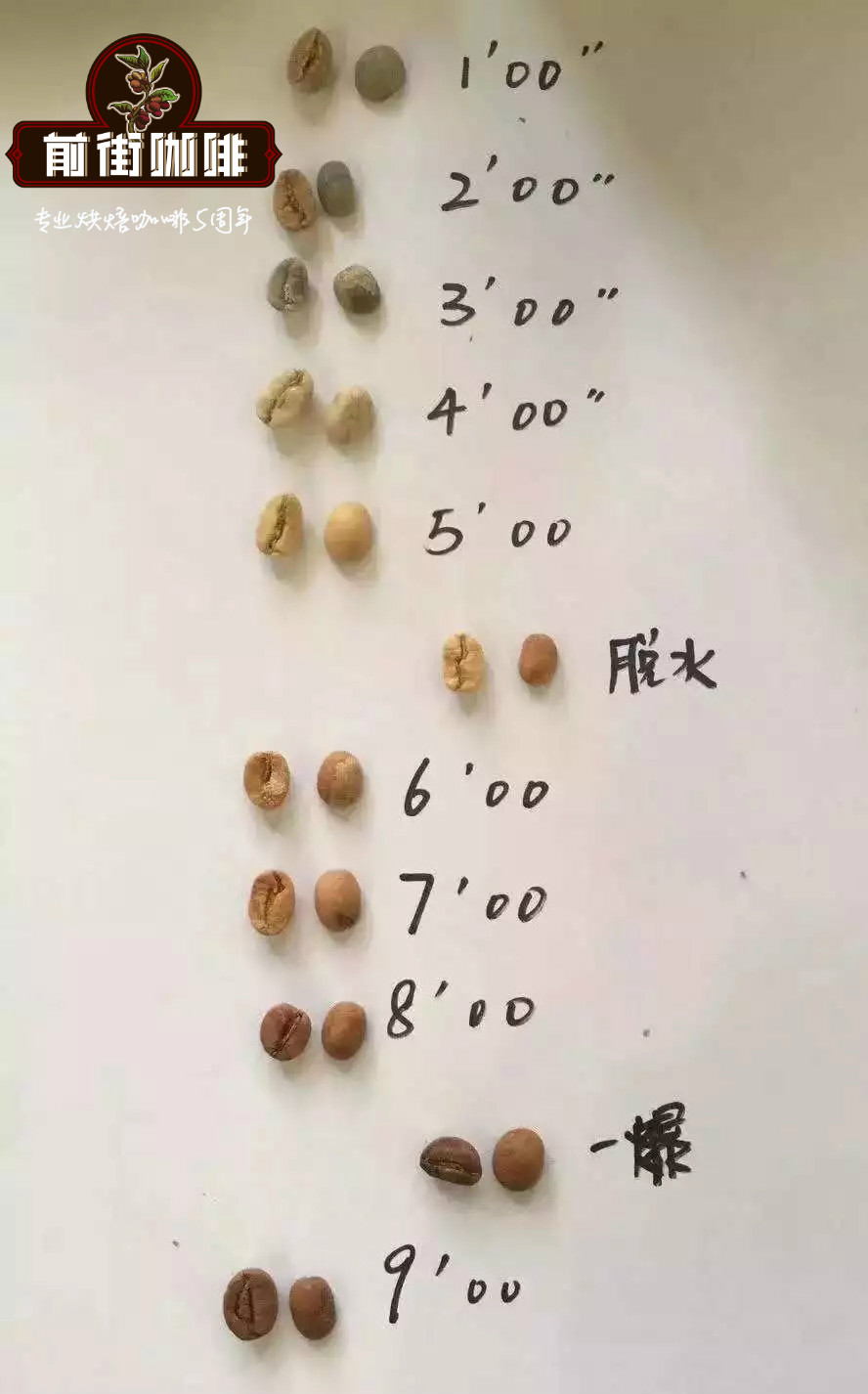
1. Drying
When raw beans are heated, the water inside them begins to evaporate. At about 135 degrees the raw beans start to turn from green to white.
2. Dehydration
As heating continues, the raw beans turn from green to light yellow. When the temperature reaches around 160 degrees they give off the aroma of roasted grain, and with continued heating they become light brown.
3. First Crack
After dehydration is complete at about 190 degrees, internal thermal expansion causes the cell walls to rupture and the "first crack" occurs. At this point a series of thermal decomposition reactions take place inside the beans. The caramelisation reaction brings sweetness, a dark brown colour, and body to the coffee. First crack lasts about one and a half minutes.
4. Second Crack
As heating continues, the "second crack" occurs, during which more intense reactions take place inside the beans, releasing large amounts of heat. With the end of second crack the raw beans have basically turned black, the bean body has expanded to 1.5 times its original size, the surface has become oily, and the weight has dropped by about 12 to 20%.
5. Stop
Generally, roasting is concluded at the latest about one minute after second crack ends, when the temperature reaches 200 degrees. This would be a darker French or Italian roast. If heating continues past 230 degrees, the coffee beans may spontaneously combust.
The moment roasting ends is called the "roast point," and it varies with the type of green bean. Raw beans from Ethiopia and Papua New Guinea have lower density, so they absorb heat faster; roasted to the same medium level, their roasting time will be shorter than that of other green beans. Conversely, the higher-density raw beans from Peru, Colombia, and Indonesia require longer roasting times, and deepening the roast degree as far as possible brings out the best flavour of the coffee.
FrontStreet Coffee Recommendation
Roasting decides whether a coffee lands on the acidic or the bitter side of the scale, and a medium roast is the sweet spot where the two stay in balance. For that balanced cup, FrontStreet Coffee's Brazil Queen's Estate uses the distinctive Yellow Bourbon variety and, at a medium roast, shows cream, peanut, chocolate, toasted bread, and sugarcane notes with a clean, gentle sweetness. If you want a sweeter fruit-forward medium roast, FrontStreet Coffee's Strawberry Candy Geisha blend combines a Costa Rican honey process with a washed Panama Geisha for orange-blossom honey and a rounded sweetness. For a softer, tea-like profile, FrontStreet Coffee's 2013 Sun-Dried Typica from Yunnan brings nut, brown sugar, black tea, and dried-apricot flavours, while FrontStreet Coffee's Jamaica Blue Mountain No. 1 is medium roasted so that chocolate, roasted nut, cream, and caramel come together in the famously balanced, elegant cup.
Important Notice :
FrontStreet Coffee is a long-established specialty coffee roaster in Guangzhou China, selling freshly roasted beans from its own farm in Yunnan as well as dozens of carefully selected single-origin beans from around the world for both pour-over and espresso. The products deliver consistently excellent quality and great value, with shipping within 24 hours. Guangzhou's FrontStreet Coffee shop is recommended by many coffee lovers, and the beans are now available online at the Tmall 。
FrontStreet Coffee has moved to a new address:
FrontStreet Coffee Address: 315,Donghua East Road,GuangZhou
Tel:020 38364473
 Scan and follow the En Gafei WeChat official account. Please indicate that the reprint comes from "En Gafei".

