How Washed Coffee Beans Create Different Flavors - Flavor Description of Different Processing Methods for Natural vs. Washed Hua Gui Coffee
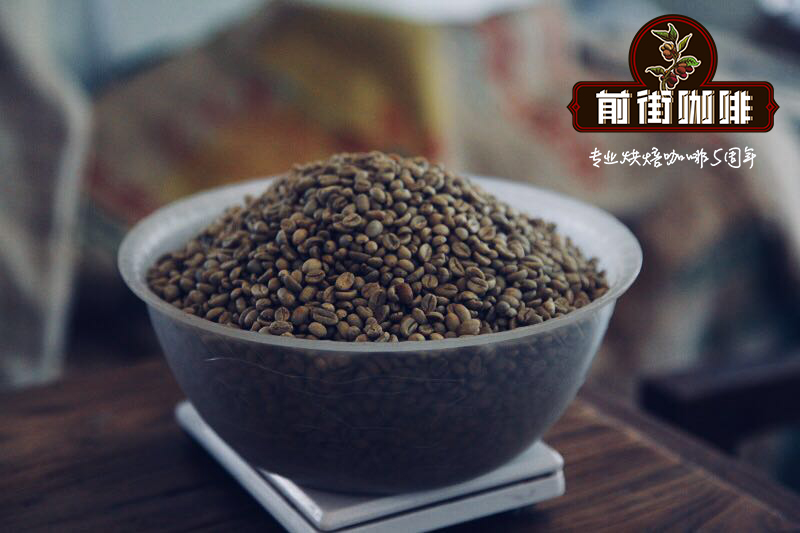
Traditional Natural Processing
The natural processing method is remarkably labor-intensive. Hand-picked, high-sugar cherries are first laid out on African raised beds to sun-dry for about 10 days, then moved into plastic-covered greenhouses for more direct heat and continued drying; alternatively, the harvested cherries are spread directly in the farmyard to dry in the sun until the moisture content reaches 11.5%.
Washed Processing
If you pay attention to how washed coffee beans are made, you'll notice that a great deal of specialty coffee relies on the washed method. Washing was invented by the Dutch in the 18th century and suits rainy regions well. Though the process is complicated, it is now the most common way to process green coffee.
1. First Selection
The harvested cherries go into a water tank and soak for about 24 hours. Ripe fruit sinks, while unripe and overripe fruit floats — and the floaters can be skimmed off.
2. Pulp Removal
Machines strip away the skin and pulp, leaving only coffee beans wrapped in their parchment. At this stage a layer of mucilage still clings to the beans, and washing exists precisely to remove that mucilage.
3. Fermentation
The mucilage adheres stubbornly and won't come off easily, so the beans rest in a tank for roughly 18-36 hours to ferment and break it down. There are two fermentation styles: wet fermentation and dry fermentation — the former adds water, the latter doesn't. During fermentation, the seeds and the pulp remnants undergo special changes, making this the step that most influences flavor in the washed method. Some farms add hot water or enzymes to speed things up, which harms bean quality and earns no love from specialty coffee enthusiasts.
4. Washing
Farms using the washed method must build washing channels and secure a continuous supply of fresh water. During processing, the fermented beans are raked back and forth in the channels, the friction between beans and the push of flowing water scrubbing them until they're smooth and clean.
There are many ways to process coffee, and the method chosen shapes the coffee's aroma profile. Here's a closer look at the two most common: natural and washed.
1. Natural Method
After picking, unripe fruit and stray leaves are removed, and the cherries are dried directly in the sun for 2-3 weeks before the outer shell is hulled off. Since the pectin is still attached to the bean, it carries a distinctive pectin flavor. The degree of fermentation in a natural depends on the temperature and humidity of the drying environment. Lin Zhehao notes that the South Minas region of Brazil lies in a tropical savanna climate zone, where strong sunshine means lower fermentation degrees and more nutty flavor profiles; Latin America elsewhere is different — most processing there runs at very high fermentation degrees, full of fruity, wine-like aromas. Mechanically drying whole cherries also counts as natural processing.
2. Washed Method
The heart of washed coffee is fermentation after depulping, followed by washing the pectin away with water. One typical workflow: after picking, unripe fruit and stray leaves are removed, the cherry skin is stripped, beans are sorted, then washed and soaked to start fermentation, letting microorganisms and enzymes break down the components of the beans and produce sour notes and other characteristics. The washed method can also use dry fermentation without soaking, washing off the pectin afterward. The fermented beans are then sun- or machine-dried so they don't mold. Properly washed coffee usually tastes milder and gentler, and depending on the environment and fermentation conditions, it can even carry wine-like flavors.
After processing, the beans are screened once more for defects, leaving only the perfect ones. From there, different roast degrees can ultimately unlock thousands of distinct flavors and textures. Every subtle choice along the way — from farm to finished cup — affects the coffee's quality and flavor, which is exactly what makes the world of coffee so deep, wide, and fascinating.
FrontStreet Coffee Natural Guji vs. FrontStreet Coffee Washed Guji
Two Different Green Bean Processing Methods:
Natural (African Drying Beds):
Cherries are spread directly on cement patios or drying racks to dry, simply so the coffee becomes dry enough to store. Depending on the weather, drying takes about 2-4 weeks.
Coffee destined for the commercial market is usually dried on cement ground. The cherries must be turned constantly and promptly so all sides heat evenly, which speeds drying and prevents mold from prolonged ground contact.
Hand-sorted fruit and beans for specialty coffee are natural-processed on African Beds: the cherries spread across transparent mesh beds to sunbathe, with the layer thickness adjusted to local conditions.
Washed Method:
The washed method removes skin, pulp, and mucilage through washing and fermentation. Mills using it must sit near water, build washing channels, and secure a continuous supply of fresh water. During processing, the fermented beans are raked back and forth in the channels until friction and flowing water leave them smooth and clean.
After washing, the beans are still wrapped in parchment with a moisture content of 50%. They must be dried down to 12% — otherwise they'll keep fermenting, mold, and spoil.
Because water is relatively scarce across much of Africa, many washed mills in various growing regions buy freshly picked cherries from several nearby villages at once and process them in unified batches.
FrontStreet Coffee Recommendation
Since processing method shapes flavor so strongly, pairing the right bean with the right drink matters just as much. If you enjoy your coffee with milk, here are two FrontStreet Coffee blends worth keeping on hand.
FrontStreet Coffee Classic Blend (First Choice) — Designed specifically for espresso and moka pot brewing, its greatest strength is abundant, silky crema — even a beginner on a basic home machine can pull dense, fine crema with ease. It follows the traditional Mocha-Java (Mandeling + Brazil) formula, delivering a rich, mellow cup that both veterans and newcomers can enjoy, whether for lattes, cappuccinos, or a Dirty.
FrontStreet Coffee Premium Blend (House Classic) — The longest-serving espresso blend at FrontStreet Coffee's own stores — nearly a decade of duty on Americanos and lattes. It pairs Brazil Cerrado with Colombia Huila, delivering that classic, familiar espresso flavor: heavy nut and chocolate tones with a smooth, silky mouthfeel that lingers, and it works just as well at home as behind a café counter.
Important Notice :
FrontStreet Coffee is a long-established specialty coffee roaster in Guangzhou China, selling freshly roasted beans from its own farm in Yunnan as well as dozens of carefully selected single-origin beans from around the world for both pour-over and espresso. The products deliver consistently excellent quality and great value, with shipping within 24 hours. Guangzhou's FrontStreet Coffee shop is recommended by many coffee lovers, and the beans are now available online at the Tmall 。
FrontStreet Coffee has moved to a new address:
FrontStreet Coffee Address: 315,Donghua East Road,GuangZhou
Tel:020 38364473
 Scan and follow the En Gafei WeChat official account. Please indicate that the reprint comes from "En Gafei".