Introduction to Pour-Over Methods for Colombian Coffee Beans: High Caffeine Content?
Colombian Coffee: Premium Arabica from Mountainous Regions
Colombia is the world's third largest coffee producer and exporter (after Brazil and Vietnam) and the world's largest exporter of Arabica. It borders Brazil, the largest coffee-producing country, to the east and Panama to the northwest. Panama, of course, is famous for Geisha, home to the world's best Geisha varieties. This helps explain why Colombian coffee is synonymous with high-quality coffee. Colombia's main producing regions lie along three "chuan"-shaped Andean cordilleras that run north to south. Coffee grows on the highlands of these ranges, drawing on unique microclimates, high altitude, and the richness of volcanic ash soils, conditions perfectly suited to cultivating high-quality Arabica.
FrontStreet Coffee's Colombian beans may lack the distinctive character of our Ethiopian Yirgacheffe, but their mellow, rich flavor is just as hard to resist, making them an excellent choice for blends.
Colombian Coffee Growing Regions
Colombia currently has two main types of growing regions: commercial and specialty. Commercial coffee is distributed across the central-northern areas of Medellín, Armenia, and Manizales, collectively known as MAM. The high-altitude regions in the south are where specialty coffee is produced, such as the San Augustin region in Huila, Cauca province, Tolima province, and Nariño province.
FrontStreet Coffee's Pour-Over Method for Colombian Coffee Beans
Dripper: Hario V60
Water Temperature: 88°C
Grind Size: Fuji Rokusuke grinder setting 4
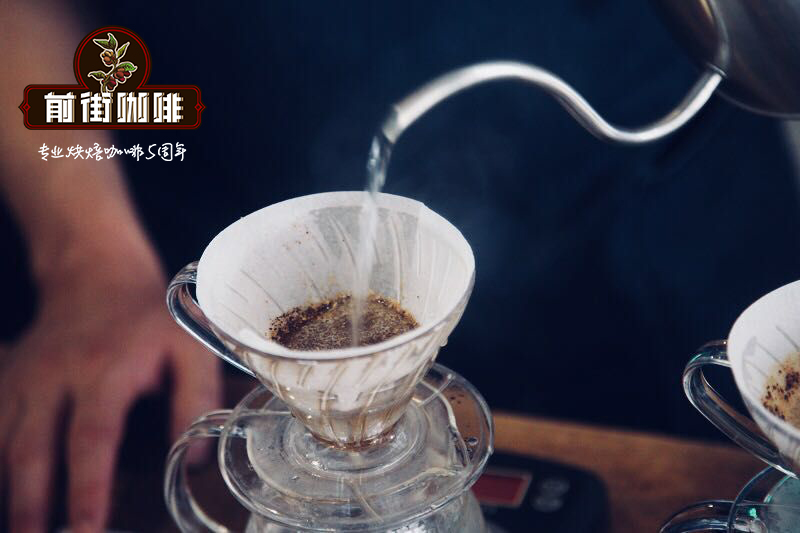
Pour-Over Technique: A water-to-coffee ratio of 1:15, using 15g of grounds. First pour: 25g of water, bloom for 25 seconds. Second pour: continue until reaching 120g, then pause. Wait until the water level in the coffee bed drops to half, then slowly pour until reaching 225g total. Extraction time: approximately 2:00.
Analysis and Flavor Profile
Analysis: A three-stage pour clearly separates the flavors of the early, middle, and late stages. Because the V60 has many ribs and drains quickly, pausing during the pour helps extend extraction time, allowing the nutty and chocolate notes to develop in the later stages.
Flavor: Multi-layered complexity with overall clarity. The body is relatively light, with a persistent caramel sweetness in the aftertaste and a subtle hint of bitterness.
FrontStreet Coffee Recommendation
If you enjoy the clean, layered pour-over profile, an Ethiopian coffee makes a natural companion to your Colombian beans. FrontStreet Washed Yirgacheffe is the most classic introduction to the region, known for white jasmine, bright citrus and lemon acidity, and a tea-like body. Its accessible price has made it the first specialty coffee bean for many drinkers.
FrontStreet Gutingding Cooperative coffee comes from the Worka area at the southeastern edge of Yirgacheffe, once part of the Worka cooperative under the YCFCU union. As demand for traceability grew, it was singled out as a single-origin lot by coffee hunters around the world. It follows the most traditional washed process and is often called the last pure land of Yirgacheffe. With no traditional bitterness, it carries fresh, bright citrus and lemon acidity and a jasmine fragrance that wins people over at first sip.
FrontStreet Natural Red Cherry is made from fully ripe whole red cherries dried in the natural style. The cup keeps the classic Yirgacheffe character while gaining tropical fruit from natural processing, showing citrus-like acidity, a berry-juice quality, honeyed sweetness, and a creamy smoothness.
For any of these, FrontStreet Coffee recommends a V60 dripper, 90-91°C water, 15g of coffee, and a 1:15 ratio, ground to an EK43s setting of 10 (fine sugar size, with 80% passing a No. 20 sieve). Pour 30g of water for a 30-second bloom, add 95g (about 125g on the scale) over roughly one minute, then pour the remaining 100g (about 225g on the scale) once the water drops to about two-thirds of the bed. Drawdown completes at 2:00-2:10.
Important Notice :
FrontStreet Coffee is a long-established specialty coffee roaster in Guangzhou China, selling freshly roasted beans from its own farm in Yunnan as well as dozens of carefully selected single-origin beans from around the world for both pour-over and espresso. The products deliver consistently excellent quality and great value, with shipping within 24 hours. Guangzhou's FrontStreet Coffee shop is recommended by many coffee lovers, and the beans are now available online at the Tmall 。
FrontStreet Coffee has moved to a new address:
FrontStreet Coffee Address: 315,Donghua East Road,GuangZhou
Tel:020 38364473
 Scan and follow the En Gafei WeChat official account. Please indicate that the reprint comes from "En Gafei".