The Impact of Coffee Varieties on Flavor: The Difference Between Elida Catuai and Typica
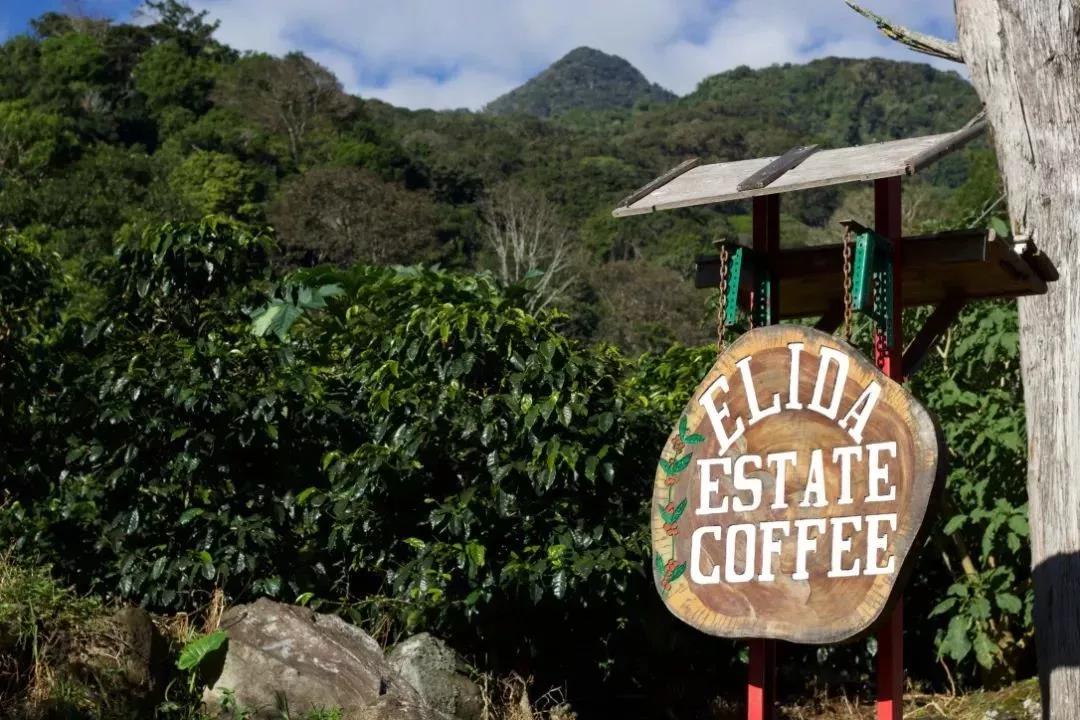
Elida Estate is a centenarian farm with a record of exceptional coffee. Located in Boquete, Panama's most renowned specialty region, it covers 65 hectares in total — more than half of which lies within Baru Volcano National Park. Only 30 hectares are dedicated to coffee; the rest remains pristine primary forest.
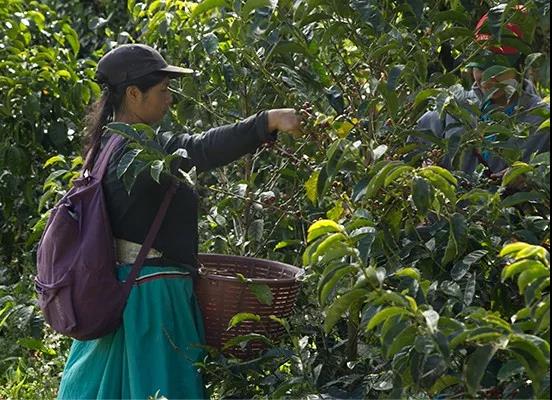
The coffee grows at 1,670 to 1,850 meters, making Elida one of the two highest coffee estates in Panama (the other being Carmen Estate in the Volcán valley).
At such altitudes, low temperatures delay cherry maturation by roughly a month compared with normal ripening times. The fertile volcanic soil supplies abundant nutrients, and the microclimate created by the Baru Volcano together sustains Elida's consistent success in cupping competitions.
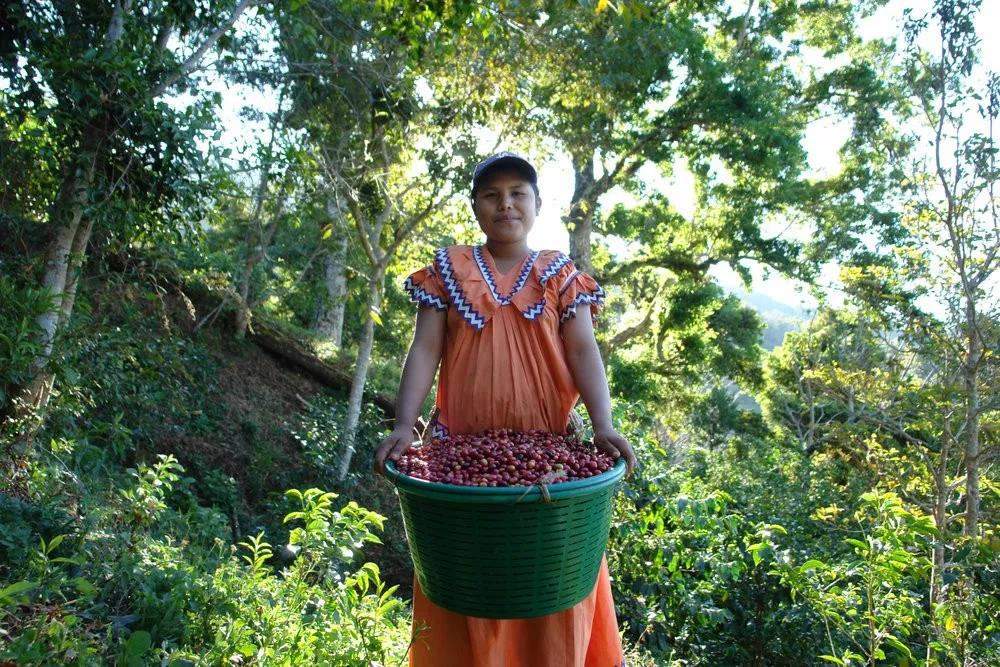
Altitude and climate are only part of the story — owner Wilford Lamastus pours equal effort into harvesting and processing. Coffee at Elida is picked by hand only at peak maturity ("Ripe on Pinton"), and that extreme ripeness raises the sugar content of the mucilage, which is the foundation of the superior flavor in FrontStreet's Elida beans.
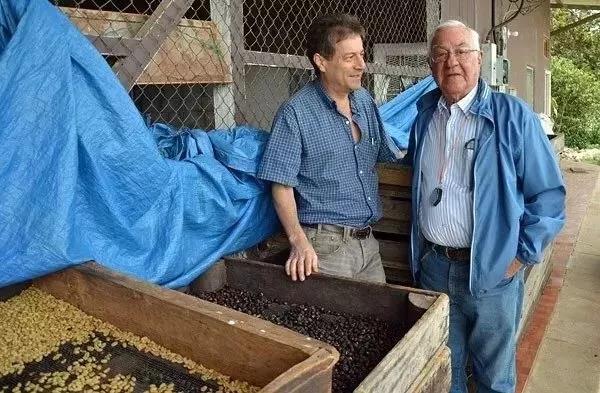
Wilford is also more rigorous than most of the industry about "purifying" the green beans after processing. FrontStreet's Panama Elida rests for more than 5 months at low temperature after processing to shed any green, raw edge, allowing the flavors to mature into something rounder and fuller.
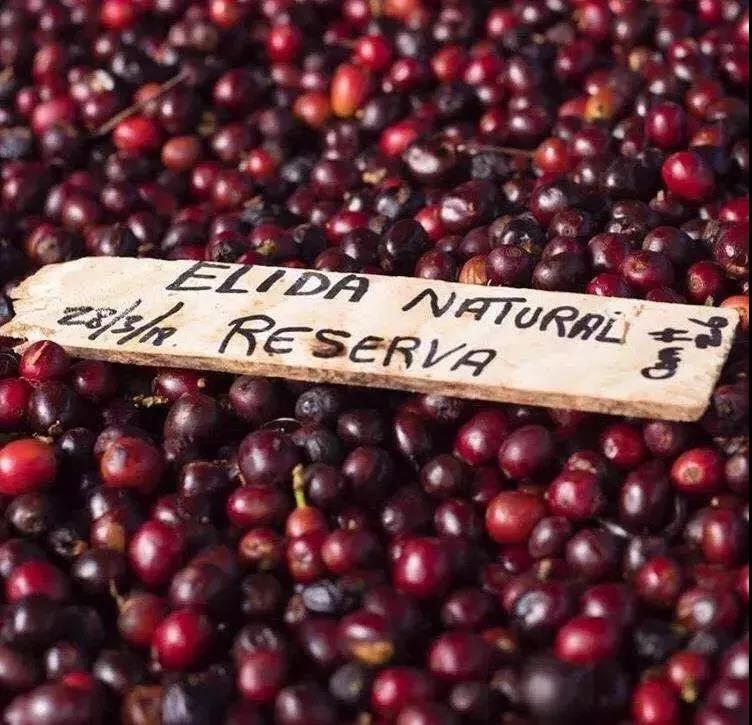
(Low-temperature resting is a green-bean refinement concept championed by coffee authority George Howell since 2006. Beans from subtropical regions do need cold storage, but the required duration varies with processing method and altitude — for FrontStreet's Panama Elida, 5 months proves optimal.)
Processing Methods
Natural Process
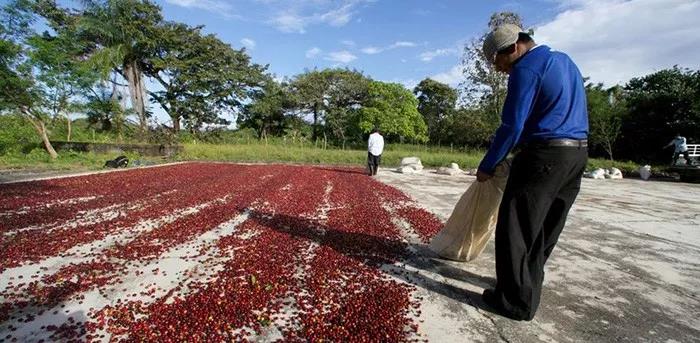
The harvested cherries are poured into large tanks: mature, dense cherries sink while floaters are discarded. The whole cherries — pulp, skin, and parchment intact — are then sun-dried on patios to roughly 12% moisture, which takes two to four weeks. Hullers then strip away the dried skin, pulp, and parchment to reveal the green beans.
Advantages of the Natural Process
- The process is simple and inexpensive.
- The beans dry naturally inside the fruit, absorbing its essence, which yields intense fruity aromatics, pronounced sweetness, and excellent body.
Elida grows three main varieties: Catuai, Typica, and Geisha. The mill sits halfway up the mountainside, so picked cherries reach it immediately and their quality is never compromised.
Same estate, same processing — yet different varieties still produce different flavors. Here's how variety shapes the cup at Elida.
The Variety Comparison
Typica
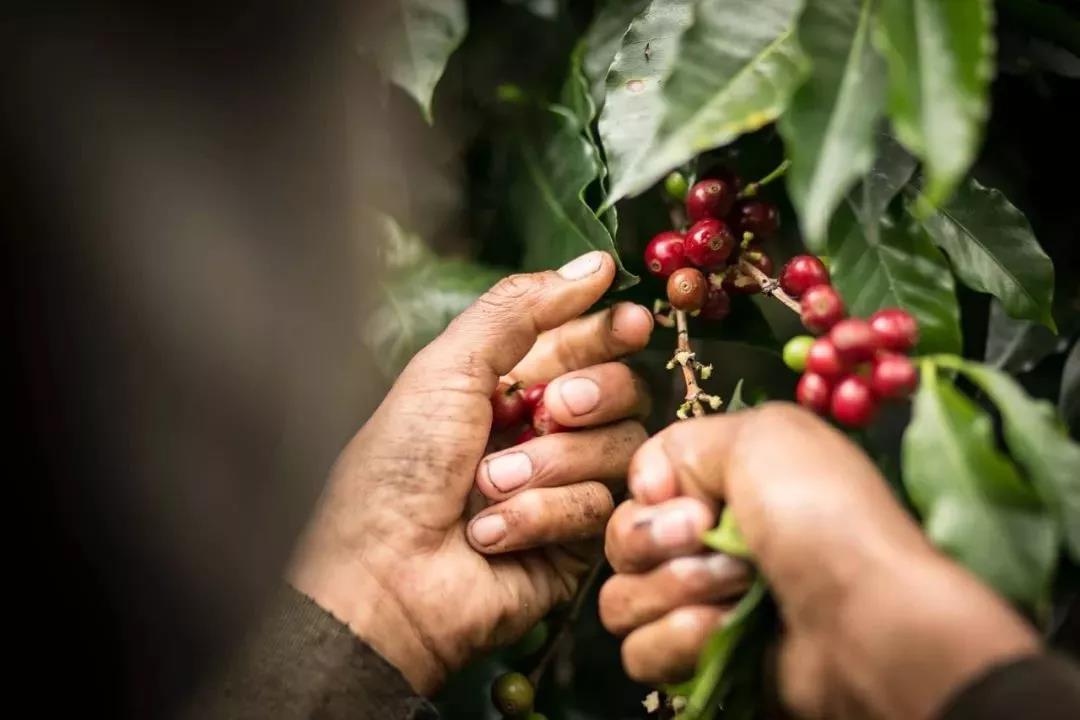
Typica is one of the two great ancient varieties of Arabica coffee, the other being Bourbon. Arabica itself originates in Ethiopia, where Typica still grows wild in the highland rainforests today.
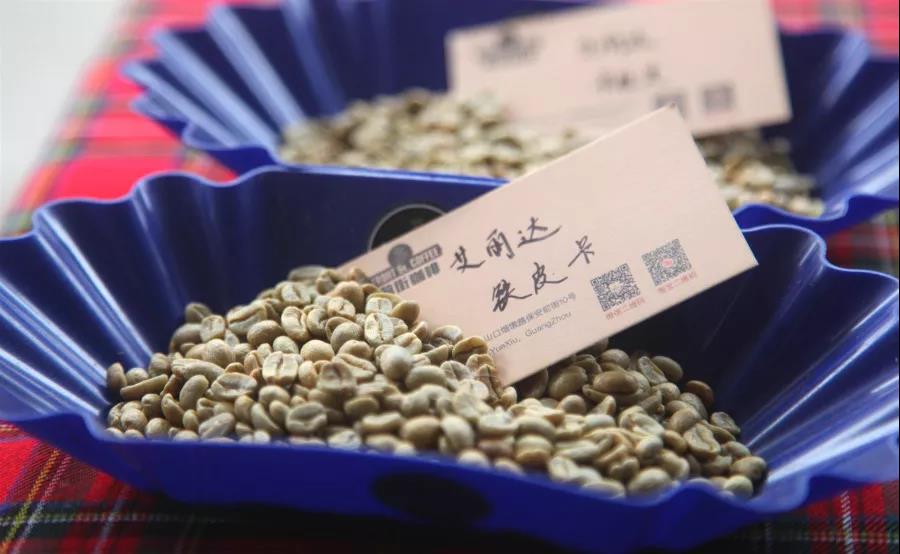
Typica beans are slender and elongated; the trees are tall with oval fruits and slightly drooping branches. The plants have a spreading, open habit, with branches angled at 50–70 degrees. Yields per tree are very low, but cup quality is high.
Catuai
Catuai is a cross of Mundo Novo and Caturra — effectively a second-generation hybrid. The name comes from an indigenous word meaning "very good."
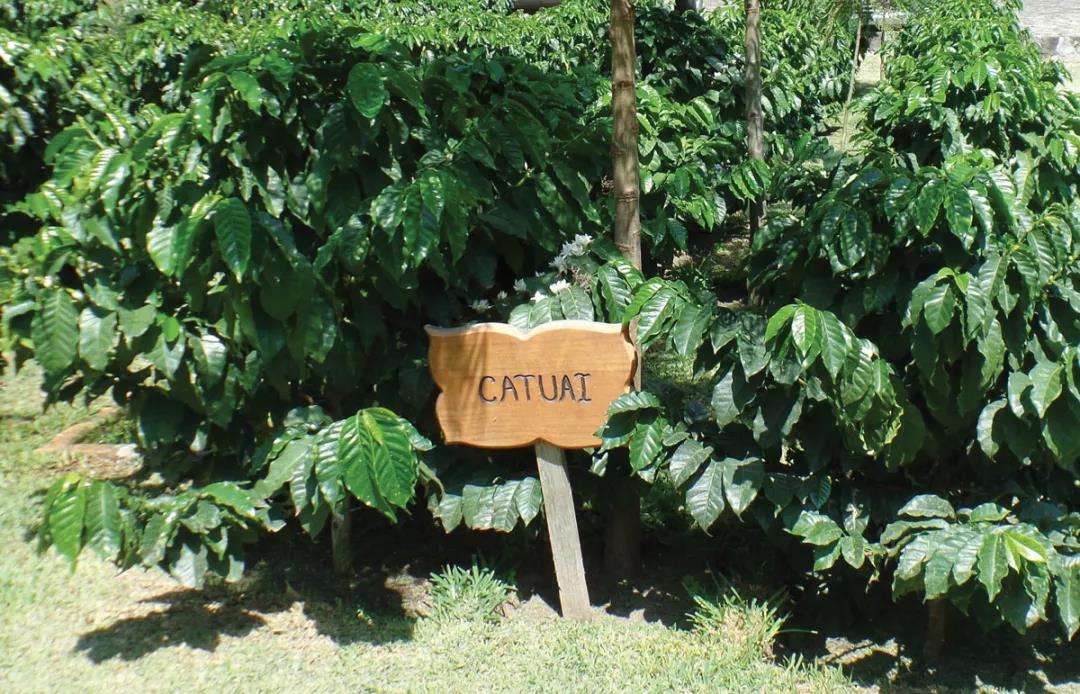
It inherits Caturra's compact stature while fixing Mundo Novo's weakness, and it compensates for Arabica's wind-vulnerable fruit: the cherries set firmly and resist dropping in strong winds. The main drawback is a flavor somewhat flatter than Caturra's. Brazilian agricultural research institutions identified the variety in the 1950s–1960s, though some sources place its first appearance in the late 1940s.
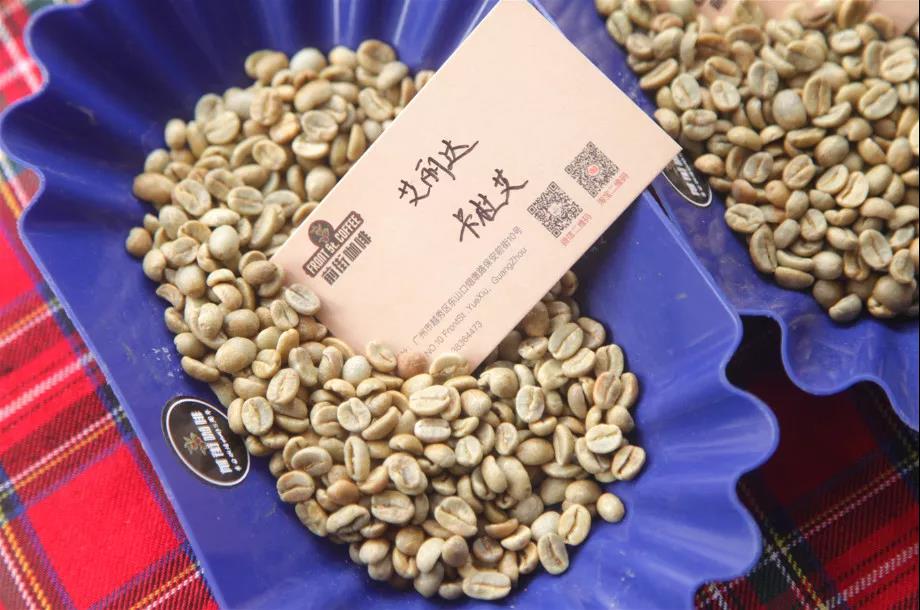
As a member of the Arabica family, Catuai is high-yielding. The plants are compact, with a narrow angle between lateral and main branches. Beyond yield, its standout trait is that ripe cherries cling to the tree, giving it strong resistance to wind and rain — which makes it a favorite in stormy regions. It does, however, demand adequate fertilization and care.
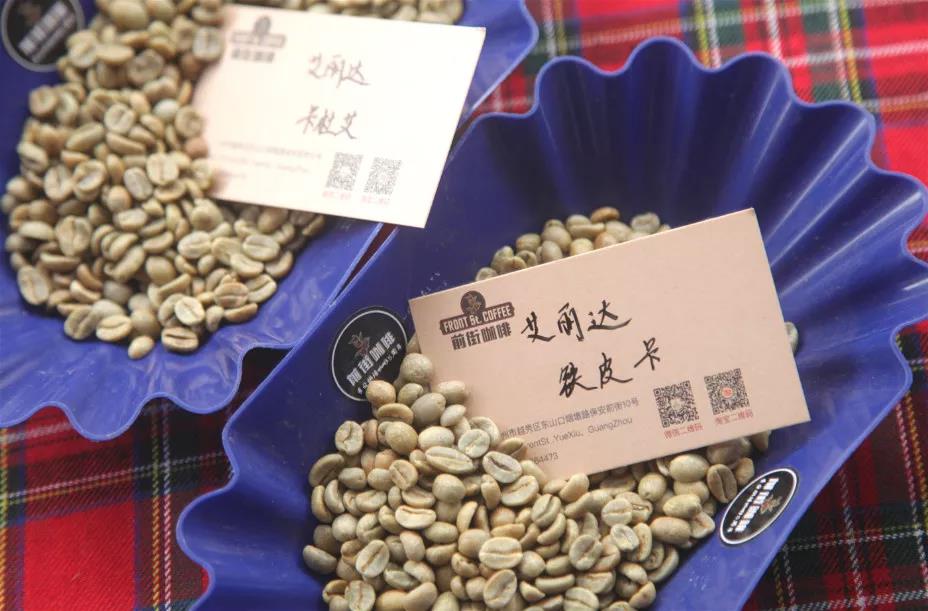
On the green-bean level both varieties are yellowish with a fermented, fruity fragrance. FrontStreet's Panama Elida Typica is oval with slightly curved ends, thin and flat from the side; the Elida Catuai runs smaller and rounder.
Roasting Comparison
FrontStreet Coffee · Panama Elida Typica

Roaster: Yangjia 600g semi-direct-heat
Preheat to 200°C, damper at 3, heat at 160°C, damper unchanged. Turning point at 1'30"; make the first heat adjustment at 148°C, when the beans yellow, the grassy aroma vanishes completely, and dehydration is done. Heat unchanged, damper opened to 4.

At 7'45", wrinkles and dark speckles appear on the bean surface and the toast aroma clearly turns to coffee aroma — the prelude to first crack. Listen carefully for its onset. At 8'35" first crack begins; reduce heat to 65°C and open the damper fully (make heat adjustments carefully — never so small that the cracks fall silent). Drop the beans 1'45" after first crack begins, at 194.5°C.
FrontStreet Coffee · Panama Elida Catuai

Roaster: Yangjia 600g semi-direct-heat
Preheat to 200°C, damper at 3, heat at 160°C. Turning point at 1'30"; first adjustment at 152°C, damper to 4, when the beans yellow, the grassy aroma vanishes, and dehydration is complete. At 166°C, reduce heat to 130°C, damper unchanged.

At 7'43", wrinkles and dark speckles appear and the toast aroma gives way to coffee aroma — the prelude to first crack. At 8'27" first crack begins; reduce heat to 80°C and set the damper to 5 (adjust carefully, never so small that cracking stops). Drop the beans 1'45" after first crack, at 195.5°C.
Flavor Comparison
Cupping

FrontStreet Elida Typica: fermented fruit aroma and jasmine fragrance. On entry, peach and orange acidity with a sweet-tart vibrancy; prominent raisin and cane-sugar sweetness, overall refreshing and sweet.
FrontStreet Elida Catuai: fermented wine aroma and rose fragrance. On entry, berries, citrus, and green tea, with cream, a nutty aftertaste, and cane-sugar sweetness — the more balanced of the two.
Pour Over
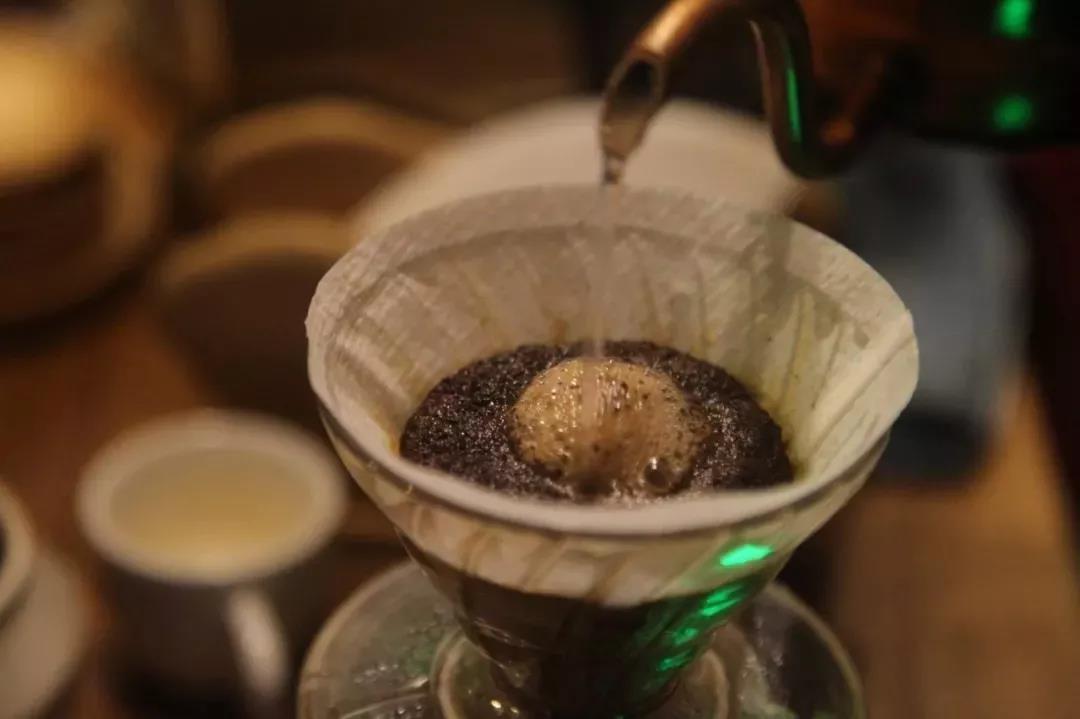
Dripper: V60
Water temperature: 89°C
Grind size: BG-5R (58% pass through a standard 20-mesh sieve)
Coffee-to-water ratio: 1:15
Technique: bloom with 30g of water for 30 seconds, then pour slowly in a small stream to 125g in segments; once the water drains and just before the coffee bed is exposed, pour up to 230g to finish.
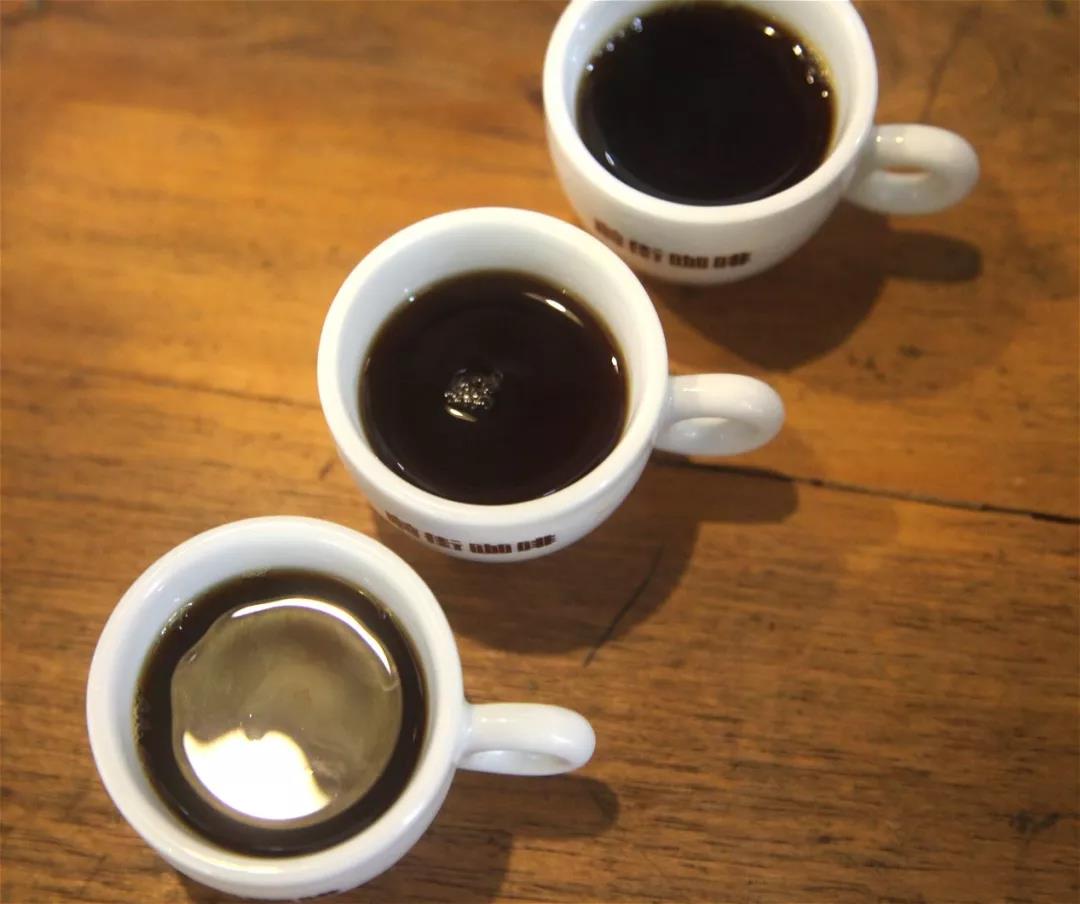
FrontStreet Elida Typica: orange and citrus acidity with fermented wine aromatics, raisin and preserved-fruit sweetness, sweet-tart vibrancy, a black-tea aftertaste, and persistent cane sugar and caramel on the finish.
FrontStreet Elida Catuai: citrus and berry acidity, raisin sweetness, with nut, chocolate, and cream flavors and a pine-nut aftertaste.
The takeaway: Elida's Typica leans toward preserved-fruit sweetness, while the Catuai favors nut and chocolate. Same farm, similar altitude — yet variety alone produces two distinctly different cups.
FrontStreet Coffee Recommendation
Typica is among the oldest of all Arabica varieties — its young top leaves are coppery red, earning it the nickname "red-top coffee," and most Arabica varieties grown today descend from it. Typica beans are oval, slender, and full, with a clean, quiet, refined character. If this comparison sparks your curiosity about the variety, FrontStreet's Typica lineup is the place to start: the FrontStreet 2013 Yunnan Arabica, the FrontStreet Jamaica Blue Mountain No. 1, and the FrontStreet PNG "Bird of Paradise." Each showcases Arabica's classic purity while revealing how different origins shape the same variety — the Yunnan lot showing moderate acidity with soft, gentle aromatics, the Blue Mountain offering balance few origins can match.
Yunnan's Typica story is a piece of history in itself: the variety reached Yunnan's Zhuula village in Binchuan County as far back as 1904, and FrontStreet planted its own Typica trees in Yunnan in 2013. Roasted to show its pure Arabica genes, it carries the aromas of brown sugar, chocolate, dried apricot, and nuts, with moderate acidity and a soft, rounded mouthfeel.
Important Notice :
FrontStreet Coffee is a long-established specialty coffee roaster in Guangzhou China, selling freshly roasted beans from its own farm in Yunnan as well as dozens of carefully selected single-origin beans from around the world for both pour-over and espresso. The products deliver consistently excellent quality and great value, with shipping within 24 hours. Guangzhou's FrontStreet Coffee shop is recommended by many coffee lovers, and the beans are now available online at the Tmall 。
FrontStreet Coffee has moved to a new address:
FrontStreet Coffee Address: 315,Donghua East Road,GuangZhou
Tel:020 38364473
 Scan and follow the En Gafei WeChat official account. Please indicate that the reprint comes from "En Gafei".