Costa Rica Beethoven Mozart Bach Chopin Coffee Flavor Characteristics - Musician Coffee Bean Stories
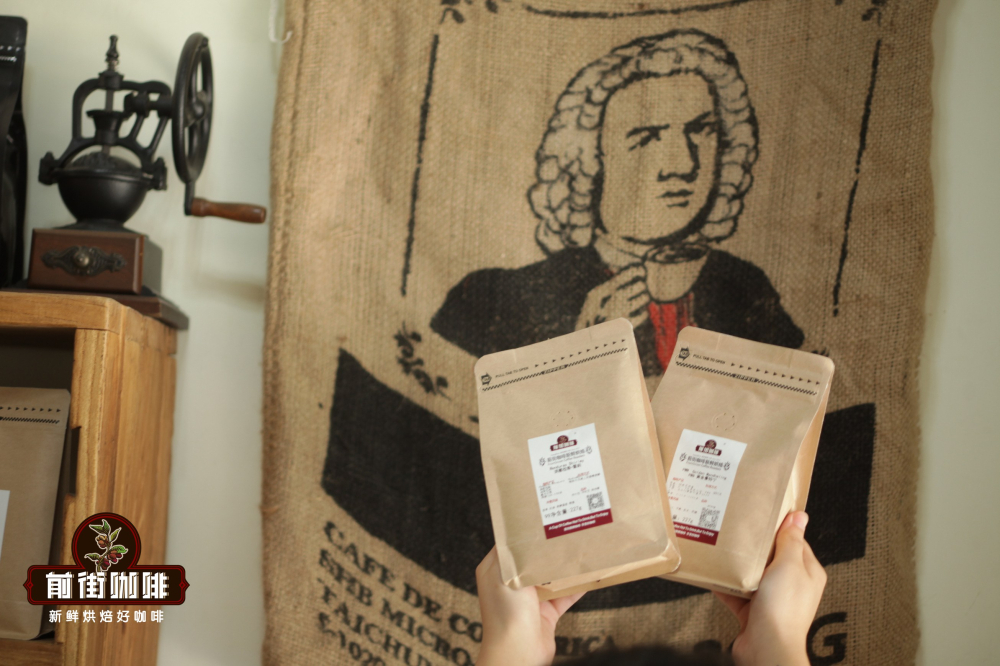
There's a series of coffee beans that always sparks such questions: after drinking FrontStreet Coffee's Mozart coffee, can I become the next Mozart? A FrontStreet Coffee barista once answered a friend this way: it's hard to say whether you can become the next Mozart, but Mozart's sweetness might just get you addicted.
As everyone knows, Costa Rican coffee beans are "sweet as honey," and FrontStreet Coffee's Mozart coffee beans, produced in the Tarrazú region of Costa Rica, are processed using the raisin honey method, making their sweetness even more exquisite. Next, FrontStreet Coffee will provide a detailed introduction to this musician series coffee bean that's as sweet as preserved fruit.
Costa Rican Coffee Heritage
Coffee cultivation in Costa Rica can be traced back to the late 18th century, when Arabica coffee seedlings were planted in the Central Valley region and quickly spread to multiple areas, making Costa Rica the first country in Central America to have coffee growing regions. By 1829, coffee had become one of Costa Rica's most important cash crops and one of the country's main sources of foreign exchange. Coffee crops were so important that the Costa Rican government even revised laws to allow only the cultivation of Arabica coffee varieties, designating Robusta as prohibited.
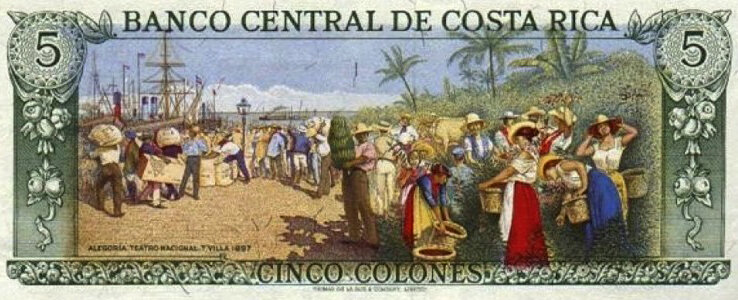
The Costa Rican coffee industry even gave rise to an elite class, permeating every corner of government circles in the late 19th century. Coffee growers held an esteemed position in Costa Rica, bringing stable development to the country. In 1897, citizens of Costa Rica's capital San José witnessed the inauguration of a National Theater donated by coffee growers.
Coffee produced in Costa Rica is mild and smooth, harmoniously balancing fruit acidity with chocolate bitterness, creating an overall balanced profile. The country's seven major coffee growing regions each have their own characteristics based on this foundation, with the Tarrazú region frequently appearing on green bean competition winner lists, gaining attention from many coffee connoisseurs.
The Tarrazú Region
The Tarrazú region is one of the highest altitude coffee growing regions in Costa Rica, one of the most legendary coffee growing regions in Costa Rica, and one of the world's famous coffee growing regions. The extremely high growing altitude in the Tarrazú region provides excellent conditions for producing the highest grade SHB (Strictly Hard Bean) coffee beans. Combined with the significant day-night temperature differences here, this slows down the maturation process of coffee cherries, allowing them to absorb more nutrients. The green coffee beans thus have high density and hardness, creating a Tarrazú coffee with delightful sweet and sour flavors, noticeable juice-like qualities, and overall balance, making Costa Rican coffee beans famous.
The Musician Series: Mozart Coffee
FrontStreet Coffee's Mozart coffee beans are part of the musician series launched by the Canet Estate in Costa Rica's Tarrazú region. As the musician series coffee beans have gradually gained popularity domestically, many friends should recognize the name Canet, but perhaps what everyone doesn't know is that Canet is actually a coffee processing facility for the Black Gold coffee brand.
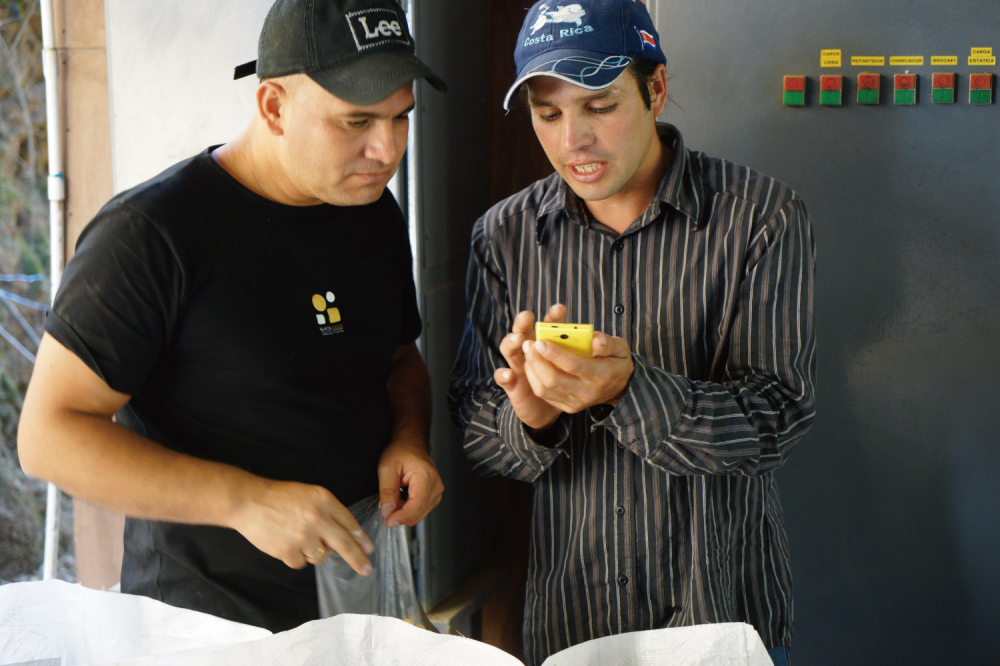
Black Gold, as a green coffee merchant from Taiwan, has its own coffee processing facility in Costa Rica, where it processes green coffee beans using different methods in small batches according to the terroir characteristics of each coffee growing region.
Canet is located in the highest altitude area of Costa Rica's Tarrazú coffee growing region. This is the most intensively fruit-growing area in Costa Rica, mainly featuring fruits like passion fruit, while coffee quantity is quite scarce. Coffee is only grown in a specific area and receives special care, with only ripe red coffee cherries being picked during harvest.
Canet was originally a processing station responsible for collecting coffee cherries in that area. With the arrival of coffee picking season, coffee farmers from all over the country gather to sell their picked red coffee cherries bucket by bucket to the processing station, bidding farewell to their labor achievements. At the end of the harvest season, they disperse again, going to various places to work to supplement their meager income to support their families.
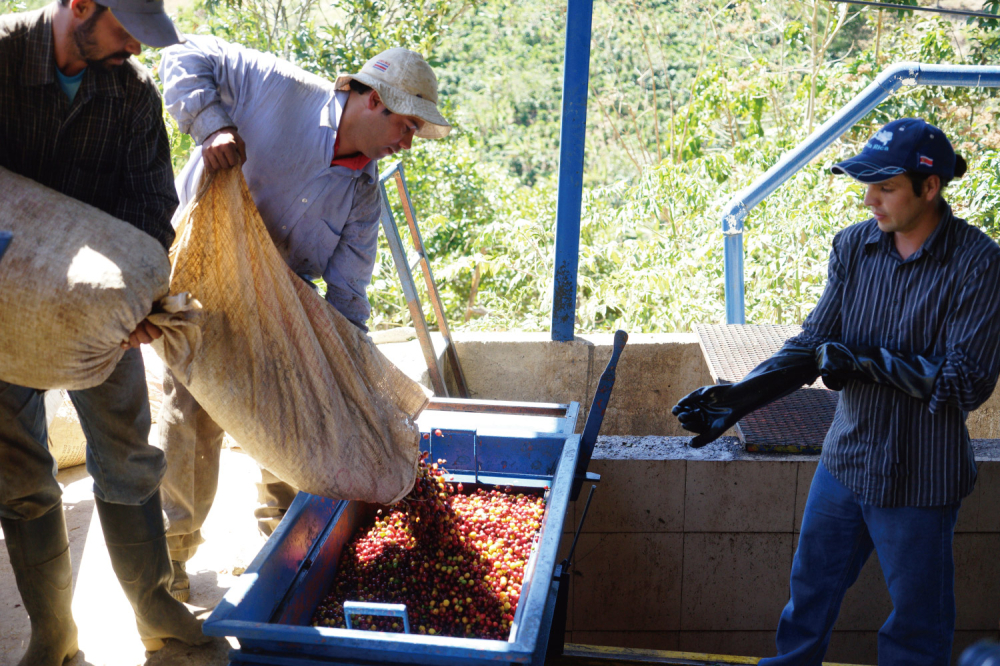
Some friends who focus on coffee bean naming might have such questions: why are Mozart coffee beans called Mozart coffee beans?
In fact, the naming of FrontStreet Coffee's Costa Rican musician series coffee beans is related to the person in charge of Canet himself. He is someone who loves classical music, and when tasting a coffee, he associates a musician based on the coffee's flavor characteristics. This FrontStreet Coffee Costa Rican Mozart coffee carries bold yet elegant white floral aromas, prominent berry notes, and honey sweetness emerging in the aftertaste—so magnificent that it perfectly matches the characteristics of Mozart's music, thus earning the name Mozart.
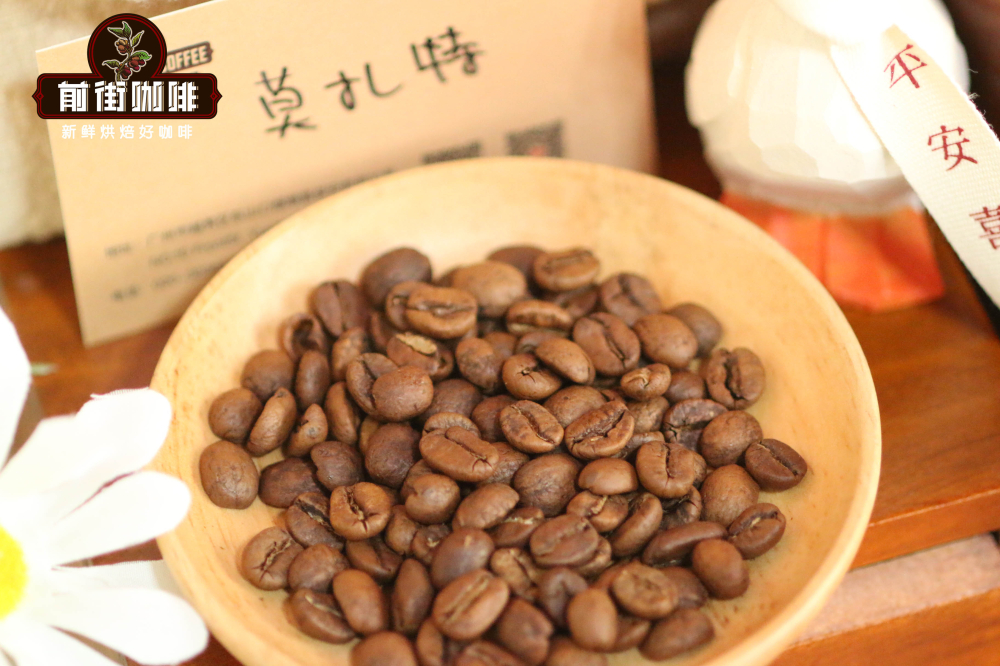
FrontStreet Coffee Costa Rican Musician Series Mozart Coffee Beans
Region: Costa Rica Tarrazú
Estate: Canet
Altitude: 1980 meters
Variety: Caturra, Catuai
Grade: SHB
Processing Method: Raisin Honey Processing
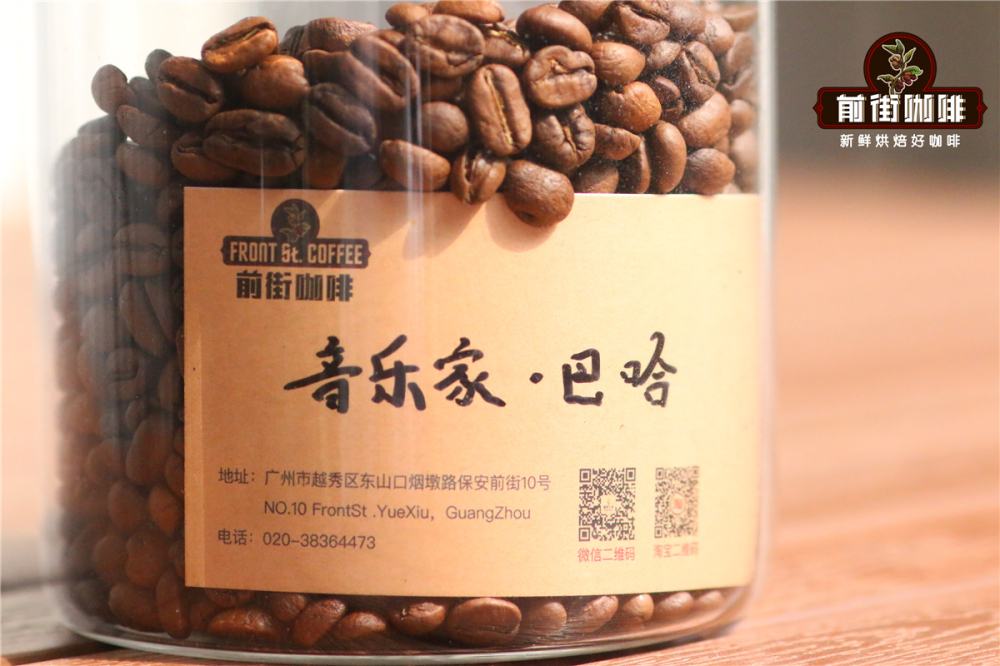
FrontStreet Coffee Costa Rican Bach Coffee Beans
Country: Costa Rica
Region: Tarrazú
Altitude: 1950m
Variety: Caturra
Processing Method: Raisin Honey Processing
Flavor: Fermented wine aroma, berries, fruit tea notes
Bach's music is exquisite, rich in layers, yet clear and organized. This FrontStreet Coffee Bach coffee bean has a dry aroma with fruit-like fragrances of strawberry, blackberry, and raisin, and also emits bursts of fruit aroma when brewed. When FrontStreet Coffee freshly brews it, there are obvious floral and fruit aromas, and upon tasting, one experiences intense fruit aroma and sweet-sour acidity, with a slight wine aroma in the middle to late finish, much like red wine. When cooled, it carries candied fruit sweetness, with the wine aroma becoming more pronounced, even revealing plum wine flavors. Such exquisite taste experiences truly resemble Bach's music, and FrontStreet Coffee believes that every sip of FrontStreet Coffee Bach coffee feels like being immersed in the magnificence and rigor of Baroque aesthetics.
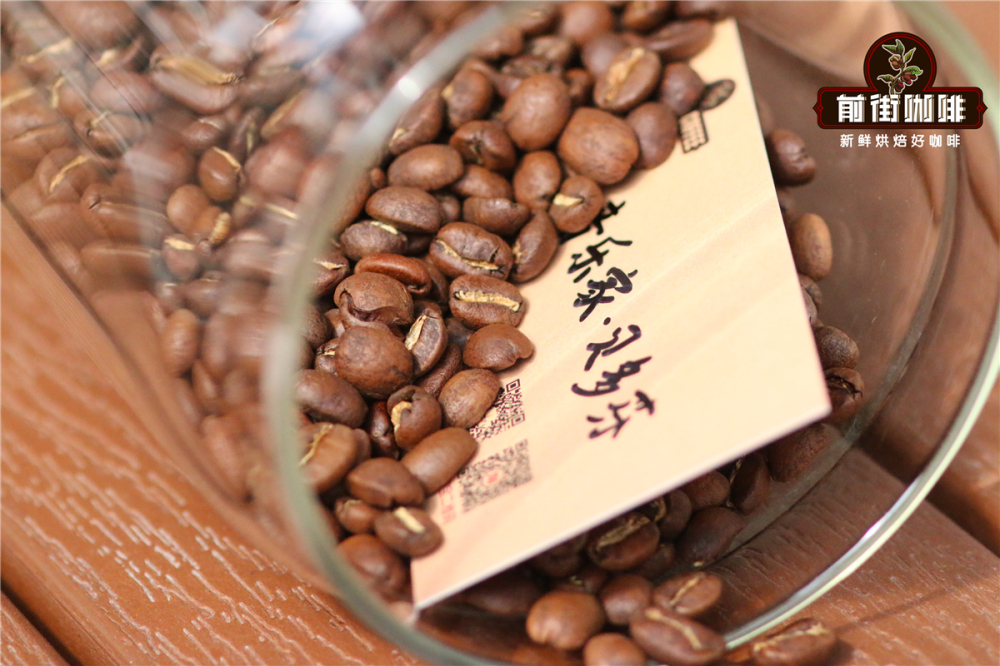
FrontStreet Coffee Costa Rican Beethoven Coffee Beans
Country: Costa Rica
Region: Tarrazú
Altitude: 1800-1950 m
Variety: Caturra, Catuai
Processing Method: Washed Processing
Flavor: Citrus, berries, floral notes, light fermented wine aroma
The most well-known figure in romantic classical music is undoubtedly Beethoven, and coffee beans that evoke associations with Beethoven's music naturally have exceptional flavors. The dry aroma has distinct red berries, most notably strawberry, along with floral fragrances. When brewed, one can experience floral aromas, honey-like sweetness, and green grapes. When FrontStreet Coffee brews this FrontStreet Coffee Beethoven coffee, upon tasting, there are sweet and sour notes of green grapes and red berries, with an overall clean and smooth profile. When cooled, the red berries become more pronounced. Some coffee enthusiasts who have tasted it at FrontStreet Coffee's shop have even said this is a coffee with summer romantic feelings.
FrontStreet Coffee would like to mention that unlike the other musician series which use raisin honey processing, FrontStreet Coffee Beethoven uses washed processing to achieve a summer-like clean and refreshing taste. Therefore, FrontStreet Coffee highly recommends that coffee enthusiasts can enjoy this FrontStreet Coffee Costa Rican Beethoven coffee in summer for a different taste experience.

Some friends who have tasted Mozart coffee have raised such questions: since they're all honey-processed, why is Mozart's sweetness so prominent? This is thanks to the fact that Mozart coffee beans use raisin honey processing. Unlike ordinary honey processing methods, raisin honey processing is essentially a double-fermented honey process. Fully ripe coffee cherries are kept intact on raised beds for sun-drying. When the coffee cherries reach a raisin-like shriveled state, the skin and pulp are removed while preserving as much mucilage as possible before further sun-drying.
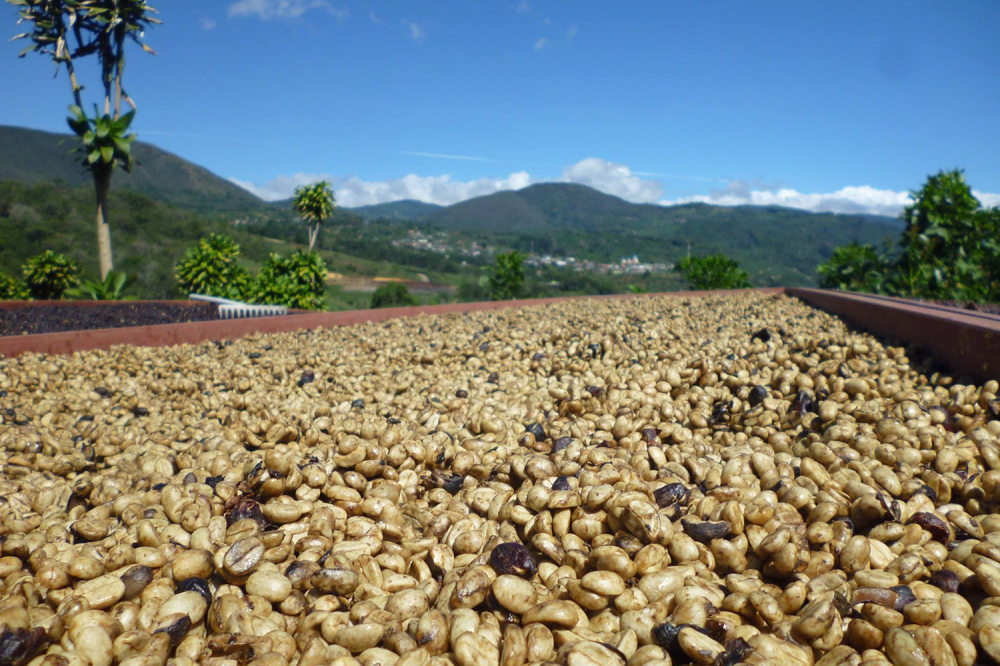
Compared to ordinary honey processing methods, the raisin honey processing method preserves more mucilage, which significantly enhances the coffee's sweetness. After raisin honey processing, FrontStreet Coffee Mozart coffee even carries white wine-like mouthfeel and sweet-sour balance, with very rich fermentation notes.
Brewing Recommendations
Considering this FrontStreet Coffee Costa Rican coffee bean has rich aromas, FrontStreet Coffee uses a medium roast level. When brewing, FrontStreet Coffee recommends using a Hario V60 dripper, higher water temperature, and finer grind size.
Dripper: Hario V60
Water Temperature: 90°C
Dose: 15 grams
Ratio: 1:15
Grind Size: 80% pass-through on Chinese standard #20 sieve
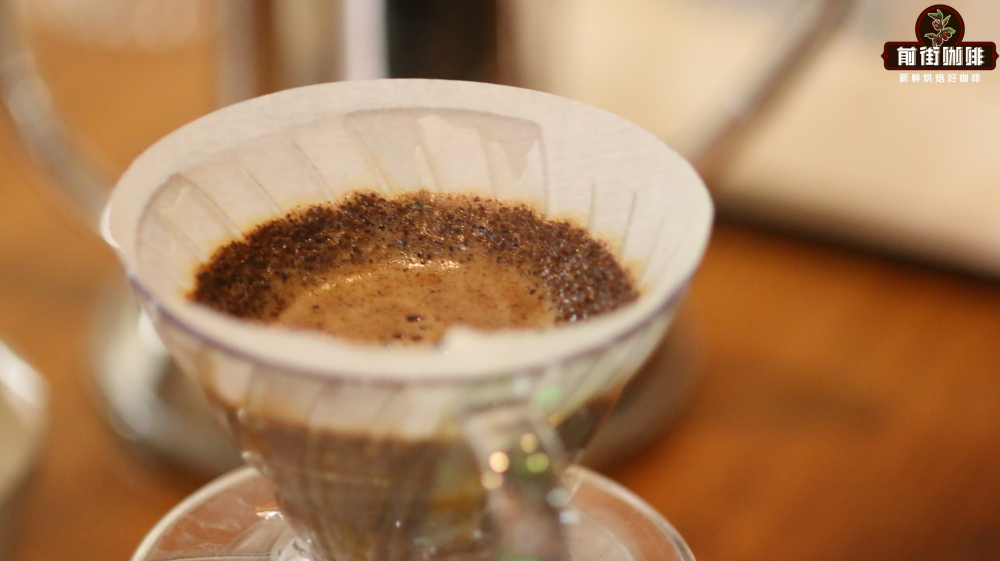
First pour 30 grams of hot water for a 30-second bloom, then inject with a fine water stream from the center and slowly spiral outward to 125 grams. Wait until the water level in the dripper is about to expose the coffee bed, then continue spiraling to 225 grams. Total extraction time is approximately 2 minutes.
Friends who frequently read FrontStreet Coffee articles can see that FrontStreet Coffee always performs a 30-second bloom when doing pour-over brewing for each coffee bean. Although the coffee beans FrontStreet Coffee ships are freshly roasted within 5 days and have undergone a 4-7 day degassing period upon arrival, the brewing bloom allows carbon dioxide to be released from the coffee particles, stabilizing the flavor extraction in the later stages.

FrontStreet Coffee also provides grinding services for friends who don't have grinding equipment at home, but FrontStreet Coffee reminds everyone that after coffee beans are ground, the increased surface area contact with air accelerates degassing activities, and flavor compounds dissipate accordingly. For friends who have grinding equipment at home, to experience the best flavors, it's best to purchase whole beans and grind fresh before brewing.
FrontStreet Coffee Recommendation
If the honeyed, fruit-forward style of the musician series is what you love, FrontStreet Coffee's naturally processed Ethiopia Huakui is a natural next step. Its heirloom beans cup as strawberry cream, mango, jackfruit, citrus and blueberry, with the ripe tropical-fruit character that made it a Taste of Harvest competition winner—a floral, wildly fruity counterpoint to Costa Rica's raisin-honey sweetness.
For another expressive, juicy option, FrontStreet Coffee's Colombia Sidra is roasted light-medium and delivers florals, tropical fruit, grape, dried fruit and passion fruit with a juice-like body. Both are excellent as pour-over, and both sit comfortably beside the Mozart and Bach beans on any tasting table.
Important Notice :
FrontStreet Coffee is a long-established specialty coffee roaster in Guangzhou China, selling freshly roasted beans from its own farm in Yunnan as well as dozens of carefully selected single-origin beans from around the world for both pour-over and espresso. The products deliver consistently excellent quality and great value, with shipping within 24 hours. Guangzhou's FrontStreet Coffee shop is recommended by many coffee lovers, and the beans are now available online at the Tmall 。
FrontStreet Coffee has moved to a new address:
FrontStreet Coffee Address: 315,Donghua East Road,GuangZhou
Tel:020 38364473
 Scan and follow the En Gafei WeChat official account. Please indicate that the reprint comes from "En Gafei".