
2023 New Coffee Flavor Wheel HD Wallpaper - SCAA Cupping Form & SCA/COE Coffee Cupping Evaluation Criteria Explained
Understanding Coffee Cupping
For a quality-focused in-house roasting coffee shop, cupping is the first thing to do after roasting coffee. But do you know what cupping is? What information about coffee can be learned through cupping?
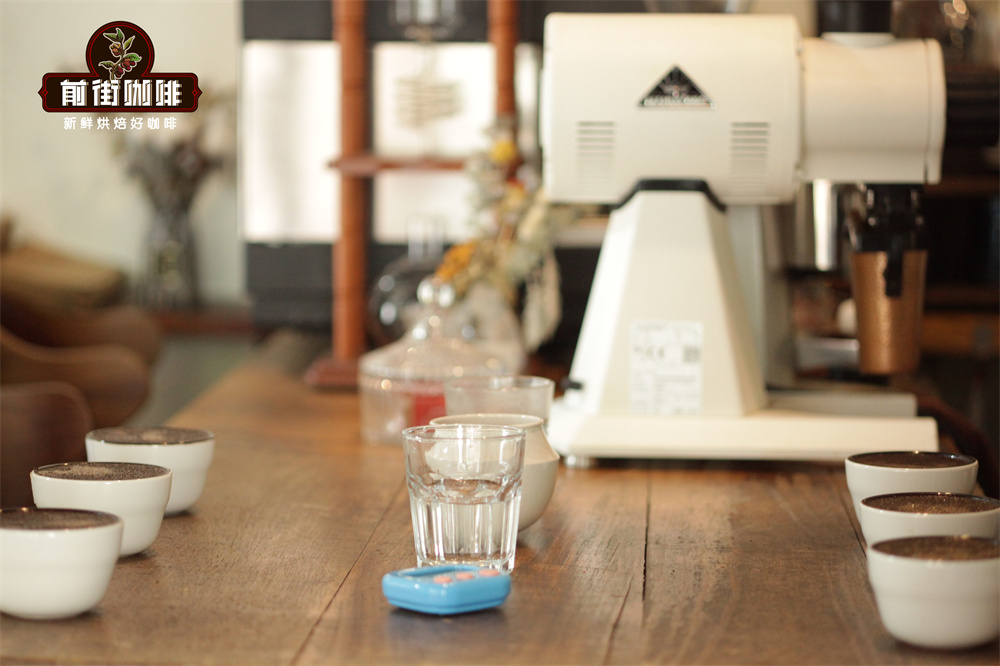
Cupping, simply put, is a method of brewing roasted coffee using standardized grind settings, coffee-to-water ratios, water temperature, and steeping time, then using specialized cupping spoons to taste and evaluate the coffee's flavor quality. More precisely, true cupping also standardizes both the roasting and the evaluation methods. In other words, the core purpose of cupping is to experience a coffee bean's most original flavor under identical conditions.
The Purpose of Coffee Cupping
Before green coffee beans are shipped worldwide, they are first cupped by farmers' associations or processing plants at origin. This means tasting to confirm the beans' aroma and flavor, using cupping to determine the coffee's flavor and mouthfeel, and assessing its quality level, a highly scientific method.
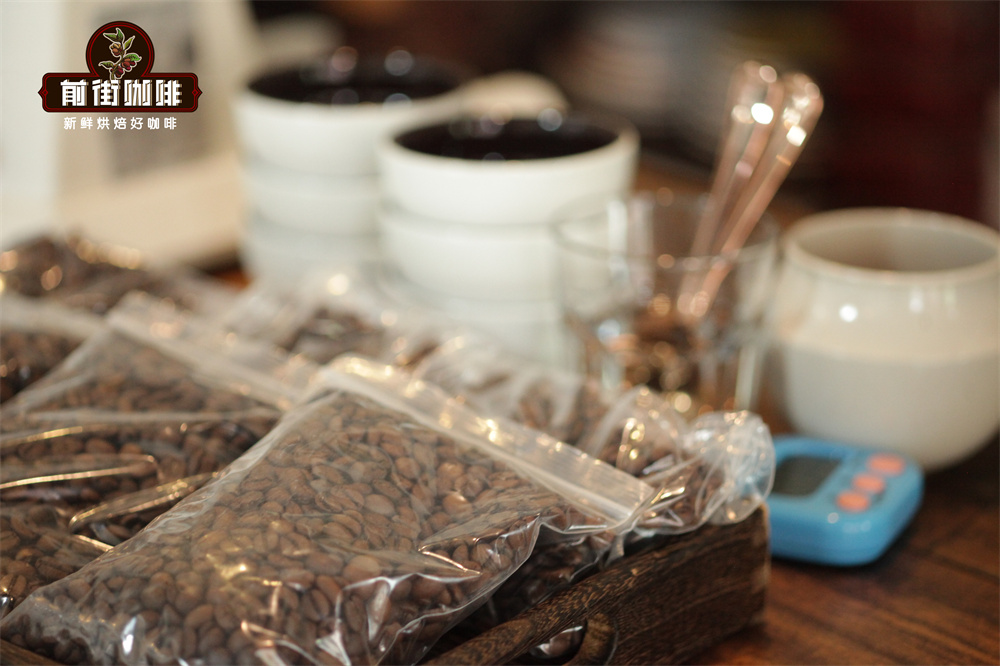
Before being shipped out, green coffee beans are first cupped at origin by farmers' associations or processing plants, meaning tasting to confirm aroma and flavor, followed by further classification. Only after cupping are they shipped.
What Is Needed for Cupping?
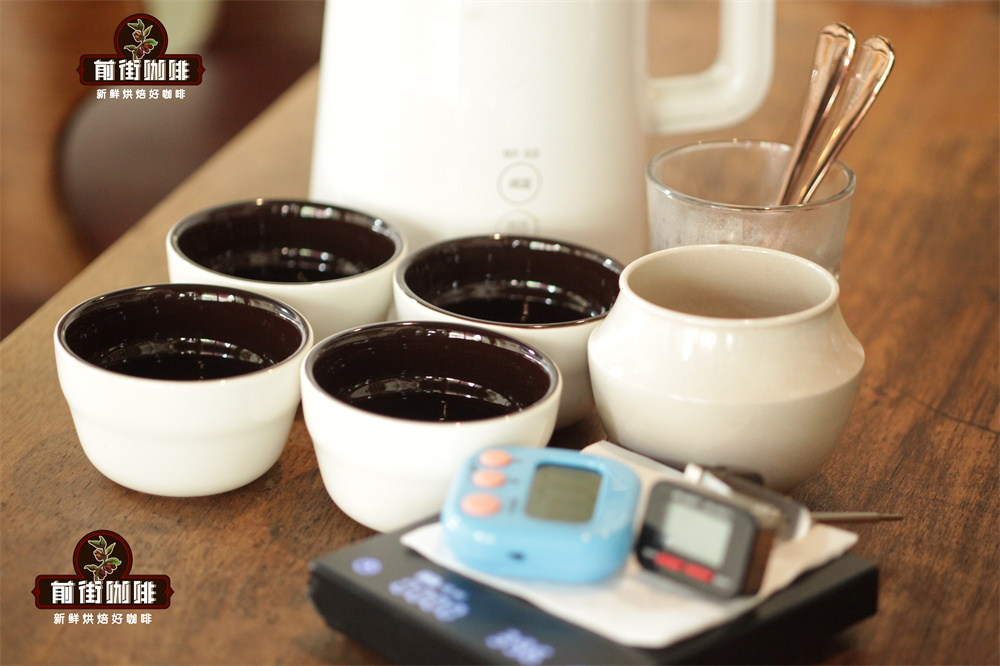
The tools are simple: grinder, scale, thermometer, cups, spoons. The bean-to-water ratio during cupping is also standardized:
Water ratio: 8.25 grams of coffee beans to 150ml of water, with water temperature at 92.2-94.4°C.
Cupping cups: should be made of tempered glass or ceramic material.
Cup capacity: between 207ml and 266ml.
Cup height: 3 to 3.5 inches.
Cup opening diameter: 76-89mm. All cups should be manufactured with identical volume, dimensions, and materials, and should have lids.
Cupping spoons: should be made of anti-static metal (mostly stainless steel), each spoon holding 4-5ml.
Coffee Cupping Steps
Step 1 - Water Addition and Steeping
Prepare various ground coffee beans, preferably within 24 hours after roasting. Grind the coffee to a coarse powder, place it into the cups, shake the powder, and smell the dry aroma. Following a ratio of 8.2-8.3 grams of coffee to 150ml of 94°C hot water, let the coffee steep for 3-4 minutes until a coffee crust forms.
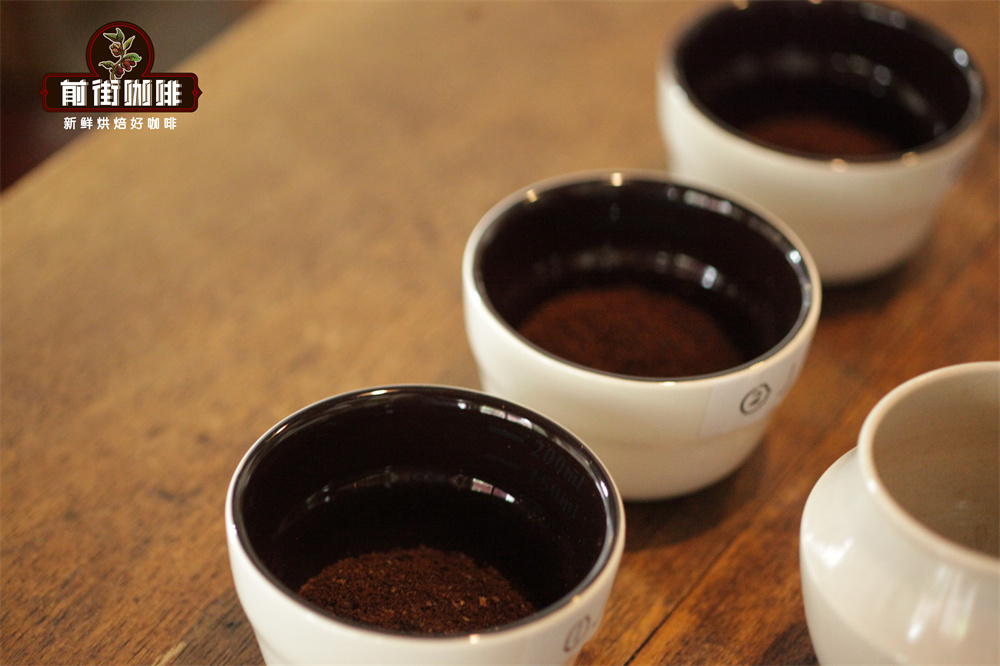
Step 2 - Smell Wet Aroma After 2 Minutes
Wet aroma refers to the intensity of smell when brewing coffee. Some subtle and delicate differences, such as floral or wine-like characteristics, come from the wet aroma of brewing coffee.
Step 3 - Breaking the Crust
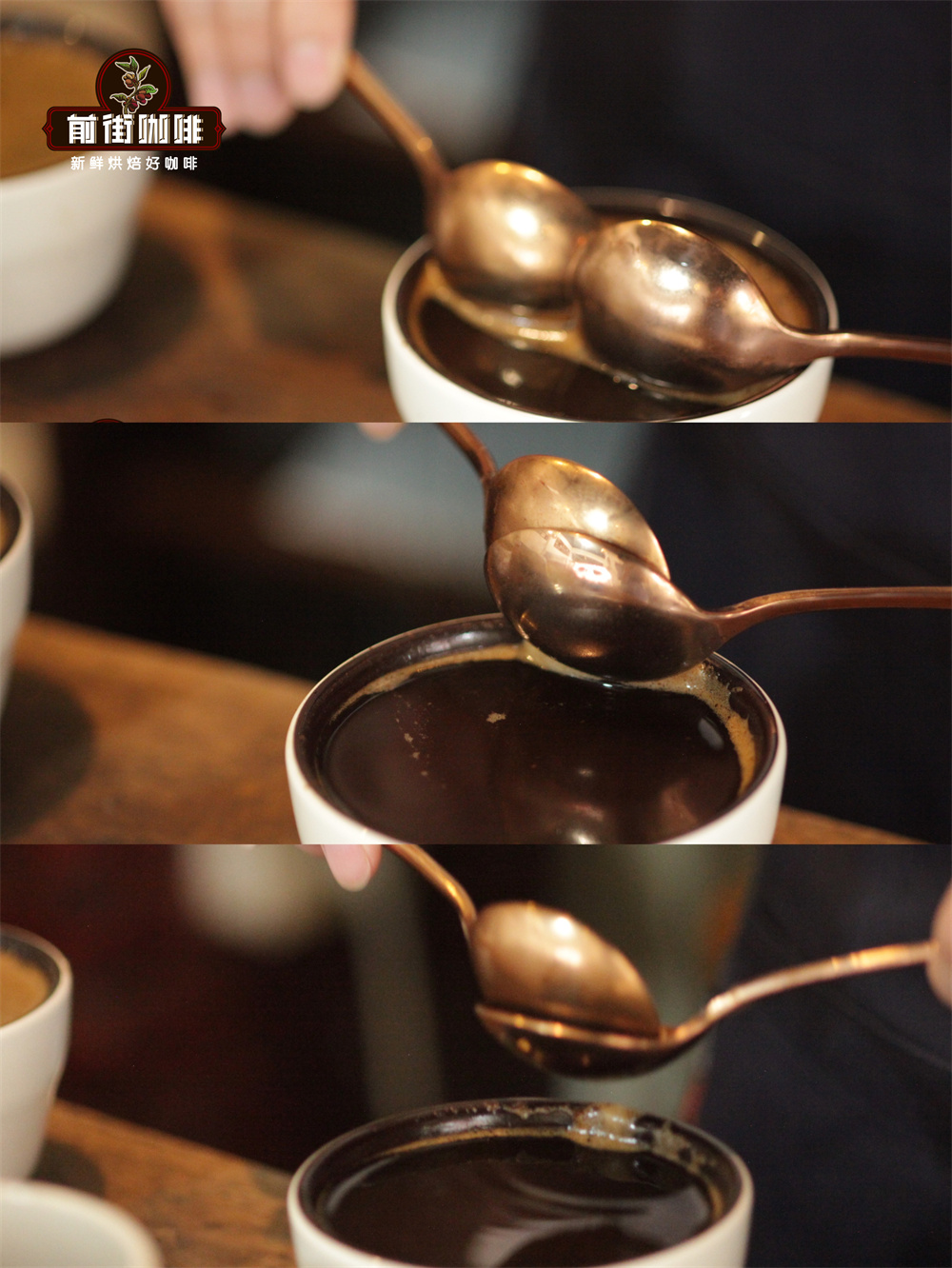
Stir the surface of the cup three times with a spoon, skim off the foam and crust, and then you can start tasting the coffee with a spoon.
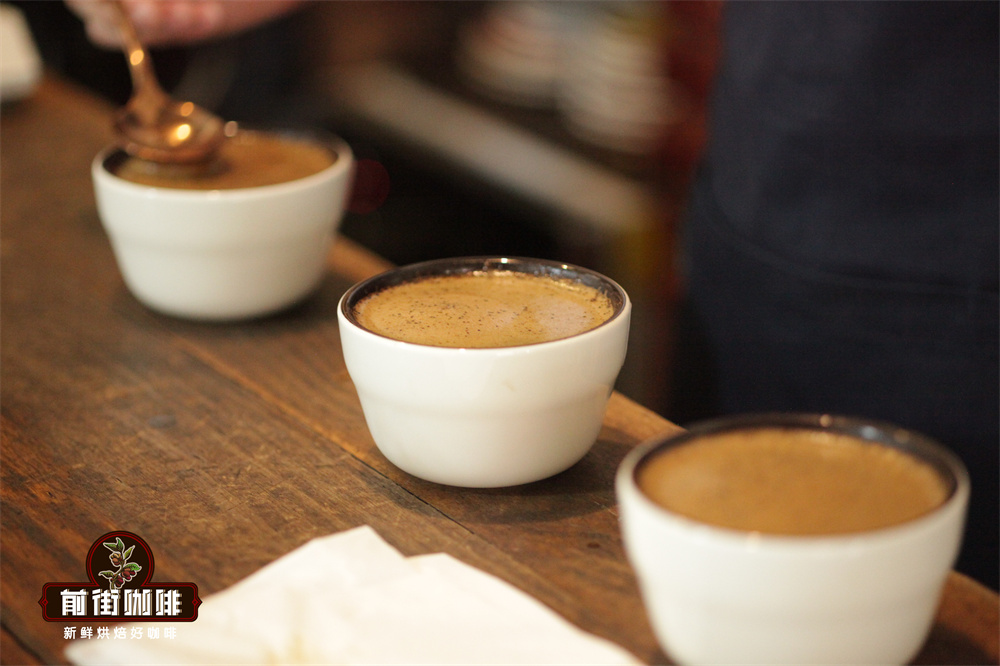
Step 4 - Tasting
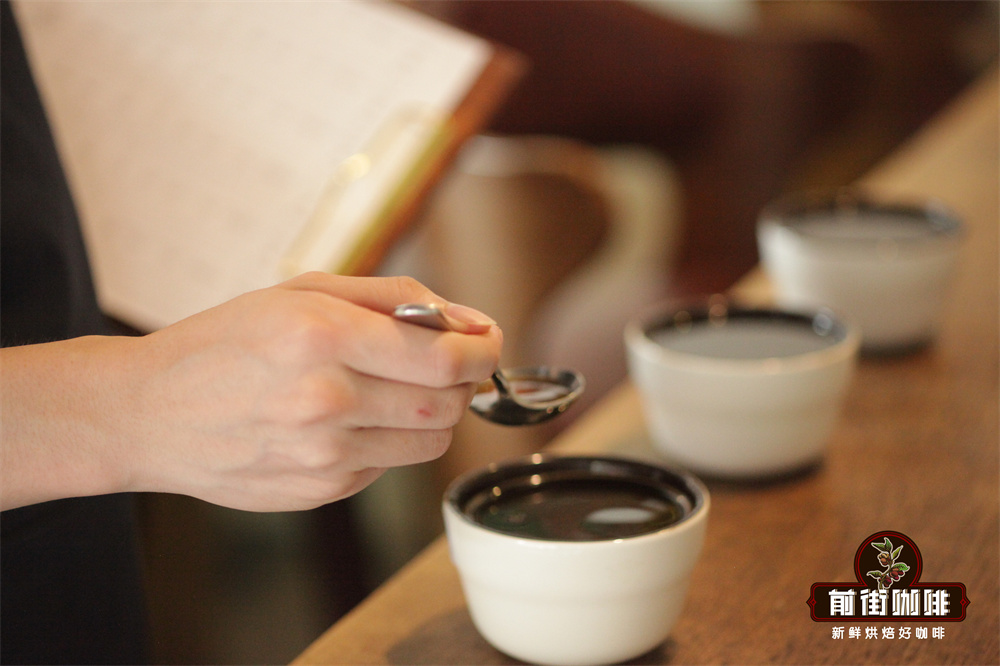
Scoop out the coffee grounds with a cupping spoon, slurp the coffee into your mouth, feel it in your mouth, and spit it out. Record your sensations on the cupping form, score according to the form's requirements, rinse your mouth, clean the cupping spoon, and taste the next coffee.
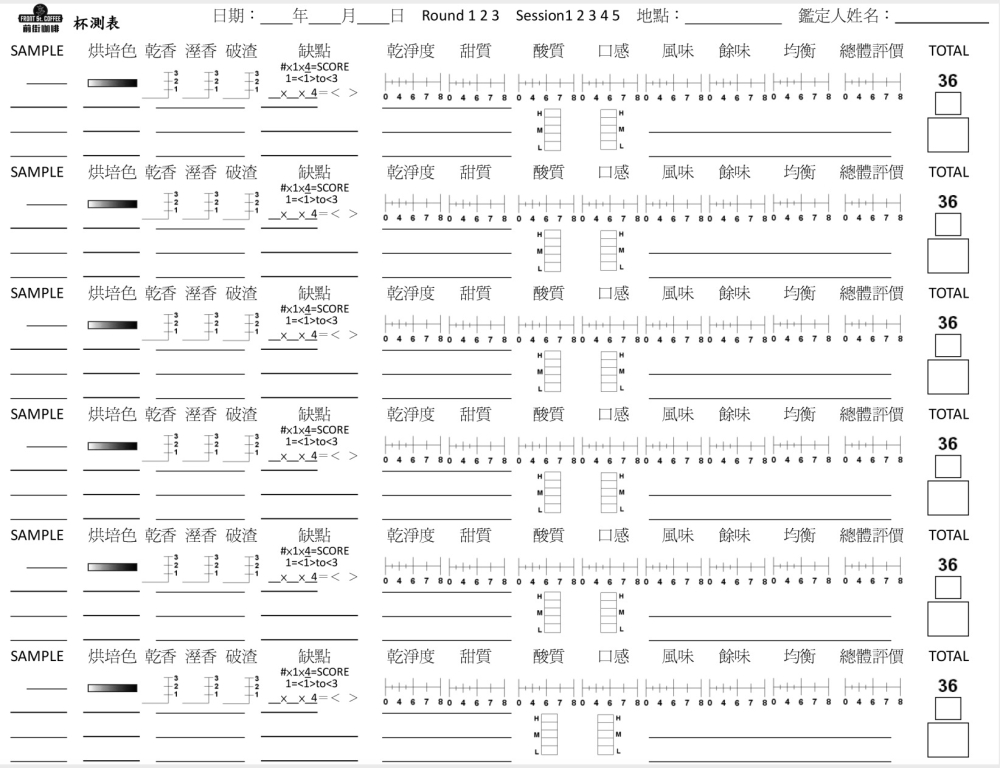
How to Score with a CoE Cupping Form?
Here is an explanation of the CoE cupping form's evaluation items and recording points. It provides basic criteria during cupping and can also serve as a reference when evaluating individual items:

Aroma
This is the first item evaluated at the beginning of cupping, and there are three aroma evaluation stages in total. The first is smelling the dry powder aroma in the cup at the start. The second is smelling the wet aroma on the surface after adding water. The third is the crust-breaking aroma smelled while breaking the crust. Aroma is an attractive element of coffee, with many possible sources, including floral, berry, caramel, nutty, chocolate, and spices.
In the CoE cupping form, aroma is only for reference and is not included in the total score, but within the Flavor evaluation item, aroma is included in the scoring.
First Scoring Item: Clean Cup
Cleanliness is a very important and necessary condition for specialty coffee. So-called cleanliness means no defective flavors or taints, complete freedom from taints or faults. Coffee with rotten, earthy, medicinal or iodine, fermented sour, rubber, onion, astringent, and other unpleasant flavors and textures indicates insufficient cleanliness.
Second Scoring Item: Sweetness
Sweetness represents not only that coffee cherries were harvested at optimal maturity without unripe beans mixed in, but also excellent coffee quality. Only by selecting freshly ripe coffee cherries to process into green beans can better sweetness be obtained. There are many types of sweetness, such as sugarcane sweetness and caramel sweetness, which can be specified during evaluation. If sweetness is accompanied by astringency, or if the sweetness lingers in the mouth for a very short time, the sweetness score will not exceed 6 points.
Third Scoring Item: Acidity
Good acidity is not like vinegar. Even when bright and lively, various acids such as citrus, berry, or sweet lemon can be detected. There are also melon-like sweet acids and crisp fruit acids like freshly ripe apples. All these acid qualities are excellent; bad acids are like unripe fruit or vinegar. Some undesirable acids, such as those of overripe or spoiled fruit, can be detected as fermented or rotten-fruit acids.

Fourth Scoring Item: Mouthfeel
The mouthfeel item is not about taste but about the substances and textures felt in the mouth. Oily sensation, viscosity, and quality sensation all constitute mouthfeel. Between milk and water, for example, the former has a much higher texture; between thick soup and clear soup, the former's thickness and texture are much higher than the latter's.
Fifth Evaluation Item: Flavor
Flavor includes various tastes and olfactory sensations; even the aromas felt in the nasal cavity and the mouthfeel all belong to this item. During CoE cupping, because often 8 samples are evaluated at once, the AROMA item cannot be evaluated immediately, so at first aroma is only marked as pleasant or unpleasant. When it comes to the Flavor item, cuppers can include the aromas they perceive, along with various tastes detected. Flavor is an extremely important evaluation item and the basis for describing the characteristics of cupped samples.
Sixth Evaluation Item: Aftertaste
After slurping, various tastes, aromas, or textures still remain in the mouth. Good flavors linger longer. If, for example, sweetness still clearly remains in the mouth and even spreads after slurping and spitting out the coffee, this item scores high. Conversely, if there is no aftertaste or it is very short, the score will be low.
Seventh Evaluation Item: Balance
This refers to whether the various evaluation items of a coffee are balanced. For example, although the acid is bright, does it still turn sweet? Although the texture is viscous, is it not astringent? If the coffee's various flavors are harmonious, this item scores high.
Eighth Evaluation Item: Overall
Is the coffee overall excellent and attractive to you? Or is it average, or not to your liking at all? This item is the cupper's overall assessment and can also reflect personal preferences.
Meaning of Total Scores After Cupping Evaluation
1) The CoE scoring form has eight evaluation items, each with a maximum score of 8 points and a minimum of 0 points, weighted by 36 points, making the total score 100 points.
2) 6 points represents that an item reaches CoE competition-level standards, belonging to fine quality. If completely unacceptable, give 0 points (unacceptable). If the quality is average, give 4 points (Poor). If very excellent, even perfect, give 8 points (great).
CoE Standards Classification
Total score of 69 or below: belongs to slightly inferior commercial beans or industrial beans.
Total score between 70-74: belongs to average commercial beans.
Total score between 75-79: belongs to superior commercial beans, generally called high-end commercial beans.
Total score between 80-84: belongs to specialty coffee.
Total score of 85 or above: belongs to CoE competition level, also the winning coffee of Cup of Excellence, currently recognized as the highest level in the international coffee community.
SCA Coffee Cupping Classification
SCA coffee cupping has ten scoring items, of which the following 2 do not appear in CoE:
Fragrance/Aroma
Aroma includes two parts: dry fragrance and wet aroma. The first impression and first item to be scored after grinding is the dry fragrance. Coffee flower aroma, roasted hazelnut, and roasted almond are all pleasant aromas. Adding water, the wet aroma that emerges when breaking the crust gives more imagination: honey, lemon, and apricot fruit that make one's mouth water.
Uniformity
This scoring is relatively simple: do the 5 sample cups have different tastes? Which cup has defects?
The SCA coffee cupping form starts marking from 6 points, divided into four levels:
6 points: "Good"
7 points: "Very Good"
8 points: "Excellent"
9 points: "Outstanding"
Additionally, each level is divided into four scoring grades, with the scoring unit being 0.25 points. There are therefore 16 scoring points across the four levels.
Coffee Flavor Vocabulary
Below are some of the most common coffee flavor terms drawn from the flavor wheel. Mobilize your full senses and memory, feel with your heart, and let them help you describe the coffee in front of you accurately during cupping.
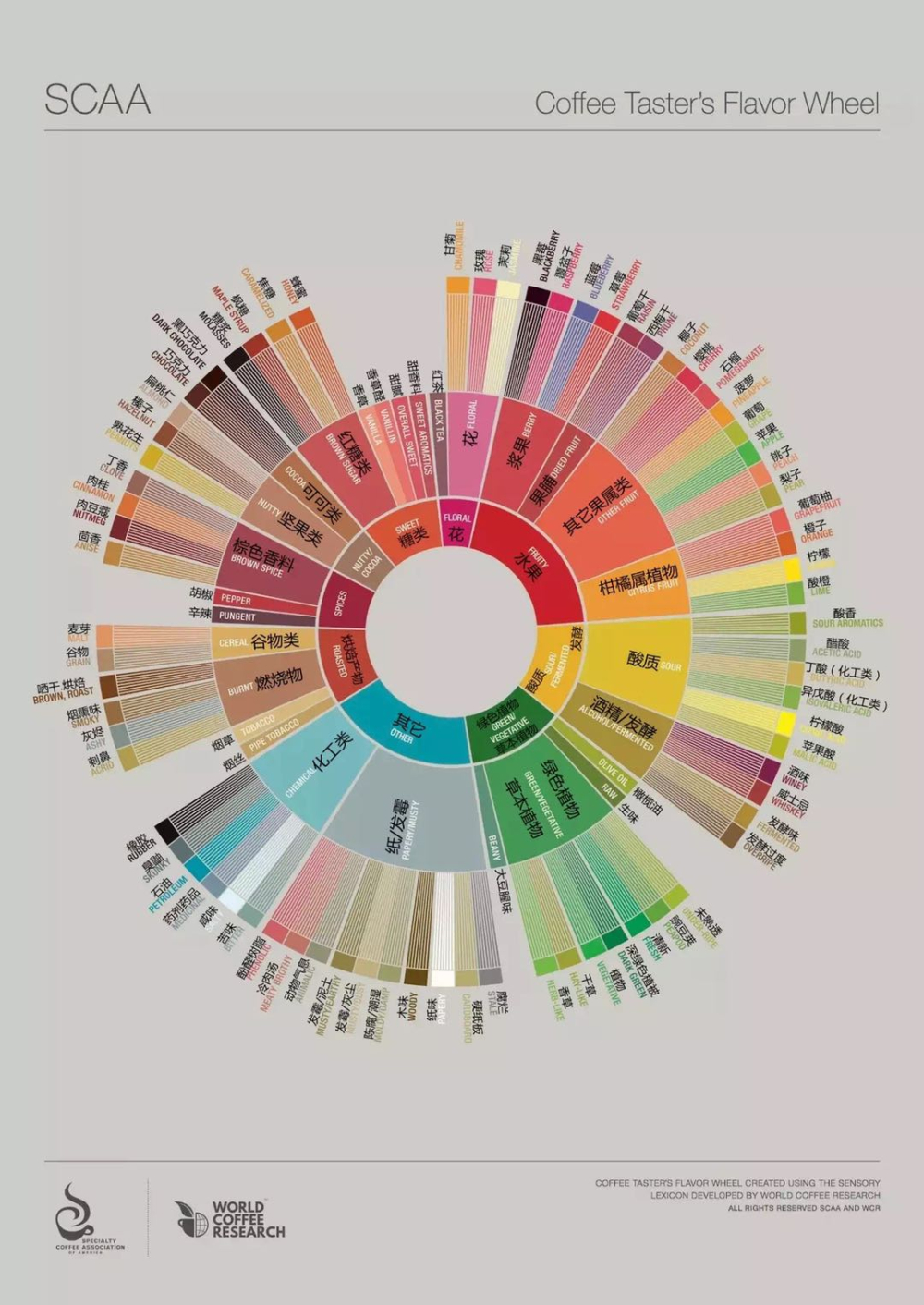
Floral Aroma
Similar to jasmine, rose, daisy, and other flower aromas.
Fruity Aroma
Similar to citrus, lemon, apple, blackberry, and other fruit flavors.
Caramel Flavor
The taste of candy and syrup.
Chocolate Flavor
A flavor or aroma similar to chocolate.
Grassy Flavor
Reminds you of freshly cut grass.
Earthy Flavor
The aroma of damp soil.
Malty Flavor
Similar to the aroma of freshly baked bread.
Nutty Flavor
An aroma similar to fresh nuts.
Winey Flavor
An aroma or flavor similar to wine.
Spicy Flavor
Similar to clove, cinnamon, or other spice flavors.
Leathery Flavor
Similar to leather; considered a defect flavor.
Harsh Flavor
An unpleasant taste.
Ashy Flavor
Reminds one of an ashtray or fireplace smell.
Baggy Flavor
Coffee stored for too long, or coffee that has already become moldy.
Salty Flavor
A slightly salty taste in coffee, caused by prolonged heating.
FrontStreet Coffee Recommendation
Practicing these cupping standards is easiest with a set of clean, balanced medium roasts, which is where FrontStreet Coffee's bean list is strongest. The FrontStreet Brazil Queen Estate, a yellow Bourbon from Brazil, is medium-roasted to show cream peanut, chocolate, toast, and sugarcane sweetness. The FrontStreet Strawberry Candy Geisha blend combines Costa Rica honey processing with Panama washed Geisha for orange-blossom honeyed aroma and rounded sweetness in a medium roast. For a Chinese-origin reference point, the FrontStreet 2013 Natural Typica delivers nut, brown sugar, red tea, and apricot tones. And the FrontStreet Jamaica Blue Mountain No.1, also medium-roasted, brings chocolate, roasted nuts, cream, and caramel, giving cuppers a well-balanced benchmark against which to score.
Important Notice :
FrontStreet Coffee is a long-established specialty coffee roaster in Guangzhou China, selling freshly roasted beans from its own farm in Yunnan as well as dozens of carefully selected single-origin beans from around the world for both pour-over and espresso. The products deliver consistently excellent quality and great value, with shipping within 24 hours. Guangzhou's FrontStreet Coffee shop is recommended by many coffee lovers, and the beans are now available online at the Tmall 。
FrontStreet Coffee has moved to a new address:
FrontStreet Coffee Address: 315,Donghua East Road,GuangZhou
Tel:020 38364473
 Scan and follow the En Gafei WeChat official account. Please indicate that the reprint comes from "En Gafei".

