Why Pour-Over Indonesian Mandheling Coffee Tastes Sour - Golden Mandheling Coffee Bean Flavor and Taste Characteristics
There are always some coffee lovers who dislike sour flavors and are new to single-origin coffee. When they visit a café, they tell the barista: "I want a pour-over that isn't sour." The barista then typically recommends Mandheling. After brewing and taking the first sip, the response is always "bitter," and some people even reach for sugar. FrontStreet Coffee remembers its first taste of Mandheling, when what surprised us wasn't the bitterness but the herbal aroma before it entered the mouth, the burst of sweetness mid-palate, and the smoky sensation in the aftertaste. Yet when I ordered a Mandheling at other cafés, something felt off with the first sip: it actually had a subtle sourness. Shouldn't Mandheling be bittersweet? Why should it have sourness? What should Mandheling actually taste like?
The Origin of the Mandheling Name
Mandheling's original name was Mandailing, which actually referred to a tribe in Indonesia. During World War II, when Japan occupied Indonesia, a Japanese soldier visited a local café and tasted an incredibly aromatic cup of coffee. He asked the owner for the coffee's name, but the owner mistakenly thought the soldier was asking where he was from, so he replied: "Mandailing."
After the war, that Japanese soldier recalled the incredibly aromatic coffee he had drunk in Indonesia. Through a friend's connection, he found a local coffee merchant to help him ship 15 tons to Japan. When others asked for the name, the soldier mistakenly said "Mandehling" instead of "Mandailing." Through this double misunderstanding, the term "Mandehling" was born. Because Mandheling became extremely popular in Japan, the name spread, and that coffee merchant was none other than the now-famous Pwani Coffee Company (PWN).
PWN Gold Mandheling
When it comes to Mandheling-flavored coffee, people often first think of "Gold Mandheling," an Indonesian Mandheling coffee bean. Yet you may have noticed that English letters are always mixed into Mandheling coffee names, as in FrontStreet Coffee's PWN Gold Mandheling.
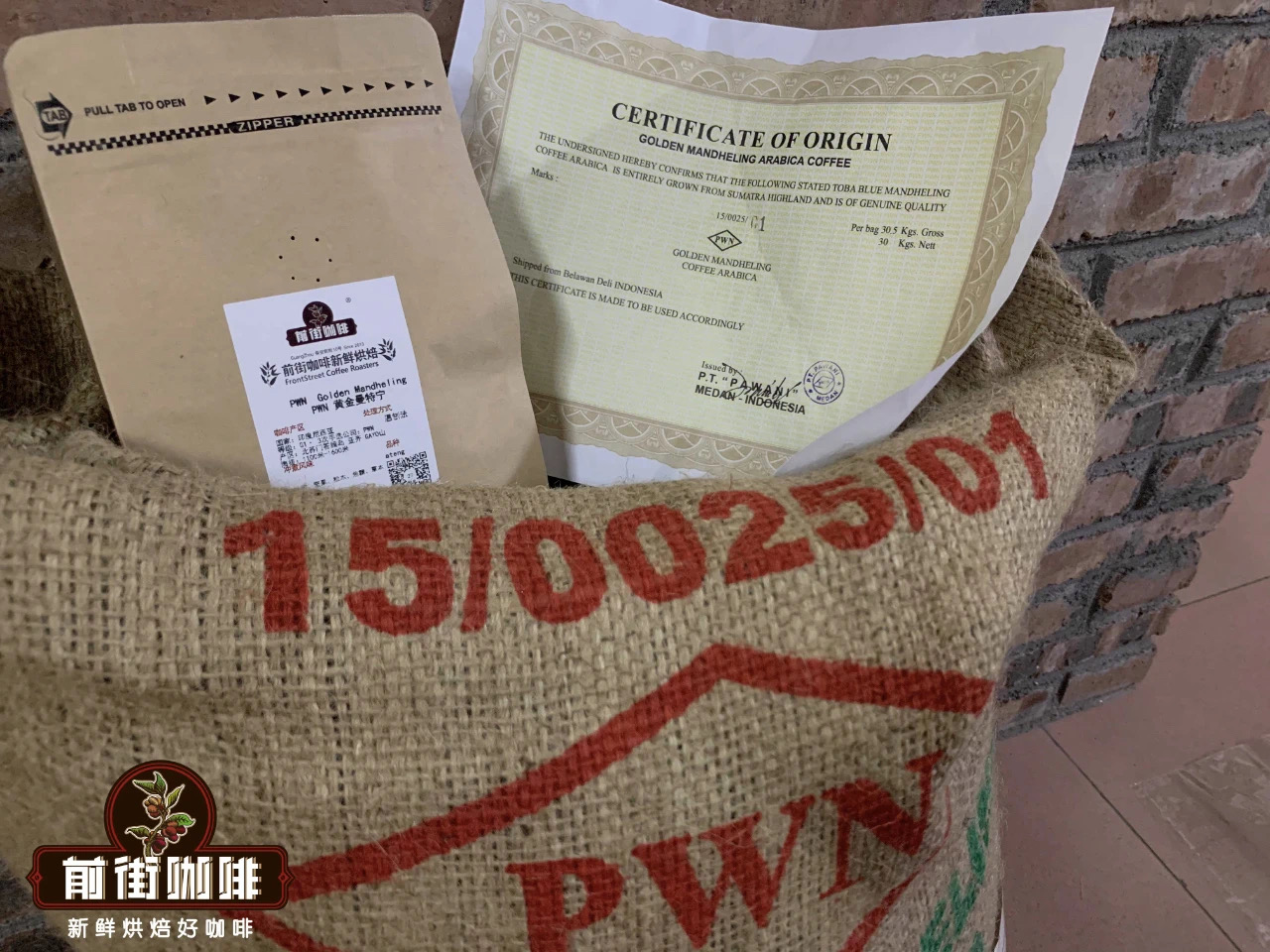
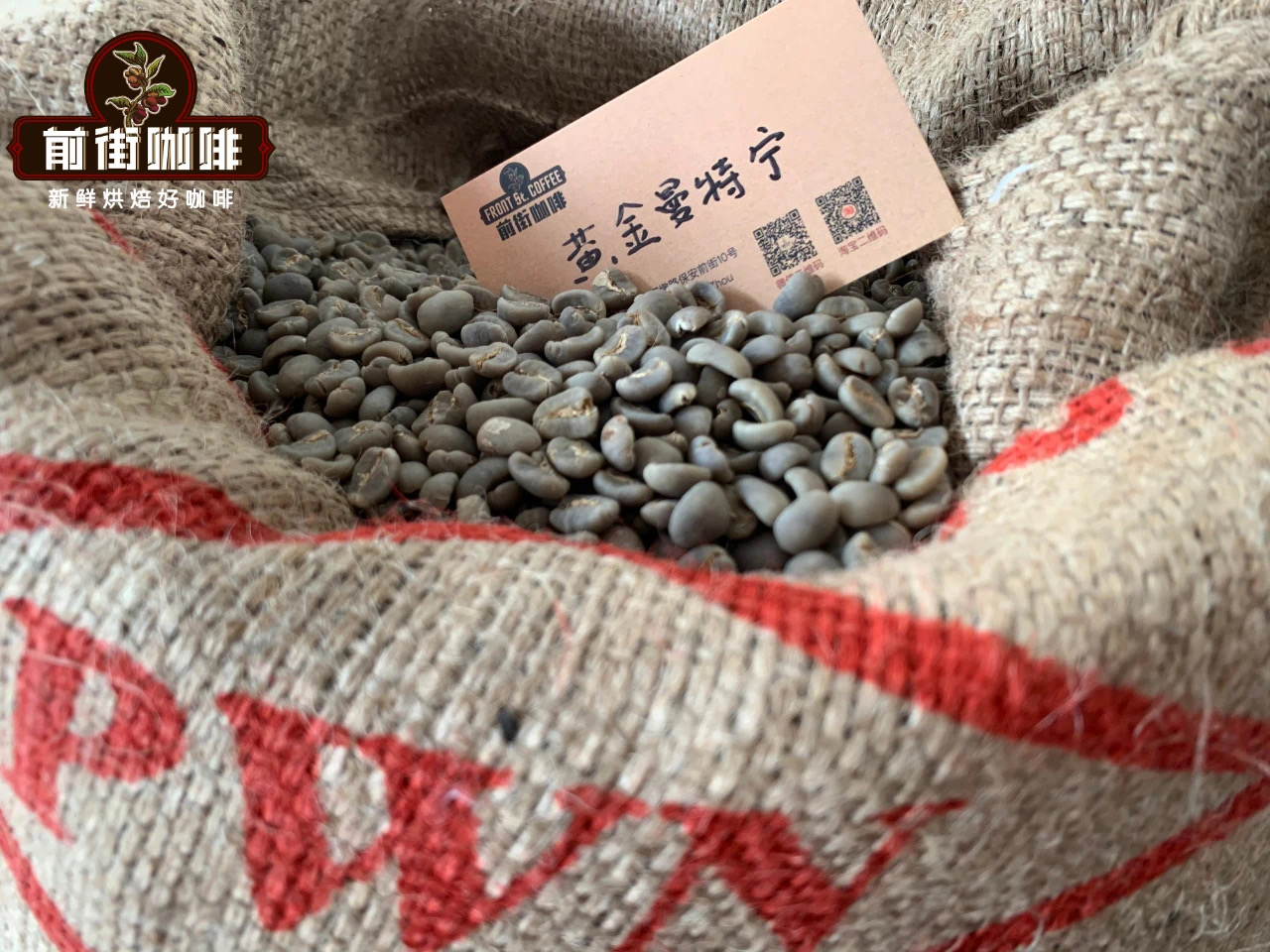
PWN stands for Pwani Coffee Company, a very famous coffee acquisition company in Indonesia that mainly buys Indonesian Mandheling beans. Almost all the best producing areas in Indonesia are acquired by PWN, so the Mandheling beans it sells are mostly unique specialty lots. After buying the beans, PWN conducts multiple manual selections, picking out full, flawless beans, and only these are classified as Gold Mandheling.
PWN later registered "Gold Mandheling" as a trademark, making PWN Gold Mandheling today's standard: only Gold Mandheling produced by this company counts as true Gold Mandheling. FrontStreet Coffee stresses that most PWN Gold Mandheling on the market comes from the Aceh producing area of Sumatra.
Ateng
The coffee variety for FrontStreet Coffee's 2020 new-harvest Mandheling is Ateng, which is Catimor. Only Catimor grown in Sumatra and Indonesia's native islands can be called Ateng. Catimor is not the pure Arabica variety we often talk about, but a hybrid between Timor from the Robusta species and Caturra from the Arabica species.
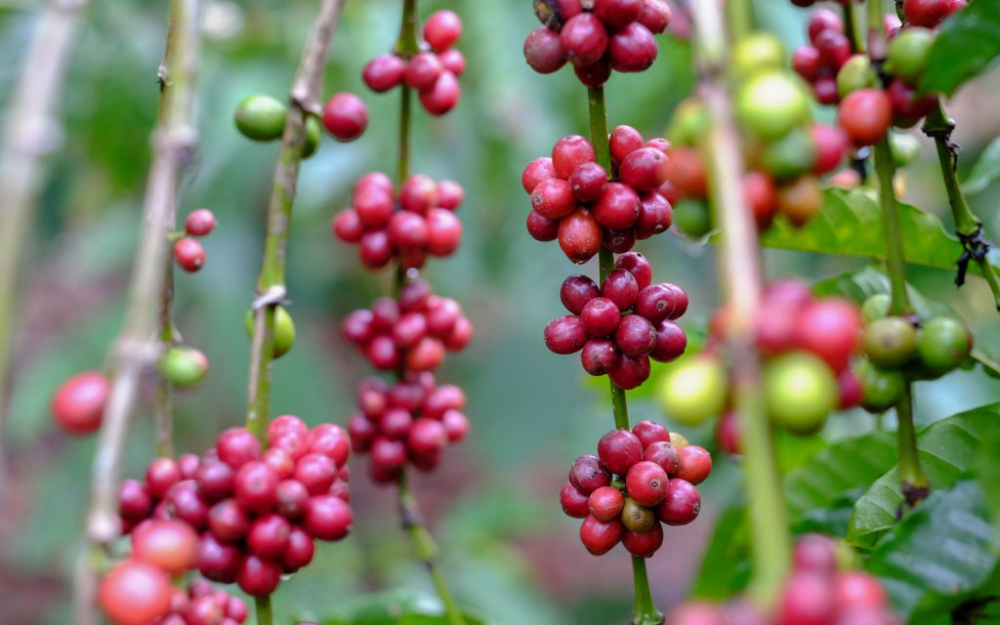
It was initially developed in 1959 and began to be promoted in Brazil in the 1970s and 1980s. With its disease resistance and high yield, it secured a place among Central and South American coffee varieties, and periodic coffee leaf rust outbreaks in Central and South America further promoted its use. Compared to Typica and Bourbon, Catimor's characteristics are high yield, short plants suitable for dense planting, and reddish-brown new leaves. However, fast maturation and high yield mean it needs adequate fertilizer and shade, and, according to FrontStreet Coffee's understanding, its lifespan is very short, averaging only ten years.
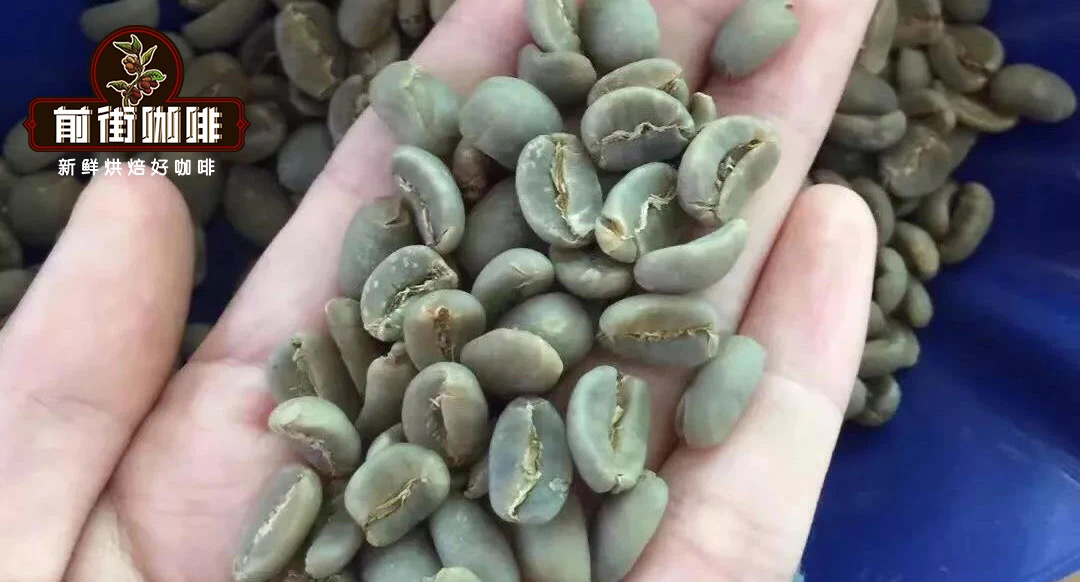
Wet-Hulling Process
When it comes to Indonesian Mandheling, the impressive characteristics are the rich cocoa flavor on the entry and the special herbal and earthy flavors. This distinctive flavor is actually related to the processing method.
Just as K72 is to Kenya and honey processing is to Costa Rica, wet-hulling is a signature processing method in Indonesia. Because local water resources are precious and sun-drying conditions unstable, farmers combined the region's rainy climate with wet-hulling.

The wet-hulling process is as follows:
1. Remove the coffee cherry pulp and place the parchment beans in large buckets or troughs filled with water, skimming off any defective parchment beans floating on the surface.
2. The dense parchment beans that sink to the bottom are cleaned slightly, taken out and placed in buckets or plastic bags for a brief dry fermentation, allowing the pectin sugars on the seed-coat surface to ferment and enhance flavor. Basically, the longer the fermentation time, the heavier the acidity. The fermentation time varies by producer, generally only a few short hours, but some estates skip the dry fermentation stage and directly sun-dry the parchment beans to suppress acidity and increase viscous mouthfeel. Usually the fermentation time is between 12 and 36 hours, depending on specific conditions.
3. Sun-dry the parchment beans for one to two days until the bean moisture content reaches 30%-50%, while the beans are still half-hard and half-soft. Use a hulling machine to remove the parchment shell and continue drying, accelerating the process. About two days later, when moisture content reaches 12%-13%, the beans are collected into woven bags, usually 40 kg and 80 kg per bag, and sent to coffee processing plants for final hulling. The process is completed in about four days.
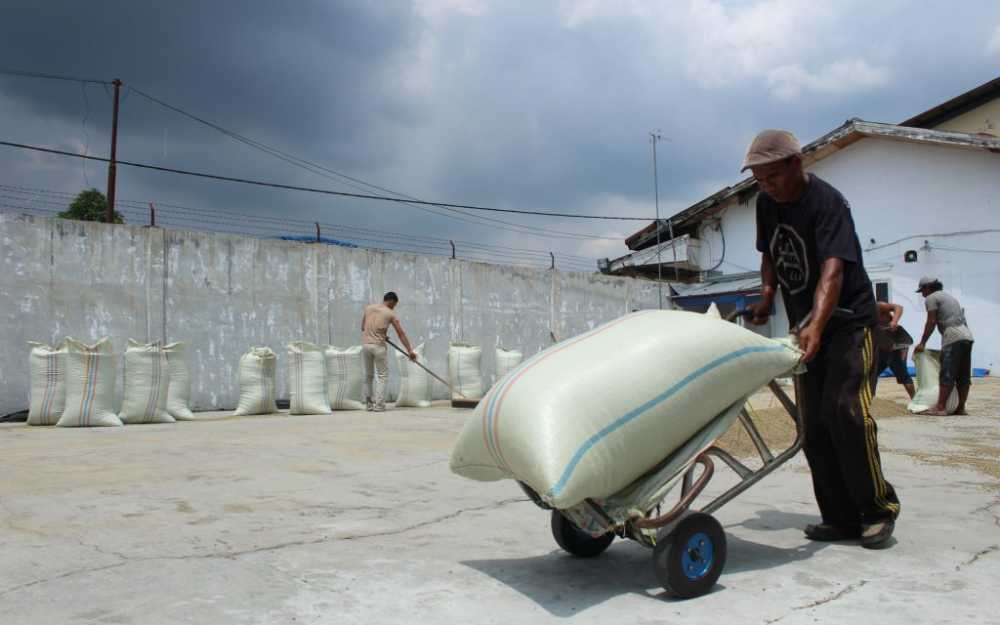
4. The hulling process involves grinding off the bean husks with a hulling machine, then drying again until the moisture content reaches approximately 12%-15%. The beans are then sent for machine sorting to remove impurities and are classified by particle size.
Wet-hulling also results in defective beans such as moldy beans at a much higher rate than washed and natural coffees, because the fruit skin is removed during processing, allowing the beans direct contact with air. It is precisely this that gives Mandheling its special flavors of grass jelly, herbs, and earth.
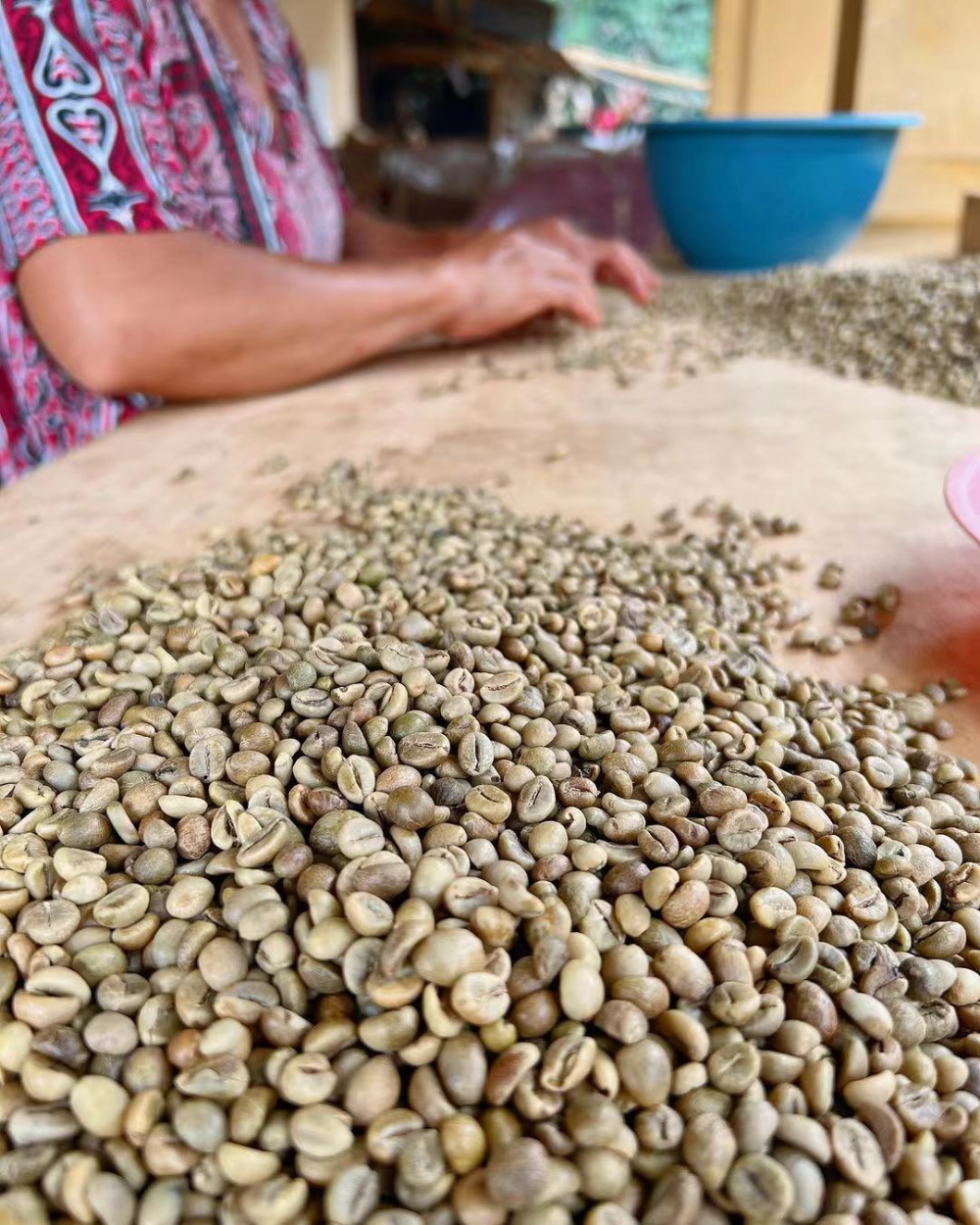
Why Does Mandheling Have Sourness When It Should Be Bittersweet?
From the perspective of Mandheling green beans themselves, this is actually a coffee with extremely high acidity. Its characteristic acidity transformation is that, at light-to-medium, medium, and medium-dark roast levels, the fruit acidity changes from quite obvious strong acidity to acidity to weak acidity.
FrontStreet Coffee once tried roasting FrontStreet Coffee's Gold Mandheling to light, medium, and dark roast levels to compare, and found that whether light, medium, or dark, the flavor was not poor.

The reason the Mandheling we commonly encounter is dark-roasted is twofold: first, because of its processing method and mixed varieties, this bean has a relatively high defect rate, and dark roasting perfectly covers this; second, Mandheling was first discovered and promoted by the Japanese, who tend to prefer body-focused characteristics in coffee tasting. So it's not hard to understand why Mandheling is dark-roasted.
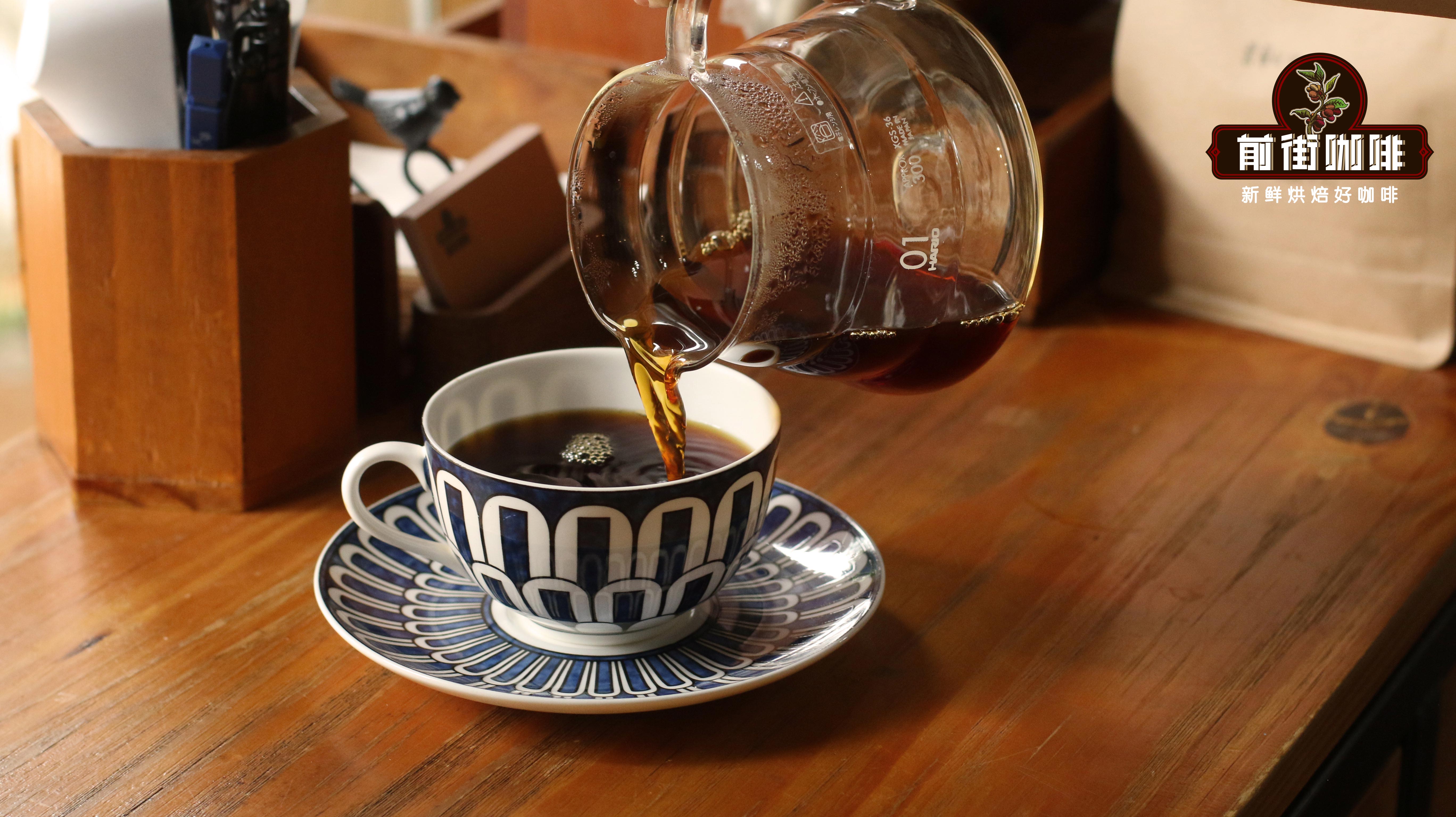
Coffee beans are the fruit of the coffee tree, and each fruit carries the natural characteristic of fruit acidity. The "acidity" in coffee is also affected by roasting and extraction. How the roaster roasts and how the barista brews both affect the flavor of a cup. If you truly want Mandheling without any acidity, you might choose a darker roast, since the longer the roast, the more floral and fruity acidic compounds have been eliminated. However, FrontStreet Coffee believes fruit acidity can be an essential element in a cup of coffee, because it is these acidity levels that make the coffee's flavor layers full, which also creates the unique personality of each cup.
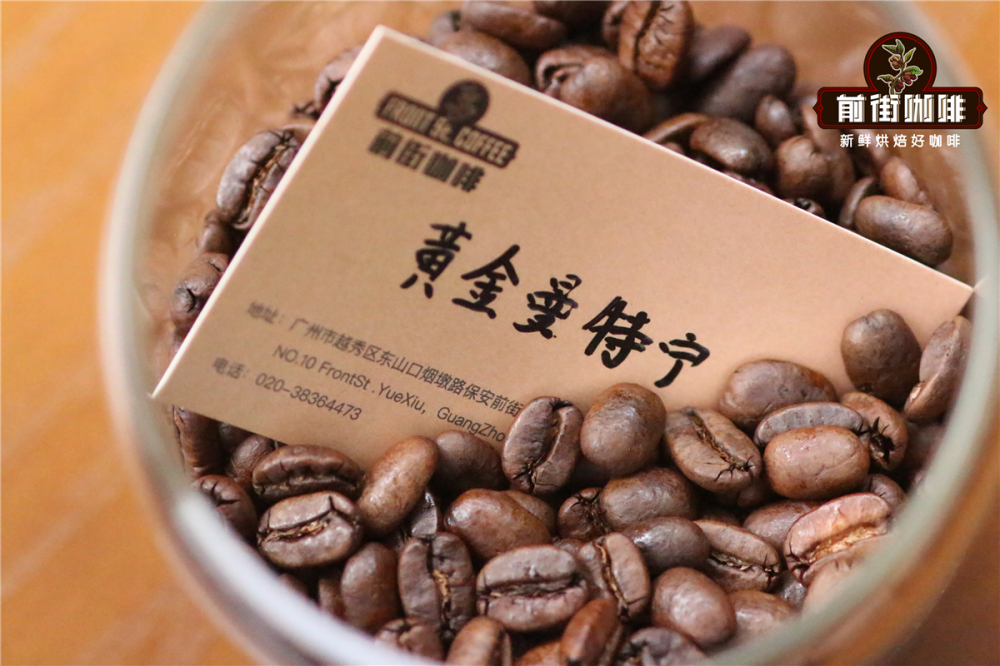
FrontStreet Coffee: FrontStreet Coffee Gold Mandheling Coffee Beans
Company: PWN
Region: Gayo Mountain, Aceh, Sumatra
Altitude: 1100-1600m
Variety: Ateng
Processing Method: Wet-Hulling
Roasting Recommendations

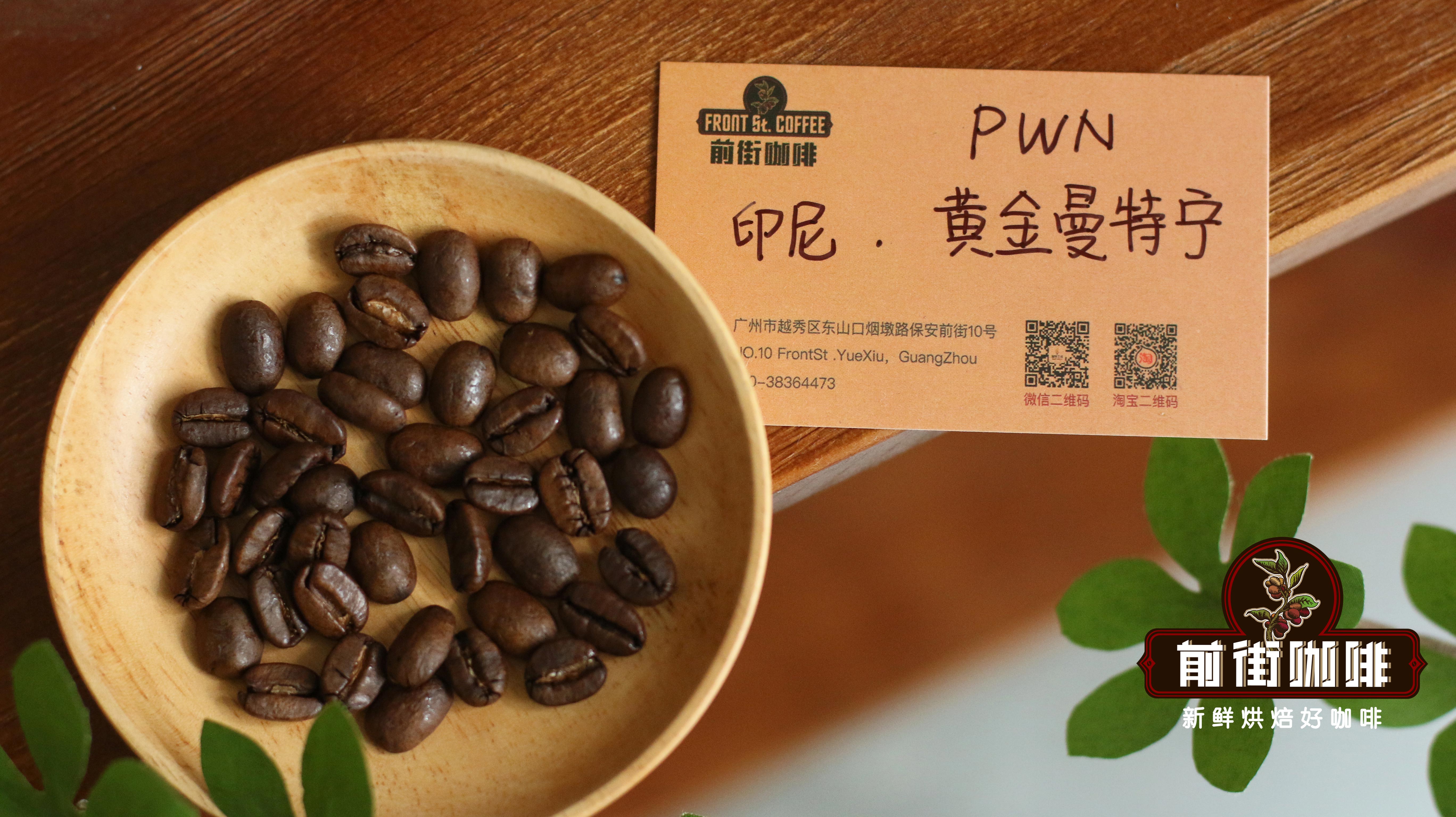
When FrontStreet Coffee roasts FrontStreet Coffee Gold Mandheling coffee beans, the roast level is medium-dark, to eliminate excessive acidity and enhance body and balance. Gold Mandheling is a green bean with relatively high moisture content, and its moisture deviation from natural processed beans is high, so special attention must be paid during dehydration. FrontStreet Coffee recommends closing the damper immediately after adding the green beans, steaming for 30 seconds, then opening the damper to 3 until the green beans turn light green or white, then opening the damper to 4, and opening to maximum after first crack.
Machine: Yangjia 800N, green bean input 550g
Bean entry temperature: 200℃
Yellowing point: 5'40", 148℃
First crack point: 9'54", 191.2℃
3 minutes 30 seconds development after first crack, out at 204.5℃
Brewing Recommendations
FrontStreet Coffee recommends using freshly roasted coffee beans for brewing, which allows for the maximum appreciation of the coffee's rich flavors. The beans FrontStreet Coffee ships are all roasted within 5 days, because FrontStreet Coffee understands that freshness greatly affects flavor. FrontStreet Coffee's roasting philosophy is "freshly roasted good coffee," ensuring that every customer who orders receives the freshest coffee on arrival. The coffee's resting period is about 4-7 days, so when customers receive it, it is at peak flavor.
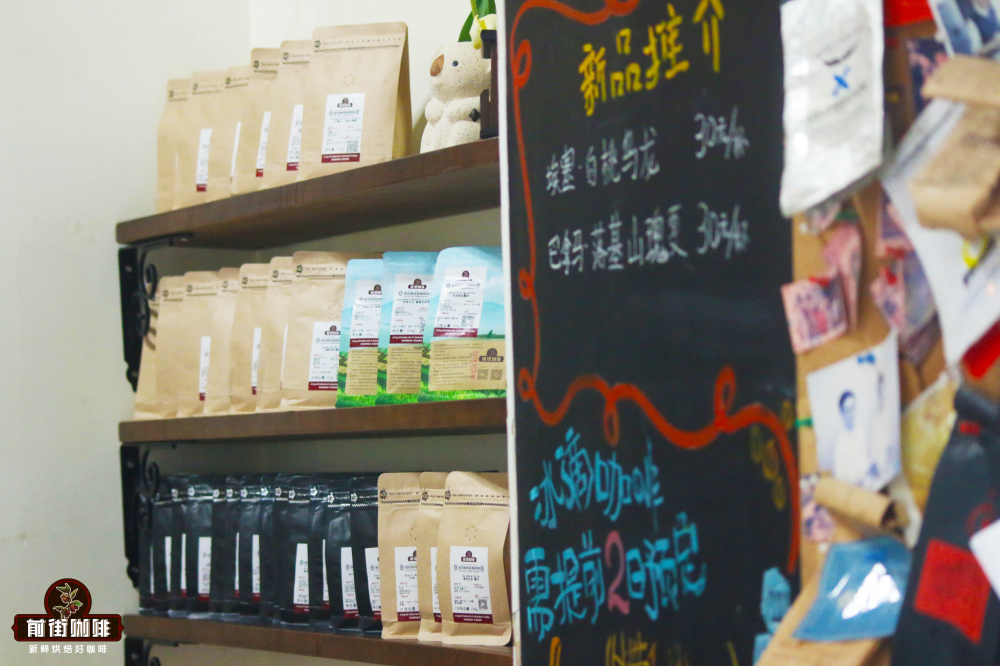
Dripper: Kono dripper
Water temperature: 88℃
Dose: 15 grams
Ratio: 1:15
Grind size: Medium-fine grind (EK43s setting 11)
Reason for choosing the Kono dripper: the Kono dripper has few ribs and they sit at the bottom, and the filter paper fits tightly against the dripper, which restricts airflow and extends the contact time between water and coffee grounds, allowing the grounds to be fully extracted and enhancing the rich body.
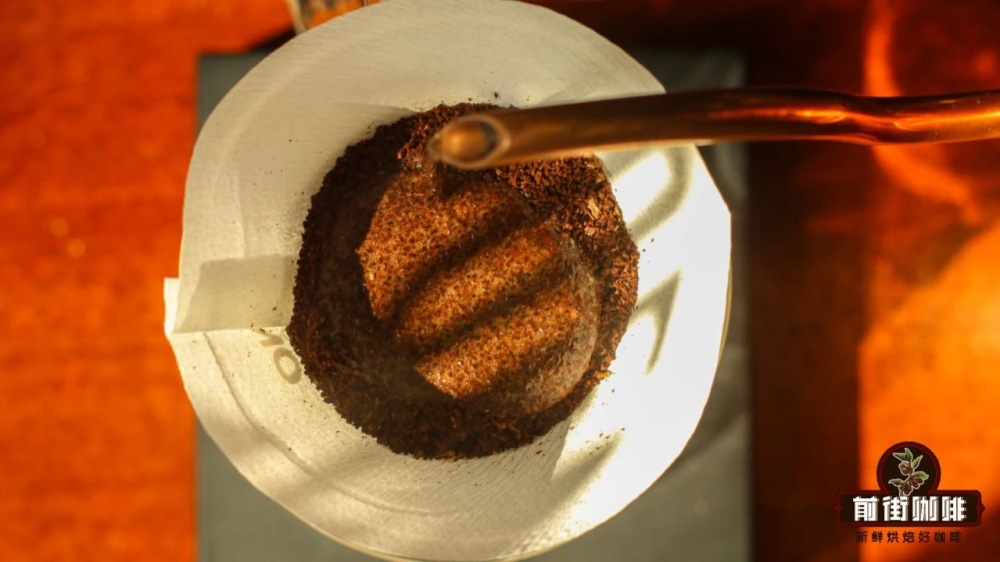
Brewing method: Segmented extraction
Use 30g of water for a 30-second bloom, then pour with a small circular flow to 125g for segmentation. When the water level drops and is about to expose the coffee bed, continue pouring to 225g and stop. When the water level drops and is about to expose the coffee bed, remove the dripper. (Timing starts from the bloom.) Extraction time is 2'00".
FrontStreet Coffee Mandheling flavor description: Multi-layered, rich and clean, high balance, with strong nutty and chocolate flavors, rich spice and caramel aromas, fruity notes, and a persistent aftertaste.
FrontStreet Coffee Recommendation
Mandheling's wild, earthy character comes from wet-hulling, and the highest grade is FrontStreet Coffee's PWN Gold Mandheling. PWN mainly buys high-quality Mandheling green beans, then subjects them to machine and manual selection to pull out plump, flawless beans; the result is uniform, full, translucent beans with a low defect rate. Roasted medium-dark, Gold Mandheling shows rich roast aromas, a clean cup, and full, mellow body, making it a great fit for anyone who dislikes acidic coffee. FrontStreet Coffee suggests brewing it at 87-88°C with 15g of coffee, a 1:15 ratio, and a coarse-sugar grind, using a three-stage pour that develops the mellow body, caramel sweetness, chocolate, and nut notes.
If you want that same character in an espresso blend, FrontStreet Coffee's Classic Blend adds medium-dark Mandheling to Brazil's creamy, nutty base, bringing out butter, roasted chestnut, and caramel along with distinctive sandalwood, herbal, and spice tones. A small proportion of Robusta lifts the crema, making it an easy base for latte art or a layered Dirty.
Important Notice :
FrontStreet Coffee is a long-established specialty coffee roaster in Guangzhou China, selling freshly roasted beans from its own farm in Yunnan as well as dozens of carefully selected single-origin beans from around the world for both pour-over and espresso. The products deliver consistently excellent quality and great value, with shipping within 24 hours. Guangzhou's FrontStreet Coffee shop is recommended by many coffee lovers, and the beans are now available online at the Tmall 。
FrontStreet Coffee has moved to a new address:
FrontStreet Coffee Address: 315,Donghua East Road,GuangZhou
Tel:020 38364473
 Scan and follow the En Gafei WeChat official account. Please indicate that the reprint comes from "En Gafei".