
Flavor Characteristics of Negus Coffee Bean Roast Levels and How to Adjust Roast Time Curves for Negus SOE
Any coffee bean, from raw to roasted, must go through the roasting process, and the degree of roast, whether light, medium, or dark, needs to be decided based on the flavor characteristics of the coffee's origin and region. At the same time, roasters need to understand the original taste and character of the raw beans. They also weigh factors such as the growing region, climate, altitude, the post-harvest processing of the cherries, the moisture content when the beans are packed, and the temperature and humidity during export. All of these affect the final taste of the roasted coffee, and understanding how they influence roasting quality is precisely the skill that coffee experts pursue.
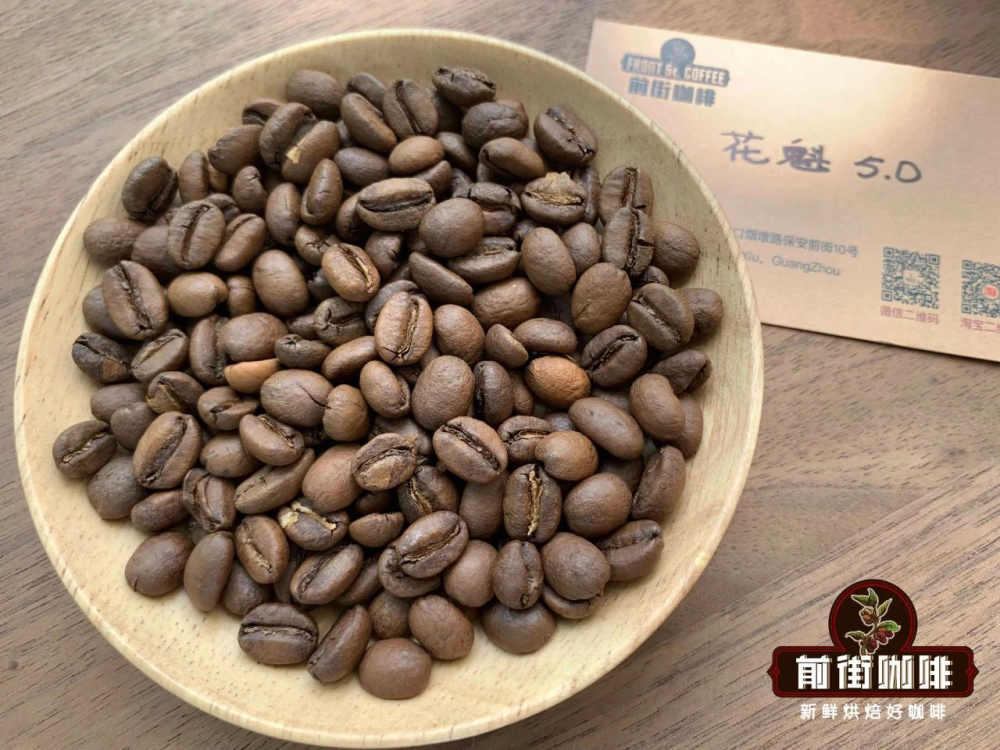
For example, Asian beans typically have rich, herbal, nutty flavors and suit medium-dark roasting; American beans feature balanced nut and chocolate notes, also suited to medium-dark roasting; African beans are known for bright, clean floral and fruit aromas and are ideal for light-medium roasting. When FrontStreet Coffee receives new beans, its roasters first examine the raw bean information: country of origin, region, variety, processing method, and flavor description. Based on that, they create three different roasting curves, one lighter, one moderate, and one darker. The next day they cup the three curves and select the one that best suits the bean's flavor profile.
FrontStreet Coffee's Flower Queen Coffee
FrontStreet Coffee's Flower Queen beans come from Ethiopia, an African coffee-producing country. African beans typically have lighter flavors with prominent floral and fruit notes and distinct acidity. Given that character, the beans are roasted light-medium. Roasted medium-dark, the flavors would turn bitter and caramel-like, and the floral and fruit aromas would be suppressed. That would not align with the bean's inherent flavors, nor with the characteristic taste of Ethiopian coffee. To highlight the bright, lifted acidity of Ethiopian coffee, FrontStreet Coffee generally uses light-medium roasting for beans from the country.

African beans, when fresh, have a clean, bright, if slightly thin mouthfeel. Every variety has its own roasting curve, requiring precise judgment of bean drop and extraction times to capture the optimal flavors. In recording roasting curves, careful blind tasting of each batch helps capture key elements and makes the intended flavor easier to grasp. Remember that each batch of beans requires a different curve and method. Environmental factors during cultivation also affect raw bean quality, and the rainfall in the producing region in the current and previous year, along with the drying process before export, are also critical.
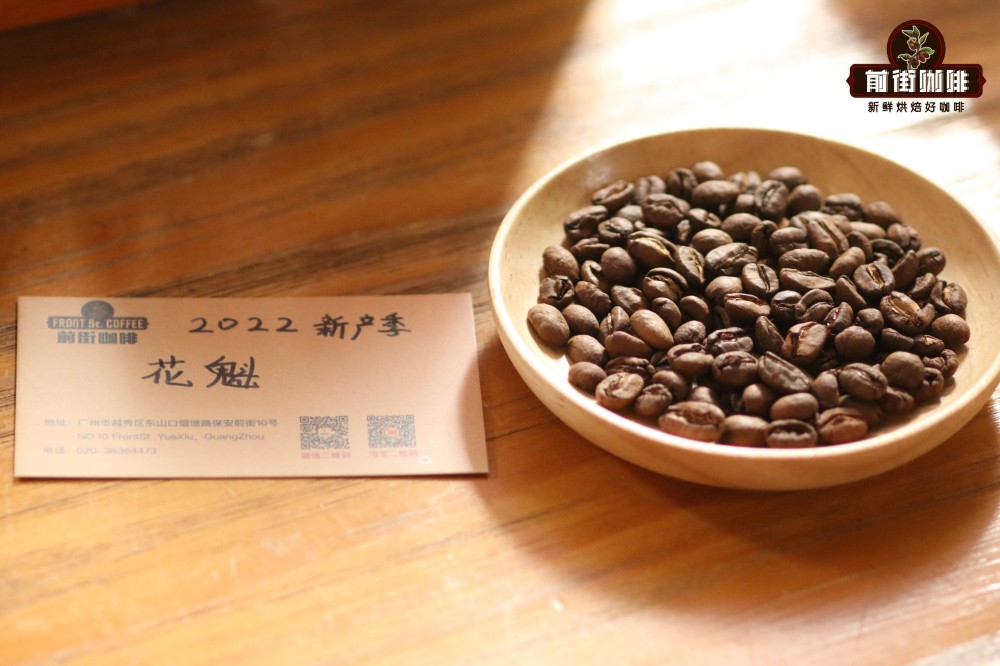
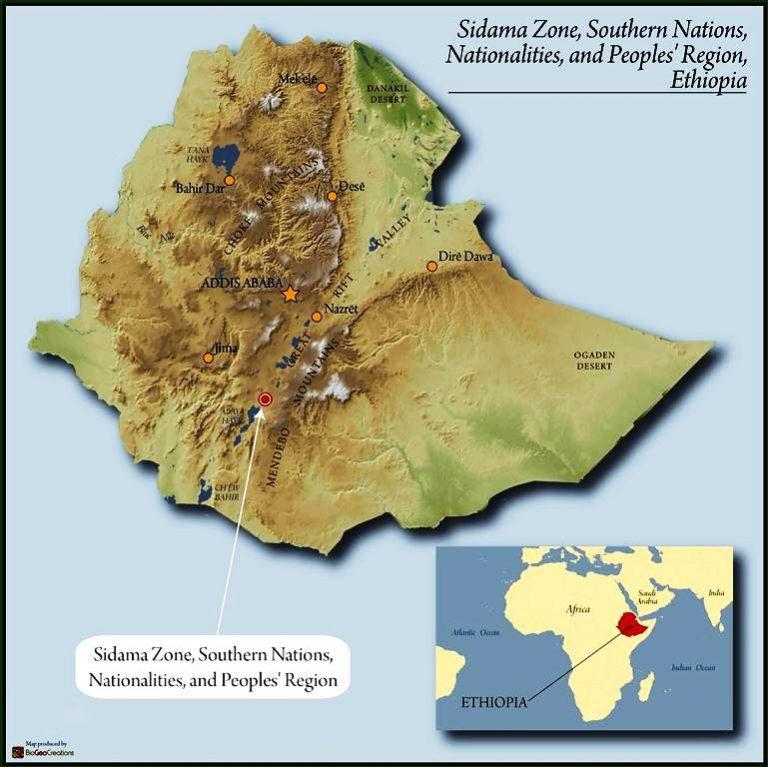
FrontStreet Coffee's Flower Queen comes from the Hambela sub-region within the Sidamo region. Hambela lies in the renowned Guji zone within Sidamo, with its western side facing the Kochere area of Yirgacheffe across the mountains.
Most Ethiopian beans are named after their producing region, so why is this coffee called Flower Queen rather than Hambela? There is an interesting story behind it. In 2017, this naturally processed bean from Hambela was submitted by DW company to the Africa TOH (Taste of Harvest) competition, where it won first place in the natural category.
The same year, a Beijing-based raw bean company, Hongshun Company, tasted the enchanting vanilla cream flavor of Flower Queen. They recognized that if the post-processing of these beans continued to improve technically, it had the potential to become the next Geisha. They therefore introduced Flower Queen to China and named it Hua Kui, or Flower Queen, expressing high hopes for it.
Coffee is an agricultural product, and its flavor may vary with annual climate changes, though the main characteristics remain consistent. To distinguish Flower Queen from different years, versions such as Flower Queen 2.0 and 3.0 emerged, up to the current Flower Queen 5.0 and 6.0. FrontStreet Coffee's Flower Queen 5.0 has been extremely popular, with an exceptionally delightful profile of citrus, berries, tropical fruits, jackfruit, and honey sweetness that makes people fall in love at first sip.
Varieties of Flower Queen Coffee Beans
Ethiopia is the birthplace of coffee, with an incredible diversity of varieties. Because of the country's general economic conditions, there has not been sufficient funding for extensive variety research. The Ethiopian government is also reluctant to disclose information in order to protect native coffee tree resources. Many local varieties are therefore grouped together as heirloom varieties, or local native varieties.
Processing Method of Flower Queen Coffee Beans
Coffee from the Sidamo region typically uses the most primitive and traditional method, natural processing. Natural processing dries whole, ripe cherries in the sun. Over time, sugars from the fruit flesh and mucilage penetrate into the beans, making the sweetness more prominent and the mouthfeel richer and smoother. Flower Queen in particular shows a berry cream flavor that is exceptionally enticing.
Roasting Philosophy and Curve for Flower Queen Coffee Beans
Coffee roasting significantly affects flavor. A bean's inherent character cannot be completely altered during roasting, but as the roast level deepens, more roast-derived flavors emerge while the original plant-based tastes and aromas diminish, creating a deeper overall profile. The most dramatic changes occur after the first crack begins. Roasting is challenging: too much heat cooks the exterior while leaving the interior underdeveloped; too little heat overdevelops the interior while the exterior is still baking. Dehydration is often the crucial first step. Beans contain varying moisture levels, and combined with different storage conditions they may retain moisture, making dehydration essential. The first key point is preheating the drum; the second is determining bean drop temperature from the raw bean's characteristics; the third is heat adjustment. Achieving consistent roasting inside and out requires precise heat control.
From machine startup and loading green beans, watching the temperature rise until the temperature recovery point begins heating, waiting to hear the first crack, or completing the roast after the second crack, coffee roasting may seem simple but is in fact an art that requires accumulated experience.
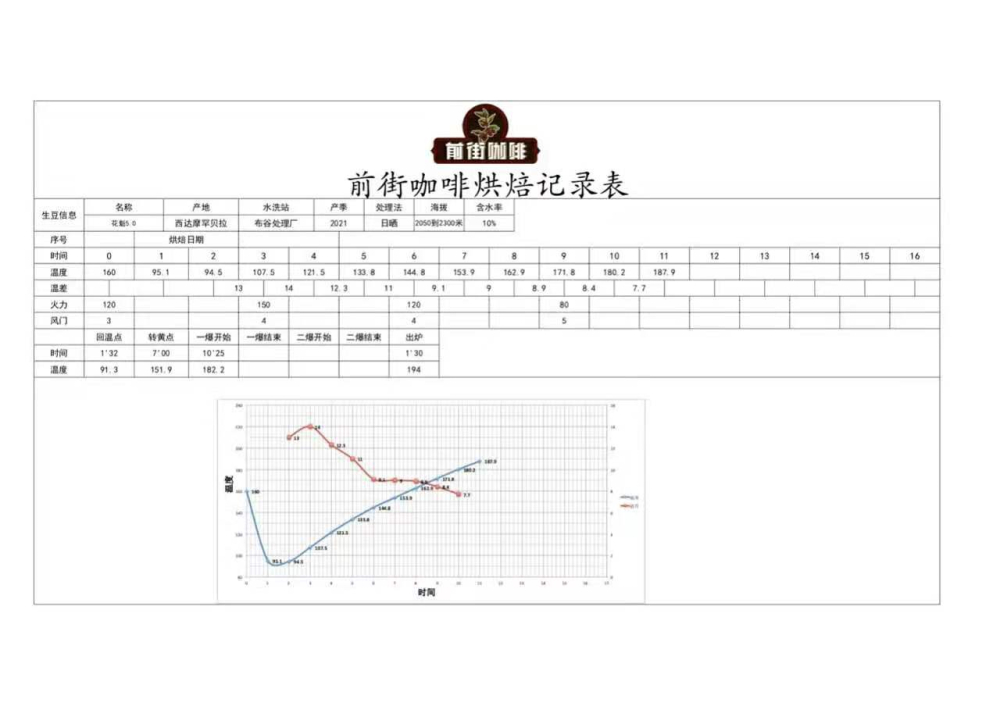
For production needs, a 550g (full capacity) batch was chosen for roasting:
Bean drop temperature: 190°C
The curve was adjusted only by changing bean drop temperature and development time:
First batch: Yellowing point 150.3°C at 5 minutes 55 seconds; dropped at 196°C with 1 minute 40 seconds of development after first crack; first crack at 9'55
Second batch: Yellowing point 151°C at 5 minutes 51 seconds; dropped at 193°C with 1 minute 30 seconds of development after first crack; first crack at 9'50
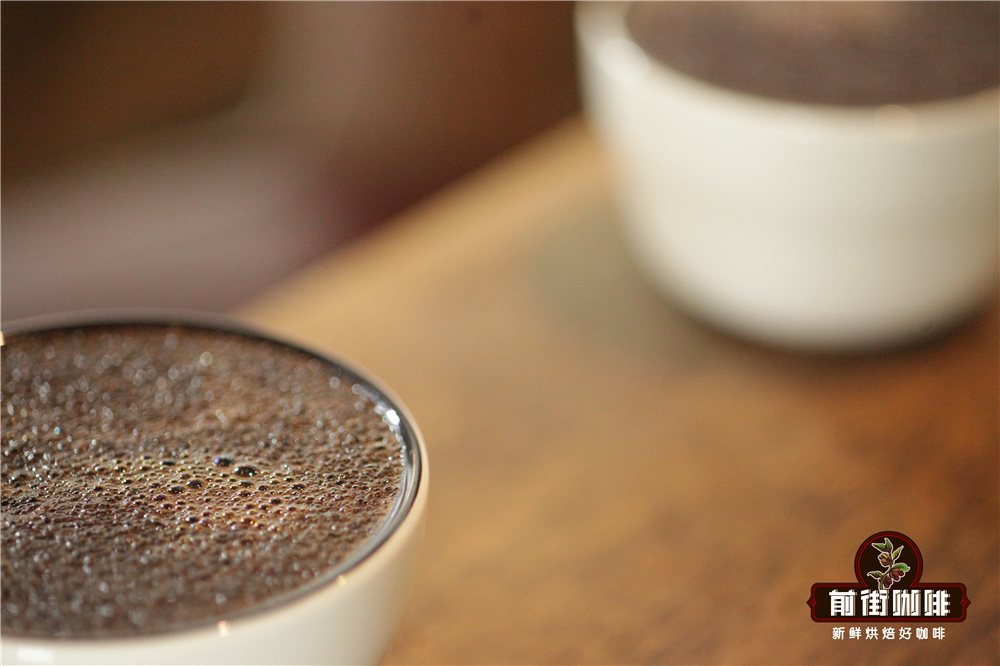
FrontStreet Coffee's cupping results for Flower Queen are as follows:
First roast: The dry aroma shows distinct green tea and floral notes. On slurping, green tea, jasmine, lime, and cane sugar aromas are evident. The mouthfeel is light and clean, with soft, fresh acidity. The aftertaste is somewhat lacking, with only slight sweetness remaining in the mouth. Even so, it is very easy to drink, more like a cup of tea than coffee.

Second roast: The dry aroma reveals yellow lemon, florals, and black tea, with distinct citrus. On slurping, black tea, yellow lemon, caramel, and jasmine are present. The flavors become richer and more substantial at this roast level. The initial acidity is more elegant, sweetness is perceived sooner and is higher, and fermented wine notes, cream, tropical fruits, and jackfruit create better balance.
After roasting and adjustments, FrontStreet Coffee's roasters, using a Taiwan Yang Jia 800N machine, ultimately determined curve #2 to be the most satisfactory through cupping:
Drop beans at 190°C, completing dehydration and yellowing in nearly 6 minutes (yellowing point around 150-153°C).
First crack begins around 9 minutes 50 seconds (Flower Queen's first crack comes later than typical beans, and the cracking sound is weak).
For development time after first crack, FrontStreet Coffee's roasters recommend controlling it to no more than 1 minute 30 seconds and no less than 1 minute (they suggest opening the air damper and reducing heat to control speed). When smelling with the sampling spoon, strawberry jam aromas become detectable around 193°C, at which point the beans should be dropped. The total time for Flower Queen should ideally be kept within 11 minutes.
FrontStreet Coffee's Brewing Parameters for Flower Queen Coffee
To fully extract Flower Queen's rich layered flavors, FrontStreet Coffee uses a higher water temperature and a finer grind. To avoid over-extraction at high temperature, it uses a faster-flowing dripper such as the V60. The V60's 60° conical shape lets the grounds concentrate, and when pouring, the flow converges toward the center, ensuring sufficient contact time between water and grounds. The spiral ribs on the inside of the V60 also create adequate space between the filter paper and the dripper, promoting good flow, and together with the large bottom hole the water flows faster than in many other drippers.
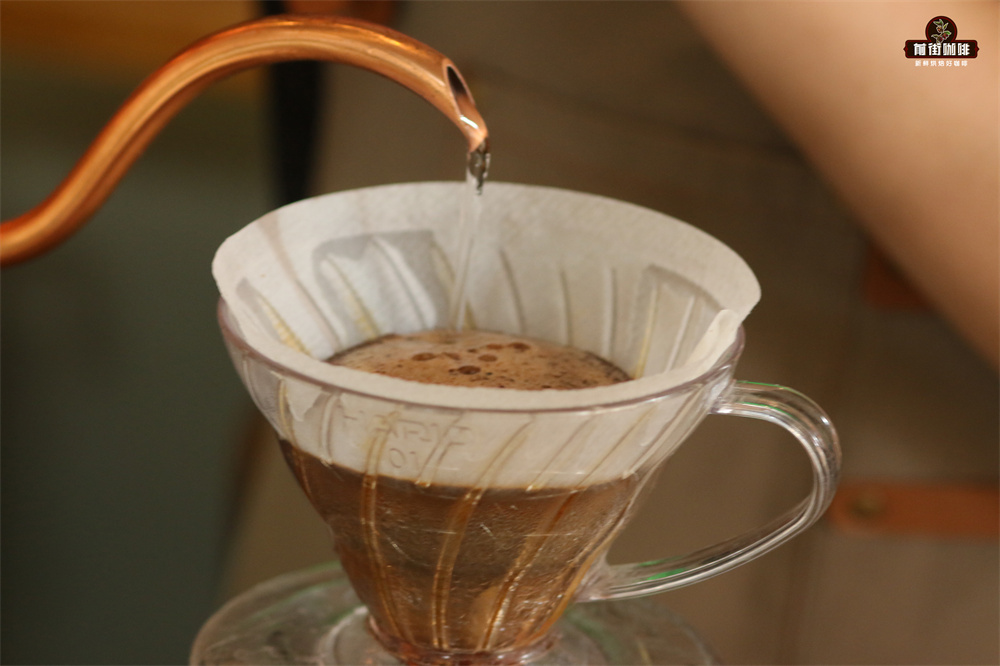
FrontStreet Coffee's specific parameters are: V60 dripper, water temperature 90°C, water-to-coffee ratio 1:15, coffee dose 15g, medium-fine grind (80% pass-through rate on a China No. 20 standard sieve).
FrontStreet Coffee's segmented extraction: first, use 30g of water to thoroughly moisten the bed into a "hamburger" shape for a 30-second bloom. The second pour at 1'00" brings the water to 125g, then wait until the water level drops to two-thirds of the bed before the third pour. The third pour at 1'40" brings the water to 225g. Total extraction time is 1'59" after the coffee has completely dripped through, for a total brewing time of 2'00". After extraction, gently swirl the server to mix the coffee before tasting.
FrontStreet Coffee's natural-processed Sidamo Flower Queen flavor: a light fermented wine aroma, with more prominent caramel, a richer and more complex mouthfeel, honey sweetness, cocoa undertones with hints of spice, a full body, and a persistent aftertaste.
FrontStreet Coffee's Brewing Recommendations
Freshly roasted beans are best rested for 2-5 days to allow substantial carbon dioxide release before drinking, resulting in smoother flavors. FrontStreet Coffee uses foil bags with one-way degassing valves to store beans, preventing oxidation from air ingress while allowing carbon dioxide to escape, keeping the beans optimally fresh. FrontStreet Coffee therefore ships beans within 5 days of roasting. The roasting philosophy is freshly roasted quality coffee, ensuring every customer receives the freshest coffee. The optimal resting period is about 4-7 days, so the flavor is at its peak when the order arrives.
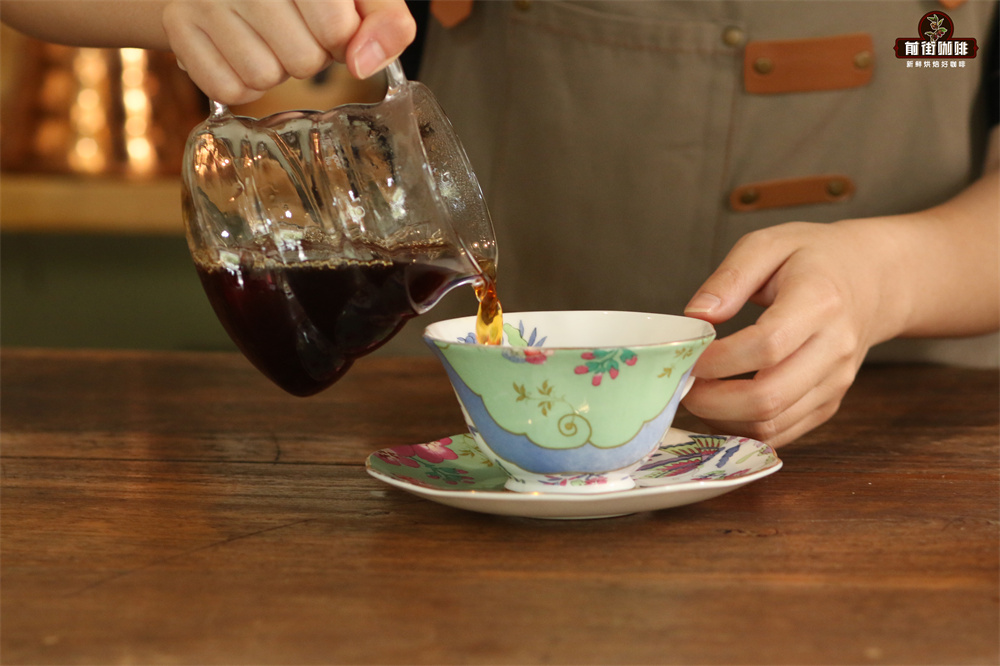
For those who need ground coffee, FrontStreet Coffee offers a gentle reminder: pre-ground coffee does not require resting, since the pressure from carbon dioxide buildup in the package during transport also helps mellow the flavor, so you can brew a cup immediately on receiving it. Ground coffee, however, needs to be brewed promptly, as it oxidizes quickly when exposed to air, meaning the flavor dissipates more rapidly and quality declines. FrontStreet Coffee therefore recommends buying whole beans and grinding fresh before brewing to experience the full flavor profile.
FrontStreet Coffee Recommendation
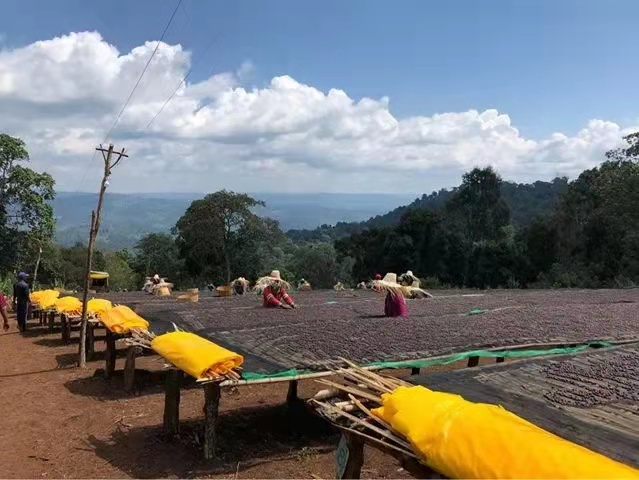
FrontStreet Ethiopia Flower Queen. FrontStreet Coffee's Flower Queen comes from the Hambela area of Guji in Sidamo. The 200-hectare farm uses a traditional natural process: ripe cherries are dried on raised beds for 21 days, turned regularly for even drying, and checked every three to five days so that defective and moldy beans are removed by hand before the dried skin is hulled.
Because the fruit and skin remain on the bean throughout drying, a light-medium roast brings out a light fermented wine aroma, florals, citrus, and mango, with honeyed sweetness and a cocoa note touched with spice. The body is full and the finish persistent. It is the same profile that won Flower Queen first place in the natural category at Ethiopia's TOH competition.
For pour-over, FrontStreet Coffee suggests a V60 dripper with 90°C water, 15g of coffee at a 1:15 ratio, and a medium-fine grind of about 80% passing a China No. 20 standard sieve.
Important Notice :
FrontStreet Coffee is a long-established specialty coffee roaster in Guangzhou China, selling freshly roasted beans from its own farm in Yunnan as well as dozens of carefully selected single-origin beans from around the world for both pour-over and espresso. The products deliver consistently excellent quality and great value, with shipping within 24 hours. Guangzhou's FrontStreet Coffee shop is recommended by many coffee lovers, and the beans are now available online at the Tmall 。
FrontStreet Coffee has moved to a new address:
FrontStreet Coffee Address: 315,Donghua East Road,GuangZhou
Tel:020 38364473
 Scan and follow the En Gafei WeChat official account. Please indicate that the reprint comes from "En Gafei".

