Hawaiian Kona Coffee is Not Equal to Hawaiian Coffee: An Introduction to the Growing Environment and Origin of Authentic Kona Coffee
Have You Ever Tried Hawaiian Kona Coffee?
The first time this smooth, silky coffee reaches your palate, you will understand what a real coffee moment feels like, and why it is in such demand around the world.
I spent about six months buying "Kona" before I realized something was badly wrong. I had been taken advantage of, and I do not want the same thing to happen to you.
So before you buy Kona beans online, keep this in mind:
Most beans sold as "Kona" do not live up to the name. In other words, you are being ripped off, exploited, and sometimes outright lied to.
Because it is expensive, Hawaiian Kona is often blended with cheaper beans to create more affordable packages, and this is far from obvious. In fact, it can be surprisingly hard to detect.
It is a bit like being offered a premium wine that has been watered down so the seller can move more bottles.
Be careful. Kona's high value attracts people who want to profit from it, which is why so many mislabeled products end up on the market. If you want to try this sought-after coffee, make sure you are getting the real thing, otherwise there is no point.
So the question is:
How do you tell what is real from what is a scam?
Red Flag #1: Stay Away From "Hawaiian Kona Blends"
Because the genuine article is scarce and very expensive, many companies produce "Kona blends" at more affordable prices.
What you should know, however, is that these blends contain Kona in name only.
Under Hawaiian law, any product labeled "Kona blend" must contain at least 10% certified Kona beans.
Companies chasing a profit will naturally use 10% and no more. The other 90% of such a blend is cheap coffee from elsewhere in the world.
Do the math, and there is not much Kona left in your cup.
Worse still, some companies go all in on the scam and include no certified Kona at all.
While Hawaiian law is strict on this point, many places do not care whether a company uses the Kona name purely for marketing. In many countries, so-called Kona beans may contain only a small fraction of Kona, or none at all.
For this reason, you should buy Kona from Hawaii labeled as 100% Kona coffee.
If that is beyond your budget, your next best option is a Kona blend produced in Hawaii, since local law requires it to contain at least one-tenth Kona.
But no matter how attractive the packaging, stay away from "Kona blends" produced outside Hawaii. They are almost always scams.
Red Flag #2: "Hawaiian Kona Coffee Beans" That Are Not From the Kona Region
Like French Champagne, the Hawaiian Kona belt is renowned for its excellent microclimate. That does not apply to the rest of Hawaii. In fact, most other Hawaiian islands, including Maui and Kauai, are not suited to coffee cultivation.
Because of a long history of sugarcane farming, the soils on most Hawaiian islands are depleted and short on nutrients. Their clay is far less fertile than Kona's rich volcanic soil, and the climate is unfavorable for coffee.
FrontStreet Coffee's Kona Roasting Recommendations
Like Blue Mountain coffee, Kona is a low-density bean. For low-density beans, the drop-in temperature should not be too high. When the sweet aromas begin to develop, the color turns light yellow. Because moisture content is high, the beans need enough development time. The finished beans should be clean and crisp with a solid, weighty feel. Do not roast Kona too dark; a medium-light roast (City to Full City) is recommended.
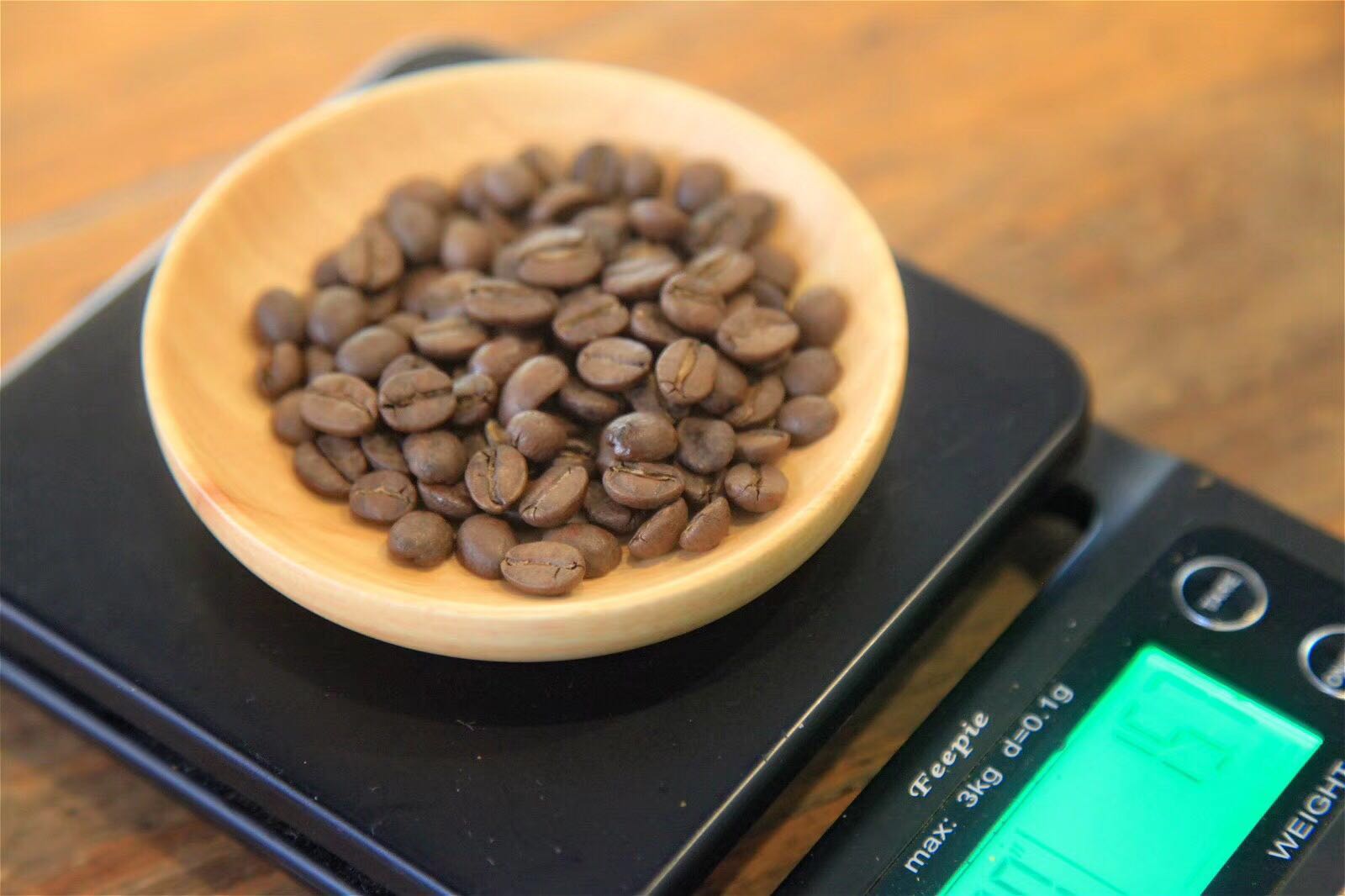
FrontStreet Coffee recommends keeping detailed records before roasting: bean moisture content, density, origin, processing method, roasting room temperature and humidity, and more. Plan your roasting curve carefully, and record the relevant chemical and physical changes through the roast. This will help you understand your results and refine your curve.
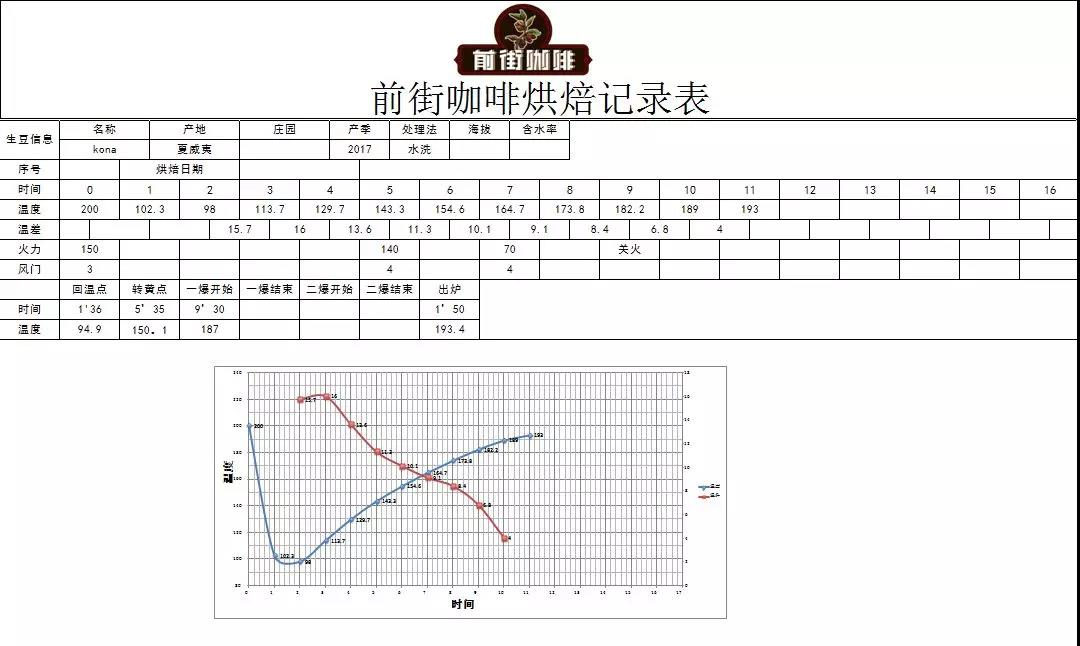
Roaster: Yangjia 800N, 550g of green beans loaded.
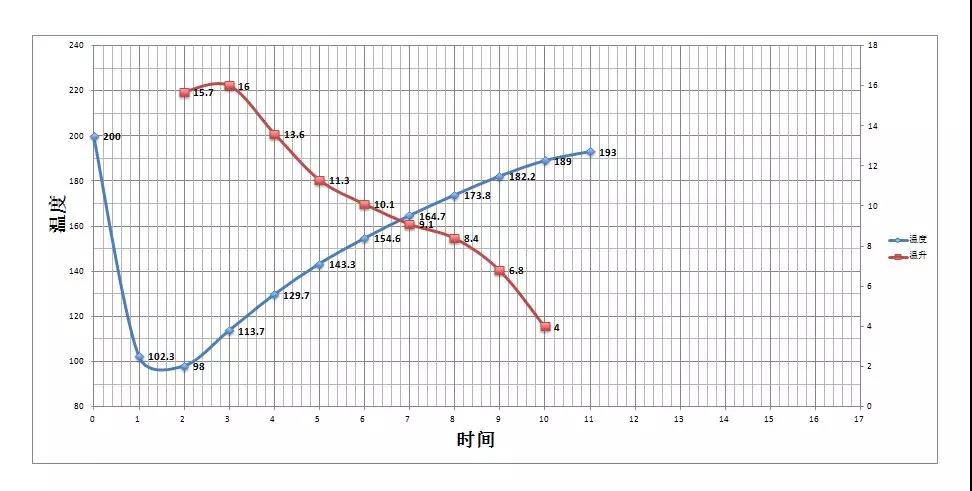
Roasting curve:
Preheat the drum to 200°C with the damper at setting 3. After one minute, adjust the heat to 150°C, keeping the damper unchanged. Roast to 5'35" at 150°C, when the beans turn yellow and the grassy smell disappears completely, indicating that dehydration is complete. Adjust the heat to 140°C and the damper to 4.
At 9'30", ugly wrinkles and black spots appear on the bean surface, and the toast smell clearly shifts into coffee aroma, which can be defined as the prelude to first crack. Listen carefully for the sound of first crack. First crack begins at 9'30". Reduce the heat to 70°C and open the damper fully (adjust the heat very carefully, and do not reduce it so much that cracking stops). Turn off the heat at 182°C and drop the beans at 193.4°C.
FrontStreet Coffee Recommendation
As with Kona, the safest way to enjoy a special coffee is to buy from a roaster that is transparent about origin and processing. FrontStreet Coffee ships every order within five days of roasting, so the beans arrive at their flavor peak. If you want a reliable, affordable espresso for daily drinking, start with the FrontStreet Specialty Blend: Brazil Cerrado paired with Colombia Huila, offering nuts, dark chocolate, and caramel with a comfortable bittersweet edge that turns silky smooth with milk.
For a classic profile, try the FrontStreet Classic Blend. Inspired by the old-school "Mamba" formula of Mandheling and Brazil, it adds a touch of Robusta to lift aroma and crema, so even a beginner can pull a golden, syrupy espresso at home.
If you prefer a single origin, the FrontStreet PWN Indonesian Golden Mandheling is a deep-roasted, low-acid cup with herbal and dark chocolate notes and a faint earthy undertone. It ships with PWN certificates and the original PWN-marked jute bags, so you can verify authenticity much as you would with genuine Kona.
Important Notice :
FrontStreet Coffee is a long-established specialty coffee roaster in Guangzhou China, selling freshly roasted beans from its own farm in Yunnan as well as dozens of carefully selected single-origin beans from around the world for both pour-over and espresso. The products deliver consistently excellent quality and great value, with shipping within 24 hours. Guangzhou's FrontStreet Coffee shop is recommended by many coffee lovers, and the beans are now available online at the Tmall 。
FrontStreet Coffee has moved to a new address:
FrontStreet Coffee Address: 315,Donghua East Road,GuangZhou
Tel:020 38364473
 Scan and follow the En Gafei WeChat official account. Please indicate that the reprint comes from "En Gafei".