
Is Sumatra Mandheling Coffee from Indonesia Good? What Are the Characteristics of Mandheling?
For more premium coffee knowledge, please follow the WeChat official account: FrontStreet Coffee (FrontStreet Coffee)
Unlike the popular "acidic" coffees on the market today, Indonesian Mandheling is defined by its mellow, bitter profile. Its popularity may no longer be what it once was, but it still has plenty of fans who seek it out. In the top right corner of FrontStreet Coffee's bean list, there is always at least one Mandheling available to choose from. Today, FrontStreet Coffee introduces this "bitter coffee."
When Did Coffee Cultivation Begin in Sumatra?
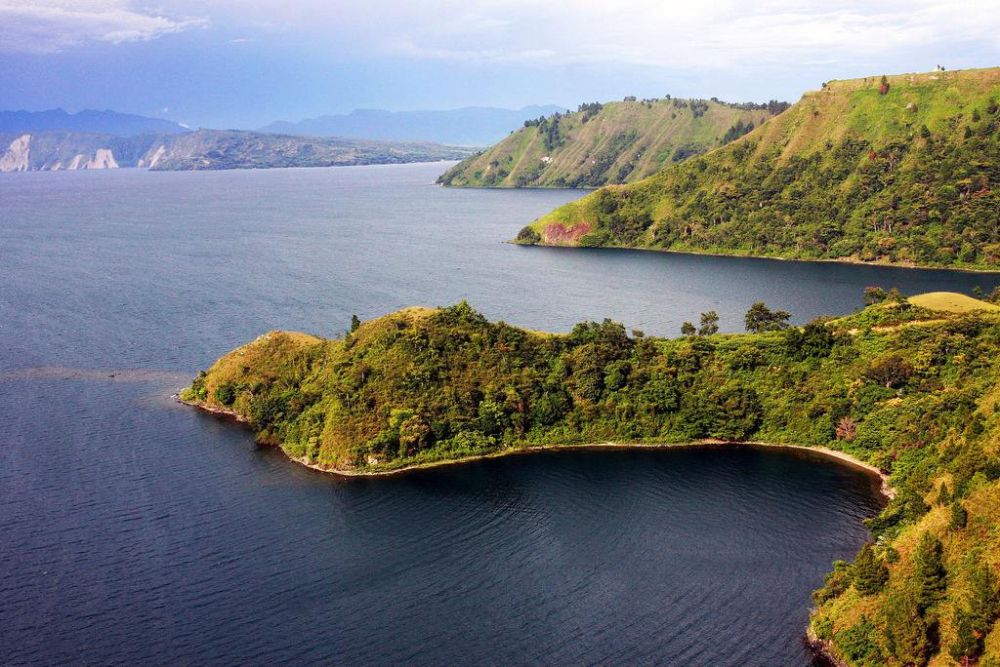
As the world's second-largest coffee-producing country, Indonesia has a long history of coffee cultivation. According to FrontStreet Coffee's research, that history reaches back to the late 17th century, when coffee was introduced to Java by Dutch colonizers and later spread widely to Sumatra, where large-scale cultivation began.
In the 19th century, Indonesian coffee trees were badly hit by leaf rust, a serious blow to production. The government then began introducing more disease-resistant varieties, including Robusta, Tim, and Catimor, to replace the fragile Typica and Bourbon. Today Tim and Catimor, which carry Robusta genes, are the main local varieties. After many years adapting to Sumatra's terroir, Catimor and Tim have developed unique local herbal and spice characteristics, and with strong disease resistance and a considerable yield, they are highly favored by Indonesian growers.
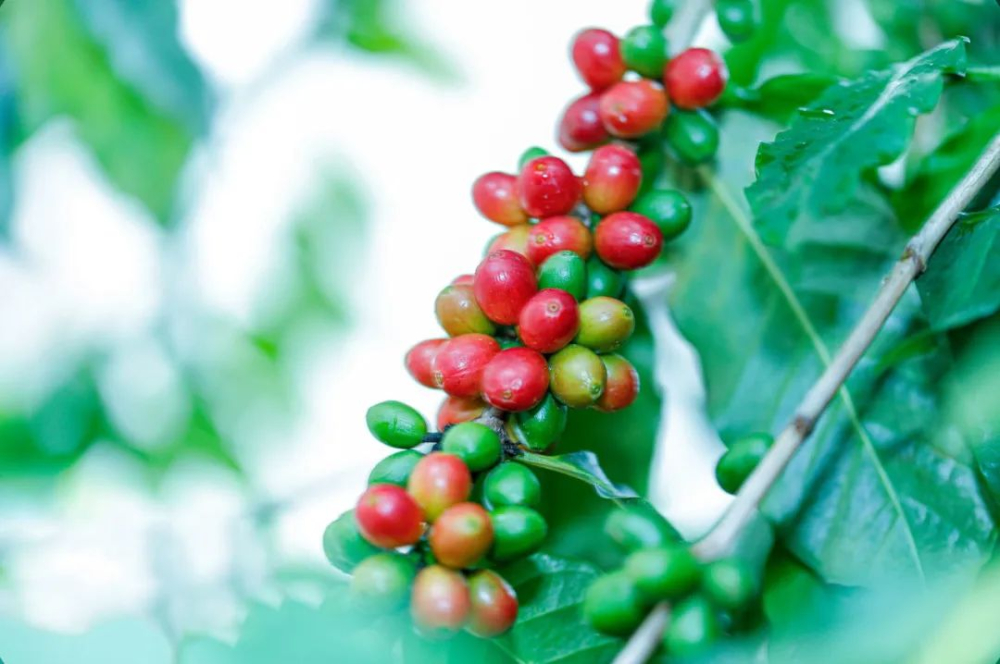
Since Catimor was discovered in central Aceh, locals call it "Ateng," short for Aceh Tengah. Tim is simply called Tim Tim. The Indonesian Mandheling on FrontStreet Coffee's bean list belongs to both the Ateng and Tim Tim varieties.
About Wet Hulling
Indonesia's hot, humid climate makes green coffee processing difficult: mold grows easily and sunlight is unreliable. To shorten processing time and cut labor costs, a unique method gradually emerged, known as wet hulling.
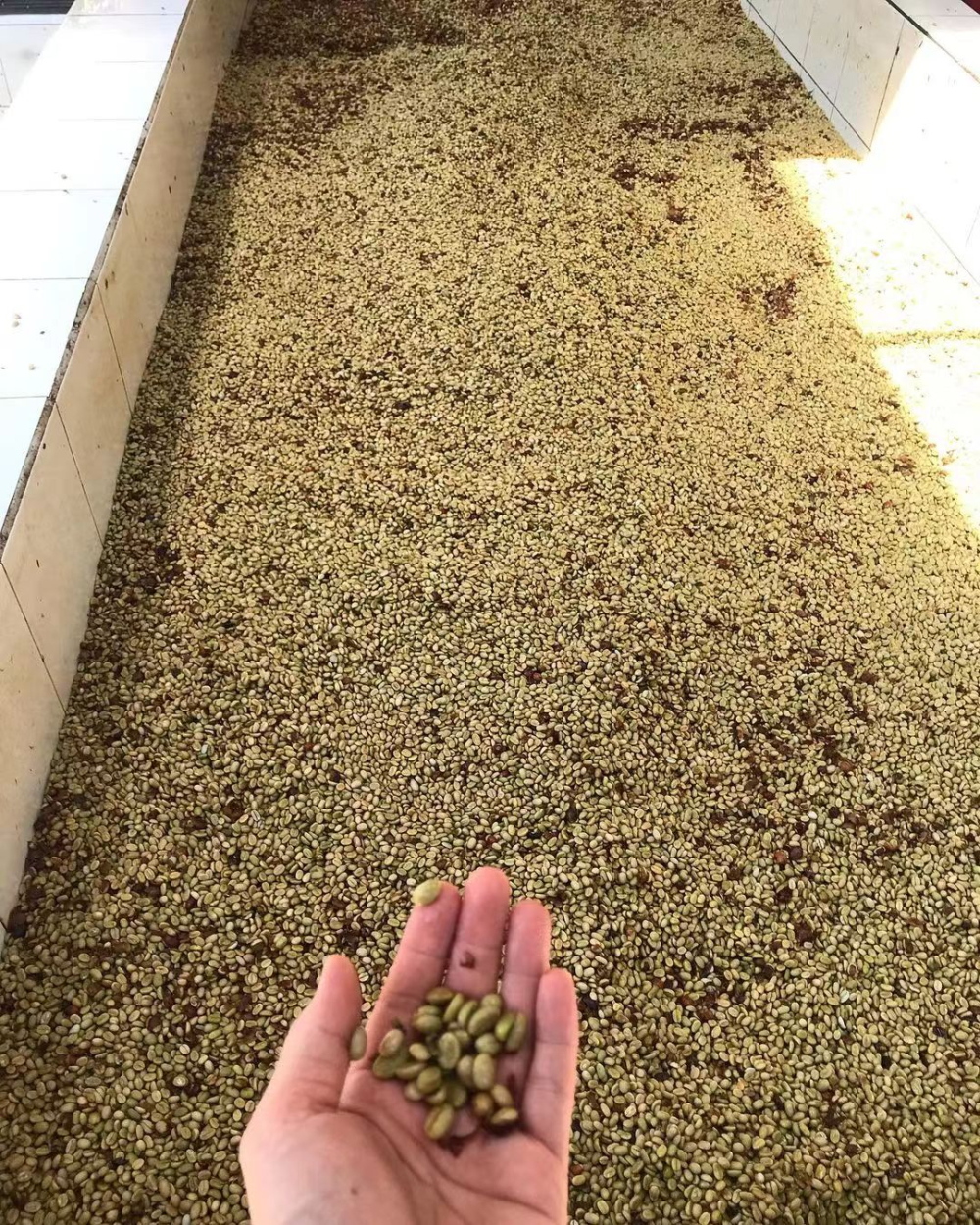
The cherries first go through flotation to remove underripe beans, then machine pulping removes the skin, leaving the mucilage layer still slippery to the touch. After a night of fermentation, the mucilage comes off more easily under flowing clean water, at which point the parchment bean's surface becomes rough. The beans are then dried in the sun for two days, bringing the parchment bean's moisture content to 30-50%, leaving it semi-dry. Locals use special hulling machines that use friction to peel off the still-hard parchment layer, and finally continue drying the hulled beans for another two days until moisture reaches 12%.
Because fermentation and drying times are shortened, and the whole process takes place in a hot, humid environment, the resulting Mandheling carries mellow herbal aromas and pine notes. Wet hulling emerged as a local adaptation, but it also gave Mandheling flavor characteristics that distinguish it from other full-bodied coffees, making it one of the classic representatives among coffees. FrontStreet Coffee therefore offers Indonesian Mandheling in small packages as a daily coffee, hoping that anyone who wants to explore different origins will try this classic flavor.

What is Golden Mandheling Coffee?
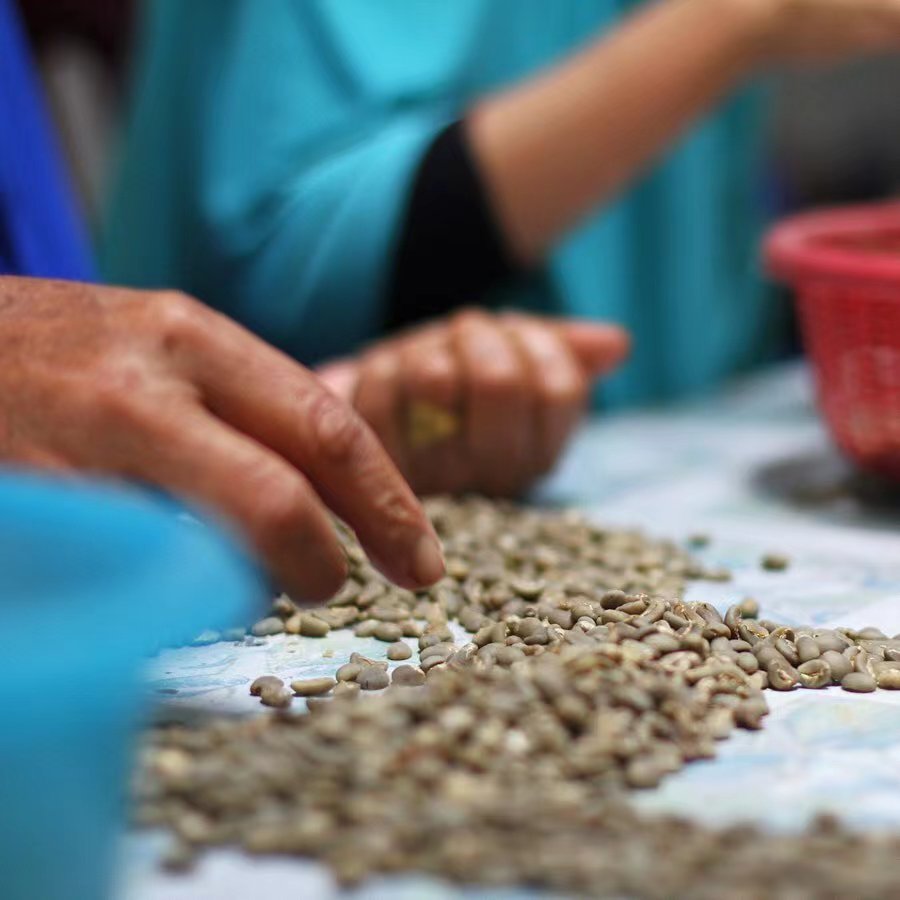
Wet hulling brings unique flavor, but because the semi-dry parchment layer is forcibly removed with considerable force before drying, the beans are easily squeezed and deformed. During the subsequent high-temperature sun exposure, one side of the bean cracks open like a goat's hoof, which is why they are also called "goat hoof beans." Goat hoof beans are not considered defective, but their appearance is unattractive, so to improve overall quality they must be sorted out by hand.

The famous Indonesian green bean buyer PWN processes wet-hulled Mandheling green beans with one machine selection plus three hand selections to make sure each batch reaches Indonesia's top G1 grade. The machine selection first screens for beans above 18 mesh; the multiple hand selections then remove uneven, defective beans. Lowering the defect rate greatly improves Mandheling's quality. These beans, selected through layer after layer of screening, are said to shine with a golden luster in sunlight, which is how they came to be called Golden Mandheling. Early on, to secure exclusive supply, PWN registered the English trademark "Golden Mandheling," so when buying, check that it is PWN Golden Mandheling.
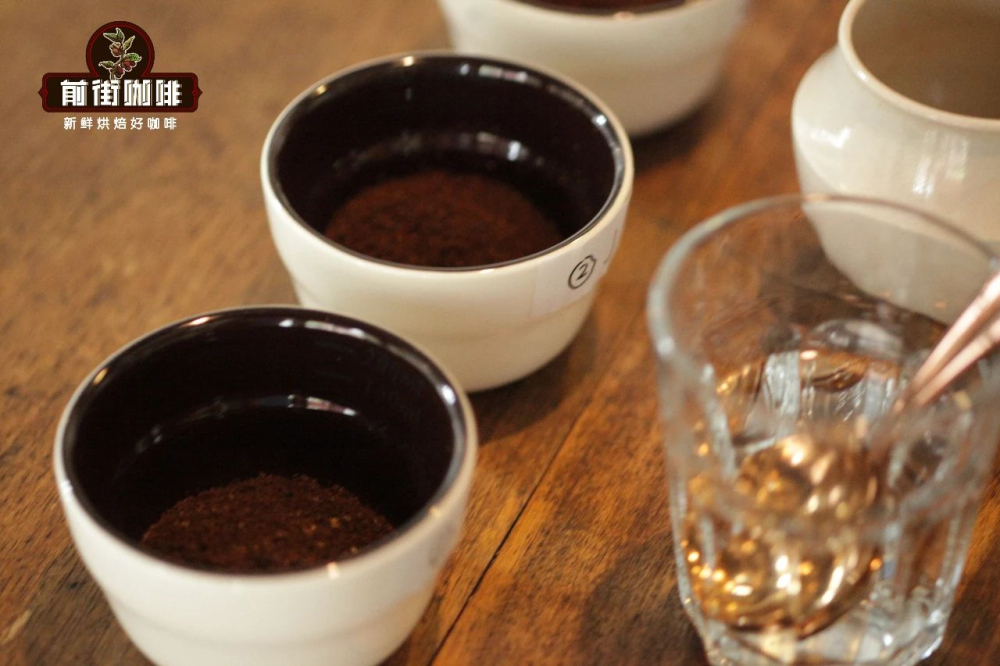
Through cupping comparisons, FrontStreet Coffee found that the selected Golden Mandheling has extremely high cleanliness, with the aromas and sweetness more prominent and the flavors clearer and more transparent. As fans of Mandheling, FrontStreet naturally hopes everyone can share in its excellent quality, so in addition to the regular Lintong Mandheling daily bean, FrontStreet has added the refined PWN Golden Mandheling to its daily list.
Is PWN Golden Mandheling Coffee Good?
As FrontStreet Coffee noted above, Mandheling is characterized by its full body and bitter profile. Through multiple cupping comparisons, FrontStreet has chosen a medium-dark roast to present rich, aromatic, full-bodied flavors like dark chocolate while preserving more of the herbal and spice notes and some acidity.
Roasted Mandheling beans are rich in carbon dioxide and need time to release internal gases for better flavor extraction. The resting period relates to the roast degree: light-roasted beans need 4-7 days of degassing after roasting, while medium-dark roasts need about 7-10 days. As beans pass their peak degassing period, aroma gradually declines, so freshness matters greatly. All coffee FrontStreet Coffee ships is freshly roasted within 5 days, so it arrives close to its optimal tasting window.
For pure, aromatic, high-quality beans like Golden Mandheling, FrontStreet Coffee believes black coffee best presents the refined aromas. You can use pour-over, siphon, French press, AeroPress, and other methods. Here, FrontStreet uses the hot pour-over method its stores rely on.
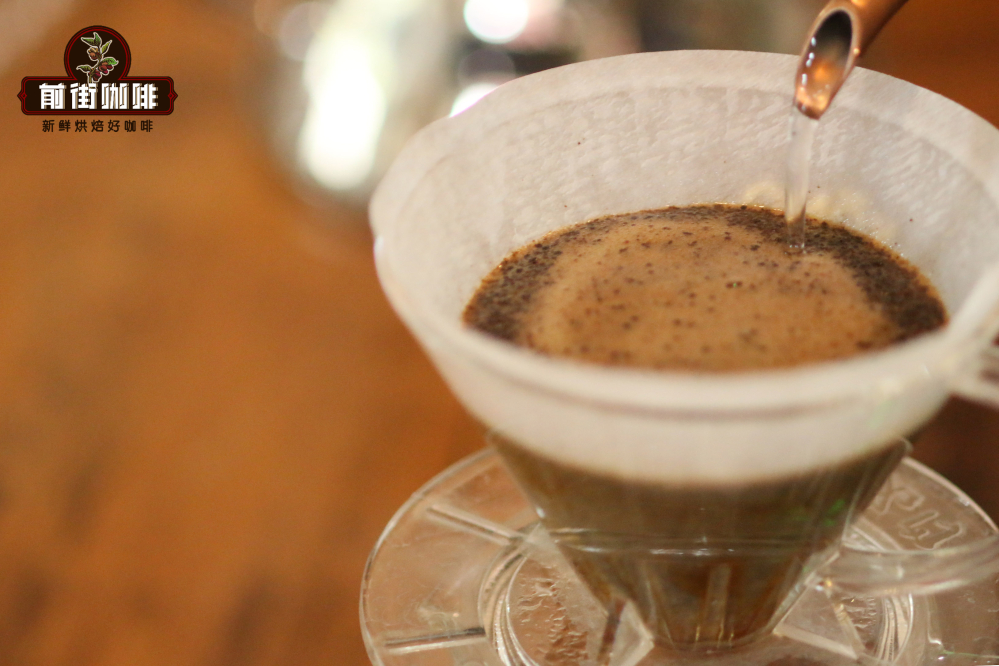
Golden Mandheling pour-over parameters: 87-88°C water, medium grind (70% pass-through on a Chinese standard #20 sieve), 15 g of coffee, a 1:15 ratio, and a three-stage pour.
Use twice the weight of the coffee powder in water to wet the bed, forming a dome, and let it bloom for 30 seconds. Then use a small stream to pour in circles from inside to outside to 125 g, then segment. Wait for the bed to drop to half the filter cup's height, then continue with the same fine stream for the third stage to 225 g, until all the coffee has filtered through, then remove the cup. Time is about 2 minutes. Finally, shake the server to mix evenly before enjoying.
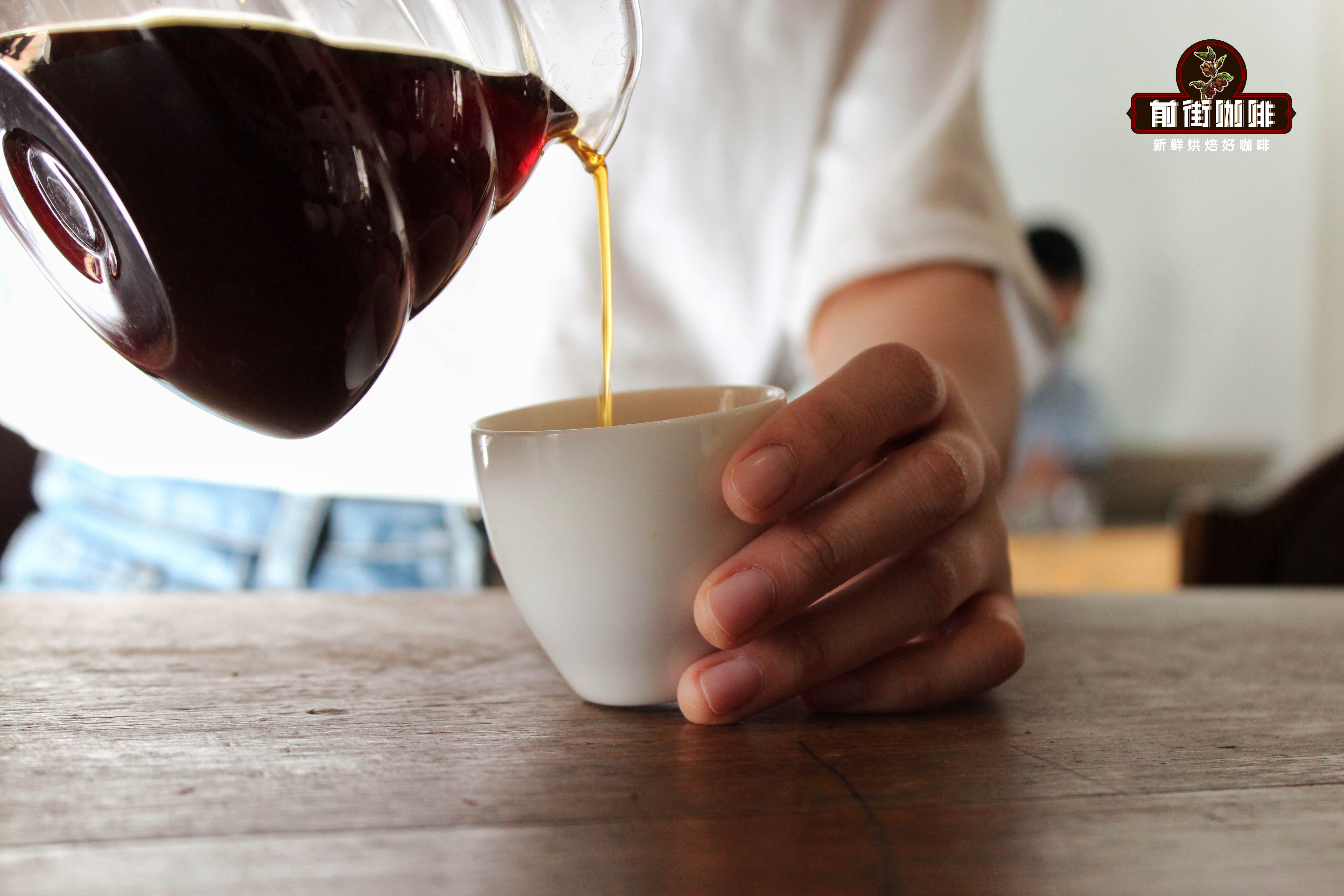
Pour-over PWN Golden Mandheling shows layered complexity, a full body, and a clean mouthfeel, with nut and caramel aromas alongside chocolate notes, a persistent aftertaste, and high balance.
FrontStreet Coffee Recommendation
Mandheling's wet-hulled character, mellow and low in acidity with herbal and pine notes, is what draws people to it, and the everyday version is FrontStreet Lintong Mandheling. From the Lintong area near Lake Toba, it is made by the same distinctive wet-hulling method and roasted medium-dark, giving a clean, full-bodied cup with caramel sweetness and a deep herbal aroma. It is ideal for anyone exploring origins with a taste for a heavier, less acidic coffee.
For the summit of the style, choose FrontStreet PWN Golden Mandheling. PWN screens its wet-hulled beans with one machine selection plus three hand selections to reach the top G1 grade, keeping only beans above 18 mesh and a defect rate of about 2%, so the beans come out even, plump, large, and translucent. The medium-dark roast yields a rich, aromatic body with dark chocolate, nut, and caramel aromas, a persistent aftertaste, and high balance, whether brewed as pour-over, siphon, French press, or AeroPress.
If you want Mandheling blended into an espresso, try FrontStreet Classic Blend. It layers a medium-dark-roasted Mandheling onto the creamy, nutty base of Brazilian coffee, so butter, roasted chestnut, and caramel stand out. The Mandheling lifts the body and adds sandalwood, herbal, and spice notes, and a small amount of Robusta builds crema for latte art or a layered Dirty.
Important Notice :
FrontStreet Coffee is a long-established specialty coffee roaster in Guangzhou China, selling freshly roasted beans from its own farm in Yunnan as well as dozens of carefully selected single-origin beans from around the world for both pour-over and espresso. The products deliver consistently excellent quality and great value, with shipping within 24 hours. Guangzhou's FrontStreet Coffee shop is recommended by many coffee lovers, and the beans are now available online at the Tmall 。
FrontStreet Coffee has moved to a new address:
FrontStreet Coffee Address: 315,Donghua East Road,GuangZhou
Tel:020 38364473
 Scan and follow the En Gafei WeChat official account. Please indicate that the reprint comes from "En Gafei".

