Why is Kopi Luwak Coffee So Popular? The Taste, Flavor Characteristics and Story of Authentic Civet Coffee Beans
Introduction to Kopi Luwak
There is a coffee known as "Kopi Luwak" that could be called the nobility of the coffee world. Indonesian coffee carries earthy and medicinal flavors with a very full consistency, but Kopi Luwak has an even stronger earthy taste and a body approaching syrup. It has a special aroma, and after drinking, a faint cooling sensation of mint lingers in the mouth, something ordinary coffees lack. After finishing a cup, taking a deep breath or sipping cool water feels like having just eaten a mint candy, with the coolness spreading from the mouth down to the throat.
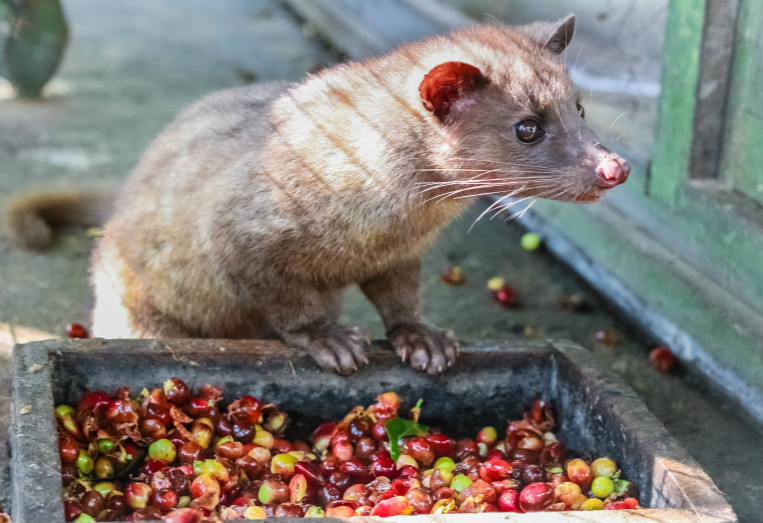
When brewed, Kopi Luwak releases an aroma reminiscent of honey and chocolate. Without adding sugar or creamer, it still delivers a sweet, smooth texture that is neither bitter, sour, nor astringent, and it does not irritate the stomach when swallowed. Even when the coffee cools, its taste remains mellow and rich.
Distinguishing Authentic Kopi Luwak
Many varieties of Kopi Luwak have appeared on the market, and many come from Vietnam. Are these authentic? Vietnam's coffee export volume is enormous, making it the world's second-largest coffee-producing country, but Vietnam mainly produces Robusta, which is generally used as a supplement in instant coffee and espresso blends. Vietnamese Kopi Luwak sold as instant coffee, those individual packets that dissolve directly in hot water, is fake. It is merely civet-flavored coffee, not authentic Kopi Luwak. Genuine Kopi Luwak cannot be so cheap given its limited production. Civet-flavored coffee is simply coffee with a flavor similar to Kopi Luwak, containing no actual Kopi Luwak at all.
The Origin and Production Process
Authentic Kopi Luwak comes from Indonesia and was originally called "civet cat coffee." Kopi Luwak is merely an alias; its official name is "Kopi Luwak." "Kopi" means "coffee" in Indonesian, while "Luwak" refers to a wild animal known as the civet. The origin of civet coffee dates back to Indonesia's colonial era, when the Dutch government prohibited locals from consuming or roasting coffee from the plantations. They accidentally discovered that coffee beans excreted by wild civets after eating in the gardens had a completely different and delicious taste.
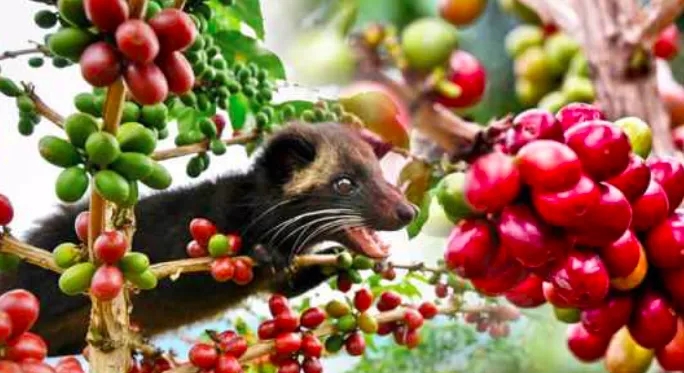
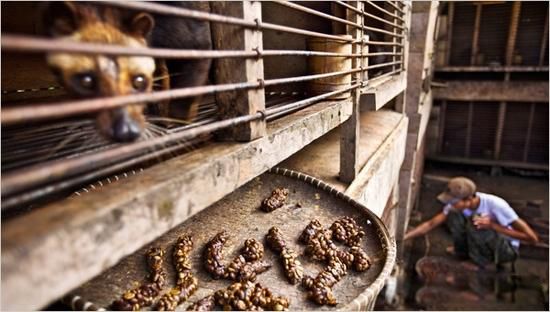
Kopi Luwak was originally processed from coffee beans extracted from the feces of an animal called the civet on Indonesia's Sumatra island. Although this most expensive coffee is tied to feces, that is also what creates its exceptional taste. The civet is a wild omnivore that locals like to call "luwak." It has a pointed mouth and dark gray fur, and it likes to reward itself with mature, sweet, thoroughly red coffee cherries. The fruit flesh is digested as the cherries pass through the civet's digestive tract, while the hard, indigestible beans are excreted with the feces. The beans undergo natural fermentation inside the body, creating the marvelous processing of Kopi Luwak: as they are excreted, the feces pass near the reproductive organs, and the beans become coated with musk oil secreted there, adding special flavor layers. Through this digestive process the beans undergo a magical change, developing a unique flavor that is exceptionally mellow and aromatic, matched by no other bean.
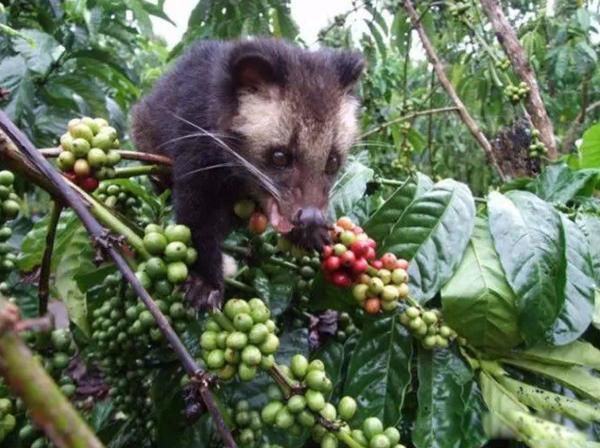
After the civet eats coffee cherries, it breaks down the proteins in the beans, and many components within them have already changed. Compared carefully with ordinary beans, the typically uneven surface of the coffee bean becomes noticeably smoother, possibly due to the acidic corrosion in the civet's digestive tract. "Biological energy" replaces traditional processing, reducing the acidity and bitterness of the original beans and making them particularly mellow and aromatic. What is special about the process is that as the civet excretes the beans, the feces pass near the reproductive organs and the beans are coated with musk oil, adding further flavor layers.
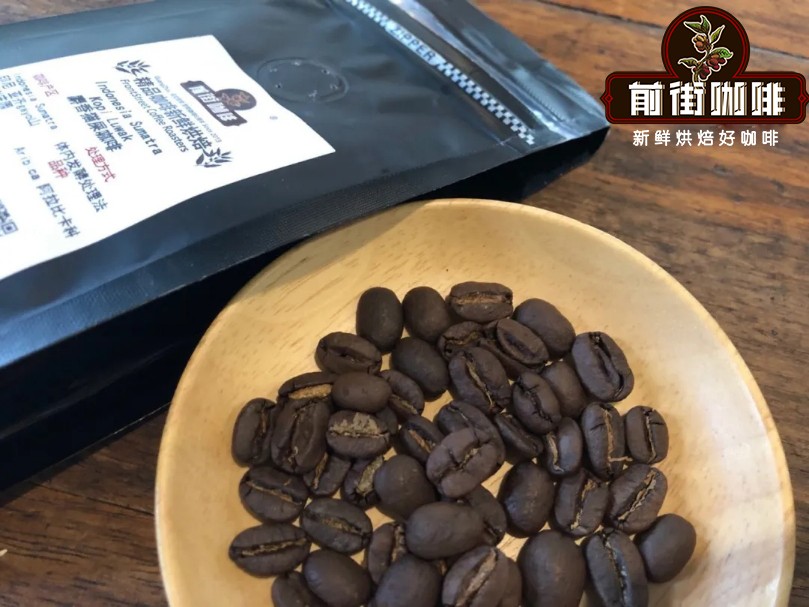
Kopi Luwak has an even stronger earthy taste, with a consistency approaching syrup. After drinking, a faint cooling sensation of mint remains in the mouth, an exclusive quality ordinary coffees do not possess. After finishing a cup, taking a deep breath or sipping cool water will clearly reveal a cooling sensation from mouth to throat, truly like having just eaten a mint lozenge. Kopi Luwak has an exceptionally mellow and aromatic taste, with a rich, rounded sweetness other beans cannot match.
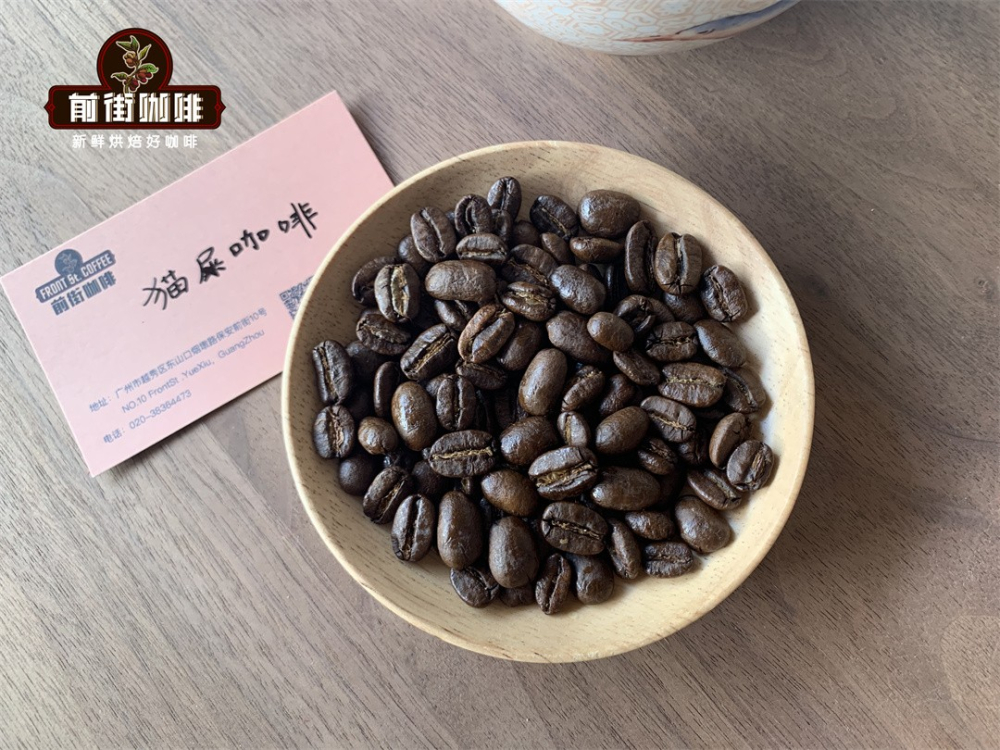
Rarity and Ethical Concerns
Since Kopi Luwak became famous, its price has been considerable, and the civet has become its spokesperson. Kopi Luwak is the world's least-produced coffee, with only a limited number of wild civets. Only experienced villagers can venture deep into the forests to find their traces and collect the feces. Although people have gradually begun raising civets in captivity specifically to produce beans, current global annual production does not exceed 400 kilograms. A 50-gram bag costs 1,500 yuan and brews only 3-4 cups, which works out to roughly 400 yuan per cup. Kopi Luwak is therefore not affordable for ordinary customers. Some people even say that after drinking it, they are reluctant to brush their teeth for several days, hoping to savor the mellow taste for as long as possible.
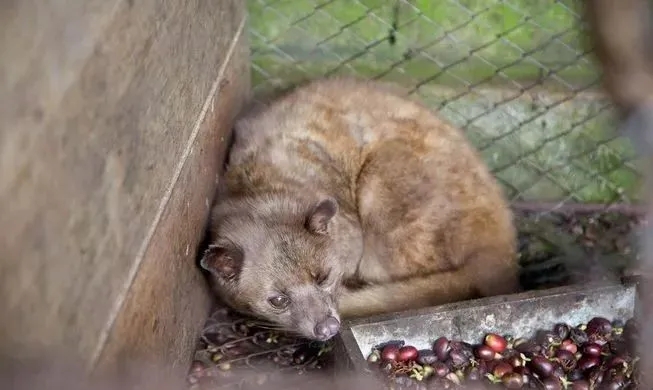
Kopi Luwak actually comes from the excrement of civets. Wild civets eat coffee cherries, and the beans undergo digestion and fermentation inside their bodies. Because of the secretive nature of where the animals defecate, civet coffee beans are hailed as a treasure of nature. Consumer demand, however, is too great, and to meet it, a civet farming industry has emerged.
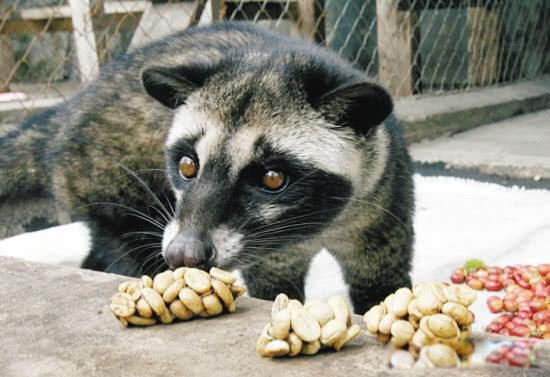
Farmers confine civets in small, leaky iron cages and feed them coffee cherries daily. No longer choosing cherries to satisfy hunger, the animals are forced to eat large quantities while confined in small cages, causing them to defecate continuously. Day after day they approach collapse, biting each other, chewing their own legs, defecating blood, and dying one after another, which causes a significant reduction in the civet population.
Quality Characteristics and Brewing
Today's civets are all farmed, and the coffee's taste still depends on the quality of the cherries they are fed. Although cherry quality generally varies, Arabica varieties are typically better than Robusta. These coffees also differ in price: specialty coffees are generally Arabica, while Robusta is mostly used for instant coffee.
Kopi Luwak beans are not easy to obtain, so the brewing method deserves even more attention. To enjoy the true flavor of Kopi Luwak, it is best not to add sugar or milk.
How FrontStreet Coffee Brews Kopi Luwak
To better express the herbal flavors and rich taste of Kopi Luwak, FrontStreet Coffee uses medium-dark roasting for these beans. Medium-dark beans generally have a higher dehydration rate and are therefore lighter in weight. During brewing, the coffee powder does not settle completely at the bottom. Water is absorbed immediately when first poured, and vigorous degassing creates bubbles around the powder that form channels. The fresher the beans, the longer these channels persist and the faster the water level drops. FrontStreet Coffee therefore generally uses a coarse stream and slow circular pouring. A KONO dripper is used for brewing, because it brings out a rounder, richer taste with a more direct flavor expression.
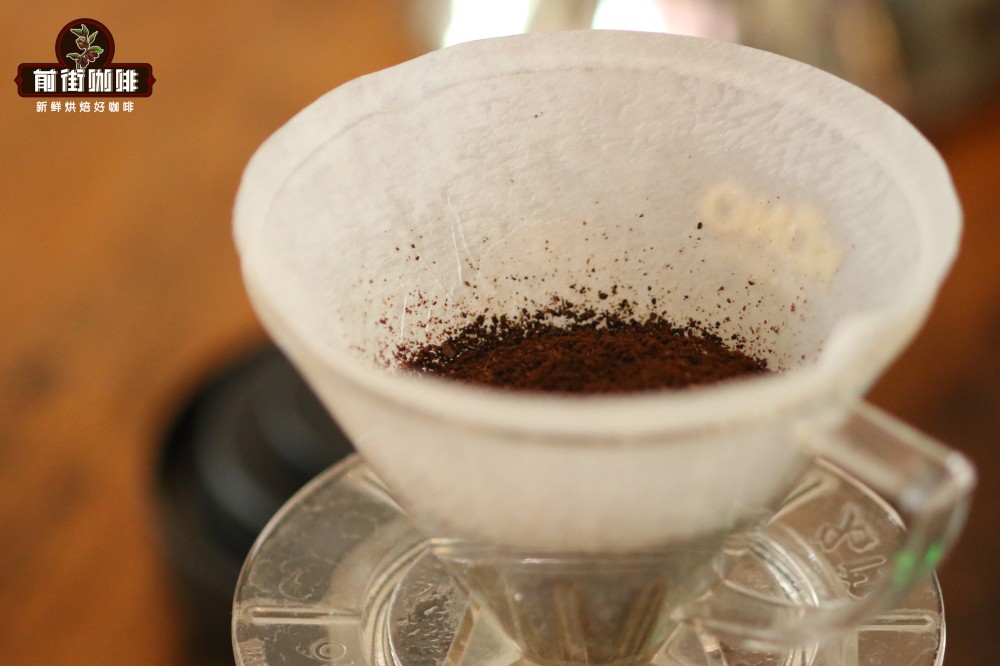
FrontStreet Coffee's Indonesian Kopi Luwak beans use medium-dark roasting, producing a coffee with a smooth texture. To highlight the herbal and nutty flavors, a KONO dripper is used in the subsequent brewing. The KONO dripper brings out a rounder, richer taste with a more direct flavor expression. However, its degassing effect is relatively poor, because its ribs are straight and extend only one-quarter of the dripper's depth; above that quarter the surface adheres closely to the cup wall, forming a seal. The reason FrontStreet Coffee chooses the KONO dripper for medium-dark Kopi Luwak beans is that the only degassing area is at those one-quarter ribs. When the water level rises above the rib area, the water volume in the dripper keeps increasing and creates pressure through its weight. Because the outlet is relatively small, this prolongs the contact time between coffee particles and water. Driven by the water flow, soluble substances are extracted more effectively, achieving the intended high richness.
FrontStreet Coffee's Kopi Luwak Brewing Parameters
Kopi Luwak beans are not easy to obtain, so the brewing method requires special care. To enjoy the true flavor of Kopi Luwak, it is recommended not to add sugar or milk. To better express the herbal flavors and rich taste of Indonesian Kopi Luwak, FrontStreet Coffee roasts this bean to a medium-dark level.
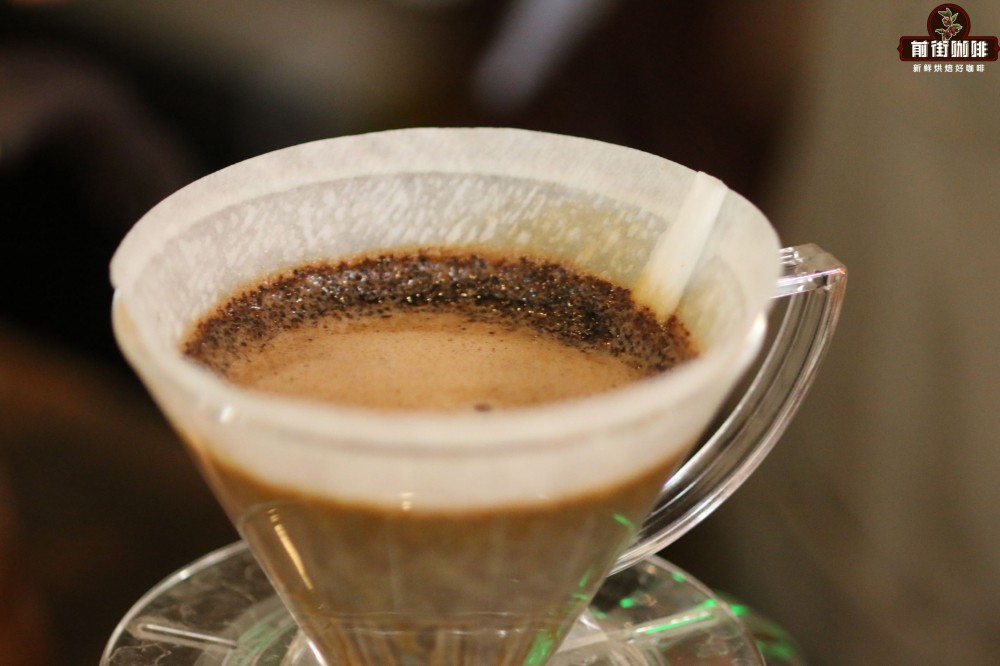
Medium-dark roasted beans generally lose more weight during roasting and are lighter. During brewing, the powder does not settle completely at the bottom, so water is absorbed immediately when first poured. Vigorous degassing creates bubbles around the powder that form channels. The fresher the beans, the longer these channels persist and the faster the water level drops. FrontStreet Coffee therefore uses a coarse stream and slow circular pouring for medium-dark Indonesian Kopi Luwak beans.
Brewing Parameters:
- Dripper: KONO dripper
- Water Temperature: 88°C
- Coffee Amount: 15 grams
- Coffee-to-Water Ratio: 1:15
- Grind Size: Medium-fine grind (75% pass-through on a China standard #20 sieve)
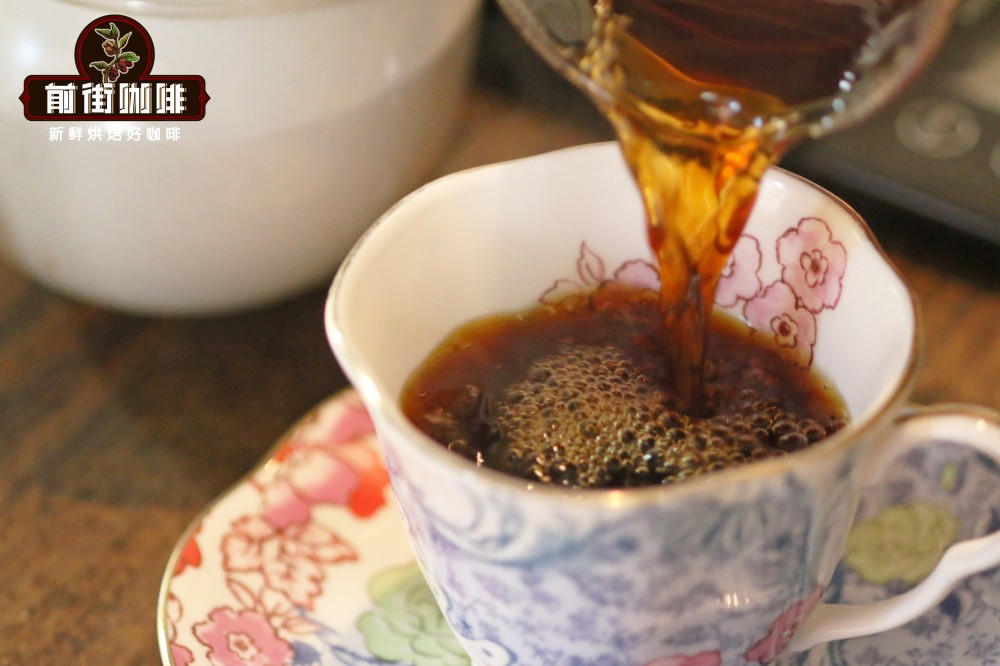
Kopi Luwak Flavor Description: Herbal, nutty, dark chocolate, fermented flavors.
FrontStreet Coffee's Brewing Recommendations
On the subject of brewing, FrontStreet Coffee has always believed that the freshness of coffee beans greatly affects flavor, and so it ships beans roasted within 5 days. FrontStreet Coffee's roasting philosophy is "freshly roasted good coffee," ensuring every customer receives the freshest coffee on arrival. The resting period is about 4-7 days, so customers receive their beans at peak flavor.
For those who need ground coffee, FrontStreet Coffee gently reminds you: once beans are ground in advance, no further resting is needed, because the pressure from carbon dioxide buildup during transport also helps round out the flavor, so ground coffee can be brewed immediately on receipt. Ground coffee should be brewed promptly, though, since it oxidizes quickly when exposed to air and its flavor dissipates relatively fast. FrontStreet Coffee therefore recommends buying whole beans and grinding fresh before brewing to best appreciate the coffee's flavor.
Alternative Coffee Recommendations
For all these reasons, FrontStreet Coffee does not recommend that everyone drink Kopi Luwak. Although genuine Kopi Luwak has excellent flavor, coffees from other producing countries are outstanding too. For those who enjoy floral flavors, FrontStreet Coffee recommends Panama Geisha, one of the world's most expensive coffees. For those who like fresh, acidic coffee, the Ethiopian Flower Queen beans offer notes reminiscent of black tea and berries. For those who enjoy balanced nutty and caramel flavors, in other words coffee that is neither acidic nor bitter, Brazilian beans are the answer. And if you still love the robust, rich taste of Indonesian coffee, FrontStreet Coffee suggests the highest-grade Golden Mandheling, which undergoes multiple hand-sortings to minimize defect rates, resulting in a clearer aroma and better aftertaste.

Conclusion
With so many coffees in the world, experiencing different producing regions and tasting their different flavors is truly a wonderful thing.
FrontStreet Coffee Recommendation
If the earthy, syrupy depth of Kopi Luwak is what appeals to you, FrontStreet Coffee's PWN Golden Mandheling delivers that same Indonesian wet-hulled character with far more consistency and no ethical concerns. Produced to the top G1 standard from beans of 18 screen or larger and hand-sorted three times, it is roasted medium-dark and pours out cedar, herb, spice, roasted hazelnut, caramel, and dark chocolate notes over a clean, full body and a long sweetness. Brewed in a KONO dripper at 88°C with a 1:15 ratio, as in the recipe above, it shows the mellow richness Indonesian coffee is loved for. For a fruitier, more affordable everyday cup instead, the Ethiopian Flower Queen brings black tea and berry notes that make an easy contrast to Mandheling's weight.
Important Notice :
FrontStreet Coffee is a long-established specialty coffee roaster in Guangzhou China, selling freshly roasted beans from its own farm in Yunnan as well as dozens of carefully selected single-origin beans from around the world for both pour-over and espresso. The products deliver consistently excellent quality and great value, with shipping within 24 hours. Guangzhou's FrontStreet Coffee shop is recommended by many coffee lovers, and the beans are now available online at the Tmall 。
FrontStreet Coffee has moved to a new address:
FrontStreet Coffee Address: 315,Donghua East Road,GuangZhou
Tel:020 38364473
 Scan and follow the En Gafei WeChat official account. Please indicate that the reprint comes from "En Gafei".