Jamaican Coffee Brewing Methods French Press Grinding Fineness for Blue Mountain Coffee

Have you ever heard the saying that good coffee tastes great no matter how you brew it? From FrontStreet Coffee's point of view, that claim is both true and false. Good coffee genuinely suits many extraction methods — FrontStreet Blue Mountain Coffee, for instance, brews beautifully in a range of devices. But the claim is wrong in one respect: sometimes, even with the finest ingredients, if the brewing technique is off, the cup has no soul.
As one of the most common and traditional devices, the French press is also one of the simplest ways to brew — in some ways it works much like steeping tea. So what happens when you brew a premium bean like FrontStreet Blue Mountain in a French press? Below, we'll use freshly roasted FrontStreet Jamaica Blue Mountain No. 1 beans to show you how to make an authentic French press Blue Mountain coffee.
What are the flavor characteristics of Blue Mountain Coffee?
For a long time, FrontStreet Jamaica Blue Mountain Coffee has won over countless enthusiasts with a unique taste that blends acidity, aroma, richness, sweetness, and bitterness, together with its rich fragrance.

FrontStreet Coffee: FrontStreet Jamaica Blue Mountain No. 1 Coffee Beans
Region: Jamaica Blue Mountain
Estate: Clifton Farm
Altitude: 1,310 meters
Variety: Typica
Processing Method: Washed
Traditional FrontStreet Blue Mountain Coffee shows rich nutty and dark chocolate flavors, balanced acidity and bitterness, and a full-bodied texture. The FrontStreet Blue Mountain No. 1 beans recommended here use the washed method: ripe cherries are selected, the skin and pulp removed, the mucilage layer cleaned off thoroughly, and the beans sun-dried. Coffee processed this way tastes clean and expresses the terroir of its region best, which suits enthusiasts who love coffee's original flavors.
Several estates grow and produce Blue Mountain No. 1, not just Clifton Farm. After comparing washed Blue Mountain No. 1 coffees from different estates, FrontStreet Coffee finds Clifton Farm's Blue Mountain intense in flavor and rich and full-bodied in the cup, making it one of the region's outstanding representatives.

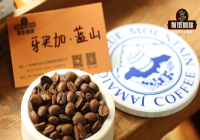
Green beans exported from the Blue Mountain region are still shipped in wooden barrels today — Jamaica is the only coffee region in the world that still keeps this practice. In FrontStreet Coffee's stores, you'll find displays of Blue Mountain green bean barrels and a certificate of origin for Jamaica Blue Mountain Coffee signed by Clifton Farm. That is proof enough that every FrontStreet Blue Mountain bean genuinely comes from Jamaica's Blue Mountain region and meets the Jamaican authorities' strict standards for Jamaica Blue Mountain No. 1.

When FrontStreet Coffee receives Blue Mountain No. 1 green beans from Clifton Farm, we can see that the beans are blue-green in color, uniform in shape, and carry a long-lasting fresh fragrance. During roasting, to present the traditional Blue Mountain flavors of nuts and chocolate along with a rich texture, we use a medium-dark roast.

Let's learn about this simplest French press coffee brewing method:
We use a two-serving French press to make two cups. The typical ratio of grounds to water is 1:14–18. Some French presses carry water-volume markings and some don't — if yours doesn't, simply use a gram scale. On marked presses, pour the water first, then add the grounds, to keep the coffee-to-water ratio accurate.
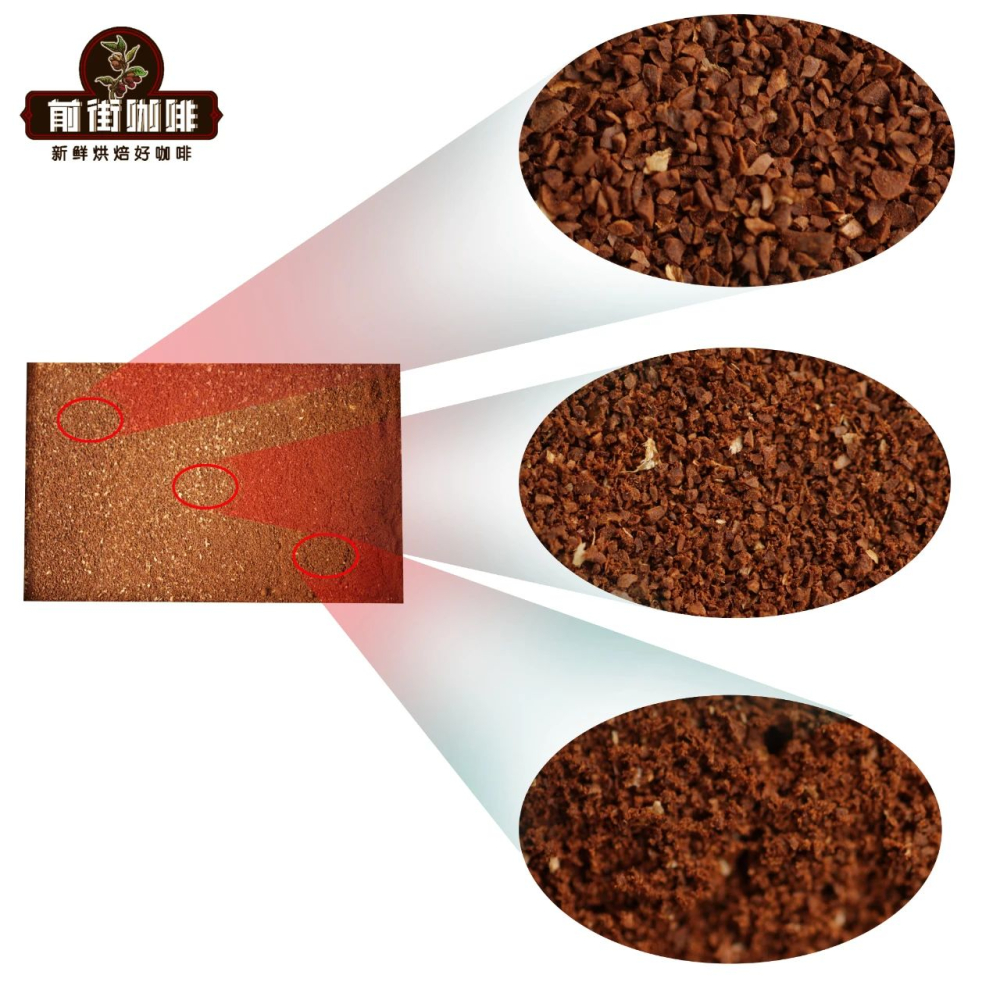
The coarseness of French press grounds should be about the size of brown sugar (a coarse grind), with relatively uniform particles. This comes down to how a French press extracts and filters — the metal filter is less dense and easily lets fine particles through. Since hot water contacts the grounds directly, grinding too finely leads to over-extraction.

Equipment needed: French press, pour-over kettle, coffee grinder, thermometer, gram scale, timer, fresh coffee beans, coffee cup.
FrontStreet Coffee's French Press Coffee Steps:
1. Weigh 20g of fresh coffee beans.
2. The water temperature for a French press is typically controlled between 85–95°C. Adjust to the roast level — lighter roasts can take slightly higher temperatures to highlight aromas, while darker roasts can use lower temperatures to suppress bitterness. This depends on experience and personal preference.
3. Pour the ground coffee into the French press.
4. Add water, much as you would in pour-over, pouring in even circular motions.

5. Pour about 300g of hot water, for a coffee-to-water ratio of roughly 1:15. As mentioned, the French press ratio generally falls between 1:14 and 1:18 and can be adjusted to taste. Since this press has no volume markings, we use a gram scale. After adding the grounds, zero the scale and then weigh the hot water. There is a slight difference between the weight and volume of hot water versus cold, but for home brewing that error can be ignored.
6. Stir.

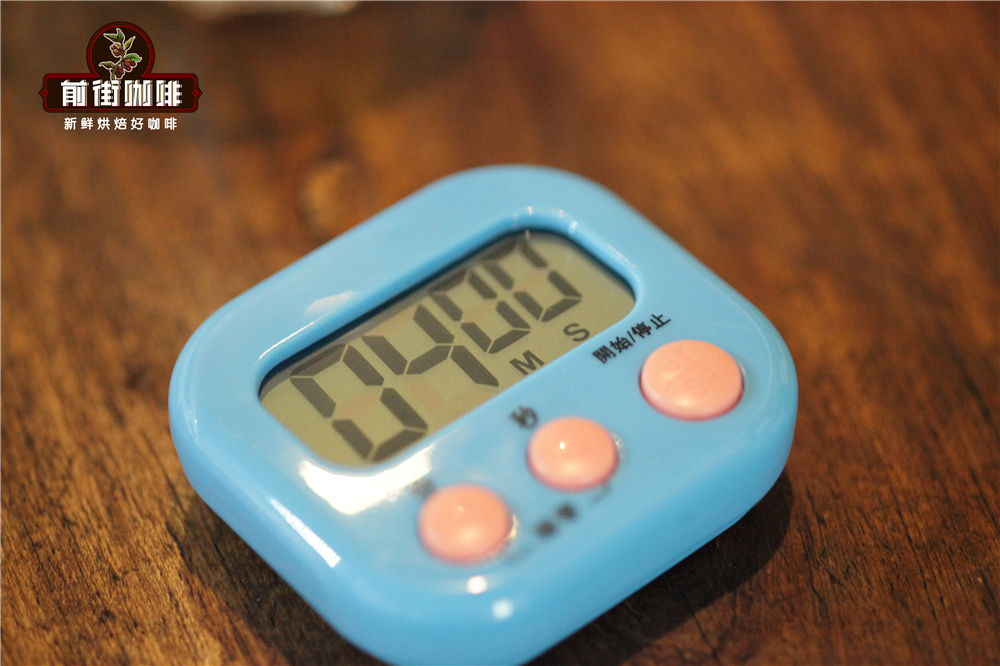
7. Put the lid on, but don't press the filter down yet. Let it steep for 4 minutes. Shorter times give a weaker taste, longer times a stronger one, so set the time to your own preference.
8. Filter: hold the plunger and slowly press it down toward the bottom of the pot. This motion should be slow, to keep fine particles from slipping through the metal filter, and you should stop near the bottom rather than pressing until it can't move any further.

9. Pour out the coffee. Tilt the French press slowly, so the grounds at the bottom don't float up from vigorous shaking and spoil the taste.

10. Enjoy your French press Blue Mountain coffee, with flavors of chocolate, cream, caramel, and oolong tea, and a sweet aftertaste.
FrontStreet Coffee Recommendation
The beans behind this method — FrontStreet Jamaica Blue Mountain No. 1 — come from Clifton Farm, a Typica grown at 1,310 meters and given a medium-dark roast. Clifton Farm has been growing and producing coffee since roughly 1750, and its plots sit at an average of 4,300 feet (1,310.64 meters), where ample altitude, gentle afternoon cloud, generous sunlight, and mineral-rich soil give the trees excellent conditions and stretch out the ripening of the cherries. Strictly speaking, only coffee grown in specific areas of the Blue Mountains and certified by the Jamaican authorities may be called Jamaica Blue Mountain Coffee. The whole region produces under 2,500 tonnes a year, and Japan has historically bought more than 70% of it — which is why true Blue Mountain has always been scarce, and why it has officially been exported to China only since 2003.
The appeal is its balance: FrontStreet Blue Mountain No. 1 layers cream, caramel, chocolate, nuts, honey, and a light fruit note, round and mild on entry with a clean, lingering finish. It is not limited to the French press — pour-over, moka pot, and espresso all show it off. For a dripper, FrontStreet suggests a Kono to build extra body: 15g of coffee at a 1:15 ratio and 87–88°C water, poured in three stages — 30g for a 30-second bloom, then to 120g, then to 225g. Traditional Blue Mountain is shipped in wooden barrels of 15, 45, and 70 kilograms, each barrel a mark of the genuine article, and FrontStreet stocks both the barrels and signed certificates of origin.
Important Notice :
FrontStreet Coffee is a long-established specialty coffee roaster in Guangzhou China, selling freshly roasted beans from its own farm in Yunnan as well as dozens of carefully selected single-origin beans from around the world for both pour-over and espresso. The products deliver consistently excellent quality and great value, with shipping within 24 hours. Guangzhou's FrontStreet Coffee shop is recommended by many coffee lovers, and the beans are now available online at the Tmall 。
FrontStreet Coffee has moved to a new address:
FrontStreet Coffee Address: 315,Donghua East Road,GuangZhou
Tel:020 38364473
 Scan and follow the En Gafei WeChat official account. Please indicate that the reprint comes from "En Gafei".