The Difference Between SOE Coffee and Espresso Coffee - Is Mandheling Coffee Bean Good for SOE Espresso?
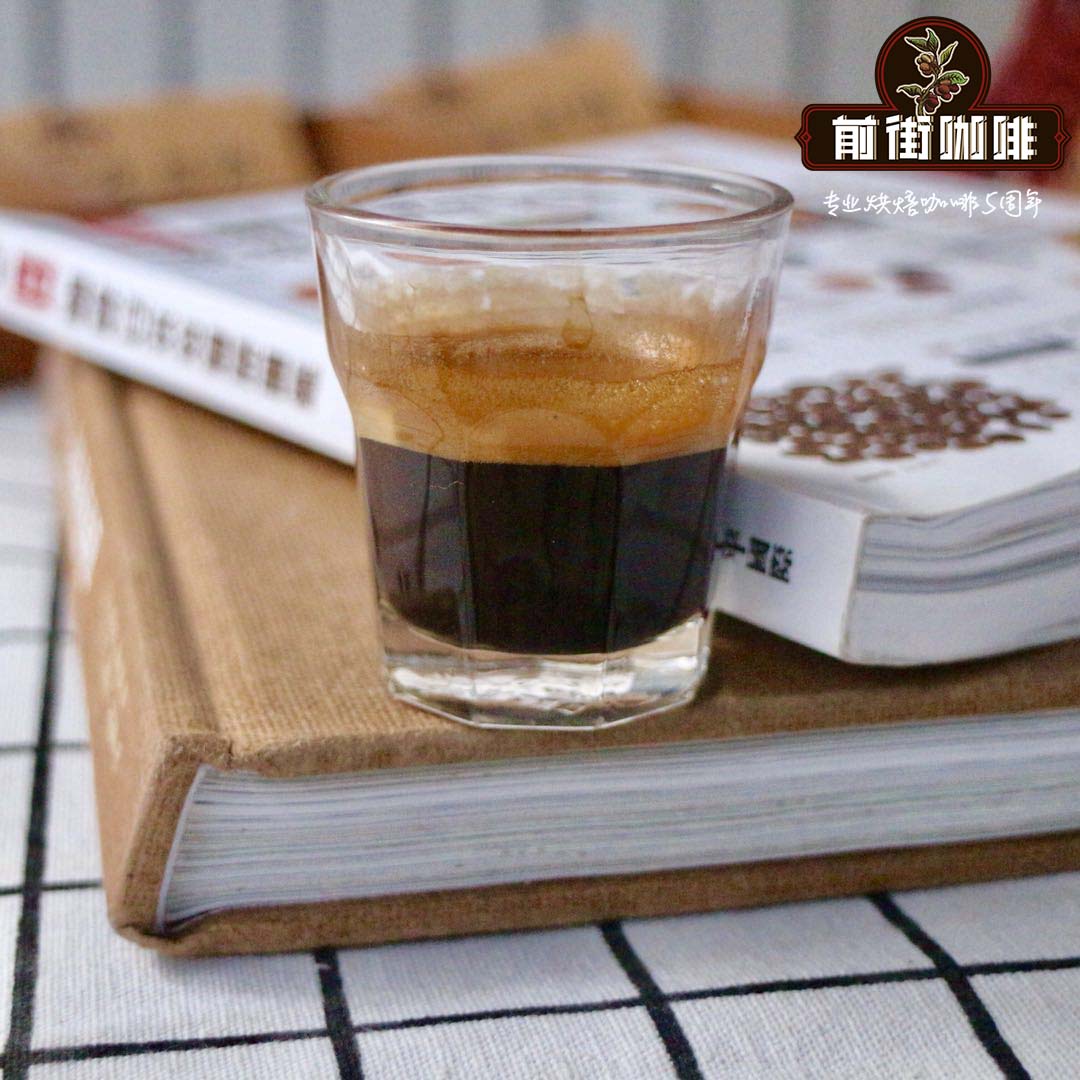
Once upon a time, espresso dominated the coffee world with its commanding presence—but that was a long time ago. Today's coffee industry is flourishing with diversity, much like espresso itself. Traditional espresso is usually made with Italian blends and deeply roasted beans that produce an intensely strong flavor. Paired with the smooth, creamy texture of milk, it's instantly lovable. But have you ever heard of SOE coffee? It represents an upgrade in coffee culture. If you're not familiar with it, FrontStreet Coffee is here to help you discover it.
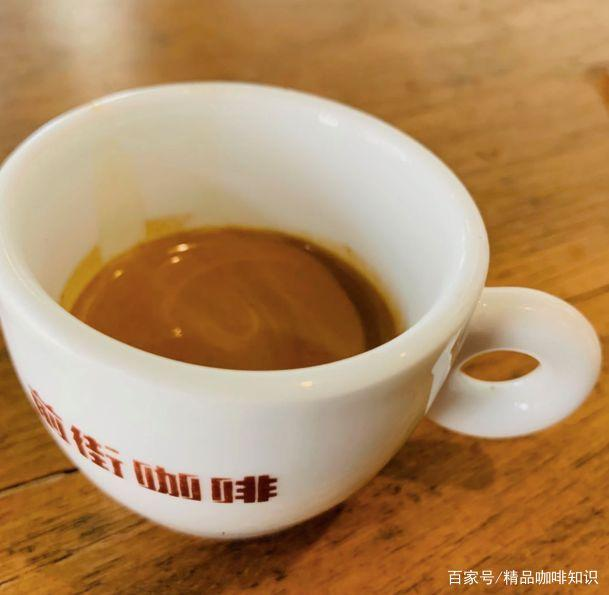
What is SOE (Single Origin Espresso)?
SOE stands for "Single Origin Espresso," which refers to espresso made from beans of a single origin. The concept exists in contrast to blended espresso. Although SOE means single-origin espresso, it does not necessarily equate to specialty coffee. If single-origin beans with easily identifiable flavors are chosen for SOE, they can produce an espresso with unique and distinctive characteristics.
For example, the citrus notes of Yirgacheffe or the small-tomato flavors of Kenyan coffee, amplified by the high-pressure extraction of an espresso machine, become more pronounced than they are in pour-over coffee.
SOE began gaining popularity in 2007 and had gradually matured by 2010. North American consumers had grown used to ordering seasonal single-origin espresso in coffee shops, and SOE's influence spread from there. Its popularity made people realize that with enough excellent beans, espresso formulas don't need to be complex. Through simple yet clever combinations that complement and reinforce one another, you can achieve results where one plus one equals three, or even five.
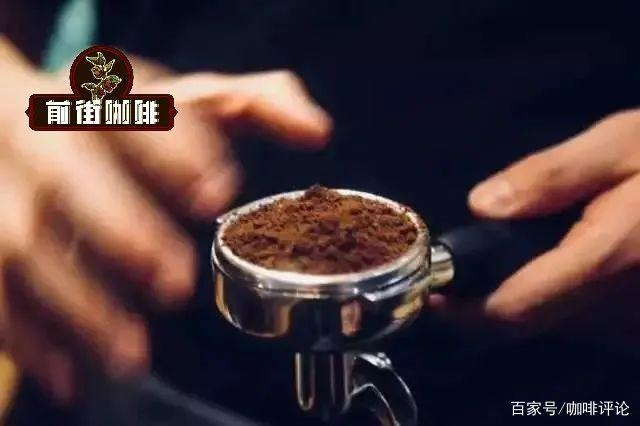
Coffee beans used for SOE and those used for pour-over require significantly different roasting approaches. This represents both a pursuit of roasting craftsmanship and a further exploration of specialty coffee, because beans suitable for SOE roasting must possess many excellent qualities. That doesn't mean blended coffee beans are necessarily inferior, though.
Espresso pulled on an espresso machine can be consumed directly or used as the base for various espresso drinks. The beans come from the same origin or the same batch of bags. Because of the post-processing and trading practices of green coffee, only a small portion can be verified for true origin. Green beans from the same bag often contain different varieties, especially those from Central and South America.
Beans from the same batch can be roasted differently and then blended together. Strictly speaking, that would still qualify as SOE coffee beans.
When a bean's origin flavors or varietal characteristics are highly recognizable, roasters tend to use a lighter roast to showcase them. When roasters focus more on flavor balance and body, they choose roasting methods better suited to enhancing the consumer experience.
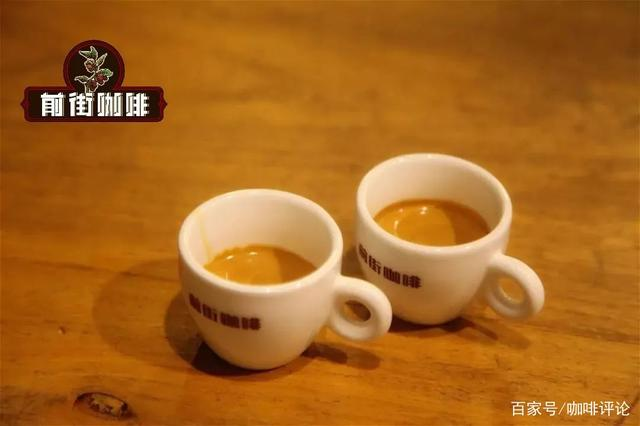
About Italian Blends
Traditional Italian coffee beans are composed of multiple varieties. In Italy, a bag of beans can consist of several, sometimes even dozens of different coffees. The biggest advantage of blending is flavor stability: when one bean's quality changes, production drops or prices rise, roasters can substitute a similar-quality bean without affecting the overall flavor. That is why some renowned roasters treat their blend formulas as trade secrets.
Blending methods include raw blending and roasted blending.
Raw blending means mixing different green coffee beans according to the formula proportions before roasting.
Roasted blending means roasting different green beans separately, then mixing them according to the formula proportions.
Don't Pursue Consistency in SOE
Coffee is an agricultural product. Single-origin beans are affected by factors like weather and cultivation, so flavor can vary even between beans from the same producing region. This is a key difference from blended coffee, which pursues consistency.
If you order an SOE made from the same bean at the same coffee shop on different occasions and notice slight flavor differences, that is completely normal. There is no need to question the shop's professionalism on that basis alone.
How to Make a Cup of SOE?
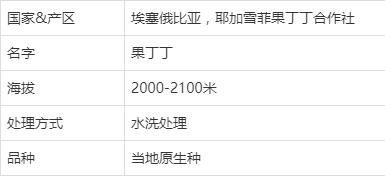
This time, we're using Guddi from Ethiopia, Africa. This bean shows a distinct tea-like quality in pour-over, with a rich berry juice fullness that's unforgettable.
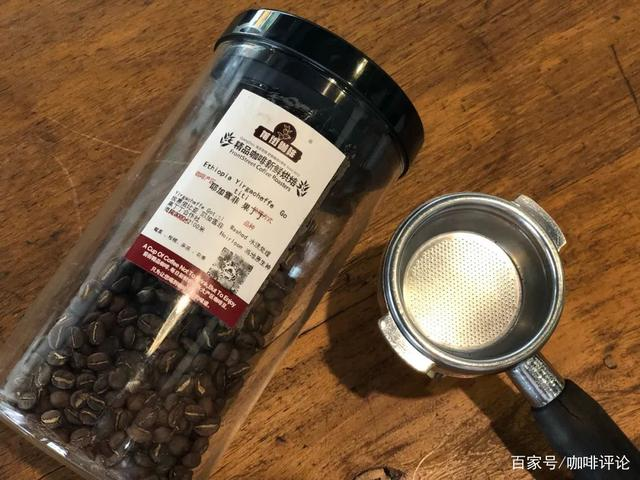
Coffee Bean Information
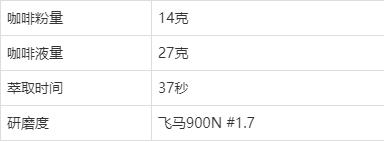
SOE Espresso Extraction Parameters
Espresso Flavor Description
Medium acidity, medium-low bitterness, medium-low sweetness, a viscous mouthfeel, berry juice flavors, slightly prominent tea-like notes and a long-lasting aftertaste.
What to Consider When Making SOE
SOE single-origin espresso typically uses beans that aren't roasted too deeply, in order to highlight regional flavors. Compared with traditionally darker-roasted Italian espresso beans, those flavors can be harder to extract.
One approach, therefore, is to adjust extraction parameters to increase the extraction yield—for example, extending extraction time, grinding finer or increasing the dose.
Another consideration when making espresso drinks with SOE as the base is adjusting the ratio of espresso to milk or water. Reducing the milk or water helps highlight the coffee flavor and keeps the drink from becoming too bland.
Finally, selecting beans for SOE requires very strict criteria. Although SOE delivers outstanding performance, because it comes from a single origin, its defects are also more easily magnified. Factors like roasting and grind size can all affect the flavor.
Final Tips
If you want simple, traditional, consistent flavor, using good blended coffee beans for espresso is definitely your best choice. But if you're looking for surprises and want to try more unusual flavors, why not experiment with light to medium roasted single-origin beans to make a cup of SOE?
FrontStreet Coffee Recommendation
Ethiopian beans are ideal for SOE because their origin character is unmistakable, and FrontStreet Coffee's washed Yirgacheffe is the entry point most drinkers start with. Known for white jasmine, bright citrus and lemon acidity and a tea-like body, it carries its regional signature so clearly that it shines under the pressure of an espresso machine. The town of Yirgacheffe sits in southern Ethiopia's Sidama zone at roughly 1,700-2,100 meters, with the coffee trees planted above 1,800 m.
For an even cleaner, sweeter SOE base, FrontStreet Coffee's Gotiti Cooperative coffee comes from the Worka area at the southeastern edge of Yirgacheffe. The traditional washed process keeps the cup fresh and transparent, with bright citrus and lemon acidity and jasmine florals. If you want a fruitier profile, FrontStreet Coffee's natural Red Cherry is sun-dried in the whole fruit for three to five weeks, giving it citrus acidity, berry juice, honey sweetness and a creamy body—a different but equally rewarding SOE.
To get the most from a single-origin bean like these, keep the recipe simple: use a 1:2 coffee-to-liquid ratio within the 25-30 second window typical of espresso, and adjust the grind so you land in that range. Because these beans are roasted lighter than a traditional Italian blend, grind a little finer or extend the time if the shot runs fast, and cut back the milk or water slightly in milk drinks so the origin flavor isn't lost.
Important Notice :
FrontStreet Coffee is a long-established specialty coffee roaster in Guangzhou China, selling freshly roasted beans from its own farm in Yunnan as well as dozens of carefully selected single-origin beans from around the world for both pour-over and espresso. The products deliver consistently excellent quality and great value, with shipping within 24 hours. Guangzhou's FrontStreet Coffee shop is recommended by many coffee lovers, and the beans are now available online at the Tmall 。
FrontStreet Coffee has moved to a new address:
FrontStreet Coffee Address: 315,Donghua East Road,GuangZhou
Tel:020 38364473
 Scan and follow the En Gafei WeChat official account. Please indicate that the reprint comes from "En Gafei".