Introduction to Ecuadorian Coffee Varieties: A Brief Overview of Ecuadorian Organic Coffee Production, Cultivation Characteristics, and Flavor Profiles
Ecuador is home to the highest-altitude Arabica plantations in the world, and it is one of the few countries that produces both Arabica and Robusta. Robusta is grown mainly in the jungle and coastal areas and goes mostly into instant coffee. Sitting on the equator in South America, the country is known as the "Land of the Equator," and its location, fertile soil, and unusual climate together create outstanding conditions for coffee.
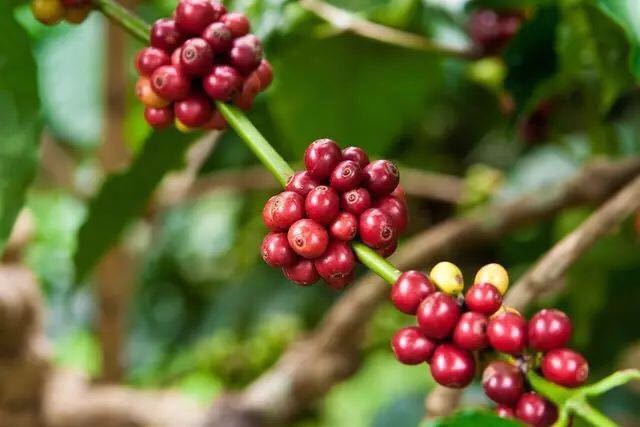
Coffee trees were first introduced to Ecuador in 1875, and the country's quality held steady for a hundred years afterward. The harvest in early June each year is especially prized, sometimes described as the best-tasting coffee in the world. Ecuadorian beans fall into two varieties, Galapagos and Gigante, both relatively large and heavy. The Galapagos Islands in particular give their coffee a genetic edge over other regions, and that quality comes from cultivation without any chemical inputs. As the land in Ecuador suited to Arabica steadily shrinks, Galapagos coffee becomes more precious still. Ecuadorian coffee is graded by quality into No.1 and Extra Superior, and is exported mainly to the Nordic countries of the Scandinavian Peninsula.
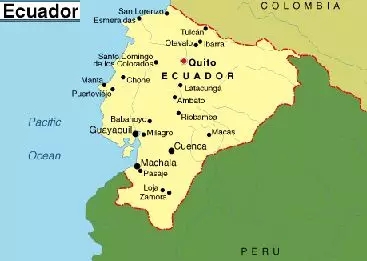
The central difficulty for producers is holding quality stable from year to year. Generally speaking, coffee from this region is very balanced and refreshing, with a distinctive aroma. Ecuador is one of the few South American countries producing both Arabica and Robusta, but as suitable Arabica land declines, Robusta output is gradually rising. The best Arabica comes from the Andes, particularly the Chanchamgo Valley. The Andes split into two ranges that run from south to north and reach central Ecuador. Bourbon is the main variety cultivated in the country; like Typica, it is a relatively old cultivar.
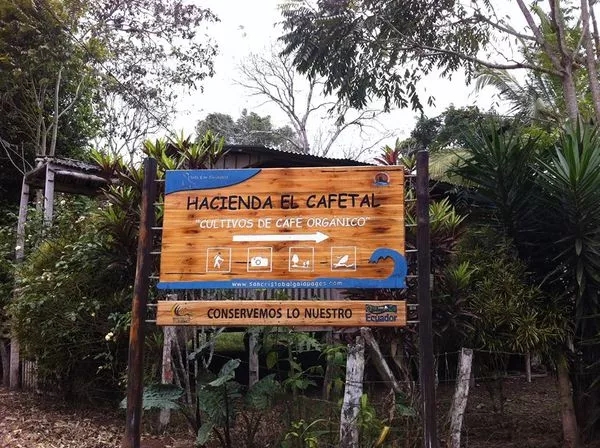
Coffee grown on the Galapagos Islands is organic by circumstance. Volcanic soil, a unique microclimate, and the complete absence of fertilizer and pesticide make it a recognized natural, green specialty coffee. The cup is mild, with light floral and fruity notes and a caramel aroma.
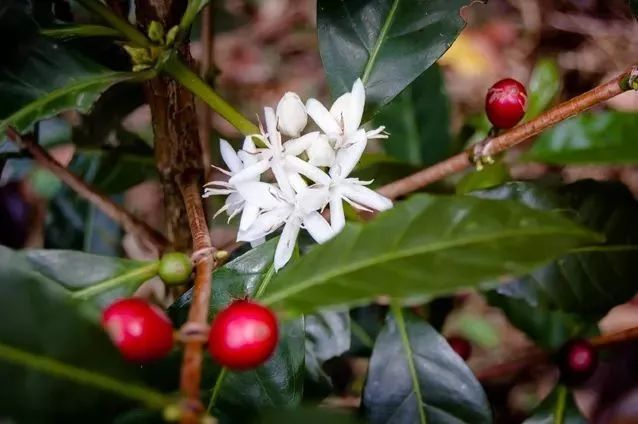
Ecuador is prone to small shifts that add up. Whether because of altitude and the equator, or the eastern jungles against the western ocean, even slight changes in climate can have an outsized effect on a farm. Places that see morning fog and afternoon sun can instead sit foggy all day, so nothing dries at the drying station; elsewhere the temperature and exposure climb too high for the coffee. To match the quality of previous years, farmers simply have to put in more time.
Introduction to Ecuadorian Coffee Regions
Intag Valley
This region lies in the western foothills of the Andes south of Guayaquil and in the hilly coastal areas of Manabi Province. It is known for Arabica with a near-perfect balance of acidity, sweetness, and bitterness.
Pichincha Province
Located in northwestern Ecuador, Pichincha grows mainly Robusta.
Loja Region
Loja sits in southern Ecuador, adjacent to the Andes, and is one of the highest coffee-growing areas in the world at 1450-2000 meters above sea level. It is also an important coffee export city. The variety is Typica, processed by the washed method and mostly grown under natural shade. The altitude, climate variation, and soil quality are well suited to coffee and give the region excellent growing conditions.
Galapagos Islands
The Galapagos lie in Ecuadorian waters directly below the equator, a mysterious archipelago inhabited by species found nowhere else and declared a UNESCO World Heritage Site. For that reason the law strictly prohibits importing or using fertilizers, herbicides, pesticides, or any other chemicals. Certified by OCIA and by rainforest bird protection standards for its organic shade-grown environment, and shaped by the island's own climatology, the islands produce aromatic, richly layered coffee. Galapagos coffee is regarded as green and natural because the Ecuadorian government has designated the islands a national park: not only is new agricultural land forbidden, but chemical agents such as fertilizer, pesticide, and herbicide are strictly banned. Although the islands sit at only around 200m, the ocean's influence gives the region a climate equivalent to land at 1000m-1800m, well suited to coffee and especially to Strictly Hard Bean (SHB) quality.
Ecuador's mainland also produces coffee. The Andes run through the center of the country, and with ample rainfall, suitable temperatures, and abundant sun under a tropical climate, coffee grows well. Both the top-grade Gigante coffee and the coffees of the Galapagos Islands rank among the finest, even though mainland Ecuador has not been growing Arabica for very long.
Coffee Bean Varieties
Variety is where Ecuador's coffee story gets more complicated than its size suggests. Bourbon and Typica dominate, and the newer Sidra has begun to draw attention. Among the older cultivars, Bourbon is the one most widely planted.
Bourbon
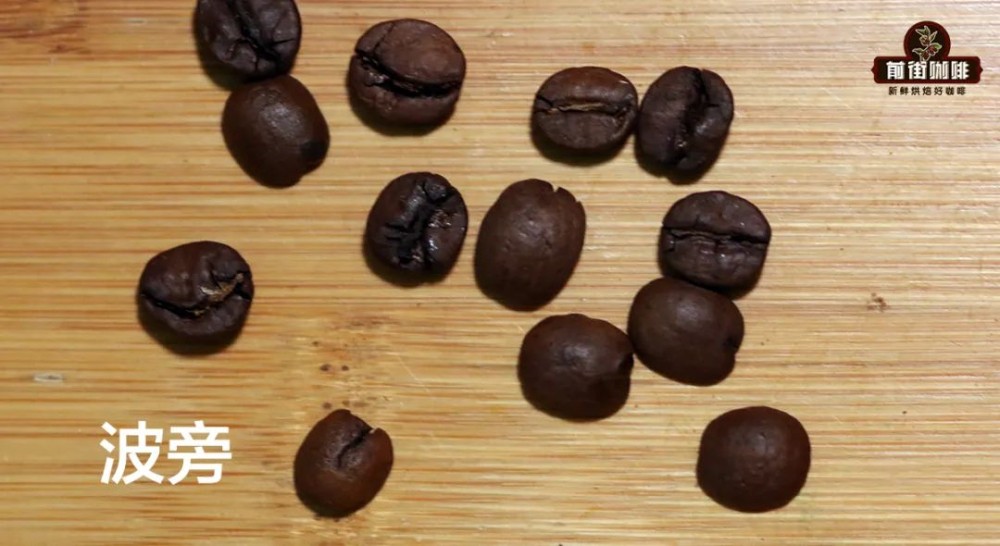
Bourbon is an early variant of Typica that appeared after the plant was carried to Yemen, with the bean shape changing from slender and pointed to rounded. In 1715 France transplanted rounded Yemen Mocha beans to Bourbon Island off the east coast of Africa (renamed Reunion after the French Revolution), and the variety took that name.
Bourbon's rounded beans reached Brazil and then Central and South America in 1727. In 1732 Britain also carried Yemen Mocha to St. Helena (later Napoleon's place of exile), again as rounded Bourbon beans. Bourbon is a perennial champion on American specialty coffee cupping tables. Many Brazilian coffees are Bourbon, for example, including FrontStreet Coffee's daily-drinking Brazilian coffee and its single-origin Brazilian Queen Estate.
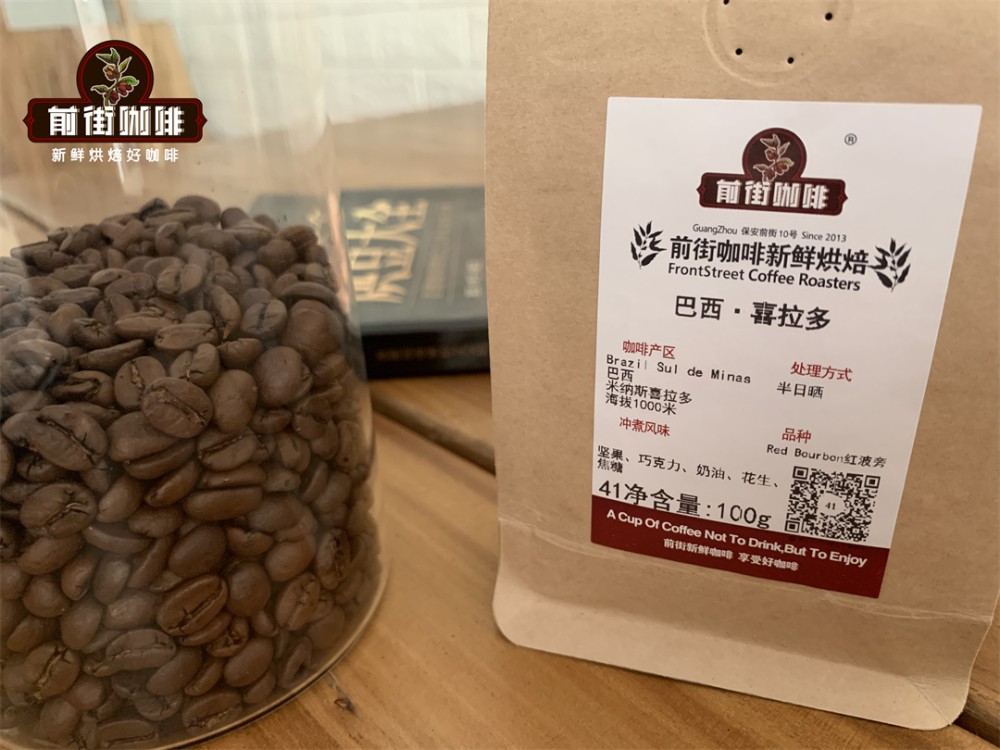
Galapagos coffee is like a pearl among specialty coffees: rare, yet carrying both floral aroma and rich taste. Its floral and fruit sweetness and aftertaste stand comparison with the famous Jamaican Blue Mountain and Hawaiian Kona, and it is exported mainly to the Nordic countries of the Scandinavian Peninsula.
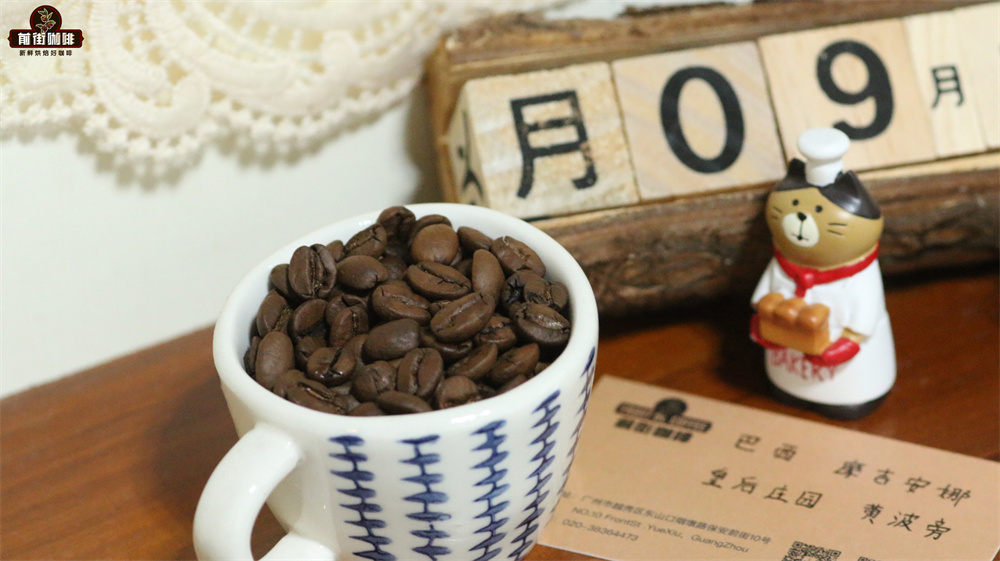
Ecuadorian beans divide into the two varieties, Galapagos and Gigante, both with relatively large, heavy beans. The unique conditions of the Galapagos Islands give those beans an edge over other regions, and their quality comes from cultivation without chemical inputs. As suitable Arabica land grows scarcer, Galapagos coffee only becomes more valuable.
Sidra New Variety Coffee Beans
Ecuadorians do not accept that good coffee must come from high altitude. Coffee is planted along the spine of the Andes, but also in coastal areas, the low-lying Amazon basin, and even on the Galapagos Islands. One of the most interesting developments in Ecuadorian soil is Sidra, a cross of Bourbon and Typica that shows very distinctive fruit and floral character. Grown at altitude and carefully processed and roasted, these coffees stand out on the cupping table and could help move Ecuador closer to the ranks of serious coffee-producing nations.
Coffee Bean Processing Methods
Ecuador's processing is mainly washed, which produces a cleaner flavor profile.
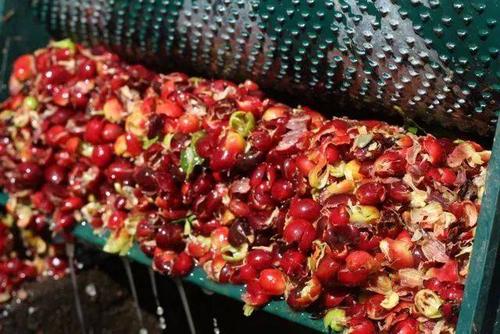
Bean selection, pulp removal, fermentation, washing, drying, hulling.
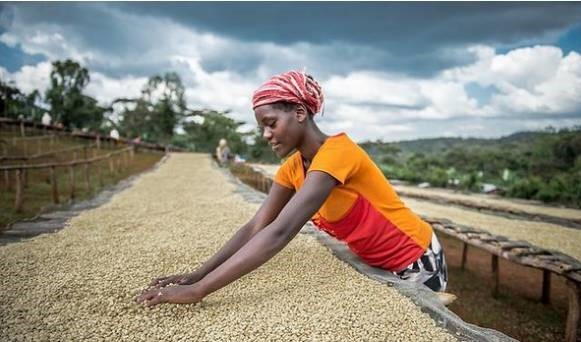
The cherries are first floated in a large volume of water so that immature fruit and impurities can be skimmed off the surface. A depulper then removes the skin and pulp. The beans go into fermentation tanks for 18-36 hours, where fermentation bacteria dissolve the mucilage on the surface. After a clean-water rinse, they are sun-dried for one to three weeks and then machine-dried. Finally a huller removes the parchment, hull, seed coat, and silver skin - a long and painstaking sequence.
Ecuadorian Coffee Flavor Characteristics
Ecuadorian coffee shows the classic South American profile: balanced, lower in acidity, aromatic, and not obviously bitter, with a crisp taste and a lingering aftertaste that stays with you. Through that gentle aroma you can almost sense the ancient, mysterious Inca Empire. Coffee is itself a long history that has to be sipped slowly to be understood. A superior environment shapes the crisp character of the cup, while the passion of the farmers gives it life. Drink more coffee and you will begin to taste the local flavor and human culture in it.
FrontStreet Coffee Brewing Suggestions:
Whatever you brew, freshness matters more than anything. FrontStreet Coffee has always held that bean freshness has an enormous effect on flavor, so every order ships within 5 days of roasting. The roasting philosophy is "Freshly roasted good coffee," ensuring that customers receive the freshest possible coffee. The resting period is about 4-7 days, which means the coffee arrives just as it reaches its best.
For anyone who needs ground coffee, a word of caution: pre-ground coffee needs no further resting, because the pressure of carbon dioxide inside the package during shipping also rounds out the flavor, so it can be brewed the moment it arrives. Ground coffee does, however, need to be used promptly. Once in contact with air it oxidizes quickly, the flavor dissipates, and the cup suffers. FrontStreet Coffee therefore suggests buying whole beans and grinding fresh before brewing.
FrontStreet Coffee Recommendation
Sidra is Ecuador's most exciting recent contribution to specialty coffee, and FrontStreet Colombia Sidra from Finca La Divisa is a good way to taste why. Sidra's roots run back to Pichincha Province in Ecuador, where growers called it Sydra; genetic comparison later showed a close relationship to Ethiopian landraces, suggesting an experimental Ethiopian variety crossed with a local Bourbon. In 2022, world barista champion Anthony Douglas competed with La Divisa's Sidra, and the variety has been in the spotlight ever since. Roasted medium-light, FrontStreet's Sidra shows floral notes, tropical fruit, grape, dried fruit, and passion fruit, with a juice-like texture.
If you like the balance that makes Ecuadorian coffee so easy to drink, FrontStreet Brazil Queen Estate is a fine everyday companion. Its Yellow Bourbon mutation gives a cleaner fruit character, and the medium roast delivers cream, peanut, toast, and sugarcane sweetness with low acidity - equally at home as pour-over, moka pot, or espresso. For something more extravagant, FrontStreet Panama Red Label Geisha brings the classic Esmeralda profile: layered jasmine, citrus, peach, and complex fruit acidity, a creamy body, and an oolong-tea sweetness in the finish.
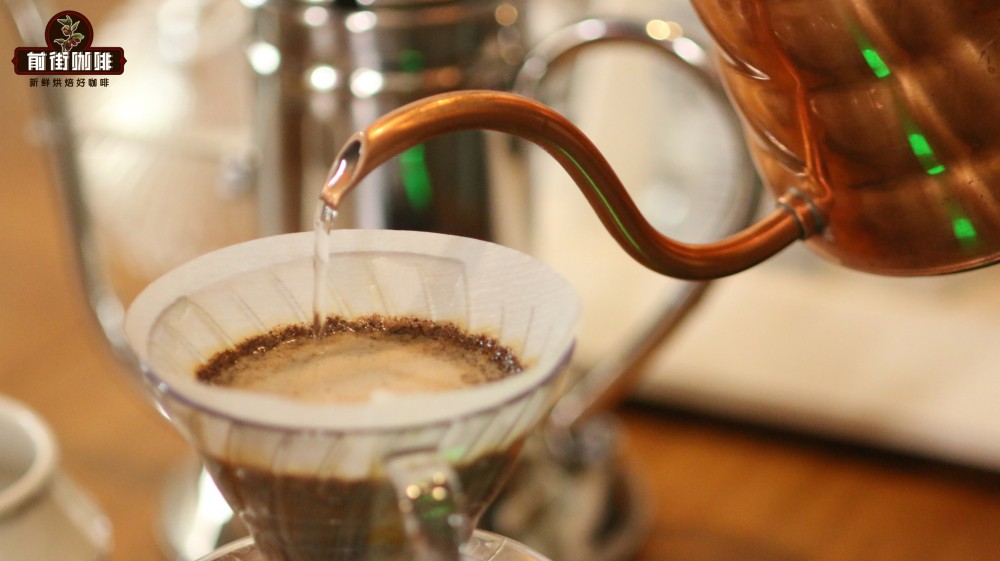
For brewing, start with a 1:15 ratio, water at 90-91°C, and a medium grind. A V60 with a slow, steady three-stage pour keeps the fruit aromatics intact, while a coarser grind and slightly lower temperature will tame the acidity if you prefer a rounder cup.
Important Notice :
FrontStreet Coffee is a long-established specialty coffee roaster in Guangzhou China, selling freshly roasted beans from its own farm in Yunnan as well as dozens of carefully selected single-origin beans from around the world for both pour-over and espresso. The products deliver consistently excellent quality and great value, with shipping within 24 hours. Guangzhou's FrontStreet Coffee shop is recommended by many coffee lovers, and the beans are now available online at the Tmall 。
FrontStreet Coffee has moved to a new address:
FrontStreet Coffee Address: 315,Donghua East Road,GuangZhou
Tel:020 38364473
 Scan and follow the En Gafei WeChat official account. Please indicate that the reprint comes from "En Gafei".