Are Arabica Coffee Beans Black Coffee? What Type of Coffee is Best Suited for Premium Single-Origin Beans?
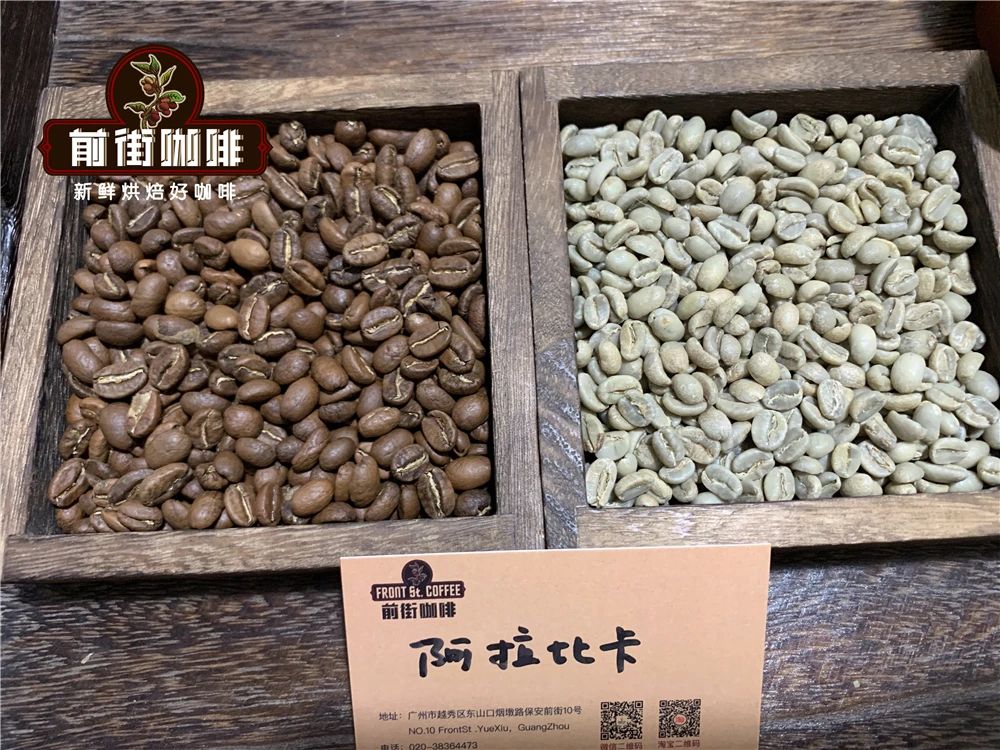
We've all seen the ads — on TV, in coffee shops, or at convenience stores — boasting "100% Arabica Coffee Beans." Many people wonder: what exactly are Arabica beans? And is Arabica the same thing as black coffee? FrontStreet Coffee answers all of it here.
What are Arabica coffee beans?
There are three main species of coffee in the world, but only two carry real commercial value and are widely cultivated: Arabica and Robusta.
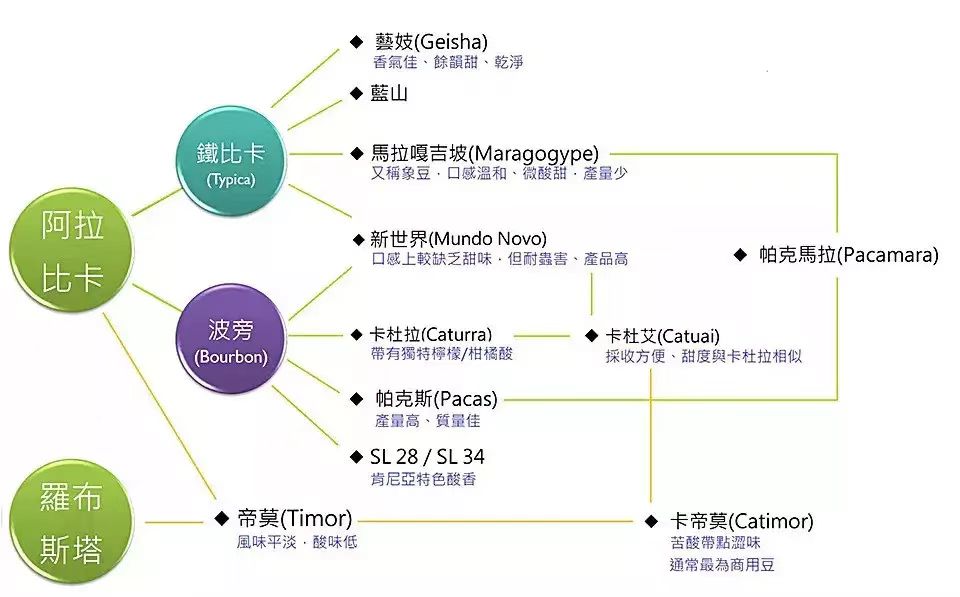
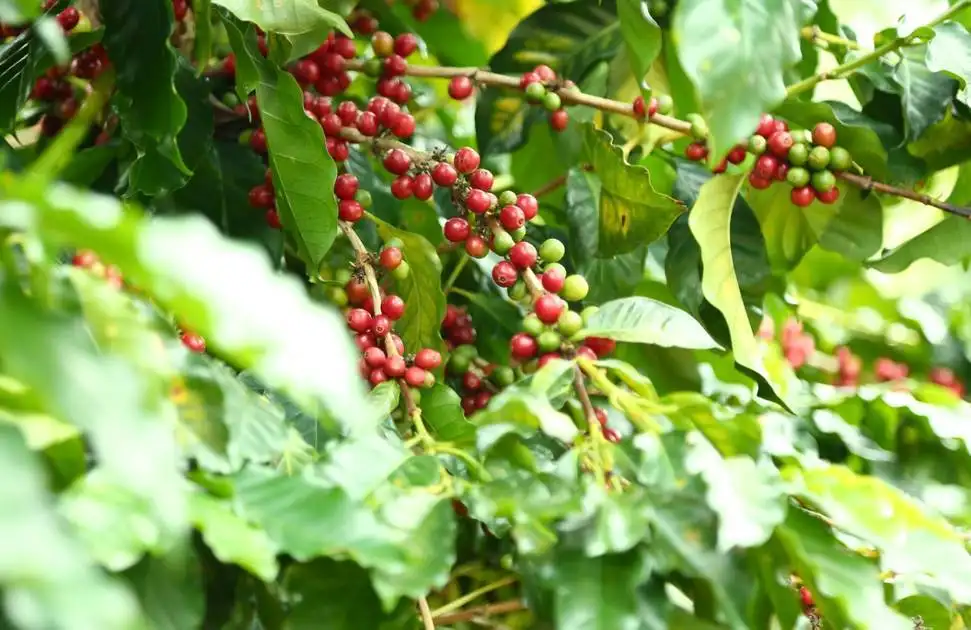
Arabica is the representative variety originating from Ethiopia, accounting for 70-75% of the world's coffee production. Its cultivation demands very strict conditions and high soil quality. Arabica needs to grow at altitudes of 800-2200 meters in frost-free highlands. The higher the altitude, the greater the temperature difference, which slows cherry maturation and gives the beans more time to accumulate flavor and develop fuller aroma. The microclimates of the various coffee regions provide diverse growing conditions, creating Arabica's unique flavor profiles.
Arabica has lower caffeine content, roughly 0.9% to 1.2%; it contains 60% more fat than Robusta and twice the sugar content. That's why Arabica tastes sweeter and smoother, with a hint of fruity acidity. Most coffee served in shops comes from Arabica beans — their rich aroma and diverse flavors suit every extraction method, including espresso, pour-over, and cold brew.
What are specialty coffee and single origin coffee?
Specialty Coffee has a widely accepted definition proposed by Ms. Erna Knutsen in 1974: specialty coffee is "coffee beans with unique flavors cultivated under special climatic and geographical conditions." This definition clearly distinguishes specialty beans from bulk commercial-grade coffee.

As the industry and market have developed, high-quality beans now carry more detailed classifications and ratings, and consumers can trace the coffee back to its origin. Such rare coffee demands strict cultivation, management, selection, and grading, and after roasting it presents positive, rich aromas. Roasters typically choose lighter roast levels to maximize the flavor layers of specialty beans. To market their products as high quality and set them apart from commercial coffee, many businesses put the word "specialty" in their advertising and packaging.
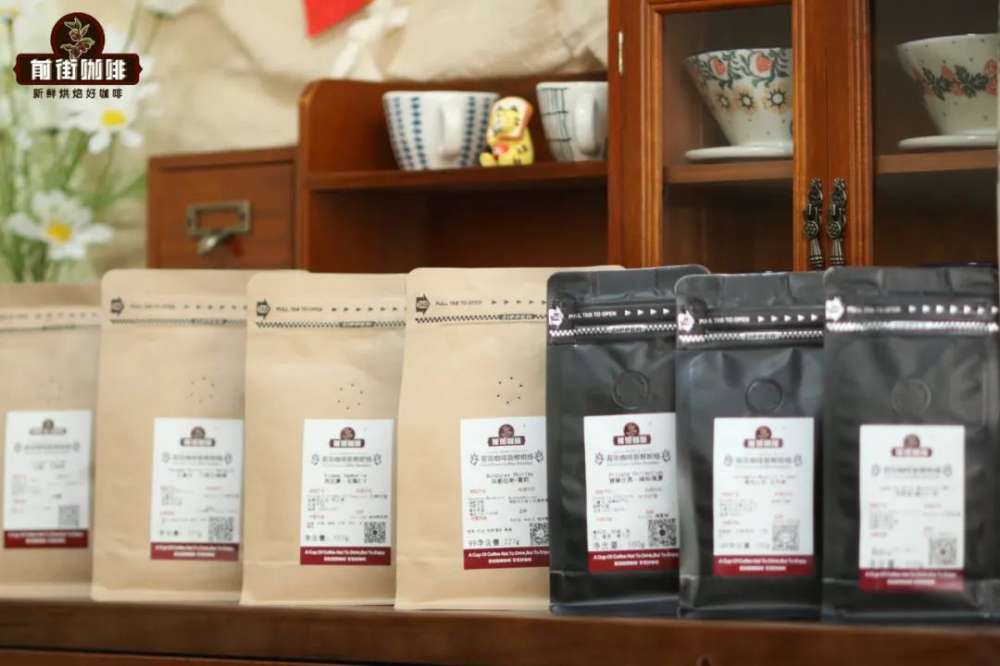
"Single Origin Coffee" refers to coffee from a single producing region — where "region" can be a country, area, cooperative, estate, or farm. Coffee harvested from one batch all counts as single origin. The concept grew out of specialty coffee with the aim of emphasizing regional flavors, so single origin coffee is a type of specialty coffee. It is often served as pour-over in coffee shops, like the various pour-over beans on FrontStreet Coffee's bean list. In recent years the concept has become increasingly popular, with more single origins applied to espresso extraction.
FrontStreet Coffee believes "specialty coffee" and "single origin coffee" are two different concepts — single origin does not equal specialty. Single origin means beans from a single, traceable region, but not necessarily high quality. Specialty coffee emphasizes high quality and positive flavor expression, regardless of the origin components of the green beans.

Specialty coffee beans recommended for beginners
FrontStreet Coffee keeps a high-value daily bean series on its shelf, covering 7 excellent classic coffee regions and multiple highly representative regions, varieties, and processing methods. Daily beans, as the name suggests, are affordable for everyday drinking, with both price and flavor very approachable. FrontStreet Coffee has chosen several "representative examples" to help you recognize the baseline flavor profiles of the major origins: washed Yirgacheffe from Ethiopia, washed Huehuetenango from Guatemala, washed Huila from Colombia, semi-washed Cerrado from Brazil, washed Tarrazú from Costa Rica, wet-hulled Mandheling from Indonesia, and washed Baoshan from Yunnan, China.

Every one of them suits pour-over, cold brew, French press, and more. If you want coffee's most original aroma, black coffee is the best form — which is also the answer to the question in the title: Arabica describes the bean, black coffee describes the drink, and premium single-origin Arabica shows best served black. Whatever the method, FrontStreet Coffee believes freshness is critical: the aroma of beans roasted more than two months ago has likely dissipated, and even excellent technique can't restore it in the cup. To keep everyone within the best tasting window, FrontStreet Coffee only ships beans roasted within the last 5 days, so you can brew as soon as they arrive.
FrontStreet Coffee Recommendation
When it comes to premium single-origin Arabica, Ethiopia is the treasure land where it all began — the origin of coffee itself, home to countless native varieties. To taste its classic expression, start with FrontStreet Coffee's Washed Yirgacheffe: a small town in southern Ethiopia with spring-like weather year-round, cool, humid, and misty, where thousands of coffee trees thrive. The cup is jasmine florals interwoven with bright citrus acidity — light, elegant, tea-like, like a clean refreshing lemon tea.
For a fruit-forward step up, FrontStreet Coffee's natural-process Blossom (Huakui) comes from the Hambella region of Guji, Sidamo, on a 200-hectare farm using traditional sun-drying. The cherries dry for 21 days on raised beds, turned constantly for even moisture loss, with defective beans hand-sorted every 3-5 days. Dried with the pulp and skin intact, a medium-light roast reveals light fermented wine notes, florals, citrus, and mango — richer and more complex, with honey sweetness, a cocoa tone, and a hint of spice, full-bodied with a long finish.
And if you want the wilder side of Ethiopia, FrontStreet Coffee's Kafa Forest coffee grows wild under shade at 1400-2100 meters on red soil with abundant rain. Medium-light roasted, it offers distinct white florals in the grind, bright lemon acidity with sweet orange and bergamot, and a green-tea-like finish with faint melon and nut notes.
Important Notice :
FrontStreet Coffee is a long-established specialty coffee roaster in Guangzhou China, selling freshly roasted beans from its own farm in Yunnan as well as dozens of carefully selected single-origin beans from around the world for both pour-over and espresso. The products deliver consistently excellent quality and great value, with shipping within 24 hours. Guangzhou's FrontStreet Coffee shop is recommended by many coffee lovers, and the beans are now available online at the Tmall 。
FrontStreet Coffee has moved to a new address:
FrontStreet Coffee Address: 315,Donghua East Road,GuangZhou
Tel:020 38364473
 Scan and follow the En Gafei WeChat official account. Please indicate that the reprint comes from "En Gafei".