Nicaragua Mamamina Estate Natural Pacamara Pour-Over Coffee Water-to-Coffee Ratio
Understanding the Washed Processing Method
The washed method, as the name suggests, is a processing approach built around water. To be precise about what sets it apart, it helps to look at the structure of the coffee cherry itself. The traditional washed sequence runs: flotation, depulping, fermentation to remove the mucilage, washing or soaking, and finally drying.
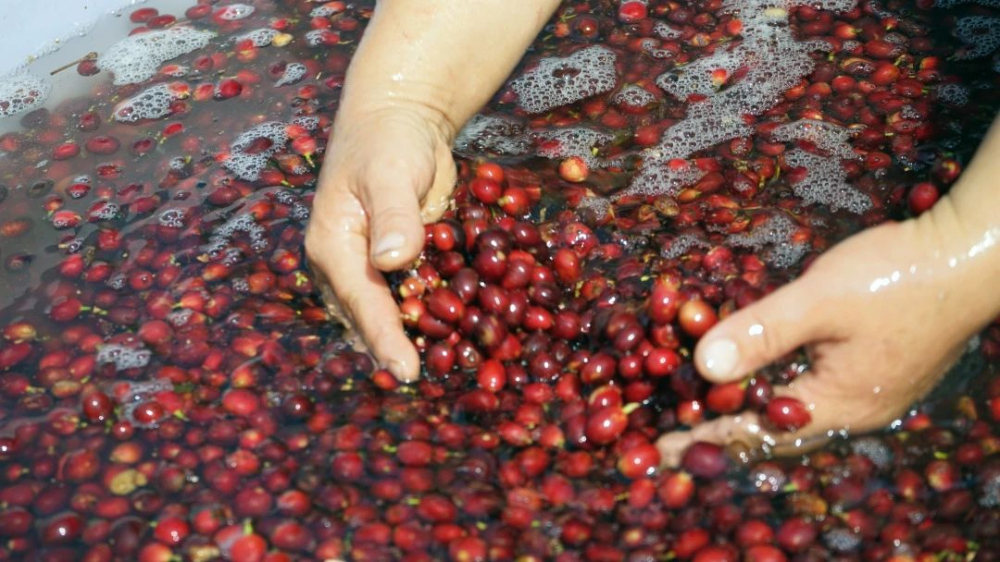
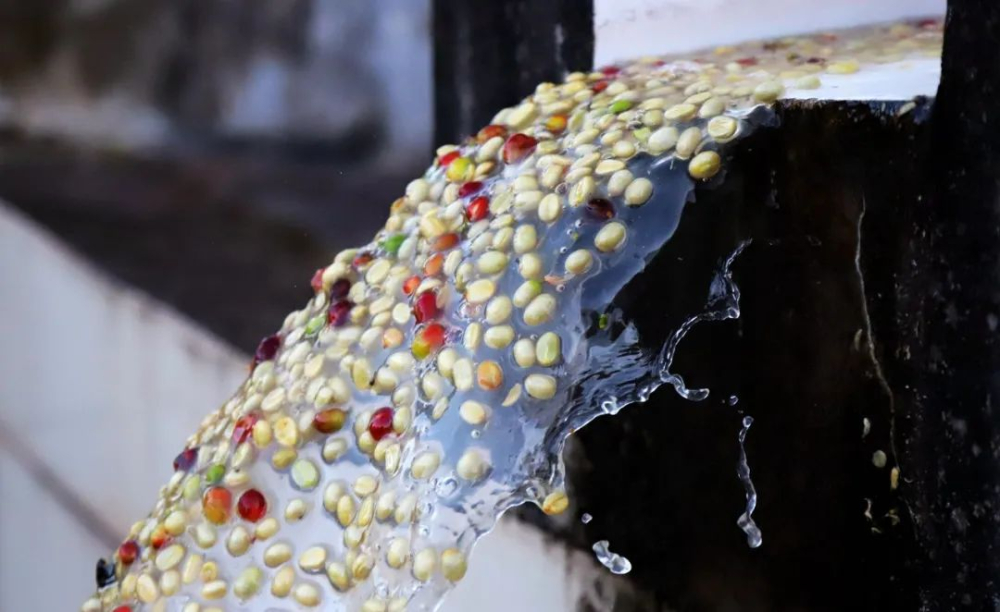
In producing regions, cherries are rushed to the washing station as soon as possible after harvest. From the moment they arrive, the cherries meet water — first in a flotation step. Fully mature cherries, having developed complete density and weight, sink; underdeveloped or less dense cherries float. Workers skim off these unqualified defects, which is the first way washed processing refines quality beyond traditional sun-drying.
The sorted cherries then go into a depulper, which strips away the skin and pulp while the sticky mucilage layer remains on the beans. Removing that layer is the heart of washed processing. The standard approach is microbial decomposition — in other words, fermentation.
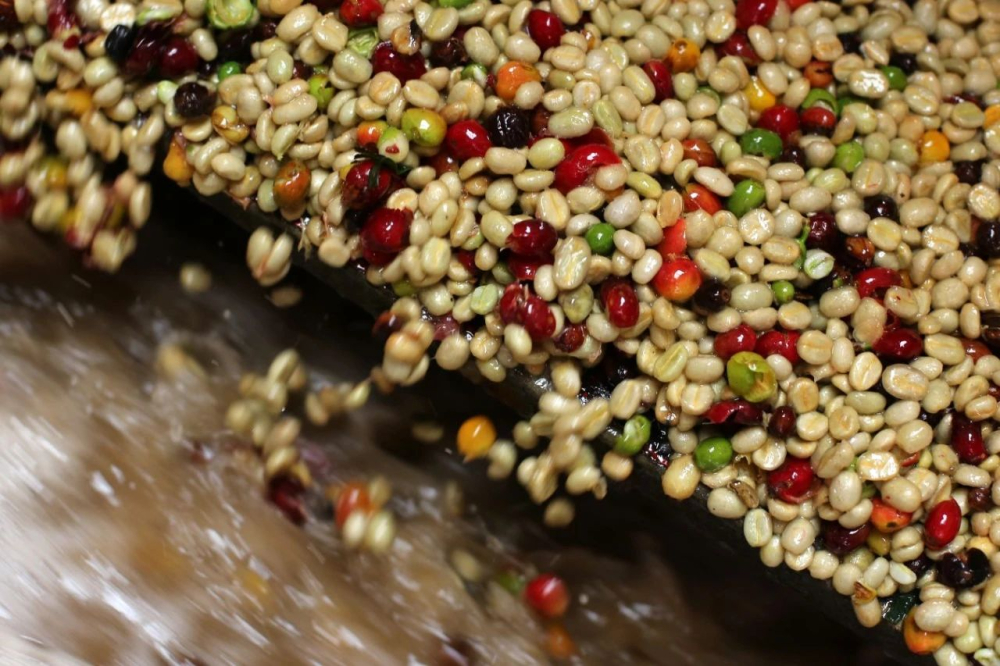
The mucilage-coated beans ferment for 18 to 36 hours, with the exact duration depending on the volume of coffee and the ambient temperature. Workers can rub the beans by hand to check whether sticky mucilage still clings to them. Traditionally, the purpose of this fermentation was simply to remove mucilage — unlike today, when producers often pursue fermentation byproducts to shape the coffee's flavor expression.
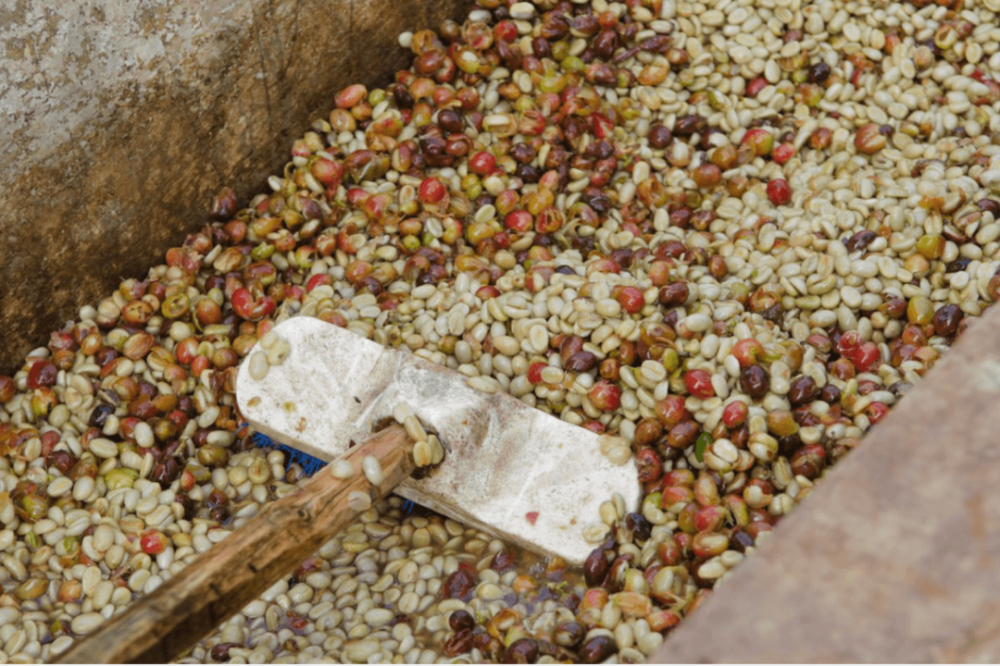
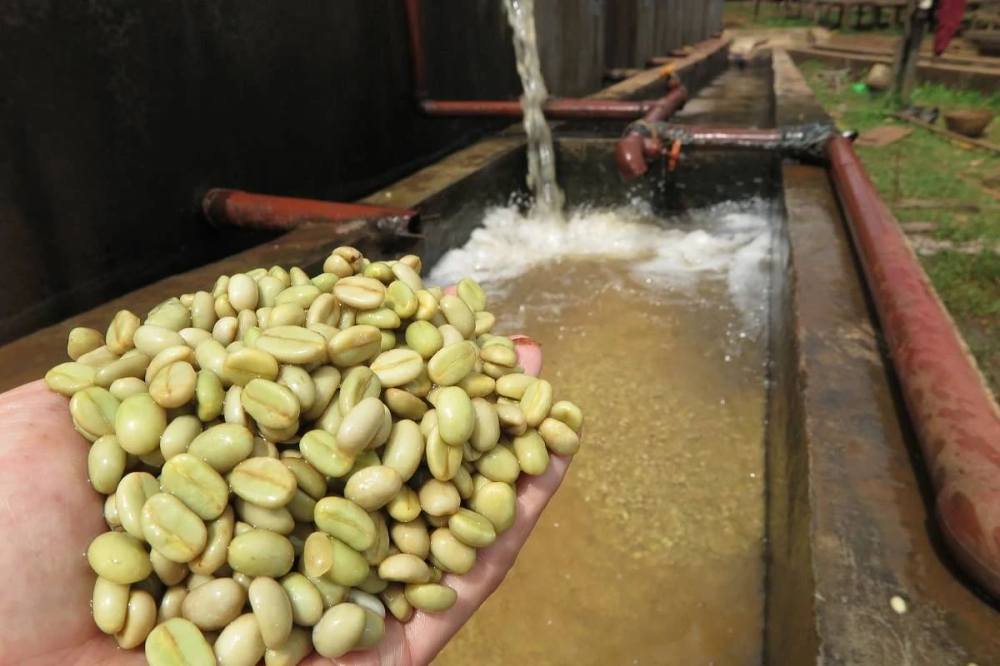
Once fermentation is complete, the beans are washed in clean water. After the decomposed mucilage is rinsed away, they head to the drying beds; sun-drying takes about two weeks. Washed processing's key advantage over natural and other methods is that most of the fruit structure is removed beforehand, so the moisture content starts lower and drying is significantly shorter. That reduces the risk of defective flavors developing during drying — one reason washed coffee tastes cleaner than natural coffee. After drying, the beans are stored in parchment until it is milled off just before export.
The Advantages of Washed Processing
Regions using the washed method must build washing channels and secure a continuous supply of fresh water, which raises production costs. During processing, the fermented beans are moved back and forth in the channel, the friction between beans and the push of flowing water scrubbing them until smooth and clean. Every step removes impurities and defective beans, so the green coffee is more uniform — and it commands a higher trading price than natural coffee.
Washed processing not only cuts the defect rate dramatically and stabilizes green coffee quality; it also preserves the beans' intrinsic flavors, yielding a cleaner cup that expresses the terroir of the region more faithfully. That's why most of the coffees in FrontStreet Coffee's Daily Beans series are washed — the goal is to let you taste the true character of each origin.
FrontStreet Coffee's Daily Bean Selection
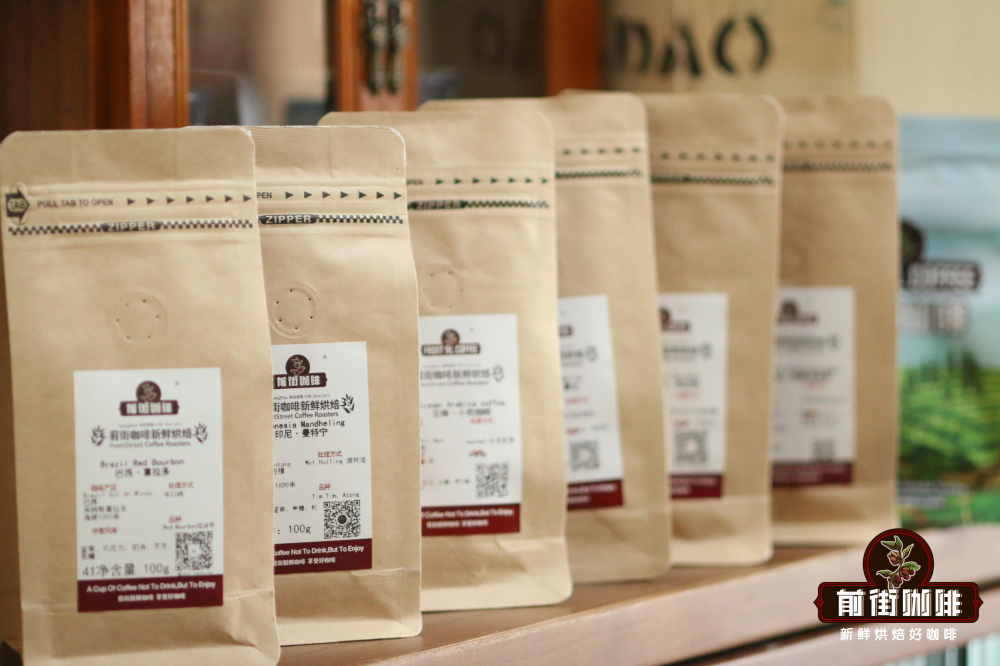
FrontStreet Coffee's Daily Beans series gathers 7 classic origins, covering highly representative regions, varieties, and processing methods: washed Yirgacheffe from Ethiopia, washed Huehuetenango from Guatemala, washed Huila from Colombia, pulped natural Cerrado from Brazil, washed Tarrazu from Costa Rica, wet-hulled Lintong Mandheling from Indonesia, and washed Baoshan from Yunnan, China. It lets you taste regional flavor profiles at friendly prices and discover your own preferences along the way — the best value-for-money coffee series FrontStreet Coffee offers.
FrontStreet Coffee Recommendation
If the washed method's clean, origin-true character appeals to you, start with FrontStreet Coffee's washed Ethiopia Yirgacheffe Guodingding. From the Guodingding cooperative in the Worka area at the southeastern tip of Yirgacheffe, it follows the most traditional washed craft and has been called the last unspoiled corner of Yirgacheffe: no conventional bitterness, just fresh, bright citrus and lemon acidity wrapped in jasmine florals, with green-tea and honey tones after a medium-light roast. It shines as pour-over, cold brew, or even espresso.
Prefer to compare washed coffees side by side? FrontStreet Coffee's Kenya Cherry Tomato shows what Kenya's signature double-washed fermentation can do — vivid cherry tomato and dried dark plum acidity with a full, juice-like texture, layered with snow pear, black plum, yellow sugar, and a clean green-tea finish. Tasting these washed lots back to back is the fastest way to understand why clean, terroir-driven coffee earns its premium.
Important Notice :
FrontStreet Coffee is a long-established specialty coffee roaster in Guangzhou China, selling freshly roasted beans from its own farm in Yunnan as well as dozens of carefully selected single-origin beans from around the world for both pour-over and espresso. The products deliver consistently excellent quality and great value, with shipping within 24 hours. Guangzhou's FrontStreet Coffee shop is recommended by many coffee lovers, and the beans are now available online at the Tmall 。
FrontStreet Coffee has moved to a new address:
FrontStreet Coffee Address: 315,Donghua East Road,GuangZhou
Tel:020 38364473
 Scan and follow the En Gafei WeChat official account. Please indicate that the reprint comes from "En Gafei".