How to Make a SOE Coffee? Differences, Characteristics, and Flavor Profiles Between SOE and Blended Beans
SOE is a term you have probably seen in coffee shops a lot in recent years. So what exactly is SOE? And when you suddenly crave one, how do you make a satisfying SOE at home?
What is SOE?
SOE stands for "Single Origin Espresso," which means espresso pulled from a single origin. The concept exists in contrast to blended espresso. Put simply, SOE is an umbrella term for espresso made from roasted beans of one producing region. It says nothing definitive about the green bean variety, the roast profile, or the extraction recipe, and it does not guarantee bean quality. Espresso is just one method of extraction, and it certainly does not promise a good cup!
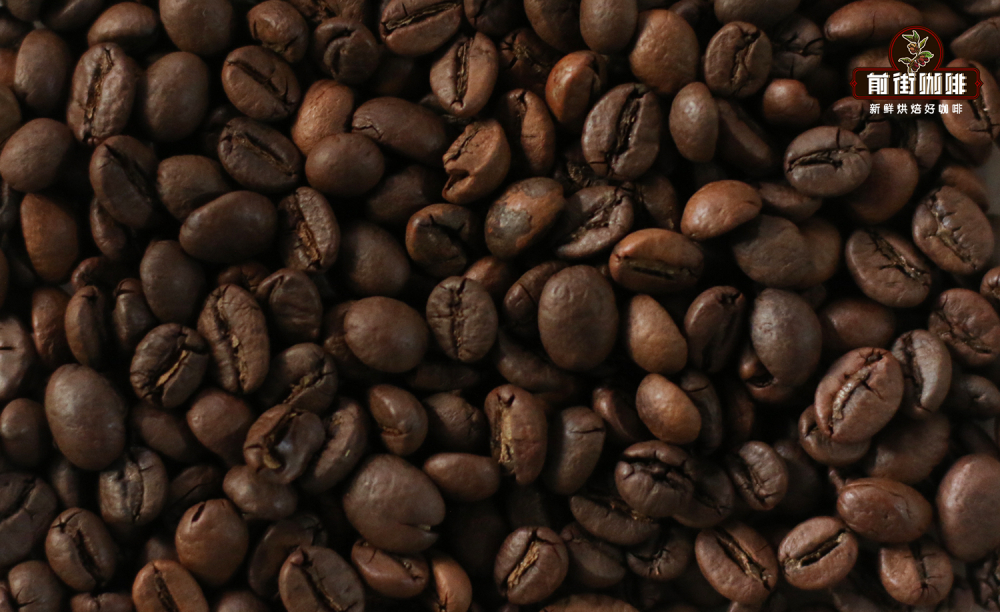
Because espresso magnifies everything in the coffee, good or bad, and single-origin coffee comes from just one region, its flaws are easy to amplify as well. Roasting and grind size both shape the flavor, so pulling a good SOE demands skill on several fronts. In this respect, blended coffee beans tend to perform more consistently.
These days, overall bean quality has improved, and more and more cafes use SOE beans as a selling point. To let customers taste the difference between SOE and a standard blend, the beans need to be not only high quality but also roasted lighter. That way the cup is no longer burnt and bitter, but carries some sweet-and-sour notes.
Does Light-Roasted SOE Taste Too Acidic?
In the past, many theories claimed that light-roasted beans were not suited to espresso, that they would taste too acidic and unpleasant. It is true that espresso from light-roasted beans is more acidic than from dark-roasted beans; that comes down to the properties of roast degree. Another factor is that espresso recipes tend to be fixed. In pour-over coffee, different brewing parameters are already distinguished for light and dark roasts, but in espresso the standard method is still used for extraction, so sharp acidity is a reasonable outcome. If you want to pull espresso with good flavor, you need a clear approach.
Clarify Your Purpose
One point many people overlook is what the espresso is actually for: drinking straight, diluting with water, or adding milk. That choice shapes the entire extraction plan. For example, for drinking straight the espresso should be softer; for diluting with water the flavor needs to be more complete; and for adding milk the espresso needs to be stronger.
(Why don't dark-roasted coffee beans need this kind of attention? They do, but often a single parameter covers all three drinks, so there is no need to create two or three recipes. That is why medium-dark beans are recommended for espresso: they are hassle-free.)
Apply the Extraction Formula
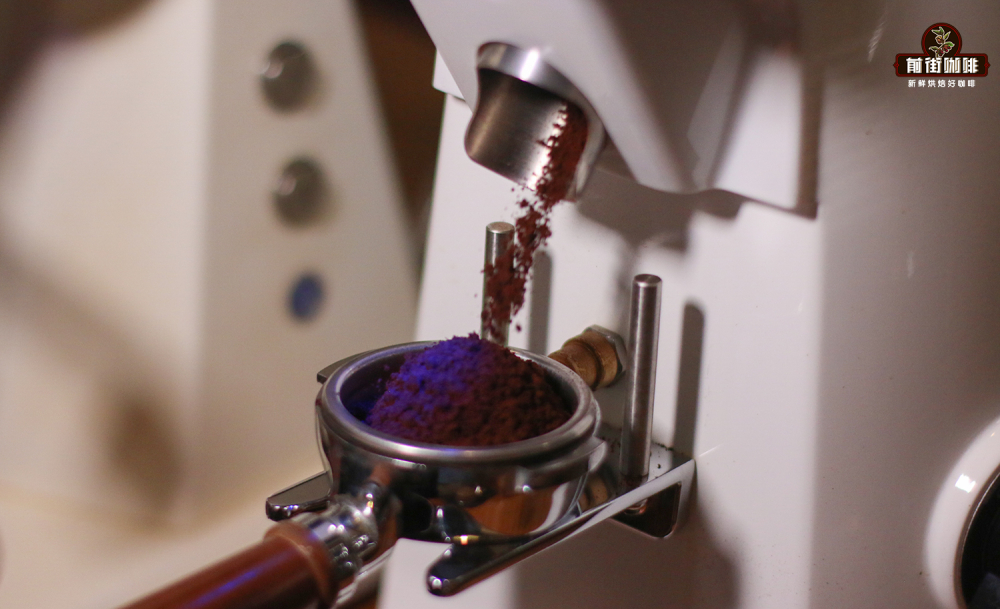
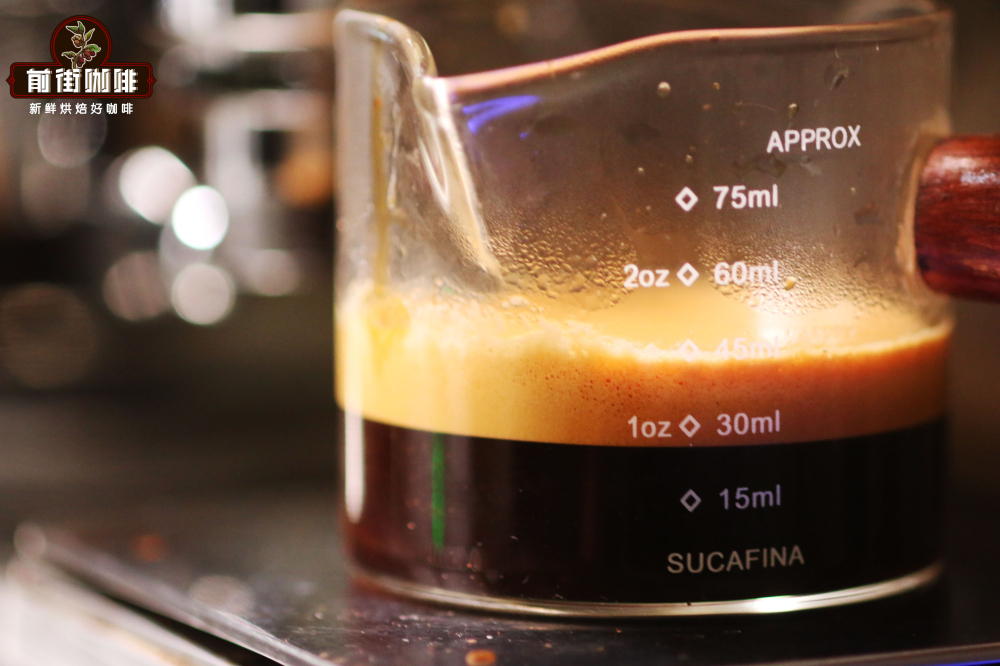
Start by using the standard formula as usual when dialing in grind size: a 1:2 coffee-to-liquid ratio and a 25-30 second shot. Using this formula first is mainly to establish a grind size. Even if you fine-tune it later, you won't be far off.
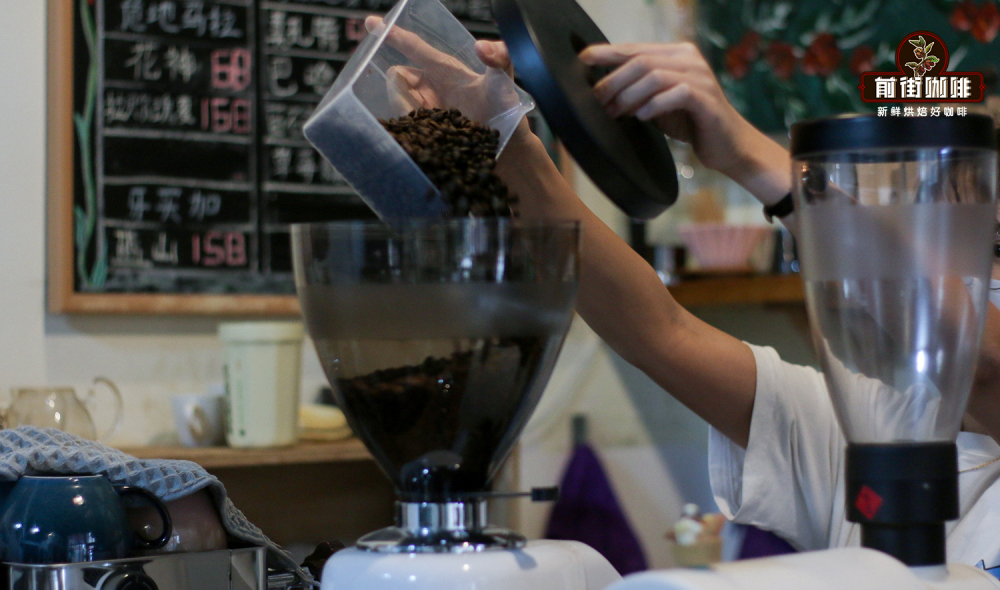
(If you normally use medium-dark espresso beans, then a light-roasted SOE will basically require a finer grind setting. For example, FrontStreet Coffee's everyday Warm Sun Blend uses a grind setting of 2.1 with the same dose and time, while a light-roasted Kenya coffee uses a setting of 1.6. What is more, because roasting changes density, the same weight of light-roasted coffee powder takes up less volume than dark-roasted. So you also need to settle the final dose based on your portafilter capacity.)
Adjust According to Flavor and Purpose
Coffee extracted with the general formula should not have major grind or flow-rate problems. If flavor issues appear, target the specific problem.
For example, the most common complaint is that the shot is too acidic and the aftertaste too short. This is generally the easiest to fix. First, check whether the flow rate at this grind setting is reasonable; for instance, at which second does the first drop of coffee appear? If it is 4-5 seconds, you can go slightly finer; if it is 7-8 seconds, no adjustment is needed.
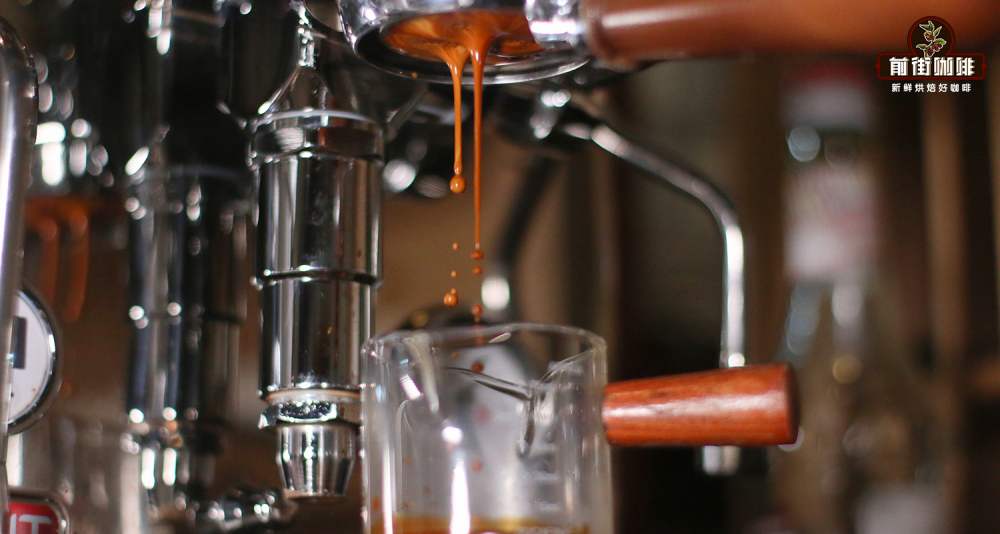
Next, extend the extraction yield, usually by 10-15g. That is because sharp acidity and a short aftertaste in the cup come mainly from a low extraction rate of the coffee beans. Increasing the yield makes the espresso taste less harsh and more balanced, and highlights the sweetness. This approach does make the coffee less concentrated, and it is generally suitable for drinking straight or diluting into an Americano. For example, FrontStreet Coffee's extraction parameters for Kenya coffee beans are 20.6g in, 55g out in 34 seconds. Drunk straight it gives a soft, berry-like sweetness; as an Americano it becomes full-bodied with solid plum and tomato acidity.
For milk coffee, mostly adjust the grind finer to compensate for the low extraction rate. Later adjustments should not be constrained by the formula's numbers. Even if the extraction runs past 30 seconds, if the resulting milk coffee tastes good, that is acceptable. This solves the problem of insufficient coffee flavor in SOE milk drinks. If the milk coffee has acidic astringency, you still need to extend the extraction yield to fix it.
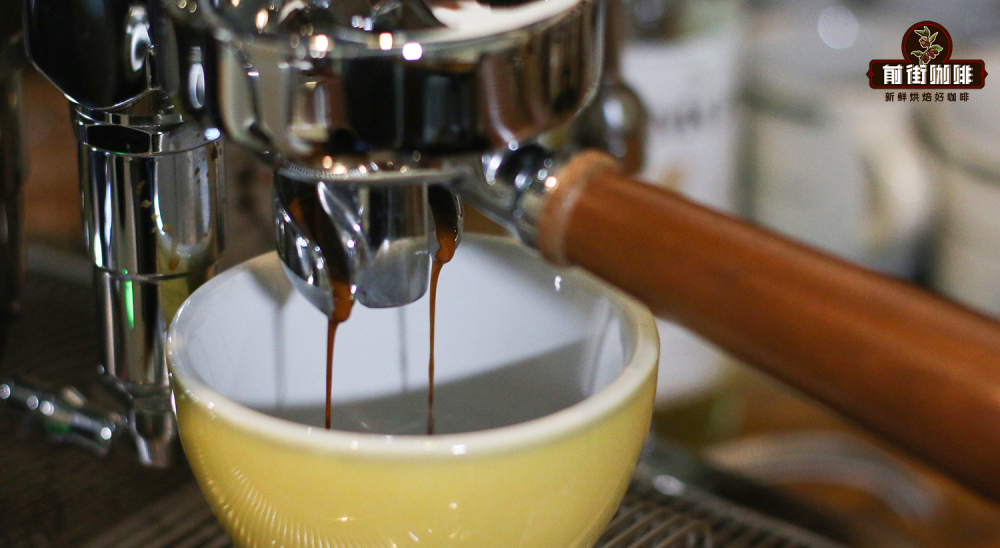
The second common problem is that the shot has unpleasant flavors, such as grassy, almond, or burnt-bitter notes. It is best to use the "divide into three" method to locate the issue. Suppose the target yield is 40g; use three cups to separately catch the front, middle, and back sections of the coffee, about 13g each. Taste each one to see which section holds the off-flavors. If only the back section does, simply reduce the yield. If the first cup or all three do, you need to adjust the grind size.
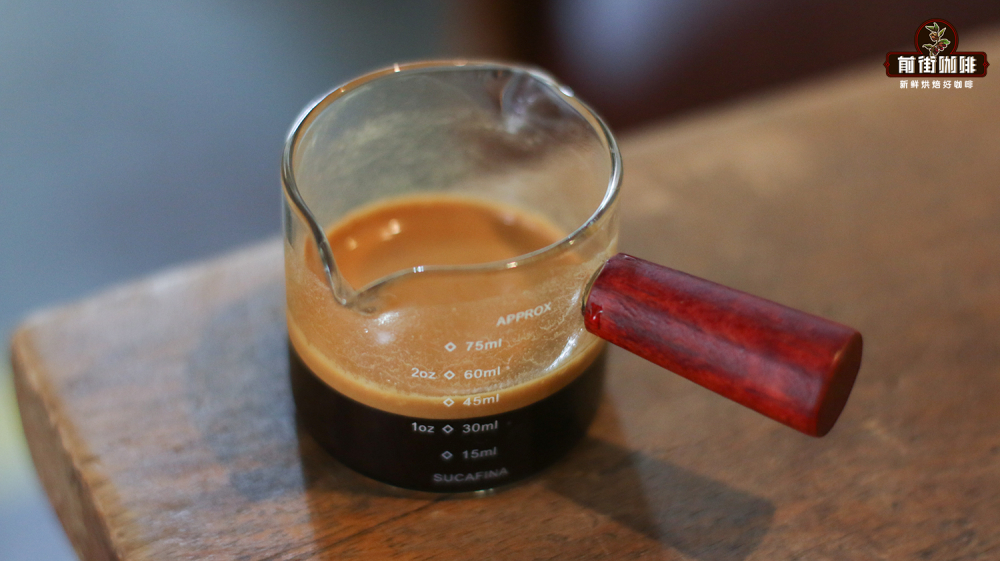
The third problem is a weak, flavorless shot. Many people have reported this to FrontStreet Coffee, and some patterns have emerged: most assume espresso grind size is a fixed value, so once one bean is dialed in, other coffee beans can use the same setting. That is actually not the case. So a weak or thin shot usually means the grind size is not accurate. Of course, if you want to compare the richness of a light-roasted SOE with traditional dark-roasted espresso beans, it really cannot compete.
FrontStreet Coffee Recommendation
If you want to practice pulling a satisfying SOE, FrontStreet Coffee's Huakui SOE is a forgiving place to start. This medium roast is built around plump fermented fruit notes and the rounded sweetness that natural processing gives, and as espresso it shows red berries, a light floral lift, and orange, with citrus-scented crema and a clean, elegant aroma. It shines both as a Huakui SOE Americano and as a Huakui SOE flat white, so it is easy to taste how the same shot changes with water or milk. If you prefer something softer and creamier, FrontStreet Coffee's Queen's Estate SOE from high-grown Brazil leans into nuts, cream, and peanut aromas, closing on a sweet chocolate finish with generous, glossy crema that holds up beautifully in milk drinks.
When you dial these in, start from the standard 1:2 ratio and 25-30 seconds, then adjust: for a straight shot aim for a softer, sweeter cup, and for milk go a touch finer and pull slightly longer if the coffee flavor feels thin. A lighter-roasted SOE, remember, needs a finer grind and less powder volume than your usual medium-dark beans. FrontStreet Coffee ships within 5 days of roasting, so you can begin dialing in while the beans are still fresh and aromatic.
Important Notice :
FrontStreet Coffee is a long-established specialty coffee roaster in Guangzhou China, selling freshly roasted beans from its own farm in Yunnan as well as dozens of carefully selected single-origin beans from around the world for both pour-over and espresso. The products deliver consistently excellent quality and great value, with shipping within 24 hours. Guangzhou's FrontStreet Coffee shop is recommended by many coffee lovers, and the beans are now available online at the Tmall 。
FrontStreet Coffee has moved to a new address:
FrontStreet Coffee Address: 315,Donghua East Road,GuangZhou
Tel:020 38364473
 Scan and follow the En Gafei WeChat official account. Please indicate that the reprint comes from "En Gafei".