
What Is Specialty Coffee and What Makes Coffee Beans qualify as Specialty Coffee Beans
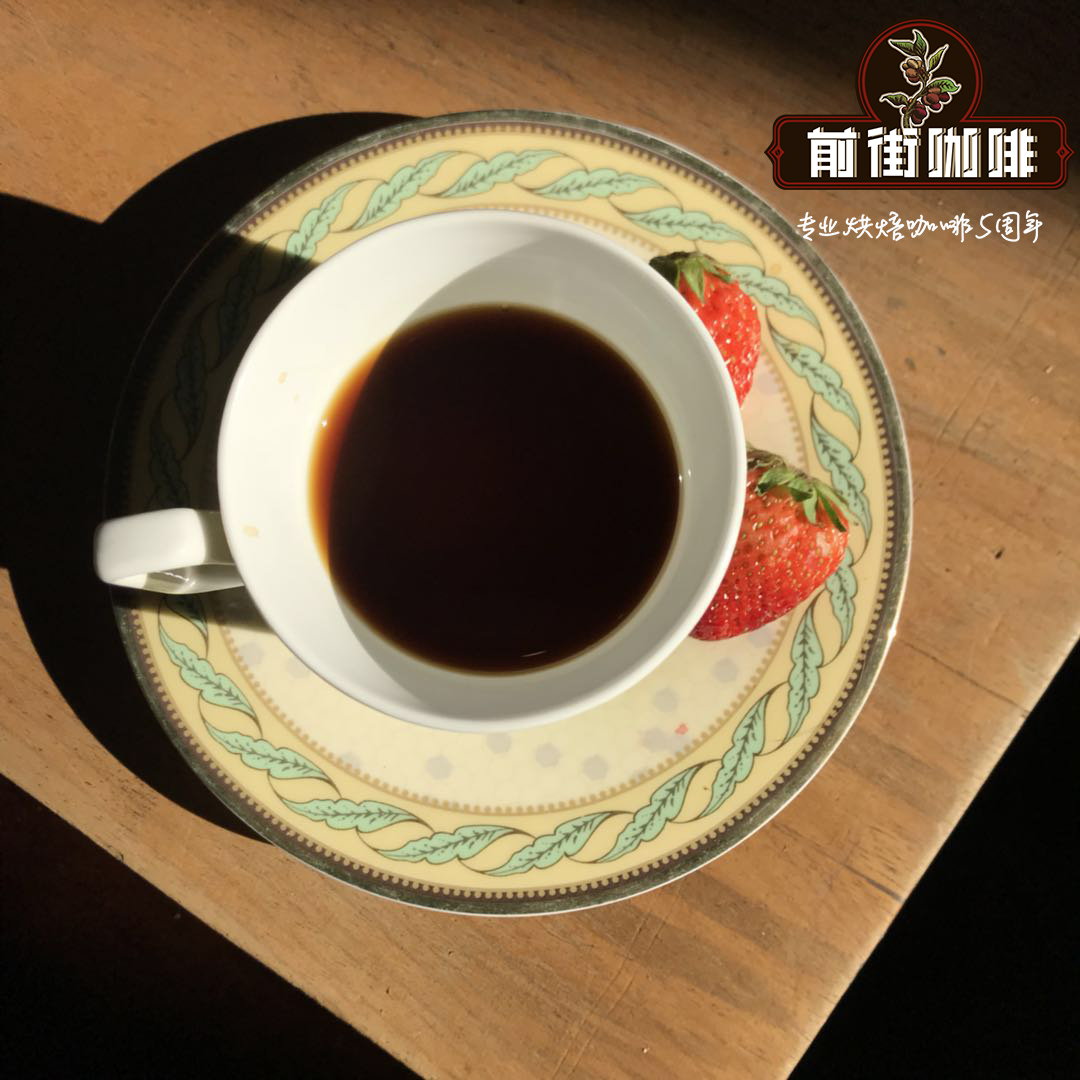
How to Choose Specialty Coffee Beans: First Look at Green Beans, Then Roasted Beans
Any international coffee company serious about quality puts enormous effort in before the beans ever reach the roaster. Cuppers hunt down premium sample lots for the coming season based on the taste profile they want, roast them, then cup to decide whether the roast needs adjusting. Only after layer upon layer of quality control — and confirming the cup matches their house style — do they commit. That is why the big players work so hard to lock in long-term supply relationships with large plantations that can deliver consistent quality year after year.
Major companies hire professional cuppers and sign long-term contracts with big farms. Smaller markets, where coffee consumption is still developing, simply don't have the purchasing volume to compete for those same lots.
In recent years, though, the ground has shifted. Small farms, backed by fair-trade channels and Cup of Excellence competitions, have given farmers a real incentive to chase quality scores, and many now produce outstanding specialty lots with careful attention to green-bean freshness and storage. Small roasters can go further still: buying fresh, diverse lots in small batches, roasting to order, and tailoring profiles to different customers — capturing the one advantage the giants still can't match: freshness.
How Are Coffee Beans Graded?
Why do coffee beans need to be graded at all?
There is no single universal grading standard. Grades exist to communicate quality and make trading practical, and many producing regions still transact by them today. The criteria vary: some systems grade by processing method (washed or natural), others by bean size, defect count, or growing altitude. Increasingly, single-origin bags also carry the specific farm or cooperative name, sometimes with the botanical variety. In practice, though, bean size and color remain the most common basis for classification.
Coffee Bean Grading Examples:
Kenyan Coffee Beans: Grades run AA, A, B, and C in descending order, plus a separate Peaberry (PB) category. PB beans are smaller, distinctive in flavor, extremely scarce, and usually command higher prices.
Indonesian and Ethiopian Coffee Beans: Both are graded by defect count. Indonesian beans fall into 6 levels, Gr1 through Gr6, while Ethiopian beans have 5. Gr1 and Gr2 are reserved for washed beans: Gr1 allows only 0-3 defective beans per 300g of green coffee, Gr2 allows 4-12. Natural lots are graded Gr3, Gr4, or Gr5.
Guatemalan Coffee Beans: SHB (Strictly Hard Bean): grown at 4500-5000 feet; HB (Hard Bean): 4000-4500 feet; SH (Semi-Hard Bean): 3500-4000 feet; GW: selected from below 2000 feet.
Costa Rican Coffee Beans: SHB (Strictly Hard Bean): grown at 3900-5400 feet; GHB (Good Hard Bean): 3300-3900 feet; HB (Hard Bean): 2600-3300 feet; LGA (Low Grown Altitude): 500-2000 feet.
Understanding these systems is the first step to reading a coffee bag the way a buyer does.
How to Choose Coffee Beans?
Good beans can be judged on freshness, purity, and appearance. Here is what to look for.
Freshness:
Bite one or two beans in half. A clean, crisp snap means the beans have stayed dry. Then smell: fresh beans should announce their aroma immediately.
Purity:
Check whether the beans are consistent in color, size, and shape. One caveat: modern Italian-style blends deliberately combine different beans to build a signature taste, so some variation there is normal. Also note that dark and medium roasts naturally develop surface oils — but oil on a light-roast bean is a sign it has gone stale.
Appearance:
Look for intact beans without breaks or chips. Beans with fine black fissures are generally the better pick.
The Steps for Selecting Good Coffee:
Step 1: Choose Fresh and Delicious Beans
- Buy from specialty shops or small roasteries that roast daily — that is where fresh beans live.
- Check how the store stores them. Beans sitting in sunlight or dirty containers are a red flag. Roasted coffee oxidizes quickly: exposure to air turns the oils rancid, strips aromatic compounds, and heat, humidity, and sunlight all accelerate the decline. Properly stored beans sit somewhere cool in containers fitted with one-way valves.
- Reputable shops and small roasteries stand behind their products and roast methods — and you can pick up a lot of coffee knowledge just by talking to them.
Step 2: Purchase a Month's Supply at a Time
With freshly roasted beans, buy small and buy often. Beans that sit around too long lose their character. A half-jin (about 230 grams) at a time is just right.
Step 3: Proper Refrigeration to Preserve Coffee Bean Flavor
At room temperature, roasted beans keep for roughly 2-3 weeks at most, sealed away from air as much as possible. For storage beyond 3 weeks, move them to the freezer — but always in airtight containers or multiple layers of bags, or they will absorb odors from the fridge. Even then, the best experience still comes from drinking beans soon after purchase.
Coffee Bean Composition Analysis
| Moisture | Fat | Sugar | Essence | Protein | Caffeine | Tannic Acid | Minerals | Crude Fiber | |
|---|---|---|---|---|---|---|---|---|---|
| Green Beans | 11.3 | 11.7 | 8.0 | 17.1 | 11.8 | 1.3 | 6.0 | 4.2 | 28.6 |
| Roasted Beans | 2.5 | 13.2 | 1.8 | 29.6 | 12.8 | 1.3 | 4.0 | 5.2 | 29.6 |
Fat:
Coffee fats come in many forms, the most important being acidic fats and volatile fats. Acidic fats carry the acids, whose strength varies by variety. Volatile fats are the engine of coffee aroma, releasing roughly forty distinct aromatic substances — an extraordinarily complex and delicate component.
Sugar:
Green coffee contains about 8% sugar, most of which caramelizes during roasting and gives coffee its characteristic brown color.
Essence:
Several types in total, making up nearly one-third of the roasted bean.
Caffeine:
The most famous component of all, with wide-ranging effects on the brain, heart, blood vessels, gastrointestinal tract, muscles, and kidneys. In moderate amounts it stimulates the cerebral cortex, sharpening perception, judgment, memory, and mood; it makes the heart muscle more active, dilates blood vessels, improves circulation and metabolism, relieves muscle fatigue, and promotes digestive secretion. It also supports kidney function, helping the body flush excess sodium. Thanks to this diuretic effect — and unlike other stimulants that accumulate — caffeine is typically cleared from the body within about two hours.
Tannic Acid:
After refinement, tannic acid becomes a pale yellow powder that dissolves easily in water. Once boiled it breaks down into pyrogallic acid, which degrades the taste of coffee.
Minerals:
Lime, iron, sulfur, phosphorus, sodium carbonate, chlorine, and more. Their share is small enough that they barely shape flavor, contributing only a slight astringency.
Crude Fiber:
The fiber in green beans carbonizes during roasting; together with caramelized sugars it forms coffee's color, and the quality of the powdered fiber noticeably affects flavor.
How to Taste Coffee
There is no single correct way to drink coffee — straight black, sweetened, with milk; in parts of Africa and the Arab world people even spice it with cinnamon. Those unused to bitterness lean on sugar and milk, but a cup of pure black coffee is how you actually taste the bean, and it remains the connoisseur's measure. However you drink it, a little etiquette and method go a long way.
Steps:
When the cup arrives, don't rush. Treat coffee like tea or wine: ease into it, and let it relax and refresh you.
- Smell: Take in the aroma rising from the cup first.
- Observe Color: Good coffee shows a deep brown, not an opaque pitch black.
- Taste: Start with a sip of black coffee to read the pure flavor. Coffee should carry some sweetness, slight bitterness, and slight acidity without astringency. Then sip slowly rather than swallowing in one gulp — hold it briefly, let it mix with saliva and air, then swallow.
Temperature:
The ideal drinking range is 85-88°C. Regular coffee's texture isn't very stable, so drink it hot, and preheat the cup to keep the flavor from collapsing. The ideal curve runs 83°C at the moment of brewing, 80°C poured into the cup, and 61-62°C at the lips.
Drinking while hot is basic etiquette — and if the coffee is truly good, cooling costs it only a little aroma while the taste holds steady or even improves.
Flavor:
Beans carry about 5-8% sugar, most of it converted to caramel during roasting — the wellspring of both aroma and bitterness. The unconverted remainder lends a faint sweetness, and tannic acid released in the roast pairs with caramel for a bittersweet note. That is why we perceive coffee as bitter, acidic, sweet, aromatic, and faintly astringent all at once.
Appropriate Amount:
Coffee is not alcohol or juice; a brimming cup can be intimidating. Seven or eight-tenths full is right — enough to wake the taste buds without weighing you down, leaving a pleasant finish and a gently refreshed mind. Coffee varies in strength, so unlike tea or cola you shouldn't chain several cups: 80-100cc per serving is appropriate. If you do want three or four in a row, dilute the brew or add plenty of milk, and vary the sugar to keep it enjoyable.
Why Should Coffee Be Cup Tested?
Cupping (also called cup testing) is a term most coffee lovers have heard. Professionals cup in three situations: farmers and traders grading green coffee, roasters checking their roast, and baristas verifying their brewing. Should ordinary drinkers cup too? Absolutely — because when we drink a cup of coffee, what exactly are we drinking? Is the aroma, mouthfeel, and flavor actually what we want? Is that "never acidic, never bitter, slightly sweet" coffee really good coffee? Is price really proportional to taste? These questions are tangled and subtle; what is certain is that freshly roasted beans matter most. And what is "specialty coffee," really? Expensive, rare, estate-grown beans with exotic flavors? That definition is far too narrow. What matters is knowing the true flavor in the cup — even the cheapest Brazilian beans have their own deliciousness. The factors that truly determine a good cup, and how much each matters, break down like this:
- Mastery of the green bean's origin flavor: 40%
- Control of the roast: 30%
- Storage of the fresh-roasted beans: 20%
- Brewing method: 10%
Cupping lets you read a coffee's aroma, mouthfeel, and flavor systematically and find the coffee you love. Professional cupping follows specific roast levels, procedures, and protocols — if you reproduce it casually at home you will be disappointed. But ordinary drinkers can absolutely borrow the spirit of the process to understand what a coffee expresses. Cupping is both simple and hard; approach it with a relaxed mindset and never let drinking coffee become a chore. Its real purpose is to translate what we taste into scores and data, so everyone can understand a bean's character — and choose the coffee they love.
You can cup any roasted bean you like, ground and brewed however you choose, as long as you record each step of grinding, brewing, and tasting. That is home "coffee cup testing." It is typically scored across the following items:
1. Dry Fragrance
Right after grinding, carbon dioxide escaping the cells carries the aromas with it. Smell deeply. The character of the aroma expresses the essence of the flavor: sweetness points to acidity, pungency to a stimulating edge, and overall intensity reflects the coffee's freshness from roast to grind to brew.
2. Wet Aroma
The aroma released during brewing or the moment coffee lands in the cup — fruity, grassy, nutty notes that should match the bean itself. Intensity again tracks freshness.
3. Acidity
Coffee is a fruit, so it will always carry some fruit acidity; its strength varies by variety and origin, but roast level is the main dial. Darker roasts mean less acidity, lighter roasts more. And acidity has good and bad faces: a fresh, fruity sparkle is proof of fresh coffee; a vinegary sharpness suggests the beans are old; a harsh, astringent acidity — like biting an unripe fruit — means the roast went wrong.
4. Bitterness
Coffee is a fruit with bitterness, just like cocoa — very dark chocolate is bitter too, so bitterness in coffee is normal. Roast is again the key variable: darker roasts caramelize more completely, so as roast deepens, sweetness rises alongside bitterness. But push caramelization past its limit and caramel becomes charcoal — burnt bitterness has no place in coffee.
5. Body
Explore the mouthfeel: slide your tongue gently along the roof of your mouth. Oils give an oily sensation, proteins give thickness, and body is the blend of the two — a range running from water to yogurt. Creamy and rich isn't automatically best, and light isn't automatically thin; the best body is the one that harmonizes with the coffee's other flavors.
6. Flavor
Flavor flows chiefly from what the green beans bring from their origin — and whether the cup truly expresses it is the whole point. Mocha's winey, fermented depth; Mandheling's grassy herbaceousness; Central American nuttiness; Yirgacheffe's jasmine florals and citrus-peel acidity: these signatures are what we chase when we drink "specialty coffee." This item measures whether a cup faithfully expresses its region, and the answer feeds back on roast choices: aromatic beans suit lighter roasts, while grassy, fermented profiles open up with darker ones.
7. Aftertaste
Hold the coffee a few seconds, then swallow forcefully so the vapor sweeps from the back of the palate into the nasal cavity. It may leave chocolate sweetness, campfire smoke, or tobacco; clove-like spice or pine resin, or combinations of all of them. When beans are stale, off-flavors surface right here — while fresh, clean coffee leaves an aftertaste you think about for days. That lingering memory is exactly what this item scores.
8. Correction
A drinkable coffee should score at least 60 points; small mistakes are enough to make a cup taste "off." That is why scoring starts from a base of 50, with the seven items above supplying up to 50 more. Whether you roast for a living or simply love coffee, write down everything you drink — it is the fastest way to discover just how deep tasting coffee goes.
How to Drink Coffee from Ground Coffee Beans?
1. Water Temperature for Brewing Coffee
First, good water — mountain spring water is best.
Freshly boiled water holds just enough dissolved carbon dioxide to lift coffee's aroma, but prolonged boiling drives that carbon dioxide off. So aim for 95°C. Too cool and the flavor never fully extracts; too hot and the coffee's components degrade. Both extremes ruin the cup.
2. Filter Brewing Coffee
As even Starbucks will tell you, you don't need an expensive machine — a simple French press does the job.
French Press Coffee Brewing Method
[Coffee Bean Amount]: 20g of coffee beans to 180cc-200cc of hot water; adjust the dose to taste for strength.
- Lift the plunger-and-lid assembly out of the press and add the freshly ground coffee.
- Pour in the hot water at the right ratio and start timing.
- After one minute, stir gently so all the grounds are evenly wetted.
- Replace the lid without pressing, and wait another minute.
- Press the filter slowly to the bottom.
- Done — pour and drink. (Don't pull the filter back up when pouring, or grounds will float into the cup.)
What Are Male and Female Beans?
Coffee beans have no sex at all. Folklore calls peaberries "male beans" and flat beans "female beans" — botanically absurd. Some plants really are dioecious, with distinct male and female plants, like Bischofia javanica and Ficus pumila, where male plants never bear seed. Others are monoecious and need cross-pollination, like most gourds. Coffee and its Rubiaceae relatives, however, self-pollinate: each flower carries both male and female organs, so there are no male or female plants, let alone beans. A coffee flower's ovary holds two ovules with extremely high pollination rates; usually both are fertilized and develop into a cherry containing two seeds — the "flat beans." Rarely, only one ovule is fertilized and the fruit matures a single round seed: a true "peaberry." Only about 5% of the beans on any given tree are peaberries; they are not a special variety or a mutation, just rare. Small volume plus extra sorting labor is what pushes their price above same-grade flat beans. Many people believe the peaberry's nutrients concentrated in a single seed make it more intensely flavored — smoother, less astringent, the finest of the crop.
But flat bean or peaberry, both are seeds — so much for "male beans." The male/female bean story originated in Indonesia as a gimmick to charm foreign tourists. Casual drinkers repeating the tale is harmless; anyone in the coffee trade should be spreading the correct version.
Coffee Brewing Methods
Siphon Method:
Heat drives water up the siphon tube to mingle with the grounds, then — once extraction is complete — pulls the brewed coffee back down into the lower bowl. The whole performance is a show in itself, letting guests enjoy the coffee in an atmosphere of spectacle and savoring.
Filter Paper Method:
The paper filter brewer was invented by a German housewife in 1908. Paper catches the finest particles for a clean cup, and being single-use it is thoroughly hygienic. It does demand the right grind: too fine and the paper clogs; too coarse and water rushes through, leaving a cup without aroma.
Drip Method:
Extremely finely ground coffee steeped with cold or ice water, extracted slowly at 40 drops per minute. Dutch-style drip coffee is very low in caffeine and exceptionally smooth, priced at three times ordinary iced coffee — and usually by reservation only.
FrontStreet Coffee Recommendation
If this guide has you ready to buy, start with roast level, because roast is the biggest dial you can turn on flavor: darker roasts grow more bitter and heavier-bodied, lighter roasts more acidic and delicate — so a medium roast is where balanced coffee lives. FrontStreet Coffee's medium-roast picks show the range well. Brazil Queen Estate (Fazenda Rainha), a yellow Bourbon from the world's largest coffee-producing country, is gently sweet without harsh acidity or bitterness, showing creamed peanut, chocolate, toasted bread, and sugarcane, and it works as pour-over, moka pot, or espresso. For something sweeter and fruitier, the Strawberry Candy Geisha blend marries a honey-process Costa Rica with washed Panama Geisha, its medium roast preserving orange-blossom honeyed notes and a rounded sweetness across cold brew, pour-over, or espresso. The 2013 natural Typica brings classic Yunnan small-bean character — nuts, red sugar, black tea, dried apricot — at remarkable value. And the Jamaica Blue Mountain No. 1, grown on Typica and roasted medium to fuse its acidity, bitterness, sweetness, and body into one elegant cup, delivers chocolate, roasted nuts, cream, and caramel from the first sip.
Important Notice :
FrontStreet Coffee is a long-established specialty coffee roaster in Guangzhou China, selling freshly roasted beans from its own farm in Yunnan as well as dozens of carefully selected single-origin beans from around the world for both pour-over and espresso. The products deliver consistently excellent quality and great value, with shipping within 24 hours. Guangzhou's FrontStreet Coffee shop is recommended by many coffee lovers, and the beans are now available online at the Tmall 。
FrontStreet Coffee has moved to a new address:
FrontStreet Coffee Address: 315,Donghua East Road,GuangZhou
Tel:020 38364473
 Scan and follow the En Gafei WeChat official account. Please indicate that the reprint comes from "En Gafei".

