Espresso Making Steps: Standard Methods and Adjustments for Espresso Coffee Operation Process
We rarely drink espresso on its own, yet almost every popular coffee drink, from the Americano to the latte to the cappuccino, depends on a well-pulled shot underneath. In this article, FrontStreet Coffee explains how to extract espresso properly.
What Are the Characteristics of the Espresso Machine Used to Make Espresso?
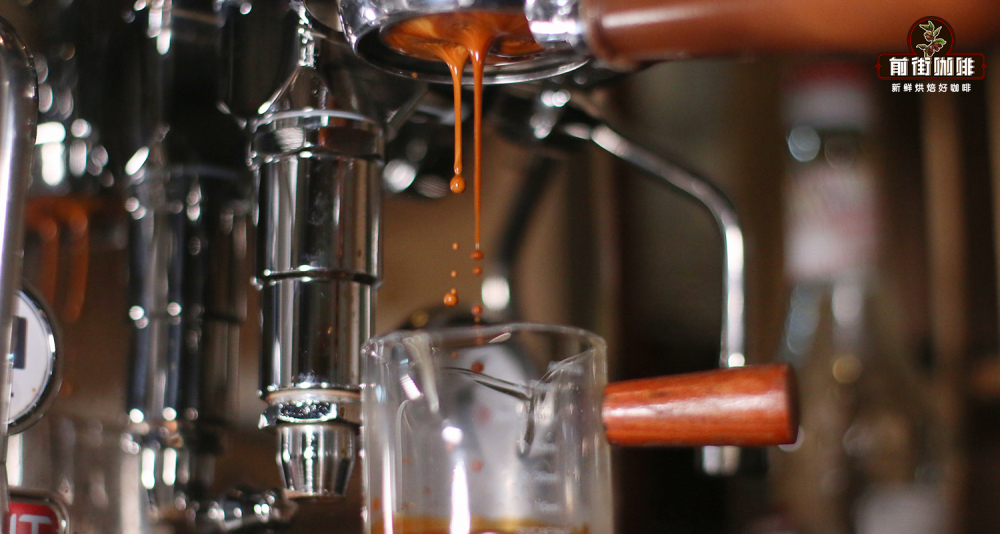
Espresso is a percolation method that relies on precision metal filters. Compared with pour-over drip extraction, the decisive difference is pressure. Inside the machine, high pressure drives water through the coffee puck, which means that even an extremely fine grind can be percolated properly and extracted in balance. The finer the grind, the more its surface area expands, so one great advantage of a very fine grind is speed: extraction happens fast. Fast is not all, either. High pressure forces water into the coffee particles' internal cell walls, drawing out rich oils and aromatic compounds.
Whatever the brewing method, the goal is the same: use water to release the good flavor compounds from the coffee and end up with a delicious liquid. Coffee beans contain a range of substances, and about 30% of their composition is water-soluble, including fruit acids, caffeine, oils, and carbohydrates. Of that, only around 20% consists of the small aromatic molecules with desirable flavors that dissolve first. The remaining large molecules, which read as woody and bitter, take longer to extract. A barista's job, then, is to tune the parameters so that more of the high-quality compounds make it into the cup.
Espresso stands for concentration and complexity that no other brewing method can match for richness and body. A delicious cup depends on excellent extraction, in which the aromatic and taste compounds arrive in balance. Put simply, the acidity, sweetness, and bitterness should all be pleasant, which is why tasting is the only reliable way to judge a shot and decide what to adjust.

In practice, many variables shape the journey from bean to cup: grind size, boiler pressure, water temperature, distribution and tamping pressure, dose, extraction time, yield in the cup, and countless smaller details. Machine pressure and water temperature are normally fixed and hard to change, while distribution and tamping come down to the barista's habits. That leaves four factors for everyday adjustment: dose, time, yield, and grind size. As the old saying goes, even the most skilled cook cannot make a meal without rice; good ingredients matter, and so does the quality of the coffee beans.
What Coffee Beans Are Used for Espresso?
Because espresso is extracted with a fine grind, high water temperature, and high pressure, it concentrates many flavors at once, and each compound hits the palate with extra force. A lightly roasted single origin brewed this way can taste so intense that it masks the coffee's aroma. Coffee is an agricultural product, and it changes with climate, soil, and growing conditions, so even beans from the same region differ from batch to batch. Blends take a complementary approach, which is how they deliver balanced, stable aroma and taste year round.

FrontStreet Coffee recommends its own Sunflower Sunshine Blend, made from Ethiopian natural-process red cherry coffee (30%) and Honduras sherry-cask coffee (70%). Pulled as espresso, it shows sherry, vanilla, and cream, layered with the tropical fruit and fermentation notes of the red cherry. The cup is rich and smooth, and the aroma that lingers after you swallow is hard to forget. Served as an Americano with water or a latte with milk, it holds up either way.

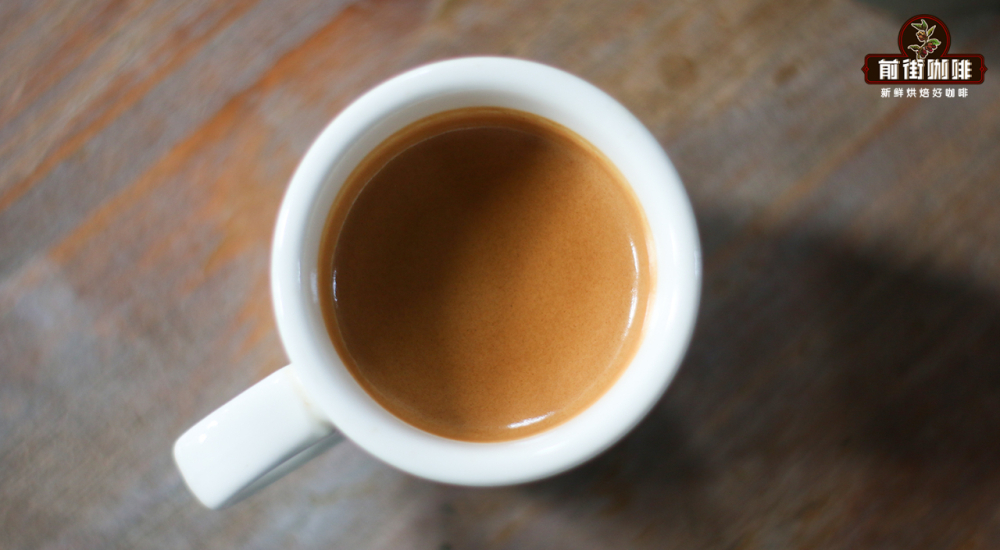
A freshly pulled espresso is topped with a thick, dense, golden-brown foam called crema. It forms when carbon dioxide from freshly roasted beans foams under the machine's high pressure. So that everyone can enjoy coffee at its most aromatic, FrontStreet Coffee ships only beans roasted within the past 5 days.
Steps for Making Espresso
Every espresso drink served at FrontStreet Coffee locations is built on the Sunflower Sunshine Blend. Before opening each day, our baristas dial in the extraction parameters before service begins.

FrontStreet Coffee uses a double basket, which holds roughly 18-20 grams, and we dose 20 grams for service. The extraction ratio is 1:2, so 20 grams of grounds yield 40 grams of espresso. Time depends on how fast the coffee flows. A single shot is generally held between 20-35 seconds: anything under 20 seconds tends to taste thin, while past 35 seconds the shot tips into over-extraction and burnt bitterness. FrontStreet Coffee's espresso usually lands in the 28-30 second range.

Wipe the basket dry before extraction. Turn on the grinder and grind a double dose, then set the basket on a scale and adjust until you reach 20 grams. Level the bed with a distribution tool, then press straight down with a tamper to compact the puck, which makes the extraction more stable.
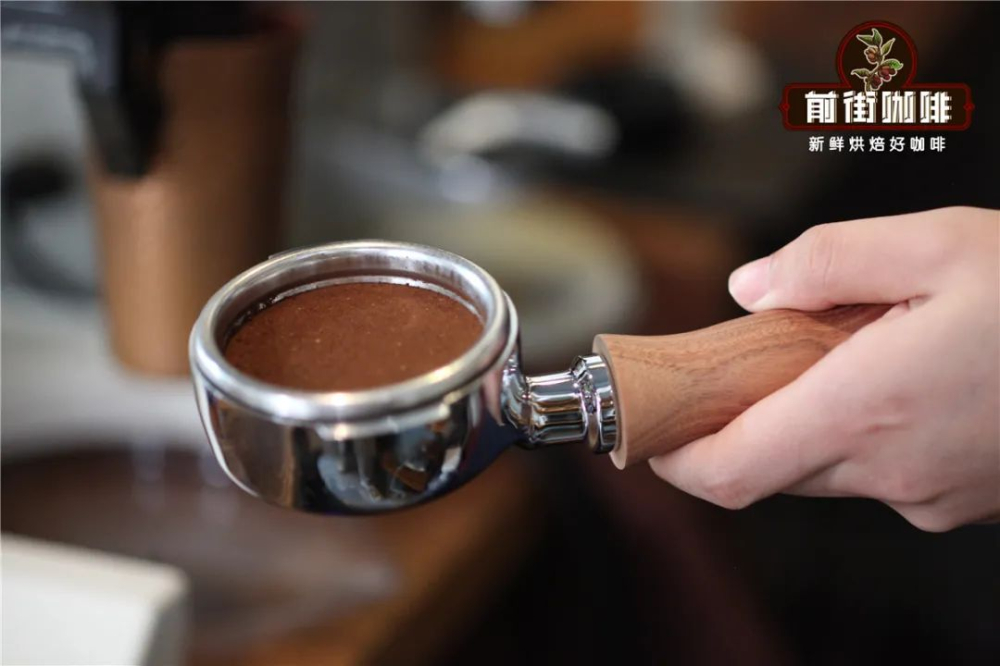
Next, run the extraction switch for 1-2 seconds to wet the group head and flush out any grounds left clinging to it. Put a scale under the cup that will catch the espresso, zero it, and keep it under the group head while you extract.
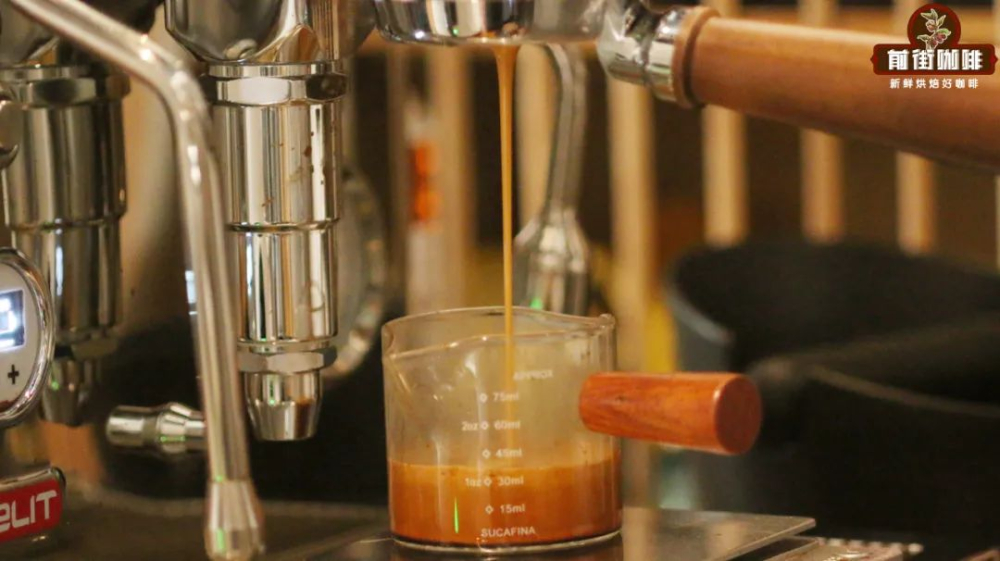
Lock the portafilter onto the group head and start the pump. Watch the flow. When the scale reads 40 grams of espresso and the clock is at roughly 30 seconds, cut the switch. Daily humidity and bean condition shift the numbers slightly, so you may need to nudge the dose, the grind setting, or the yield up or down.
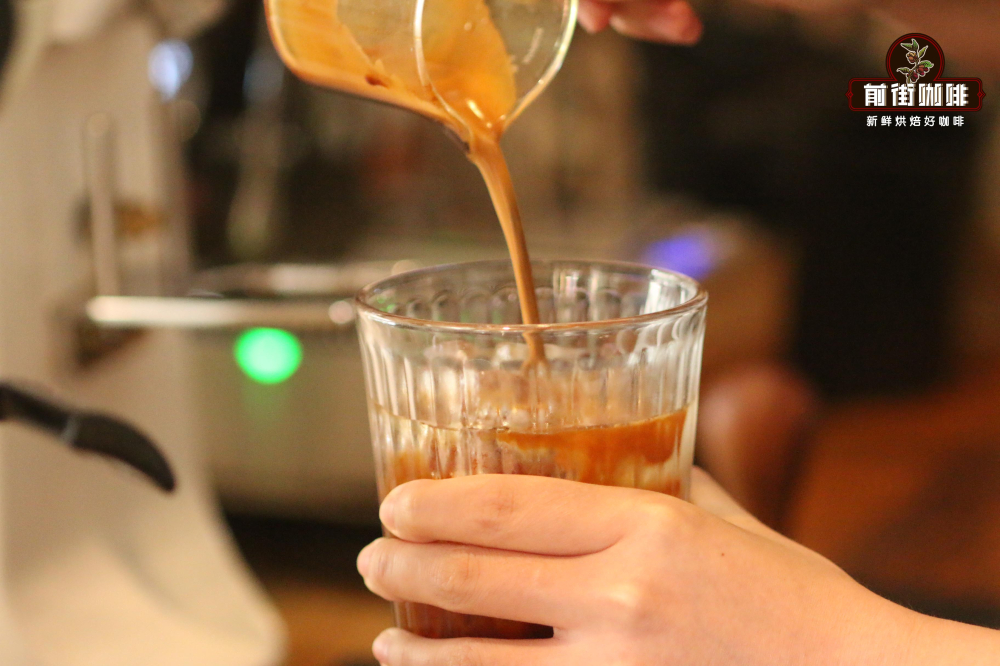
The shot can be drunk straight, ideally with a glass of water alongside to cleanse the palate so you can taste the rich crema and the texture beneath it. If the intensity of the bitterness is too much, add water or milk to soften it.
Parameter Adjustment Suggestions for Making Espresso
Daily extraction work has to be read together with experience, especially at home, where the volume is small and a small change in any variable can swing the taste of the final shot. FrontStreet Coffee suggests recording your parameters often so you have something to learn from. Our cafes, for example, calibrate every day before opening; if everything sits inside the preset range, no major adjustment is needed. From there, taste the espresso, judge the extraction state, and fine-tune the parameters above.
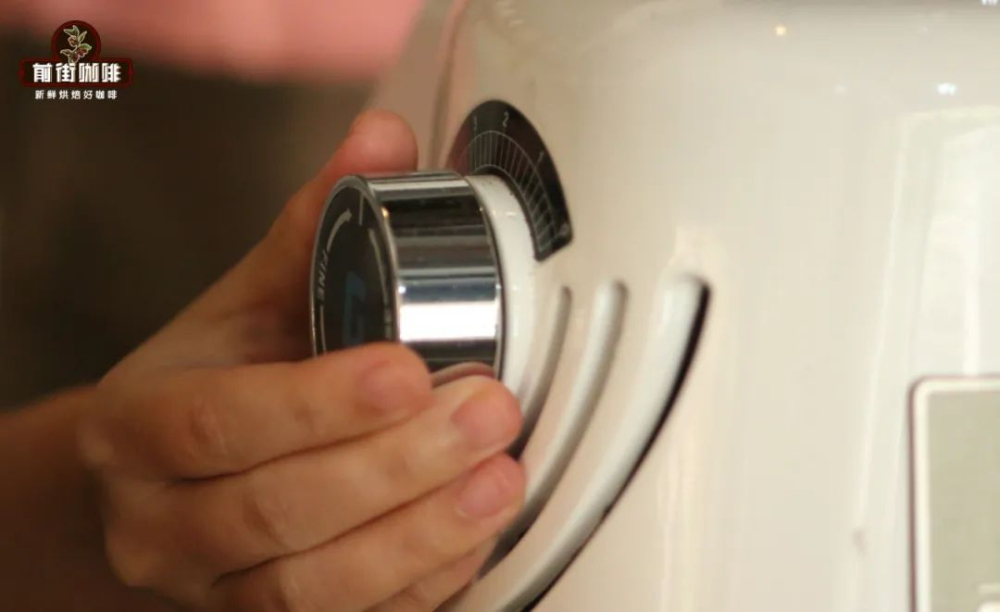
If the shot is at the right strength but tastes burnt and bitter, the extraction time is likely too long; the usual fix is a coarser grind. If it tastes bland and thin, the flow is probably too fast or the dose too low, leaving the shot under-extracted; add more dose or grind finer to bring the strength back up. These parameters move together with the extraction state, so watch the direction each variable pushes you and you will get closer to the flavors you want in the cup.
For professional coffee knowledge exchange and more coffee bean information, please follow Coffee Workshop (WeChat official account: cafe_style).
For more specialty coffee beans, please add private WeChat: FrontStreet Coffee, WeChat ID: qjcoffeex
FrontStreet Coffee Recommendation
Espresso is unforgiving of thin, sharp beans, so it rewards coffees with sweetness, body, and low acidity. FrontStreet PWN Indonesia Golden Mandheling is a good place to start if you like a heavier cup: deep roasted, low in acidity, thick and lingering on the palate, with plenty of herbal and dark chocolate aroma and just a faint earthy note underneath. Sumatran beans may no longer be the trend they once were, but Mandheling and Blue Mountain remain the default choice for anyone who wants richness, and this PWN lot is easy to verify, as the branded jute bag, the green-bean packaging, and the certificate are all shown on the product page.
FrontStreet Brazil Queen Estate is the other dependable everyday option. It is low in acidity and very balanced, with pronounced nut and cocoa aromas and clear caramel sweetness, and it finishes smooth rather than drying. It works in a pour-over, as espresso, or in a moka pot, and its oil and crema performance is outstanding for the price, which makes it an excellent baseline for a traditional espresso profile. If you want a balanced shot without any sharp edges, that is the one to reach for.
For a classic that leans elegant rather than heavy, FrontStreet Jamaica Blue Mountain No.1 steers between the two extremes: it has neither the aggressive fruit acidity of some African coffees nor the heavy bitterness of a dark roast, striking a fine balance across acidity, sweetness, bitterness, and aroma. Expect cream, caramel, chocolate, nuts, honey, and a light fruit note, smooth and rounded on entry with a sweet mid-palate and a clean, long finish. FrontStreet Yunnan Sun-Dried Typica from 2013 is another option worth trying: clean in the cup, with citrus and caramel weaving together, and a medium-dark roast adding a touch of nut, chocolate, and brown sugar over medium acidity.
Important Notice :
FrontStreet Coffee is a long-established specialty coffee roaster in Guangzhou China, selling freshly roasted beans from its own farm in Yunnan as well as dozens of carefully selected single-origin beans from around the world for both pour-over and espresso. The products deliver consistently excellent quality and great value, with shipping within 24 hours. Guangzhou's FrontStreet Coffee shop is recommended by many coffee lovers, and the beans are now available online at the Tmall 。
FrontStreet Coffee has moved to a new address:
FrontStreet Coffee Address: 315,Donghua East Road,GuangZhou
Tel:020 38364473
 Scan and follow the En Gafei WeChat official account. Please indicate that the reprint comes from "En Gafei".