Tasting Profile and Brewing Guide for Papua New Guinea Kimel Coffee Beans

Papua New Guinea
Kimel Plantation, Papua New Guinea
Papua New Guinea is a low-key island nation in the eastern part of New Guinea Island and the world's third-largest island country. Coffee is an important agricultural crop, distributed among small-scale farms in the highland areas. Papua New Guinea's Kimel Plantation has a natural environment similar to Jamaica's Blue Mountains.
Papua New Guinea accounts for 1% of world coffee production, and coffee is its second-largest agricultural export after palm oil. About 2.5 million people are engaged in the industry. The Eastern Highlands, Western Highlands and Chimbu Province are the main coffee-growing regions, and most coffee trees are grown by small farmers, with each small plot cultivating about 20 trees.
Kimel Plantation Papua New Guinea
Kimel Plantation was established in 1974 by Bobby Gibbs, an Australian, and is currently owned by traditional landowners. The plantation lies in the Waghi Valley of the Western Highlands, at an altitude of 5,200 feet. The soil is mainly sandy, with temperatures ranging from 6-29 degrees Celsius and annual rainfall of 260-270mm. Covering 620 hectares, it is managed by experienced foreign staff with 432 permanent buildings, and provides educational and medical facilities. The plantation is named after the nearby Kimel River.
Thanks to quality control and effective management, Kimel Estate coffee has become one of Papua New Guinea's best-known coffees.
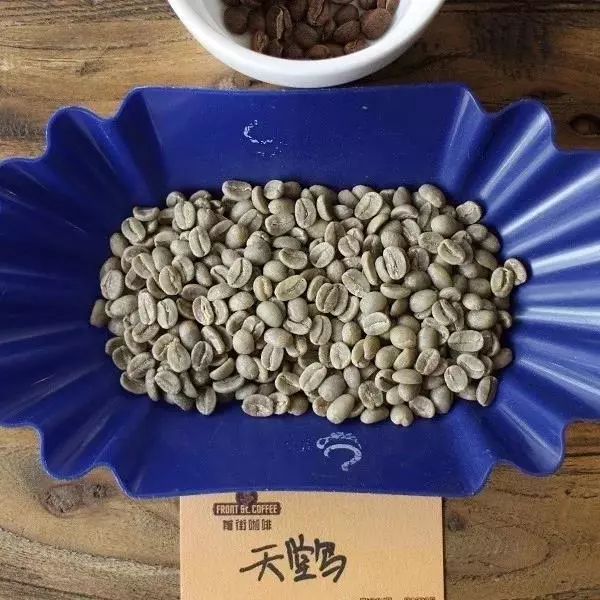
Coffee Grades in Papua New Guinea
A total of 12 grades, classified by defects
Meaning and Rules of Papua New Guinea Green Bean Names
PNG Plantation Y
Country + Cultivation Type + Grade Name
In Papua New Guinea:
Plantations and large estates account for 25% of national production;
Small and medium-sized farms (holdings or blocks) of 10-20 hectares account for 10% of production;
In PNG there are 76 registered plantations and estates.
Let's take the most notable specialty grades, AA and A, as examples:
(1) AA and A grade coffees belong to the specialty coffee grade, mainly from larger estates.
For AA grade, the bean size is larger than 18 mesh, with oval-shaped flat beans. Maximum defect count: 10 defects per kilogram. The green beans are green with a slight blue tint, and they should taste clean, with a clean, smooth roasted flavor.
(2) A grade beans are larger than 17 mesh, with cupping quality reaching at least GTF grade (Good to Fine), meaning good to excellent taste. Other defect counts and green bean conditions are the same as AA grade.
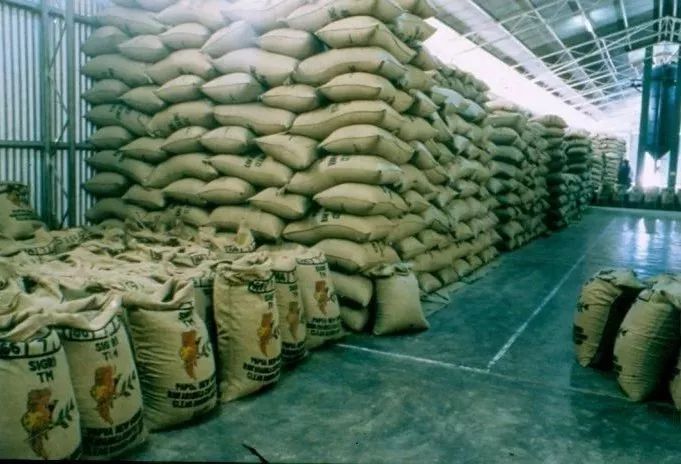
FrontStreet Coffee's Papua New Guinea beans come from PNG AA Sigri Estate, packaged in 60KG inner bags. Owing to their Jamaican Blue Mountain Typica heritage, they have a flavor profile similar to Blue Mountain coffee, with excellent balance, an elegant and comfortable acidity, and a pleasant, long-lasting aftertaste. They are truly specialty coffees with distinct regional characteristics.
FrontStreet Coffee Roasting Recommendations
Typica, being a low-density green bean, is not well suited to dark roasting. It naturally has refreshing acidity and fruity aroma. FrontStreet Coffee chooses medium roasting, focusing on heat adjustment after the first crack. First we assess the condition of the green beans and then decide the roasting method. This is a washed process, low-density, 10% moisture content green bean from 2017, so we set the initial temperature based on the current state of the beans.
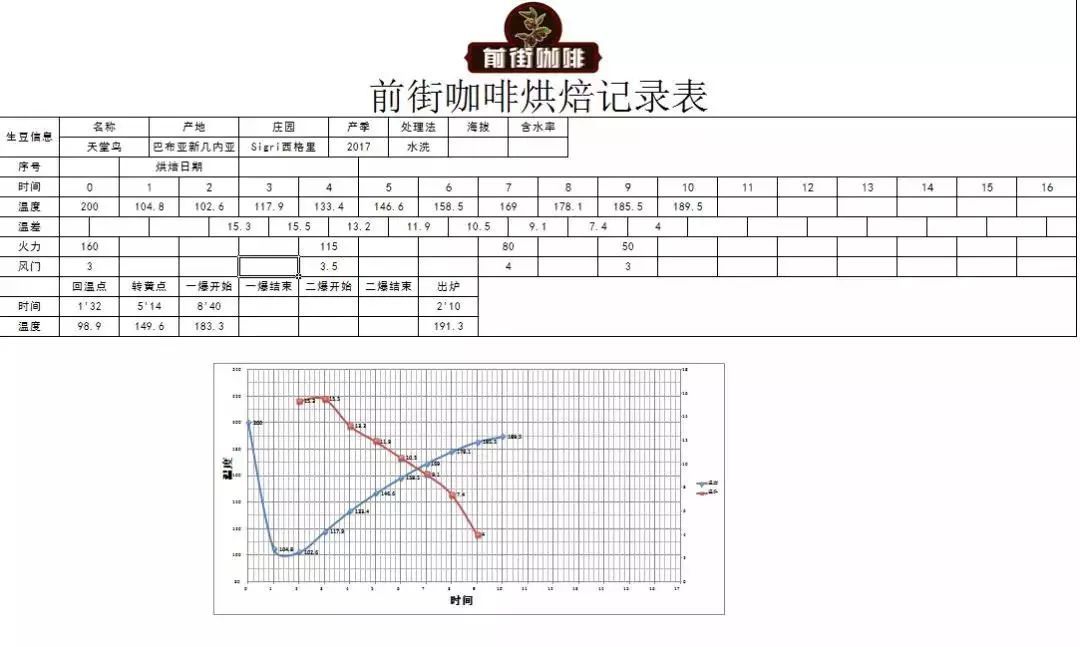
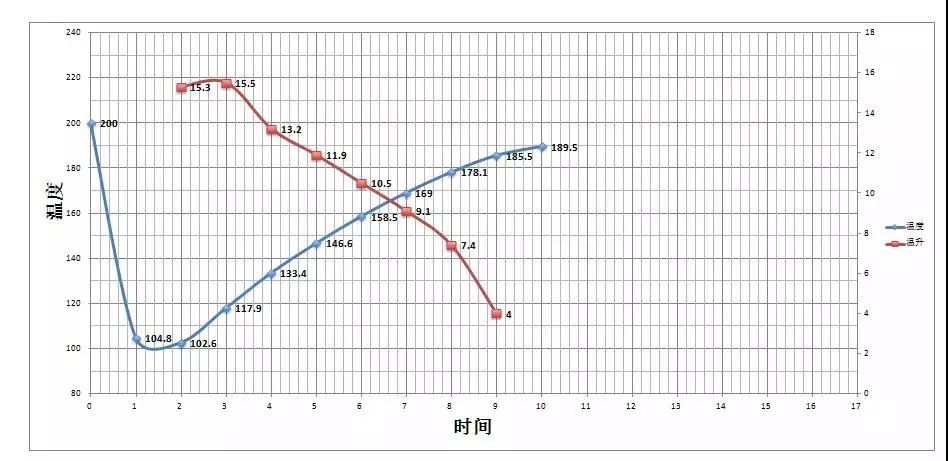
Yangjia 800N, 550g green beans, specific operation:
Heat the roaster to 200°C, load the beans, set the damper to 3. After 1 minute of steaming, adjust the heat to 160°C with the damper unchanged. At 160°C adjust the heat once more, reducing to 115°C. Roast to 5'35", temperature 152°C, when the bean surface turns yellow, the grassy smell disappears completely, dehydration is complete, and the damper is adjusted to 4;
At the 9th minute, ugly wrinkles and black spots appear on the bean surface and the toast smell clearly changes to coffee aroma, which can be defined as the prelude to first crack. At this point listen carefully for the sound of first crack. At 8'40" first crack begins. Keep the low heat unchanged, with the damper fully open to 5 (adjust the heat very carefully, not so low that cracking stops). At 191.3°C unload the beans.
Cupping Notes
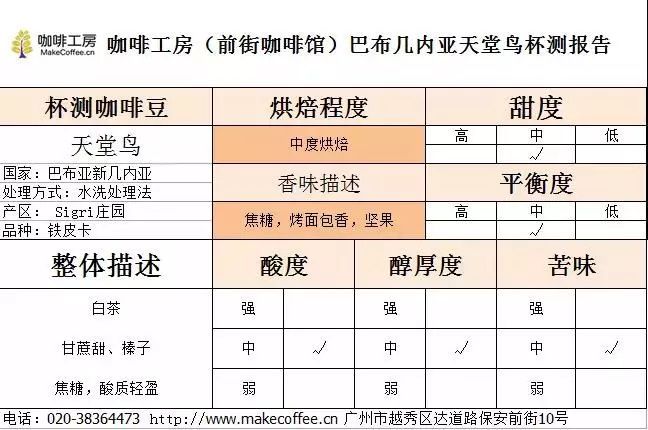
Roast Level: Medium Roast
Dry Aroma: Nutty, woody, spicy
Wet Aroma: Cane sweetness, hazelnut, toast-like
Flavor: Toast sweetness and nutty sweetness, with a slight fruit acidity that creates a good layered feel. The spicy sweetness in the aftertaste is quite special. It tastes rich and balanced, with sweet flavor and bright acidity, and a fruity aroma.
FrontStreet Coffee Brewing Recommendations
Recommended brewing method: Pour-over
Grind size: 4 (Japan Fuji R440)
Water temperature: 89°C
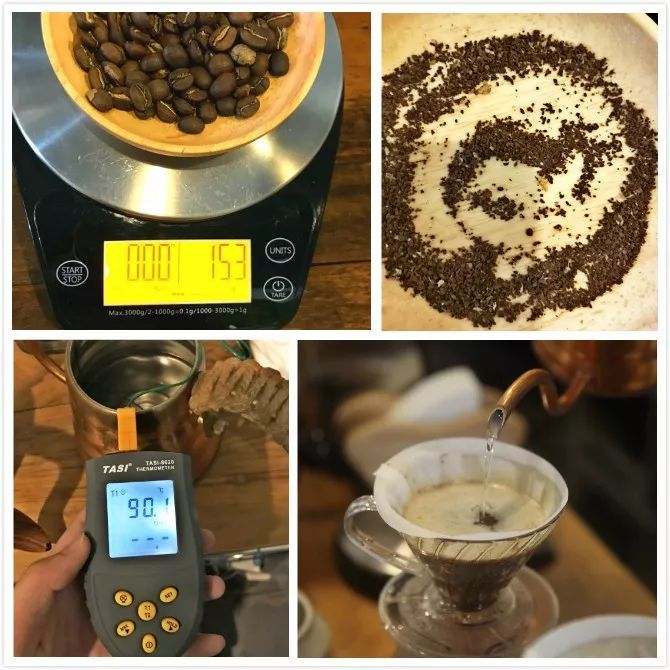
Pour in a clockwise circle with the center of the filter as the center point. Do not pour water on the area where the coffee grounds meet the filter paper, to avoid the channeling effect (channeling means water does not contact the coffee grounds and flows directly to the lower pot).
Brewing time: generally between 1 minute 40 seconds and 2 minutes 30 seconds. The longer the time, the more substances are extracted from the coffee. With the same amount of water injected, the coffee flavor will be stronger, but the risk of obvious bitterness increases as well.
Other Drip Extraction Recommendations:
French press: recommended grind size 3.5-4 / water temperature 90°C
AeroPress: recommended grind size 3, water temperature 85°C
Siphon: grind size 4.5, water temperature 91°C
FrontStreet Coffee Recommendation
If you enjoy the Blue Mountain-like balance of this PNG coffee, FrontStreet's Jamaica Blue Mountain No. 1 is the estate's flagship expression of that style. It comes from the historic Clifton Estate, which began growing and processing coffee around 1750, with its growing and processing area at an average of 4,300 feet (1,310.64 meters); that altitude, gentle afternoon cloud shading the hillsides, plentiful sunshine and mineral-rich soil lengthen the ripening of the cherries. The beans are shipped within 5 days of roasting and arrive at peak flavor, and are roasted medium-deep to fully express Blue Mountain's classic balance. FrontStreet recommends a Kono dripper at a 15g dose, resting the beans 4-7 days (counting the roast date as day one), a grind a little coarser than granulated sugar, water at 87-88°C and a 1:15 ratio, poured in three stages: a 30g bloom for 30 seconds, then to 120g, then a gentle circular pour to 225g. The result is very clean, complex and gentle, chocolate-sweet with strong body, the sweet, acidic and bitter notes in perfect harmony, no real bitterness, only a moderate and complete acidity, and a long fruity finish.
Important Notice :
FrontStreet Coffee is a long-established specialty coffee roaster in Guangzhou China, selling freshly roasted beans from its own farm in Yunnan as well as dozens of carefully selected single-origin beans from around the world for both pour-over and espresso. The products deliver consistently excellent quality and great value, with shipping within 24 hours. Guangzhou's FrontStreet Coffee shop is recommended by many coffee lovers, and the beans are now available online at the Tmall 。
FrontStreet Coffee has moved to a new address:
FrontStreet Coffee Address: 315,Donghua East Road,GuangZhou
Tel:020 38364473
 Scan and follow the En Gafei WeChat official account. Please indicate that the reprint comes from "En Gafei".