Pour-Over Coffee Techniques: How to Determine the Coffee-to-Water Ratio?
When the temperature and grind size are the same but the coffee still does not taste right, the coffee-to-water ratio may be the culprit.
How important is the coffee-to-water ratio for a cup of coffee?
In pour-over brewing, the amount of water used has a considerable impact on flavor. Different ratios change the flavor, mouthfeel, and other qualities the coffee presents. Too little water gives an overly concentrated cup where the flavors clump together without clarity; too much water makes it thin, until it tastes like water with a hint of coffee.
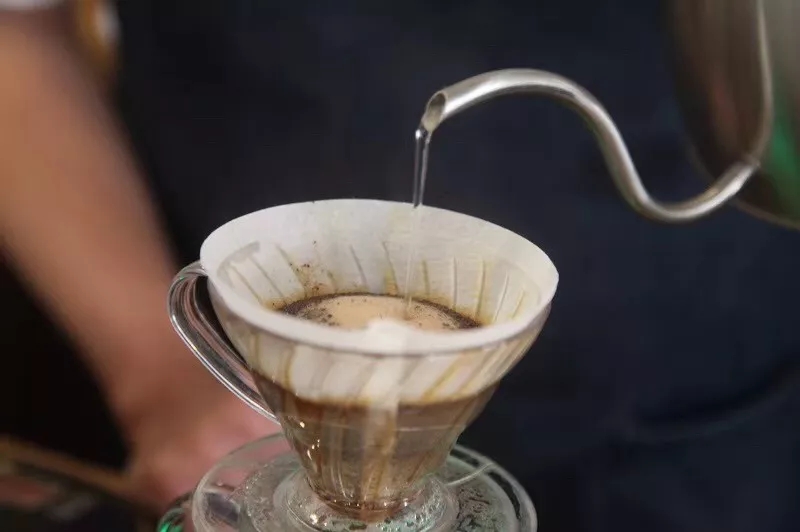
We all know that the Golden Cup standard puts the ideal extraction rate between 18%-22%, with a concentration range of 1.15%-1.45%. At home, though, we rarely have the equipment to measure concentration, so how do we know which ratio suits a particular bean?
To test this, our editor chose a light, a medium, and a dark roast: [FrontStreet Coffee's Panama Butterfly], [FrontStreet Coffee's Yemen Mocha], and [FrontStreet Coffee's Jamaica Blue Mountain], and brewed each at coffee-to-water ratios of 1:13, 1:15, and 1:17.
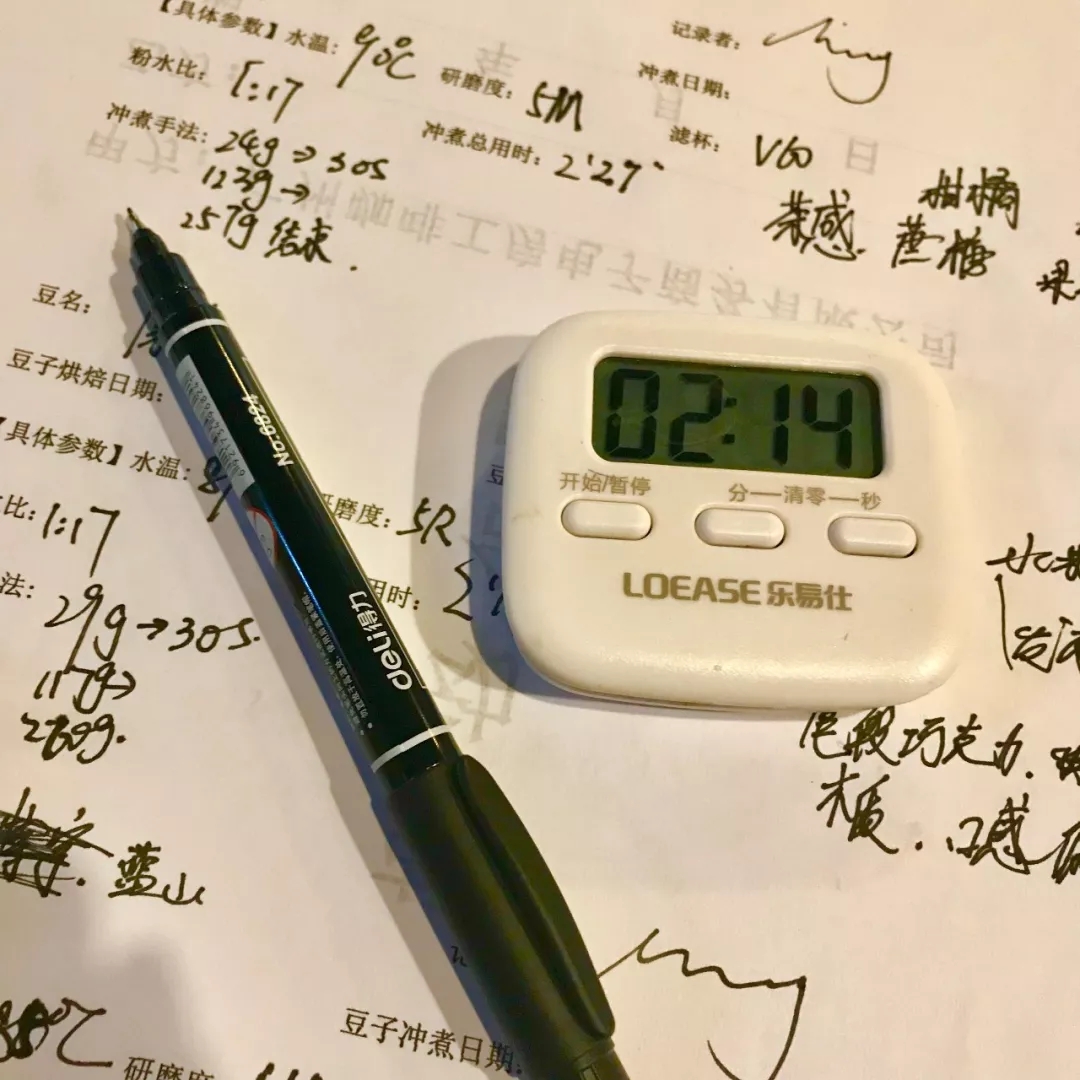
FrontStreet Coffee's Panama Butterfly: BG grind size 5M (60% pass-through on a #20 sieve), water temperature 90°C, coffee-to-water ratios of 1:13, 1:15, and 1:17, with brewing times (timed from the start of the bloom) of 1'55", 2'10", and 2'27".
FrontStreet Coffee's Yemen Mocha: BG grind size 5R (56% pass-through on a #20 sieve), water temperature 89°C, coffee-to-water ratios of 1:13, 1:15, and 1:17, with brewing times (timed from the start of the bloom) of 1'50", 2'05", and 2'14".
FrontStreet Coffee's Jamaica Blue Mountain: BG grind size 6M (50% pass-through on a #20 sieve), water temperature 85°C, coffee-to-water ratios of 1:13, 1:15, and 1:17, with brewing times (timed from the start of the bloom) of 1'35", 1'46", and 1'57".
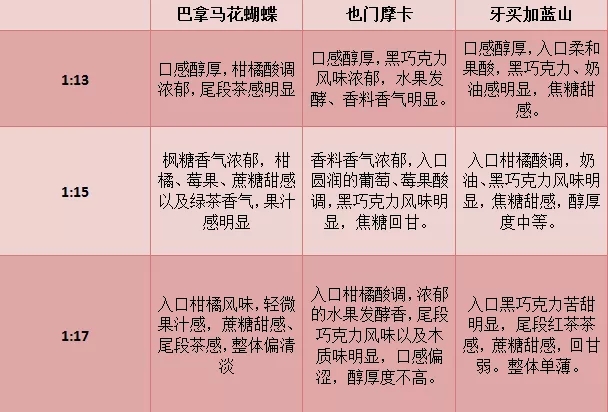
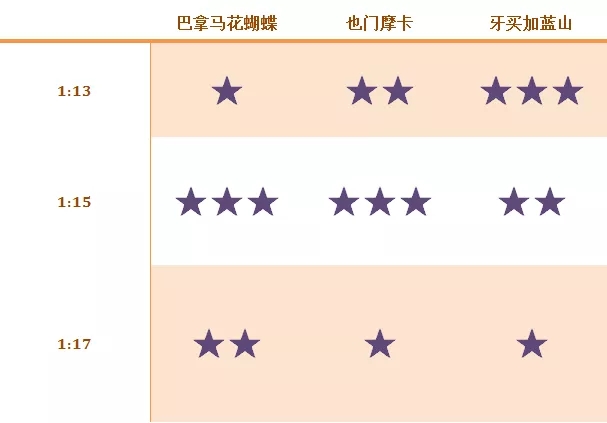
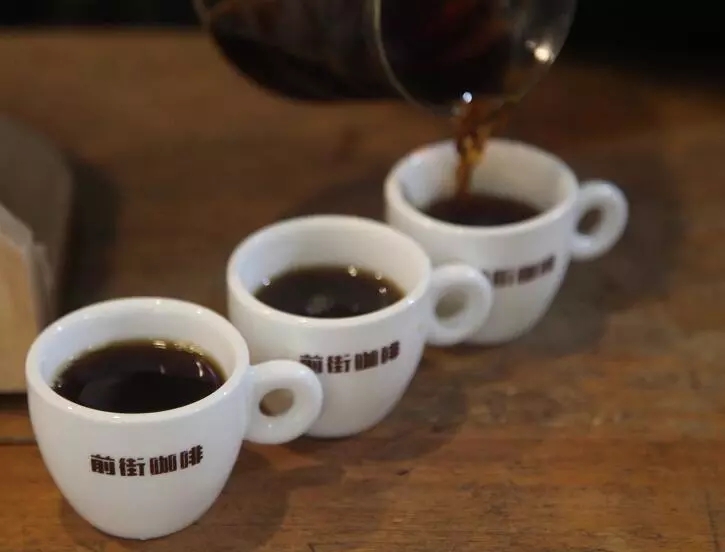
After trying all three ratios, our editor felt that light roast beans can take a slightly longer ratio, while medium and dark roasts are better suited to shorter ones.
Understanding the relationship between roast level and coffee-to-water ratio
After roasting, the bean's structure becomes loose and brittle, so the flavor compounds inside are released more easily. That is why undesirable flavors can show up when the ratio is stretched. Dark roast beans also lean on dark chocolate, caramel, and a rich mouthfeel; extend the ratio and the overall flavor thins out, losing what makes a dark roast what it is.
During light roasting, the shorter time in the roaster means the bean's structure is not damaged as severely as in a medium or dark roast. Flavor molecules stay locked in more tightly, and high-altitude beans in particular have a harder, denser structure that resists extraction. As a result, undesirable flavors are less likely to appear even when the ratio is stretched.
The ratio is not fixed, though, and it changes with the brewing device. Espresso, for instance, is usually brewed at 1:1.5 or 1:2, cold drip at 1:10, and so on. To get a delicious cup, choose your parameters based on a real understanding of the bean in front of you, then extract a cup that satisfies you.
FrontStreet Coffee Recommendation
For a bean that rewards careful ratio work, the FrontStreet Jamaica Blue Mountain No. 1 is an ideal subject. Sourced from the long-established Clifton Mount Estate and roasted medium-dark, it avoids both the sharp fruit acidity of some African coffees and the heavy bitterness of a dark roast, holding acidity, sweetness, bitterness, and aroma in fine balance. In the cup you get nuts, dark chocolate, creamy caramel, and a soft sweetness unfolding in layers, with a clean, long finish.
Blue Mountain is also forgiving across brew methods. If pour-over is your focus, a ratio of 1:15 to 1:16 with water at 85-88°C and a medium-coarse grind will highlight the cream, caramel, and nut notes while preserving the gentle brightness. For a richer, heavier cup, a moka pot works well: grind a touch finer than for pour-over, start with hot water, heat over medium-low, and take it off the heat just as the last of the coffee flows out. Either way, the balance that makes Blue Mountain so widely liked comes through clearly.
Important Notice :
FrontStreet Coffee is a long-established specialty coffee roaster in Guangzhou China, selling freshly roasted beans from its own farm in Yunnan as well as dozens of carefully selected single-origin beans from around the world for both pour-over and espresso. The products deliver consistently excellent quality and great value, with shipping within 24 hours. Guangzhou's FrontStreet Coffee shop is recommended by many coffee lovers, and the beans are now available online at the Tmall 。
FrontStreet Coffee has moved to a new address:
FrontStreet Coffee Address: 315,Donghua East Road,GuangZhou
Tel:020 38364473
 Scan and follow the En Gafei WeChat official account. Please indicate that the reprint comes from "En Gafei".