Why Can't Fine Powder Be Used in Pour-Over Coffee? Why Should Fine Powder Be Sifted When Making Pour-Over Coffee?
The Impact of Fine Coffee Grounds on Pour-Over Brewing
FrontStreet Coffee shares professional coffee knowledge and brewing insight so that more people can brew with confidence.
The finer the coffee grounds, the more easily the substances inside them are extracted. Along with the good flavors, however, come the bitterness of caffeine and astringent tastes. That is why FrontStreet Coffee suggests avoiding overly fine grounds for pour-over coffee.
When chatting with friends about fine grounds, many go pale at the mere mention - the moment they hear "fines," they think over-extraction. Yet some brewers have a special fondness for them, such as Matt Perger and his fine-ground stirring method. So what exactly are fine grounds?
Types of Coffee Grind Sizes
We generally divide coffee grind sizes into the following categories:
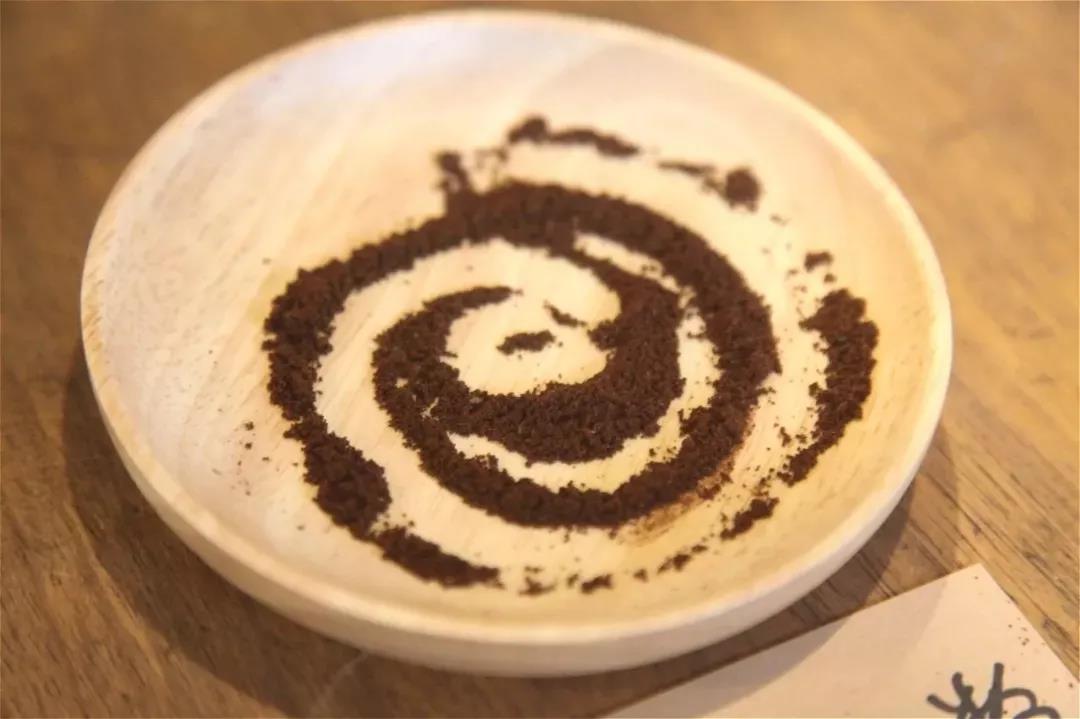
1. Extra Fine Grind. As fine as powdered sugar, used mostly for espresso or Turkish coffee.
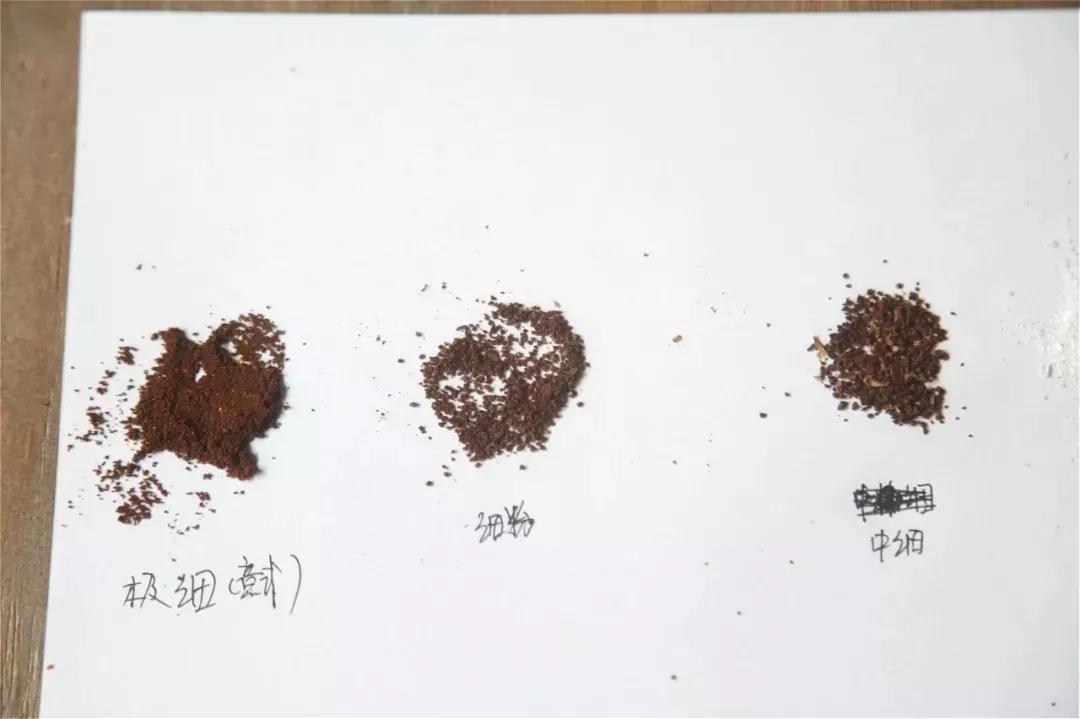
2. Fine, Medium-Fine, and Medium-Coarse Grind. Benchmarked against white sugar, this range has remarkably wide applications! Pour-over, AeroPress, siphon, and more all draw on it, with the exact setting varying by roast level and brewing method.
3. Coarse Grind. Like coarse sugar, used mostly for French press extraction.
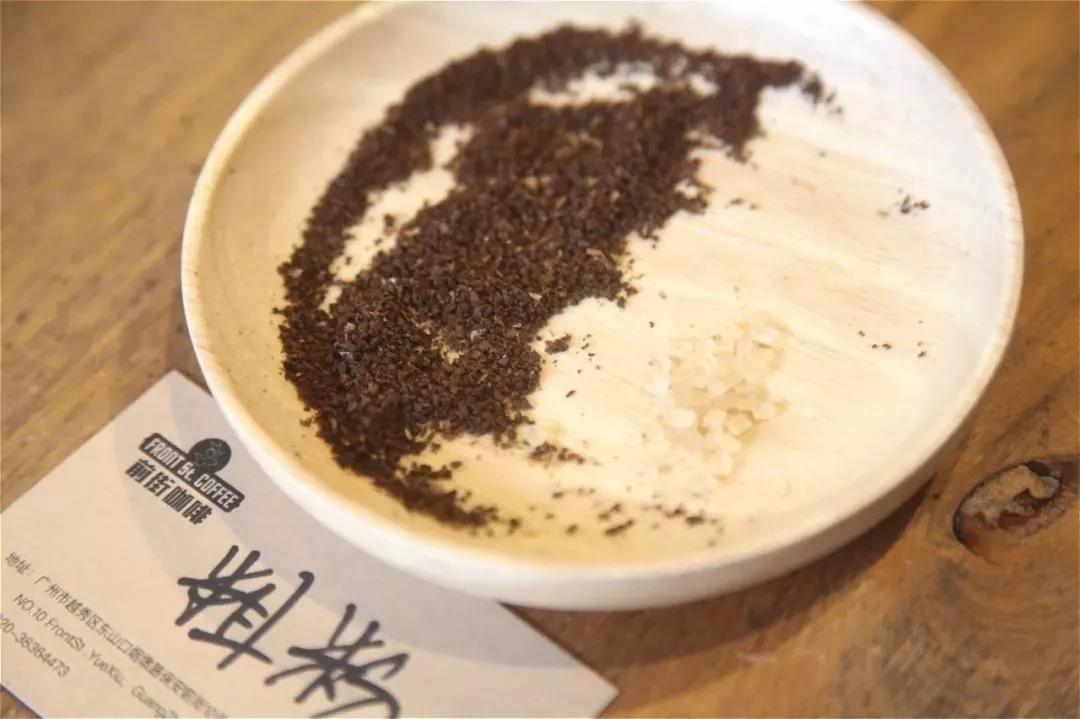
Fine Grounds
Some define fine grounds as particles smaller than a certain size - 50 micrometers, say. Others recently argue that fines represent a specific region of the particle distribution curve. In reality, fine grounds are irregular in shape and rarely present as neat spheres.
The Impact of Fine Grounds on Pour-Over Coffee
As we discussed in a previous article, grind size is one of the factors governing extraction. The finer the grind, the more easily the grounds pack onto the filter paper, creating greater flow resistance: the drip slows, contact time stretches, extraction rates climb, and the brewed coffee turns more intense. The coarser the grind, the larger the gaps in the coffee bed and the less coffee surface touches hot water; resistance drops, the coffee drips faster, extraction falls, and the flavor turns lighter.
The fear of fines largely stems from the way excessive fines clog the drainage holes, stalling the flow and pushing extraction past the point of balance - the coffee turns noticeably bitter, muddled, and astringent. But do we really need to treat fines like ferocious beasts?
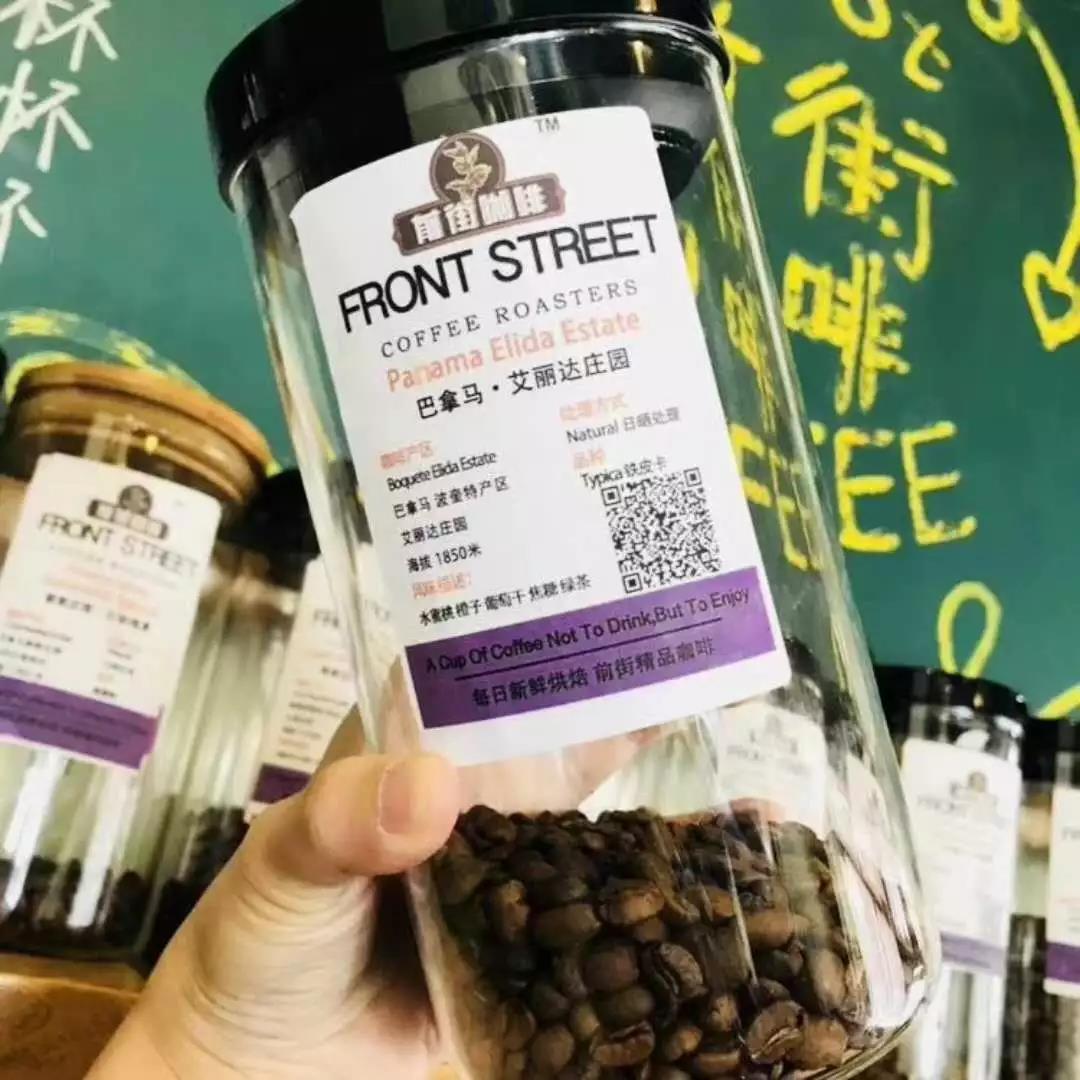
Taking Panama Elida as an example, I brewed one pot with sifted grounds and one with unsifted grounds to compare the difference!
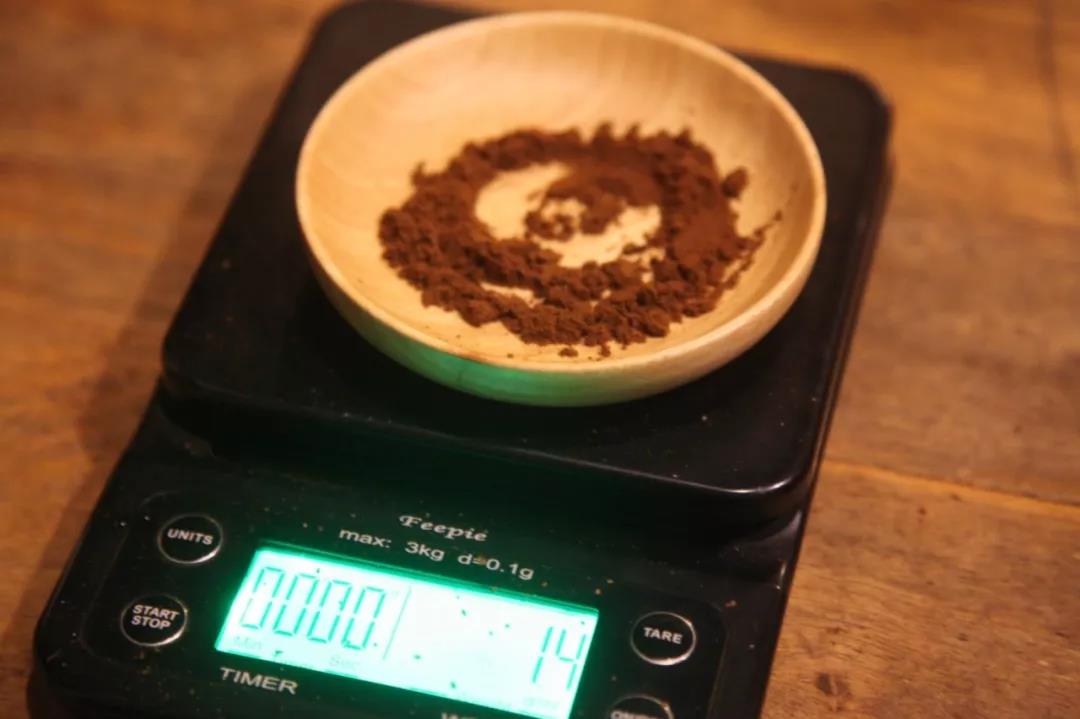
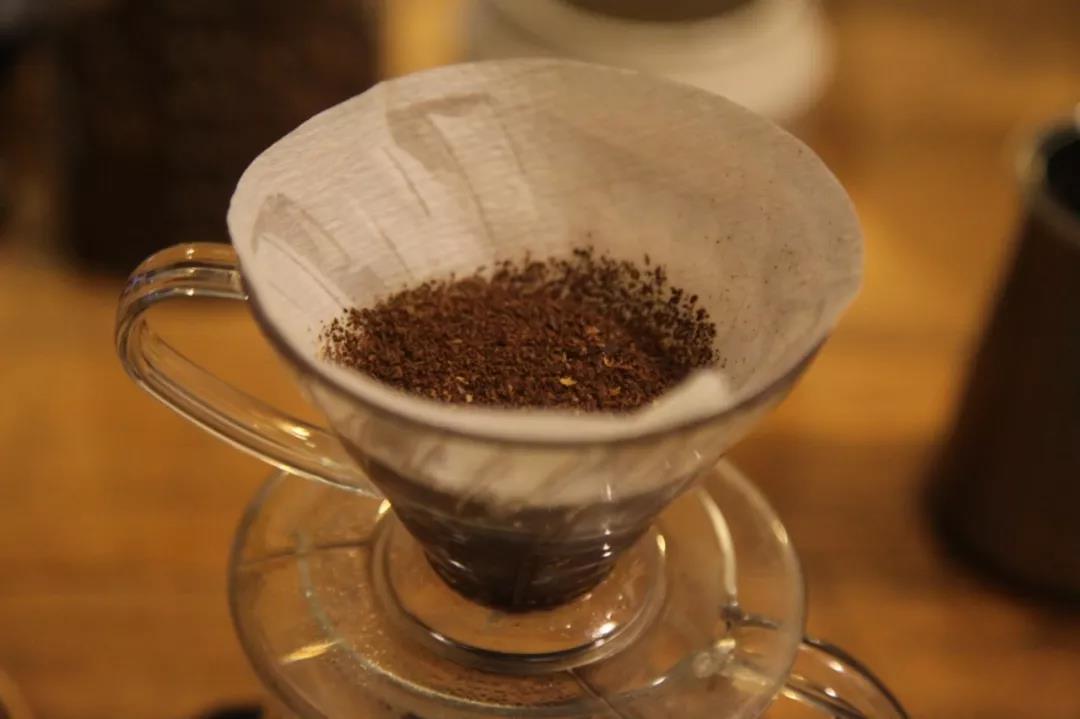
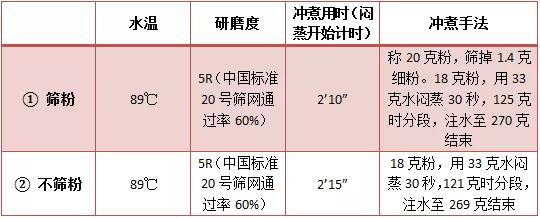
Cup one: rich acidity on entry, with citrus and green lime notes, slightly nutty in the middle, preserved fruit and caramel sweetness, and a tea-like finish - balanced and gentle overall.
Cup two: a rich fermentation aroma, citrus on entry with a vivid sweet-sour snap, an obvious juiciness, roasted almonds in the middle, caramel sweetness, a touch of grapefruit peel at the end, no tea feeling - balance slightly higher than cup one, with richer and more varied flavor layers.
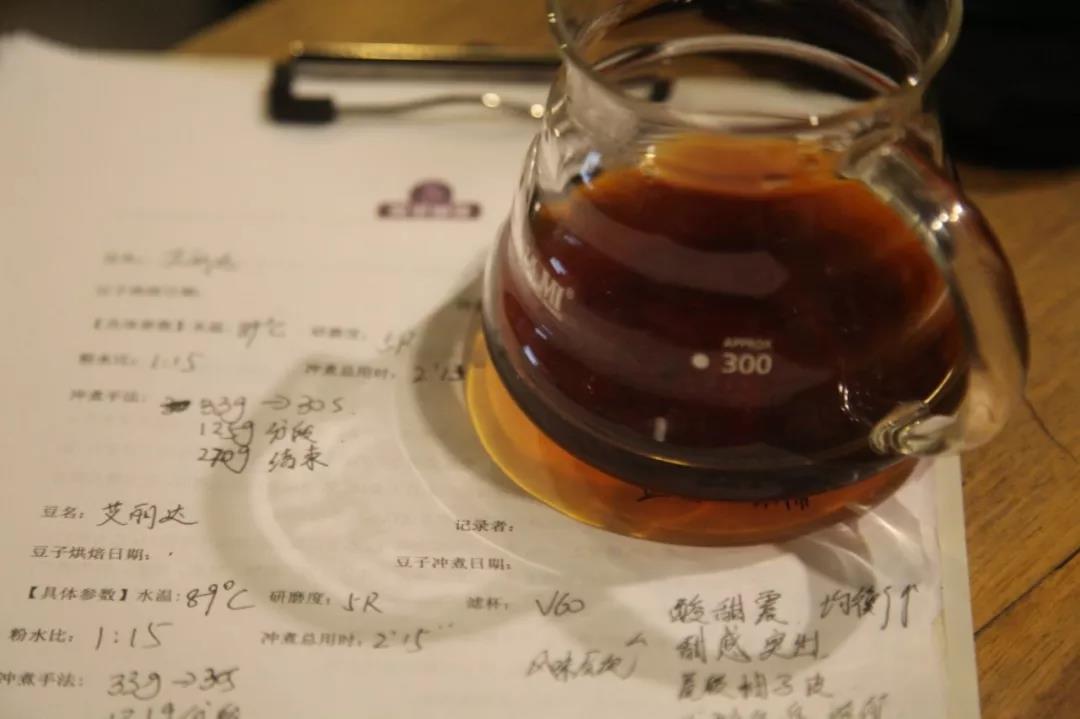
In my view, fine grounds are not the monsters they are made out to be! It is true that with fines present, water makes excessive surface contact with the coffee, and fines preferentially release unnecessary impurities - even bitterness. Even, uniform grinding matters, because only uniform grounds extract uniformly. But that does not make fines undesirable: an appropriate amount of them adds extra layers of flavor to the cup. And if too many fines genuinely wreck your brews, change your grinder - a good grinder matters, after all.
FrontStreet Coffee Recommendation
If fines keep sabotaging your pour-over, one answer is to switch to a method that tolerates them better - and the French press is the classic choice. As a full-immersion brewer with a metal mesh, it is as simple as steeping tea, and the longer contact brings out a thicker, fuller body with more of the coffee's oils. Because immersion lacks the pour-over's filter-paper bottleneck, fine grounds are far less likely to cause the bitter, astringent stalling described above.
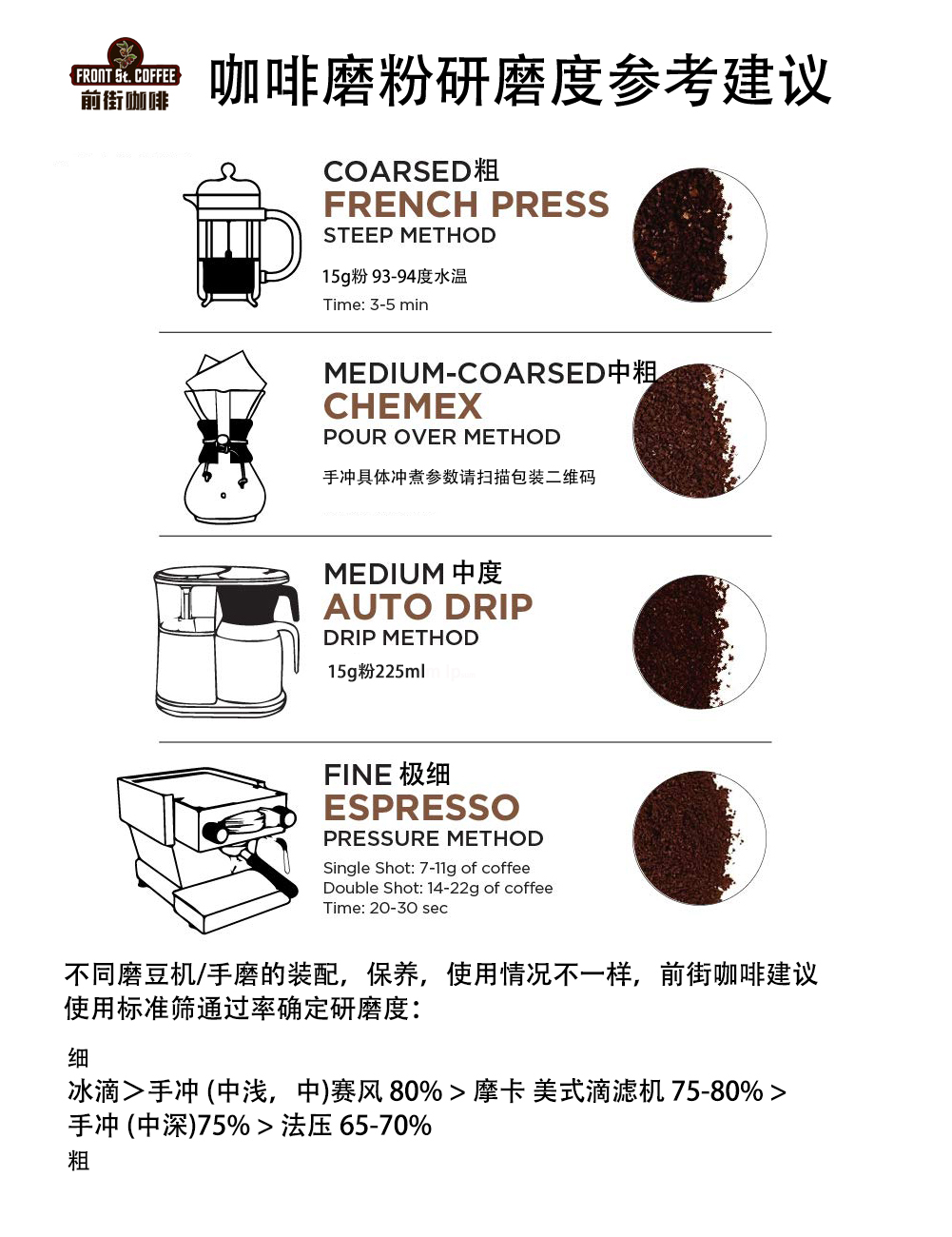
For the French press, FrontStreet suggests a coarse, raw-sugar grind - about EK43s setting 10.5, or 26 clicks on a C40 hand grinder, like tiny gravel rather than fine sand. Use a 1:15 ratio (15 g of coffee to 225 g of water) for a strength around 1.1-1.2%, water around 90 degrees C (boiled and rested 2-3 minutes), and a first steep of 4 minutes before pressing slowly and pouring gently.
As for beans, FrontStreet's Strawberry Candy gesha blend shines here, with rose, citrus, grape, and dried blueberry from its Costa Rican honey and Panamanian washed gesha components, turning to strawberry nougat with milk. If you prefer a low-acid, full-bodied black coffee, the PWN Golden Mandheling - triple hand-sorted and medium-dark roasted, with spice, caramel, cedar, and dark chocolate - delivers a thick, velvety body with pleasant oil, brewed with ease even in the humblest immersion pot.
Important Notice :
FrontStreet Coffee is a long-established specialty coffee roaster in Guangzhou China, selling freshly roasted beans from its own farm in Yunnan as well as dozens of carefully selected single-origin beans from around the world for both pour-over and espresso. The products deliver consistently excellent quality and great value, with shipping within 24 hours. Guangzhou's FrontStreet Coffee shop is recommended by many coffee lovers, and the beans are now available online at the Tmall 。
FrontStreet Coffee has moved to a new address:
FrontStreet Coffee Address: 315,Donghua East Road,GuangZhou
Tel:020 38364473
 Scan and follow the En Gafei WeChat official account. Please indicate that the reprint comes from "En Gafei".