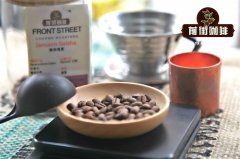
Yirgacheffe Coffee Origin Characteristics and Pour-Over Flavor Profile

When the conversation turns to coffee, Ethiopian coffee inevitably comes up, because it is the birthplace of coffee, the origin of Arabica varieties, and the country with the longest history of coffee consumption in the world. While coffee from other African countries is almost entirely exported overseas, roughly 40% of Ethiopia's coffee production is consumed domestically.
Ethiopia boasts many renowned coffee-producing regions, and among them Yirgacheffe stands out as especially representative, having earned real prominence in the coffee community. In FrontStreet Coffee's selection of specialty coffee beans, several offerings from Yirgacheffe have drawn widespread praise from customers. The early residents of Yirgacheffe gathered in swampy areas, and the place name means "settling away from water." Legend has it that the French were the first to discover the outstanding coffee flavors of this region. Today, Yirgacheffe has become essential for every specialty coffee merchant, renowned worldwide for its floral aromas and delicate lemon-citrus flavors.
Yirgacheffe
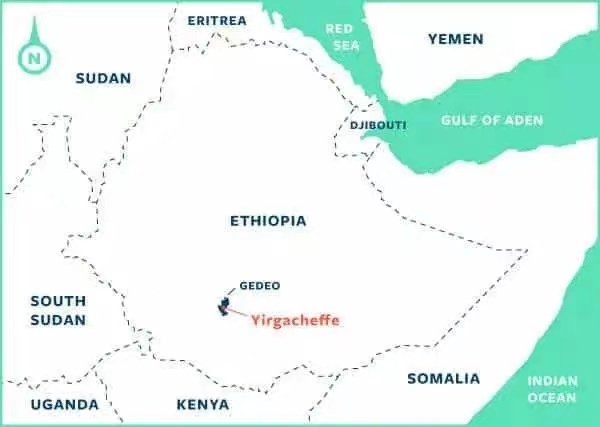
Yirgacheffe is located on the eastern side of the East African Rift Valley, a small town in Ethiopia's Sidamo province. Because of its unique coffee flavor, it was delineated separately. Nearby are three small producing regions: Wenago, Kochere, and Gelena Abaya. Because the coffee produced in these areas shares significant commonalities with Yirgacheffe, these small regions are also classified under the Yirgacheffe region. With elevations ranging from 1700-2100 meters, it is one of the world's highest-altitude coffee-producing regions and has become synonymous with Ethiopian specialty coffee.
Coffee trees in the Yirgacheffe region are mostly planted in farmers' own backyards or intercropped with other crops in farmlands. Each household's production is limited, making it typical garden coffee. These mountain villages are shrouded in mist, with spring-like conditions throughout the year. Summers bring gentle breezes, cool but not hot, rainy but not humid, while winters avoid frost damage. Only such geographical and climatic conditions could nurture this unique regional flavor, characterized by citrus and floral notes.
Yirgacheffe Coffee Bean Grading
Based on the different processing methods used for green coffee beans, Yirgacheffe can be divided into two main categories:
Category A represents washed processing, with grading standards established by the Specialty Coffee Association of America (SCAA), classified as Gr-1 and Gr-2, where smaller Arabic numbers indicate higher grades. G1 Yirgacheffe exhibits distinctive characteristics with intense citrus and floral aromas. Category B represents natural processing of green coffee beans, graded as Gr-1, Gr-3, Gr-4, and Gr-5. Similarly, the highest-grade G1 natural Yirgacheffe boasts rich fruit aromas. Among washed beans, Grade 1 represents 0-3 defective beans per 300 grams of green beans, while Grade 2 represents 4-12 defective beans per 300 grams.

Because Ethiopia grades coffee beans by defect rate, G1 beans naturally have significantly fewer defects than G2 beans. Setting aside specific flavor and roast degree, Ethiopian G1 coffee beans are of higher quality and receive higher scores than G2 beans. However, defect rate does not determine coffee flavor, nor does it necessarily mean G2 beans will taste worse than G1; it simply indicates that G1 has fewer defective beans.

Washed Processing Method
Traditionally, Yirgacheffe coffee used the oldest natural processing method. However, because early natural-processed coffee beans were often dried directly on the ground, they inevitably absorbed earthy flavors, dust, and other impurities. Additionally, a lack of proper screening meant natural-processed beans were generally of average quality. In 1972, to improve coffee quality, Ethiopia introduced washed processing techniques from Central and South America, making Yirgacheffe's jasmine fragrance and citrus-lemon freshness clearer and brighter, elevating it into one of the world's representatives of specialty coffee.
Compared to natural processing, the washed method allows better control over coffee bean quality, primarily by cleaning the coffee to slow down the fermentation process. Because it requires large amounts of water, washed processing is less common in countries with limited water resources. FrontStreet Coffee believes that within the same producing region, washed processing represents the fundamental flavor of coffee beans, while natural and honey processing build on this foundation by adding aromatics and some sweetness. The washed method highlights primary flavors, while natural and honey processing moderate primary flavors while enhancing aromatics and sweetness.

FrontStreet Coffee specifically considers that washed processing better reflects the clean mouthfeel and pure flavor presentation of coffee. Therefore, when analyzing the specific flavors of a coffee-producing region, FrontStreet Coffee uses washed beans from that region as reference points.
Washed Processing Workflow
Bean Selection: Harvested fruits are placed in large water tanks, where mature fruits sink while immature or overripe fruits float on the surface.
Pulp Removal: Machines remove the skin and pulp, leaving only coffee beans covered in mucilage. The washing process is designed to clean off this layer of mucilage.
Fermentation: The mucilage has strong adhesive properties and is not easily removed. It must be placed in tanks for about 18-36 hours, allowing microorganisms to ferment and decompose the mucilage.
Washing: Fermented beans are placed in water pools and washed back and forth, using the friction between beans and water flow to clean the coffee beans.
Drying: After washing, coffee beans have a moisture content of 50% and must be dried down to 12%, otherwise they would become moldy and spoiled from excess moisture. The best processing method uses sun-drying, which takes 1-3 weeks but produces excellent flavor. Some locations use machine drying, significantly reducing processing time, but the flavor is relatively inferior to sun-dried coffee beans.
Hulling: After drying, coffee beans are stored in warehouses for one week (allowing moisture content to stabilize) before being sent to factories for hulling to remove the parchment layer.
Sorting and Grading: Defective beans are removed to ensure optimal quality before being sent to exporters for distribution worldwide.

Natural Processing Method
Natural processing is one of the oldest and most traditional processing methods. Coffee cherries are dried immediately in the sun after harvesting, making it common in regions with abundant sunlight or scarce water resources. For example, nearly 70% of coffee cherries from all producing regions in Ethiopia undergo natural processing. FrontStreet Coffee believes that compared to washed-processed coffee, natural-processed coffee has lower acidity, higher sweetness, and a clearer texture, but slightly less cleanliness. In terms of flavor, it produces more berry-like notes and is more complex.
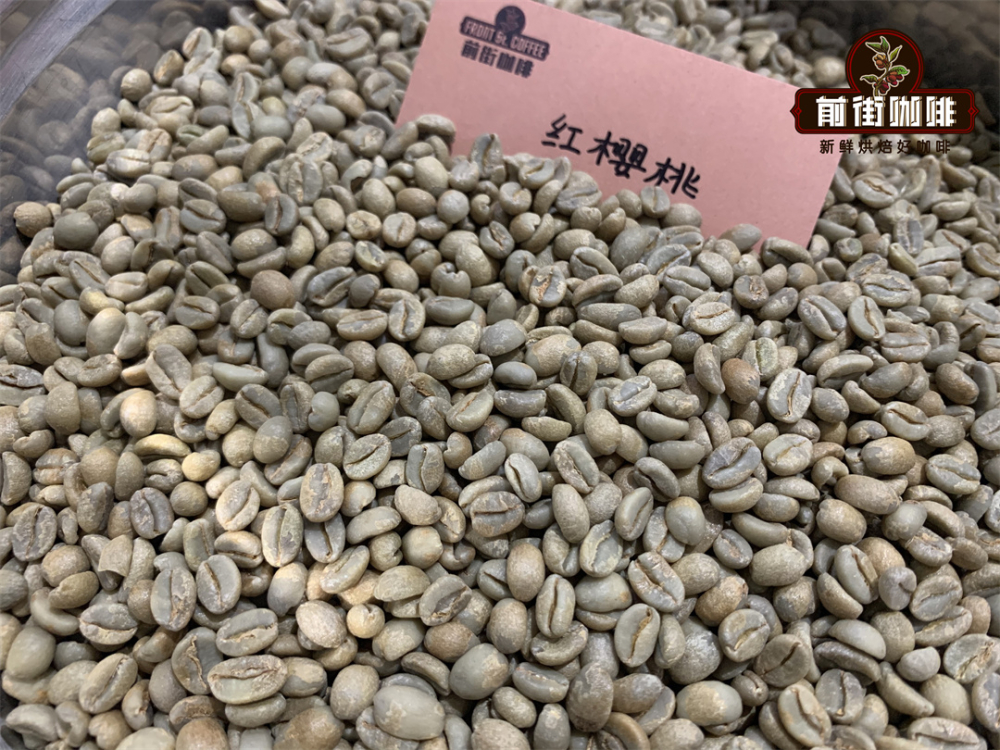
Yirgacheffe natural processing involves selecting usable coffee cherries and then placing the whole cherries, with pulp and skin intact, on raised beds for sun-drying. It is precisely this labor-intensive raised-bed drying method that prevents contact with the ground, avoiding earthy impurities during drying and creating exceptionally clean fruit flavors. After more than two weeks of sun-drying, the dark brown coffee cherries are professionally stored, awaiting full flavor development. Only before shipment are the coffee beans extracted from the coffee cherries; imagine the sweetness!
Yirgacheffe Coffee Bean Flavor Characteristics
Yirgacheffe coffee flavor: a light roast reveals unique lemon, floral, and honey-like sweet aromas, with soft fruit acidity and citrus notes, creating a fresh and bright mouthfeel. Some have described Yirgacheffe's coffee characteristics with the phrase "flowers bloom with the first sip of coffee," perfectly capturing the comfortable sensation of flowers stimulating taste buds and nasal olfactory cells. Beyond floral aromas, the delicate body feels like silk massaging the mouth, a truly marvelous texture. Yirgacheffe's floral and citrus or lemon acidity notes are very pronounced; washed beans offer fresh fragrance, bright fruit acidity, and distinct tea-like sensations, while natural-processed beans feature rich tropical fruits and fermentation aromas with a thick and sweet mouthfeel.
Natural vs. Washed Brewing Recommendations and Flavor Comparison
FrontStreet Coffee, starting with green coffee beans from Yirgacheffe washed and natural processing, conducts comparative brewing to examine the differences between FrontStreet Coffee's Yirgacheffe washed Kochere coffee beans and natural red cherry coffee beans.
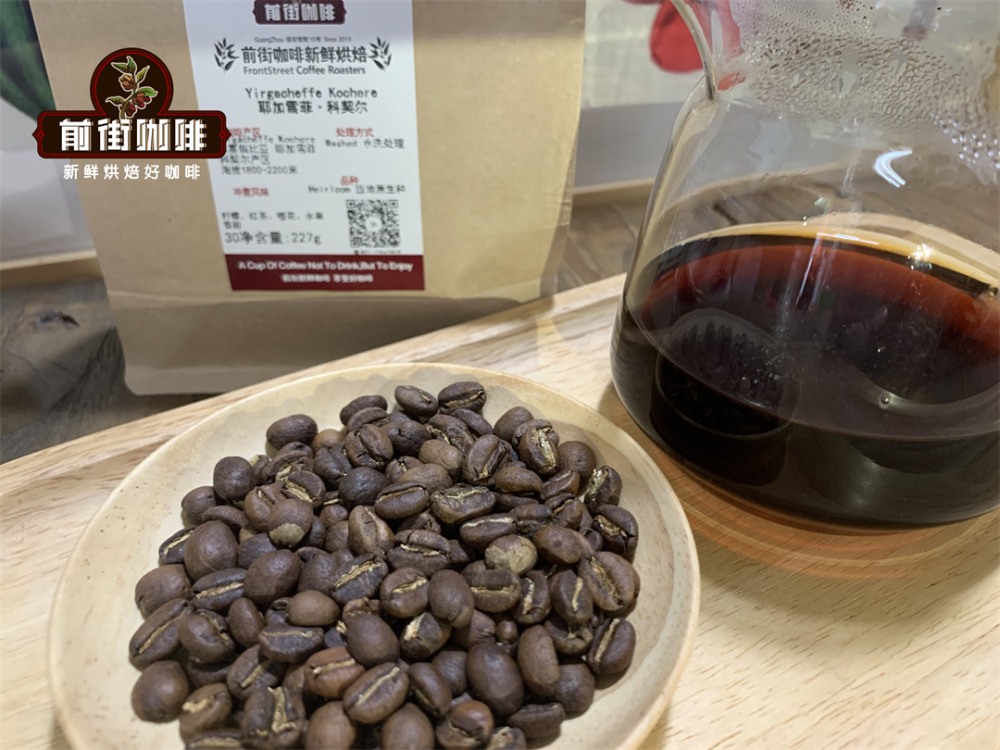
FrontStreet Coffee Yirgacheffe Kochere
Region: Yirgacheffe Kochere
Variety: Local Indigenous Varieties
Altitude: 1800-2200 meters
Processing Method: Washed Processing
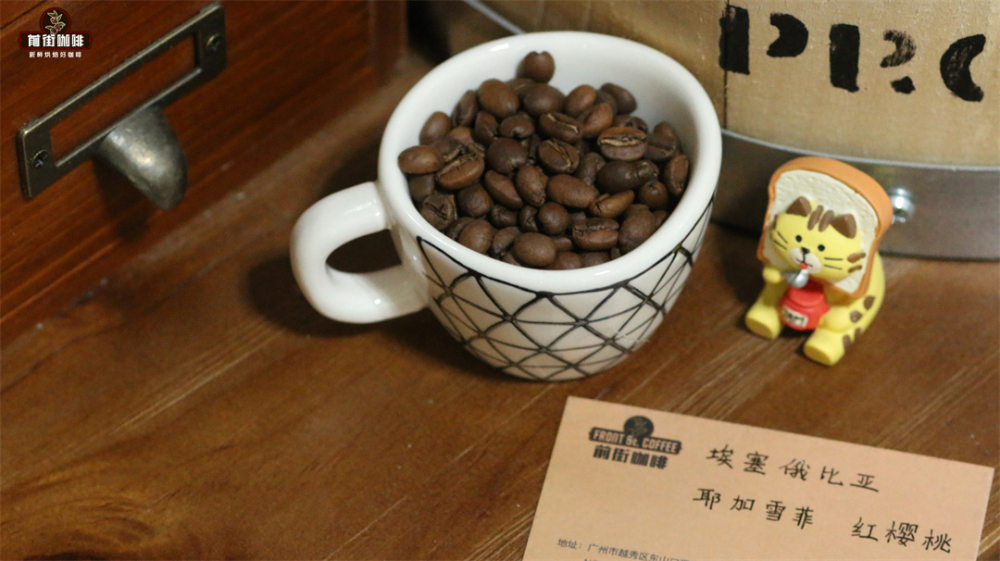
FrontStreet Coffee Yirgacheffe Red Cherry
Region: Yirgacheffe
Variety: Local Indigenous Varieties
Altitude: 1700-2200 meters
Processing Method: Natural Processing
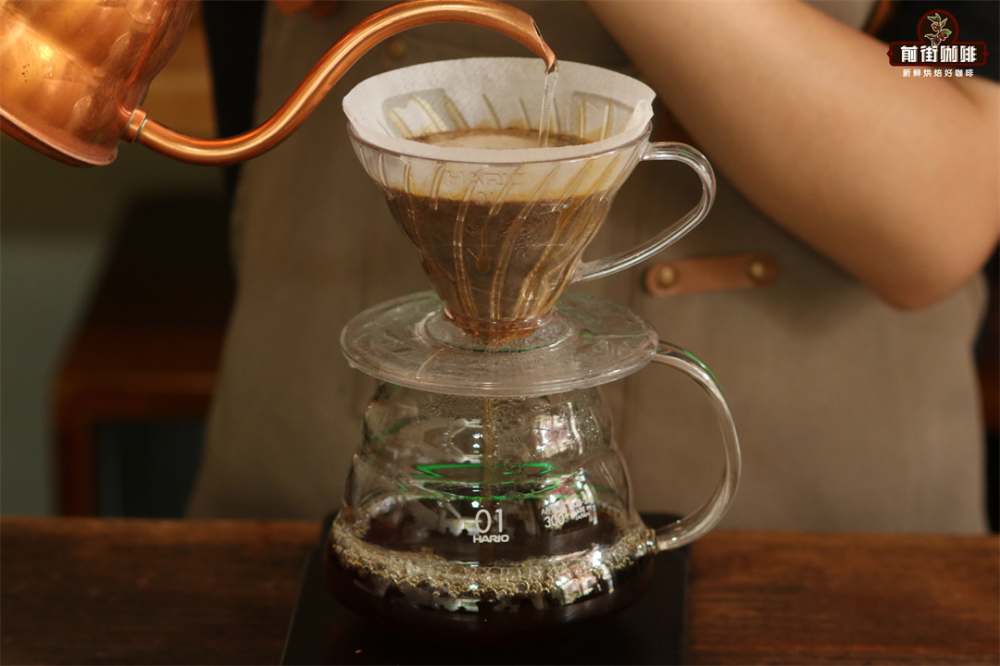
FrontStreet Coffee Brewing Recommendations
Dripper: V60 #01
Water Temperature: 90-91°C
Coffee Dose: 15g
Coffee-to-Water Ratio: 1:15
Grind Size: Medium-fine (80% retention through #20 standard sieve)
FrontStreet Coffee Brewing Technique: First, wet the filter paper with hot water while preheating the dripper and coffee server. For the first pour, inject 30g of water for a 30-second bloom, then continue pouring 95g (scale shows approximately 125g), completing the pour in about 1 minute. When the water level drops to 2/3 of the coffee bed, pour the remaining 100g (scale shows approximately 225g), completing in about 1 minute 35 seconds. The drip finishes at 2'05"; remove the dripper to complete extraction.

Brewing Comparison Results
Washed Kochere Brewing Flavor: Lemon, floral, orange blossom, fruity sweetness, overall clean and refreshing, with a honey-flavored oolong tea aftertaste in the finish.
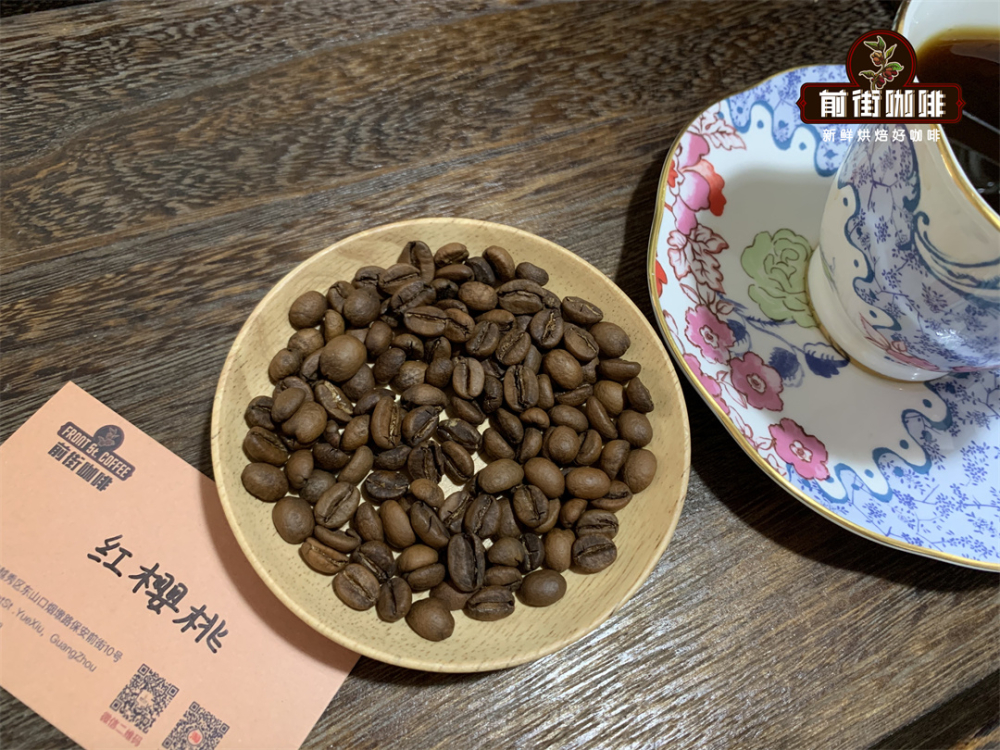
Natural Red Cherry Brewing Flavor: Lemon, licorice, citrus, berries, sweet orange, overall higher sweetness, with caramel and cream flavors in the aftertaste, finishing with black tea aroma.
Yirgacheffe Cold Brew Preparation
To accommodate more friends who love iced coffee, FrontStreet Coffee shares another coffee preparation method: Yirgacheffe cold brew. First, regarding coffee beans, FrontStreet Coffee tends to use medium-light roast coffee beans. For the container, any clean, sealable container will do. Prepare 40g of coffee grounds, ground to a fine grind (85% retention through #20 sieve), pour them into the container, then add 480ml of cold water, stir with a wooden stick, and cover with a lid.
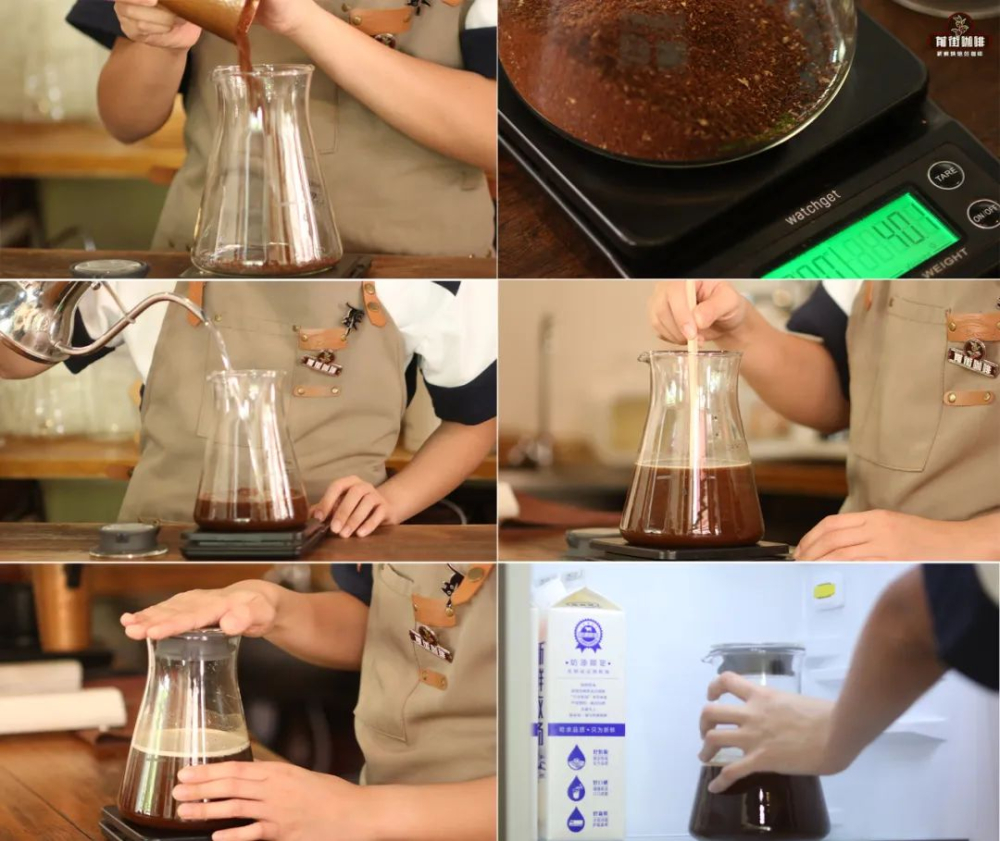
After stirring, seal with plastic wrap and place in the refrigerator for 12 hours. Then remove and filter out the coffee grounds. After filtering out the coffee grounds, you obtain a clear coffee liquid that can be enjoyed immediately, or you can bottle the filtered coffee liquid and continue refrigerating for 4 hours for even better flavor and mouthfeel.
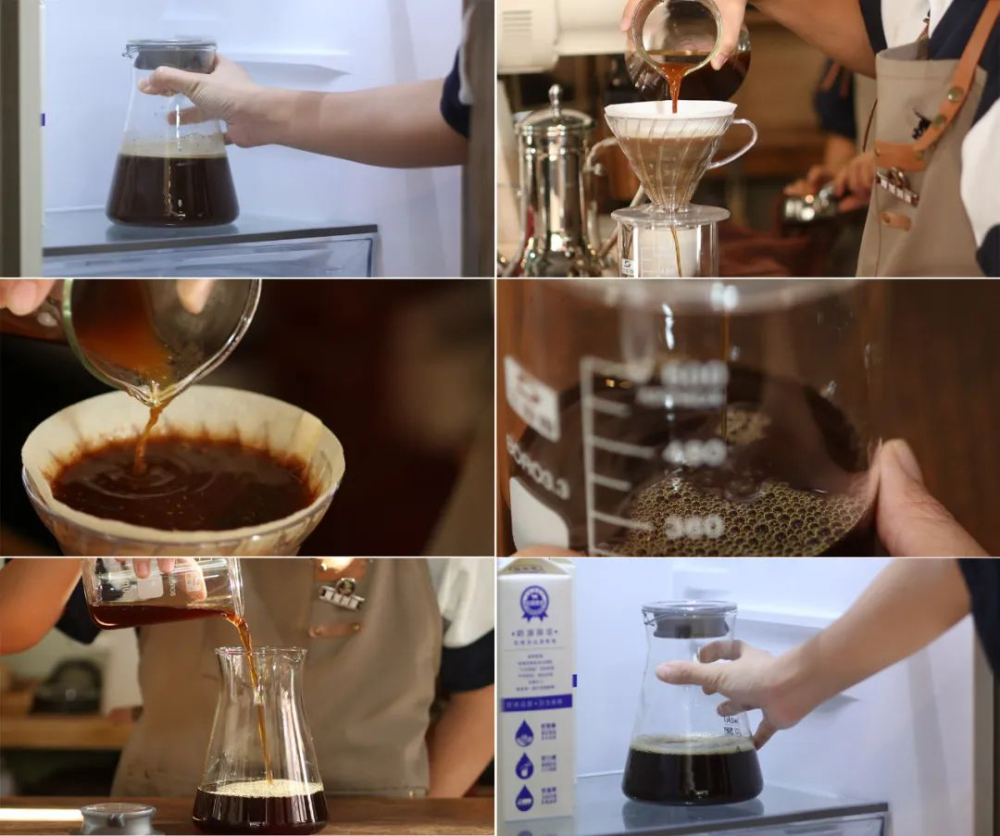
Yirgacheffe cold brew, after long steeping, offers an ice-cold mouthfeel with light aromas, featuring yellow lemon and sugar tangerine acidity, exceptionally refreshing.

Generally, considering both flavor experience and health safety, whether for cold drip or cold brew, FrontStreet Coffee recommends consuming any extraction performed in low-temperature environments within 5 days (counting from the preparation day).
FrontStreet Coffee Recommendation
If this profile appeals to you, FrontStreet Coffee's Yirgacheffe lineup is the natural starting point. For newcomers to the Ethiopian origin, begin with FrontStreet Washed Yirgacheffe, an everyday washed lot known for white jasmine, bright citrus and lemon acidity, and a tea-like body, at a friendly price that has made it the first specialty bean for many drinkers. Yirgacheffe itself is a small town in southern Ethiopia's Sidamo province at roughly 1700-2100 meters, with coffee trees planted above 1800 meters, making it one of the highest coffee regions in the world. The town was historically a wetland, and its highly recognizable white florals and lemon-citrus acidity turned "Yirgacheffe" into a byword for Ethiopian specialty coffee.
For a step up in refinement, try FrontStreet Gotiti Cooperative, from the Woka area at Yirgacheffe's southeastern edge. Once part of the Woka cooperative under the YCFCU alliance, Gotiti was separated out as a single-origin lot as demand for traceability grew; its traditional washed processing gives it a clean, bright citrus and lemon character with elegant white florals. For natural-processing fans, FrontStreet Natural Red Cherry is picked from fully ripe red cherries and dried on raised beds for three to five weeks, yielding citrus acidity, a berry-juice mouthfeel, honeyed sweetness, and a creamy smoothness. Brew any of them with a V60: 15g of coffee, 90-91°C water, a 1:15 ratio, and a medium-fine grind around fine-table-sugar size (about 80% through a #20 sieve).
Important Notice :
FrontStreet Coffee is a long-established specialty coffee roaster in Guangzhou China, selling freshly roasted beans from its own farm in Yunnan as well as dozens of carefully selected single-origin beans from around the world for both pour-over and espresso. The products deliver consistently excellent quality and great value, with shipping within 24 hours. Guangzhou's FrontStreet Coffee shop is recommended by many coffee lovers, and the beans are now available online at the Tmall 。
FrontStreet Coffee has moved to a new address:
FrontStreet Coffee Address: 315,Donghua East Road,GuangZhou
Tel:020 38364473
 Scan and follow the En Gafei WeChat official account. Please indicate that the reprint comes from "En Gafei".