Introduction to Geisha Coffee Bean Grades and Flavor Characteristics - Brewing Methods and Tasting Guide
For professional coffee knowledge exchange and more coffee bean information, please follow Coffee Workshop (WeChat official account: cafe_style)
For more specialty coffee beans, please add FrontStreet Coffee on WeChat, ID: qjcoffeex
The Origin and History of Geisha Coffee
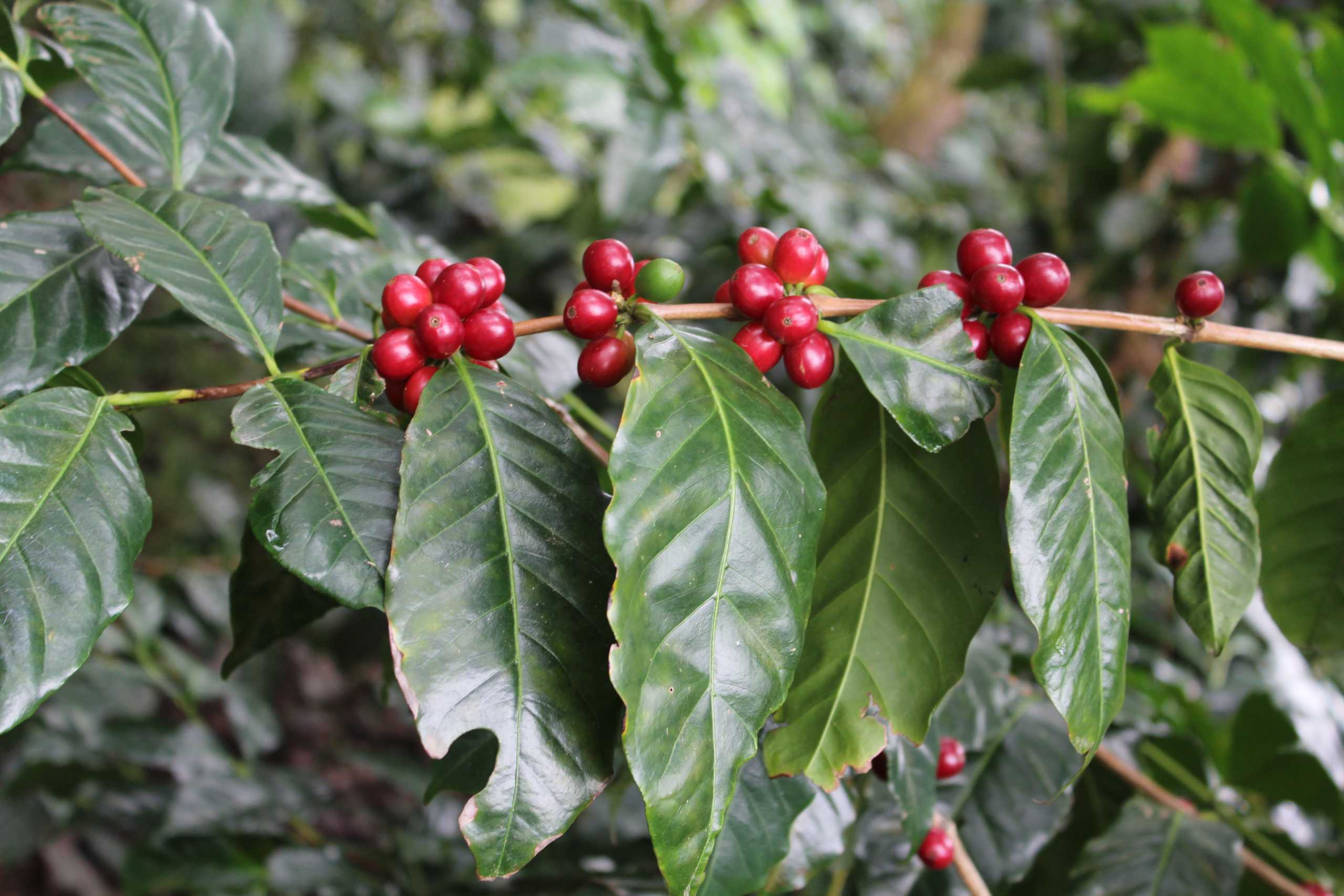
The Geisha variety was discovered in 1931 in the Geisha forest of Ethiopia and then sent to the Coffee Research Institute in Kenya; it was introduced to Uganda and Tanzania in 1936, and to Costa Rica in 1953.
Both the research institutes in Tanzania and Costa Rica recognized the variety's resistance to coffee leaf rust, but because of the fragility of its branches, it could not be widely propagated. It was therefore mainly used for variety cultivation and research, filed under the code T2722.
Geisha Coffee's Journey to Panama
In Panama, during the 1970s, Mr. Francisco Serracin of Hacienda La Esmeralda obtained seeds from CATIE in Costa Rica and distributed them to other farms in the Panama region for cultivation. When they reached the Boquete region of Panama, they grew in high-altitude areas but attracted little attention from local farmers.
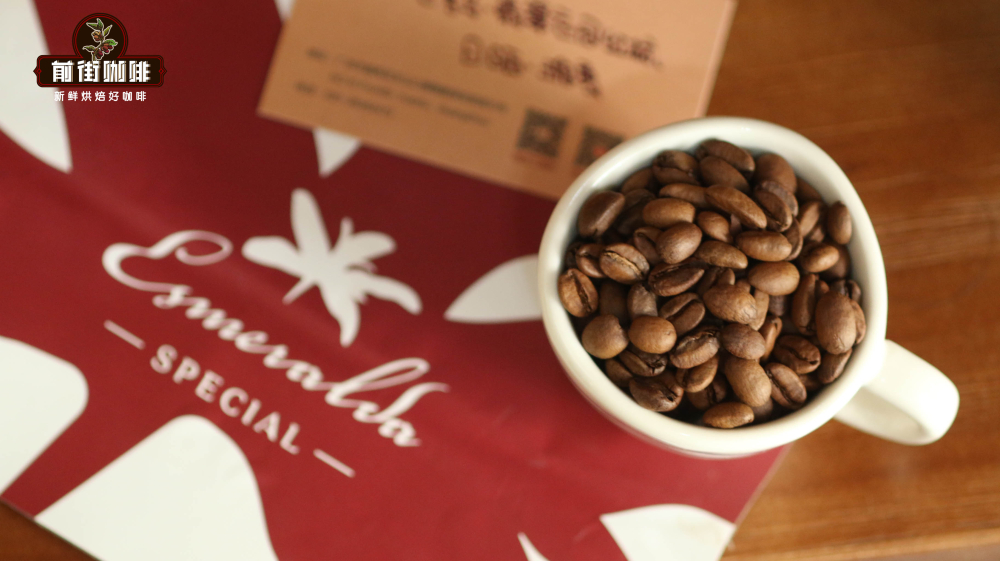
Over the next 30 years, Geisha coffee continuously adapted its genes to the local terroir and climate, accidentally developing an enchanting, refined floral and fruit aroma. Around 2000, it was discovered by the owner of Hacienda La Esmeralda, and in 2004 it was entered as a separate category in the BOP (Best of Panama) competition.
Impact on the Coffee Industry
Because its flavor was completely different from traditional coffee, its fresh taste amazed the competition judges and drew the attention of the entire coffee industry to this bean. To this day, Geisha remains the first name that comes to mind when people talk about specialty coffee.
The emergence of Geisha also overturned the practice of only deep-roasting coffee, showing everyone that when beans are of high quality, light roasting can deliver equally stunning results, while bringing fresher flavors and richer layers to the cup.
Flavor Characteristics and Regional Variations
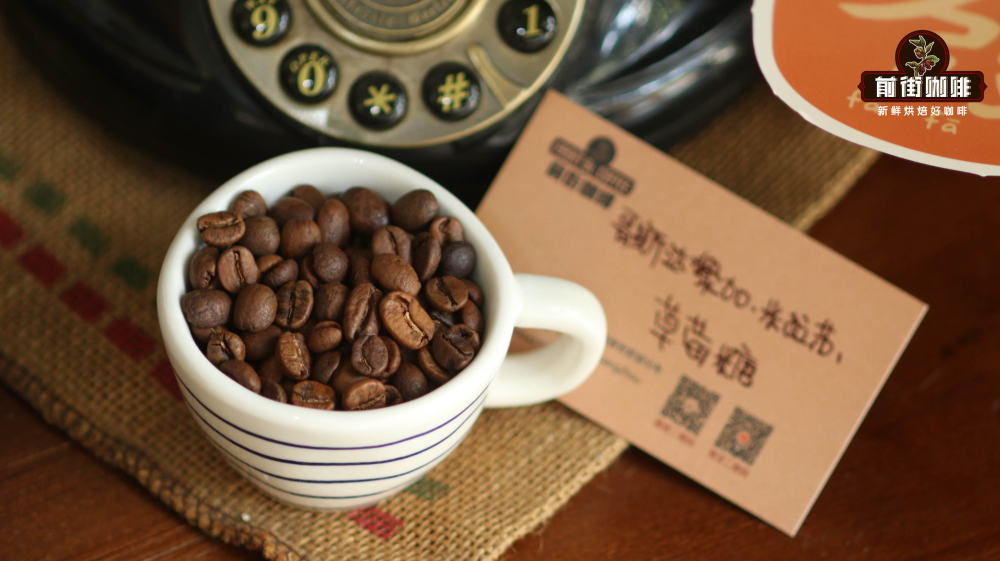
Although Geisha beans can exhibit rich floral aromas, bright fruit acidity, honey-like sweetness, and a floral, tea-like aftertaste when roasted to light-medium levels, not all Geisha beans display such flavors.
According to FrontStreet Coffee's roasting and brewing experience, Geisha grown in different regions shows distinct variations. For example, Geisha grown in Costa Rica has less bright acidity than Panama's and carries nutty and caramel flavors, so it needs a medium roast to build body and bring out more sweetness.
Brewing Recommendations
Because Geisha is mostly grown at high altitudes, its beans are relatively hard (high density), making the flavors harder to extract. When brewing light-medium roasted Geisha, FrontStreet Coffee therefore recommends a medium-fine grind—powdered-sugar texture (75-80% pass-through on a Chinese No. 20 standard sieve)—paired with 90-91°C water, using pour-over drip extraction.
FrontStreet Coffee's Geisha brewing parameters: dripper: V60 #01; coffee dose: 15g; coffee-to-water ratio: 1:15; water temperature: 90-91°C; grind size: medium-fine (80% pass-through on a No. 20 standard sieve).
Three-Stage Pour-Over Technique
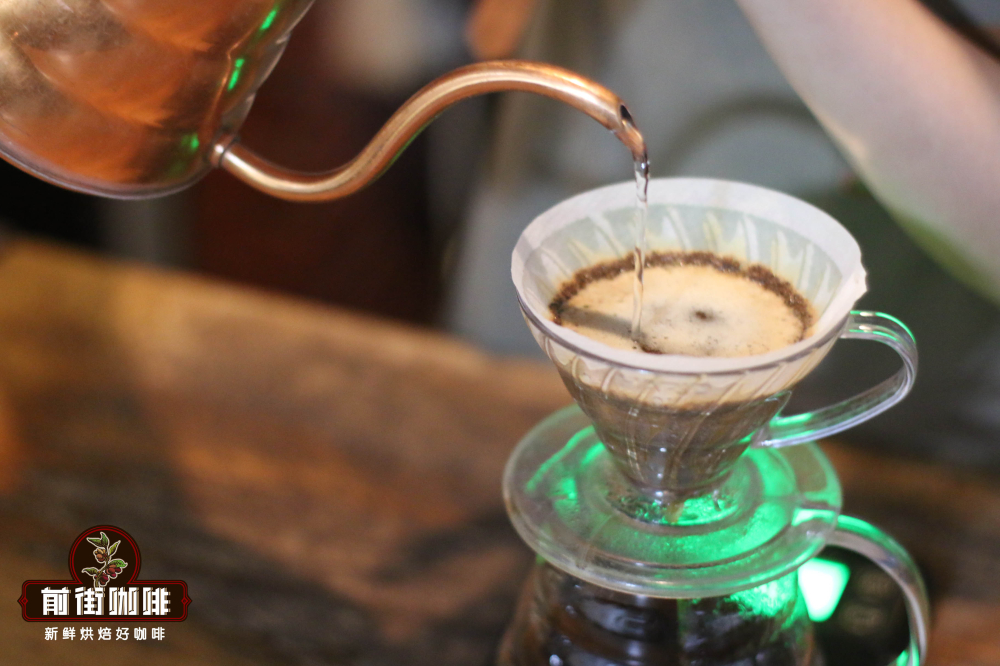
For technique, a three-stage pour is recommended: start the timer and pour 30g of water to bloom for 30 seconds. After 30 seconds, begin the second small circular pour to 125g. When the coffee level in the dripper drops to 2/3 of the coffee bed, start the third small circular pour to 225g, then stop. When all the liquid has flowed into the server, remove the dripper and finish the extraction. The total extraction time for Geisha typically falls between 2 minutes 10 seconds and 2 minutes 20 seconds.
FrontStreet Coffee Recommendation: Which Geisha Should You Buy First?
Geisha now comes in many guises, and FrontStreet Coffee stocks the full spectrum. For a gentle entry into the classic profile, the Boquete Geisha delivers the signature orange-blossom honeyed aroma with oolong-tea texture and delicate fruit acidity at an accessible price. In Ethiopia, Gesha Village grades its lots into Gold Label RARITIES (10% of production, often chosen by competition baristas), Red Label GROWERS RESERVE (15%, SCA 88+), Green Label SINGLE-TERROIR, and Chaka. For everyday value, the Genlana estate Gesha from Yirgacheffe—grown on 700 hectares of rich, shaded land at a station founded in 2014 and run by Israel Degefa, with hand-picked cherries sun-dried on raised beds for 14-20 days—takes a medium-light roast and shows bright citrus acidity, elegant ginger-flower aroma, ripe fruit sweetness, and a silky, signature Gesha finish. Brew any of them on a V60 #01 with 15g of coffee, a 1:15 ratio, 90-91°C water, and a three-stage pour to 225g for around 2:10-2:20 of pure florals.
Important Notice :
FrontStreet Coffee is a long-established specialty coffee roaster in Guangzhou China, selling freshly roasted beans from its own farm in Yunnan as well as dozens of carefully selected single-origin beans from around the world for both pour-over and espresso. The products deliver consistently excellent quality and great value, with shipping within 24 hours. Guangzhou's FrontStreet Coffee shop is recommended by many coffee lovers, and the beans are now available online at the Tmall 。
FrontStreet Coffee has moved to a new address:
FrontStreet Coffee Address: 315,Donghua East Road,GuangZhou
Tel:020 38364473
 Scan and follow the En Gafei WeChat official account. Please indicate that the reprint comes from "En Gafei".