What is Pour-Over Coffee: Basic Knowledge and Three-Stage Pouring Steps Illustrated

Many friends have bought FrontStreet Coffee's beans to brew at home and asked in the comments how to make pour-over coffee. So FrontStreet Coffee would like to share how beginners can get started with brewing.
Watch the Video First
The first video is a brewing clip from "Beginner's Guide by Top Baristas" showing cone-dripper pour-over.
Link: https://www.bilibili.com/video/BV1fs411V76s/?spm_id_from=333.337.search-card.all.click
The video shows a Japanese barista demonstrating the standard brewing process for cone-dripper pour-over. Several details are worth noting:

- First, wet the filter paper. As you can see, it's natural wood-colored. Wetting removes the papery woody taste and helps the paper sit snugly against the dripper. The hot water also preheats the dripper and server, but remember to pour the water out of the server before brewing!
- For the bloom, the narrator explains that all the grounds need to be saturated. Bloom water is about 30ml (twice the dose), and the bloom lasts 20-30 seconds. Should it be 20 or 30 seconds? That depends on the roast. Blooming is really the grounds degassing; when the gas release ends and aroma starts to rise, the bloom is done. If you can't judge that precisely, use "no more bubbling" as the standard and keep the bloom between 20-30 seconds.
- The brew uses staged pouring. Don't wait until the bed is completely dry before pouring again. When the brew ends, notice that a powder bowl forms rather than a flat bed, a sign that not too much water was dumped in at once, preventing water from bypassing the coffee and running straight into the server. This happens more with the V60, whose grooves let water flow through quickly; if the water level climbs too high during the brew, the resulting coffee will be under-extracted.

- Watch her pouring: the stream is vertical, in small circles. That's because the coffee bed in a cone dripper is thicker in the middle and thinner at the edges, and small circles also keep water from channeling straight into the server without passing through the grounds, which would leave the cup thin. Note that after brewing she also swirls the server to even out the liquid, so no two sips differ in strength.
Next, another video, the 2017 World Brewers Cup champion Wang Ce's competition routine. Below are edited clips from his brew that day.
Link: https://www.bilibili.com/video/BV1AW41137Je/?spm_id_from=333.337.search-card.all.click
He prepared three cups simultaneously. Focus on the first cup's bloom: total brew time was 2 minutes. After a 28.86-second bloom (timed from the first pour), he poured again. When he had poured all 250ml of water, he didn't yank the V60 off, he let every drop of extracted coffee flow into the server.
In daily practice we see some baristas lift the dripper the moment time is up, even with liquid still in it. That detail makes the actual coffee-to-water ratio inaccurate, a sign the flow rate wasn't right and the extraction time didn't match the ratio.

General Principles of Pour-Over Coffee
There's no single right answer to pour-over method. The goal is a suitable cup with appropriate grind size, water temperature, and brew time, neither under- nor over-extracted. From that principle, techniques and parameters can be adjusted to your circumstances and the condition of the beans.
For beginners, once you've mastered the five parameters, grind size, water temperature, coffee-to-water ratio, brewing time, and pouring technique, a good cup is hardly difficult.
Coffee Grind Size
Grind size matters for every brew method. For pour-over there are two indicators: uniformity and coarseness. Uniformity is critical and depends mainly on grinder quality; too many fines can only be solved with "financial firepower" (a better grinder). Coarseness has a workable range, too fine tastes bitter and astringent, too coarse tastes like nothing.

FrontStreet Coffee's recommended pour-over grind is a 70-80% pass rate on a #20 standard sieve (worth buying if you don't have one, inexpensive, under 50 yuan). For light-to-medium roasts, aim for the 75-80% range; for medium-to-dark roasts, 70-75%.
[Beginner's tip for judging roast level: read the flavor notes on the bag. Prominent sour descriptors, citrus, lemon, berries, fruity florals, indicate light roast. Prominent sweetness, nuts, and chocolate with slight fruit acidity indicate medium. Nuts, chocolate, cream, and rich body indicate dark! Not absolute, but true in most cases.]
Brewing Water Temperature
In pour-over, the higher the water temperature, the stronger the extraction; the lower the temperature, the harder it is for flavors to emerge. FrontStreet Coffee recommends 86-93°C. Our stores pick the temperature per bean: 90-93°C for light-to-medium roasts, 86-89°C for medium-to-dark.

Coffee-to-Water Ratio
FrontStreet Coffee's store standard is 15 grams of coffee with 225 grams of water, a 1:15 ratio, chosen because coffee tastes most balanced there, with flavors evenly distributed.
It doesn't have to be 1:15. Recommended pour-over ratios run from 1:14 to 1:18. The smaller the ratio, the stronger the cup; the larger, the weaker. Adjust to your taste.
Brewing Time
With the parameters above, a pot of pour-over takes about 2 minutes, give or take 10 seconds. Treat it as a calibration number: if your parameters are right but the brew time is off, the problem is your pouring. If your technique looks right, then check the grind.
Pour-Over Technique
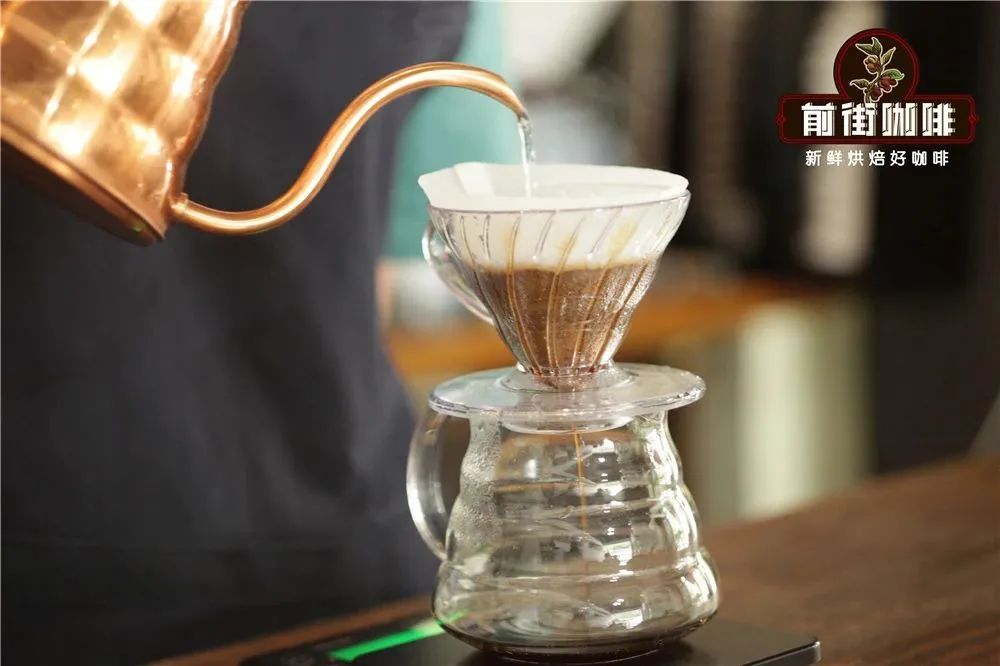
Now for the part everyone cares about, the pouring itself. As the first video showed, a delicious cup doesn't require virtuoso skills: keep the flow stable, the stream straight, and pour in circles at a steady speed. Circular pouring keeps the water from wandering and builds a good flow path for even extraction. The video also warns against pouring on the junction between dripper wall and coffee bed, breaking the bed wall lets later water run straight down the ribs without passing through the grounds.
The spent coffee bed can also tell you a lot. For example:
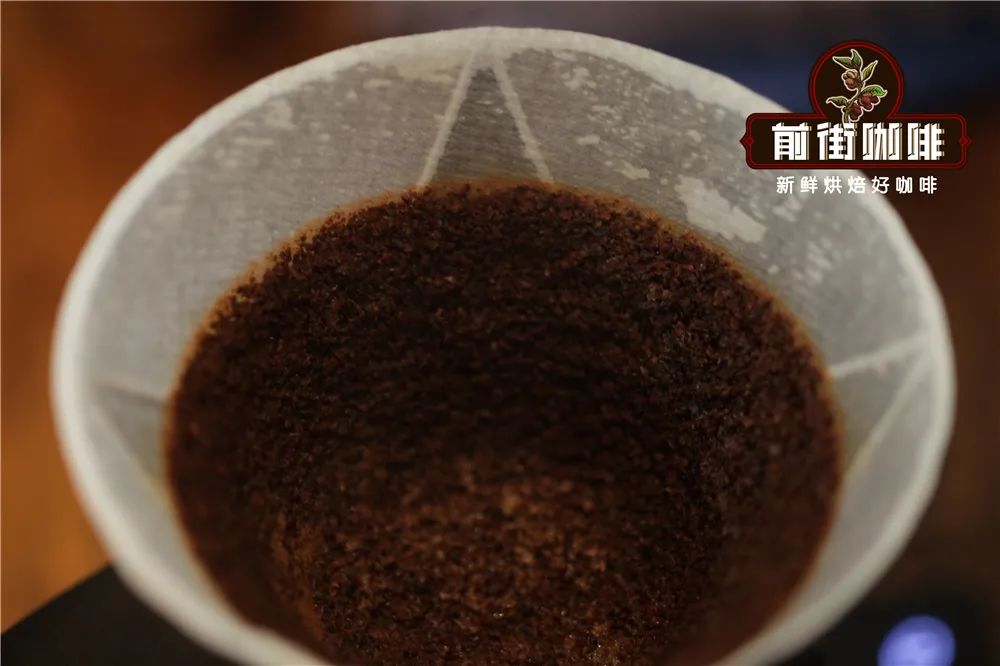
A properly brewed bed is bowl-shaped, with walls of consistent thickness and a flat, even pit, the ideal result of even extraction.
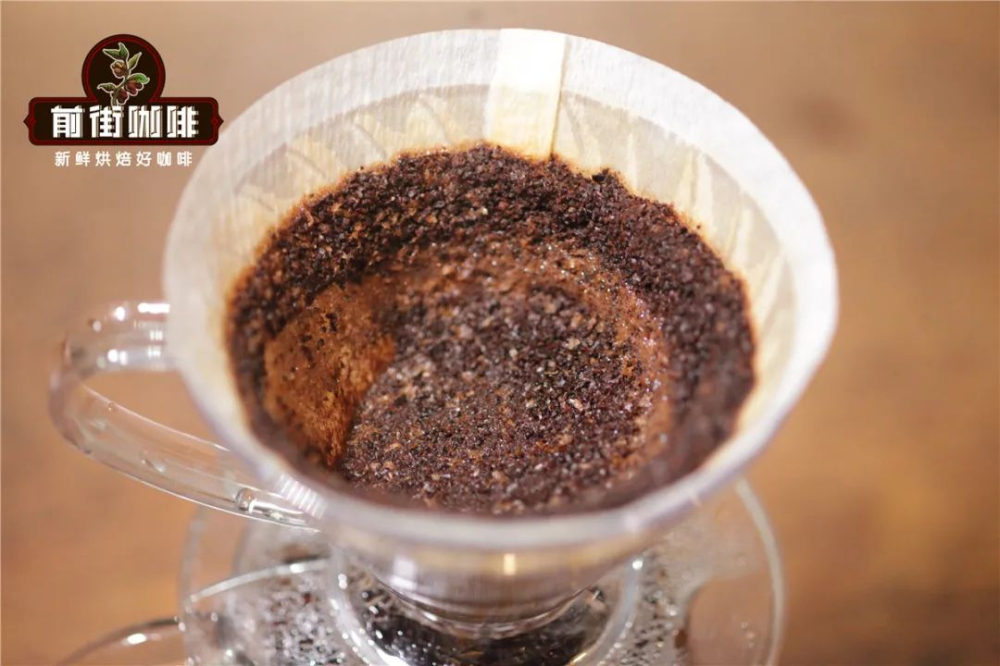
This bed's problem is uneven pouring: low on the left, high on the right, walls thin on the left and thick on the right, with the left wall visibly broken. The cause may be an unstable stream, pouring the outer circles, the flow hits harder on the side away from the kettle and softer on the side near it. A broken bed wall triggers "channeling": water races down the dripper's ribs and bypasses the grounds, producing uneven extraction.
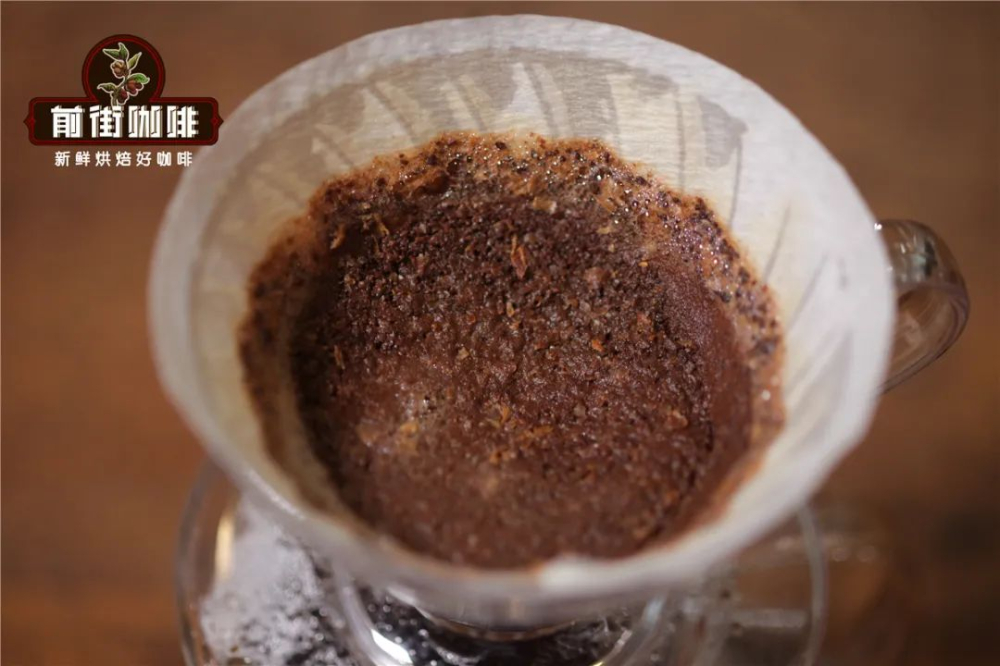
Here, scattered particles and foam cling to the top of the bed wall, likely because in a multi-stage pour, later water washed over the previously formed wall, and overflow drained away along the rib edges, causing under-extraction or a drop in concentration.
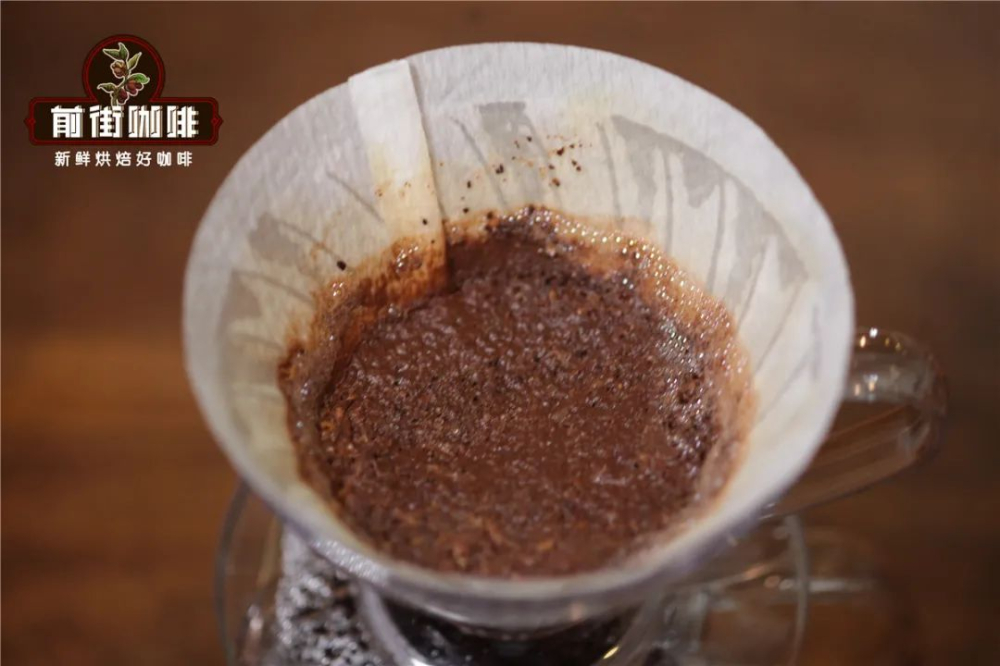
The muddy fine particles at the bottom of this bed point to too many fines, which will make the coffee bitter and astringent. And grounds washed down the dripper wall with coffee oil stuck at the edge clearly mean the pouring circles were too large and hit the filter paper.
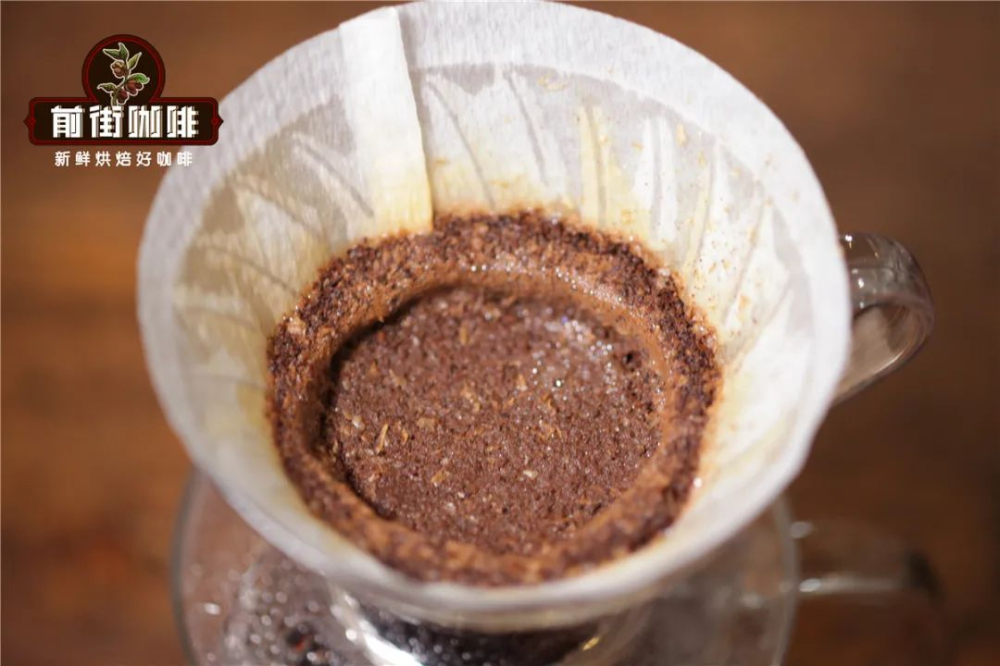
This bed shows obvious layering and unusually thick walls. The low bed height suggests pouring with a small flow in small circles at the center: too much impact in the middle while water penetrated the edges slowly, again producing uneven extraction.
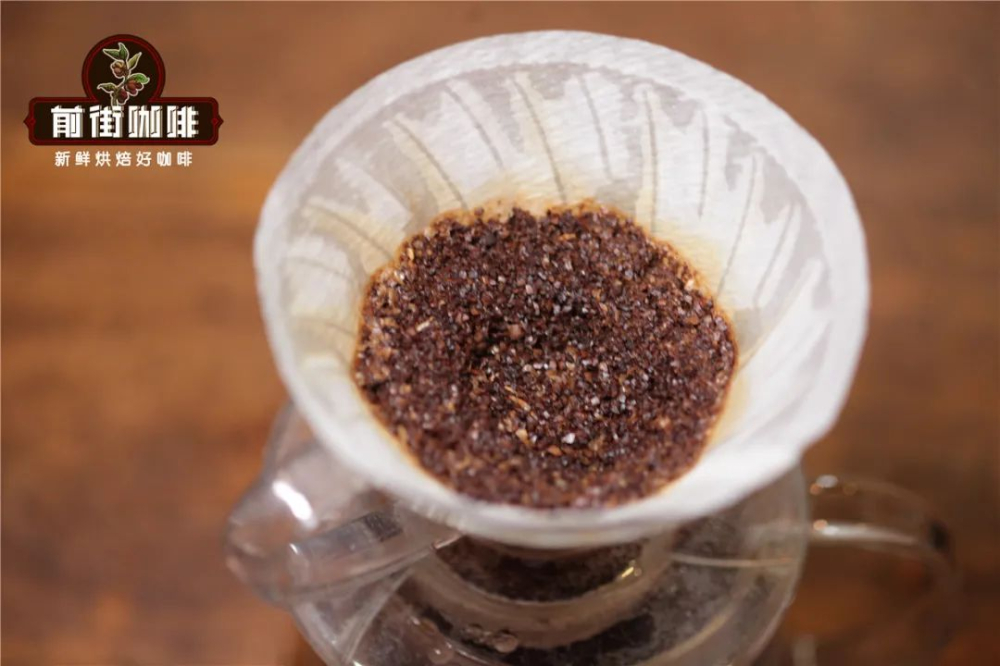
This bed visibly shows large coffee particles, a grind size problem.
Frequently Asked Questions
A few more questions we hear often:
Q: Why doesn't my coffee bloom properly?
A: Three likely reasons: the beans aren't fresh; the grind is wrong; or it's a light roast, which naturally doesn't expand much.

Q: What causes bitterness and astringency?
A: Check water temperature and grind. If the beans are fine, it's usually too fine a grind or excessive fines. Water that's too hot can also easily cause bitterness and off-flavors.
Q: Why does my coffee taste like nothing?
A: First check that water temperature, grind, and ratio are sensible. Temperature (86-93°C) and ratio (1:15) are easy to verify. For grind, watch the flow: if extraction finishes before 1 minute 30 seconds, the grind is too coarse. Another possibility is that you broke through the coffee bed while pouring.
See? Almost every brewing problem traces back to grind size. Think in reverse: master the grind and you avoid a whole bundle of problems.
FrontStreet Coffee Recommendation
Ask any seasoned coffee friend to recommend a practical, beginner-friendly, good-looking dripper, and chances are they'll say V60, and pair it with the right beans:
About the V60, The company behind the V60, Hario, was founded in Tokyo in 1921 as a well-known glassware maker, originally producing heatproof glass instruments for research institutions; the heatproof glass server that so often accompanies pour-over is one of Hario's popular products. In 2004, Hario redesigned the V60 prototype into the form we know today, naming it for its unique 60-degree cone angle and "V" shape, and released it a year later. Compared with other drippers, the conical shape and 60-degree angle force the water to flow to the center before dripping through, extending contact between water and grounds so aroma and flavor extract fully. The V60's signature single large outlet lets water run unimpeded, flow speed depends almost entirely on the brewer's control, and shows up directly in the cup.
Light-roast, floral-fruity beans for V60, Before the third wave, coffee favored medium-dark roasts and flavors of body, sweetness, and caramelization, chocolate, maple, nuts, vanilla, best shown through siphon or cloth brewing; FrontStreet Blue Mountain No. 1 and FrontStreet PWN Golden Mandheling were the era's most popular beans. With the third wave, drinkers began chasing origin character, Ethiopia's white florals, Kenya's berry acidity, roasts shifted lighter, and taste moved from mellow sweetness to refined acidity. The V60's fast extraction gives coffee more three-dimensional aroma and lively acidity, letting florals, fruit, clean sweetness, and tea notes shine. That's why floral-fruity beans like FrontStreet Gudingding (classic Yirgacheffe character), the tropically fruity FrontStreet Huakui, Geisha-like FrontStreet Strawberry Sugar, and raisin-noted FrontStreet Mozart are perfect for a V60.
Why resin?, V60s come in resin, ceramic, glass, copper, and stainless steel. Material affects looks, weight, and subtle thermal differences in extraction, but the structure never changes. FrontStreet favors the resin Hario V60 because resin effectively blocks heat loss, and in mass production resin is the easiest material to mold with the smallest dimensional error.
Important Notice :
FrontStreet Coffee is a long-established specialty coffee roaster in Guangzhou China, selling freshly roasted beans from its own farm in Yunnan as well as dozens of carefully selected single-origin beans from around the world for both pour-over and espresso. The products deliver consistently excellent quality and great value, with shipping within 24 hours. Guangzhou's FrontStreet Coffee shop is recommended by many coffee lovers, and the beans are now available online at the Tmall 。
FrontStreet Coffee has moved to a new address:
FrontStreet Coffee Address: 315,Donghua East Road,GuangZhou
Tel:020 38364473
 Scan and follow the En Gafei WeChat official account. Please indicate that the reprint comes from "En Gafei".