How to Achieve Great Pour-Over Coffee Flavor and Brew Non-Bitter Coffee
How to Achieve Great Pour-Over Flavor and Brew Non-Bitter Coffee
Is your coffee too bitter or too astringent?
When many people first meet coffee, they equate bitterness with richness and richness with aroma. When we meet such customers, we patiently explain what coffee flavors actually are: richness does not necessarily mean aroma, and bitterness is not always the point. For someone who has never studied coffee, the flavor wheel is a useful tool - taste the coffee in your mouth and you can begin to identify its flavors.
That said, many enthusiasts, especially those just starting to explore tasting, can begin learning pour-over with beans that have more distinctive profiles, such as Brazil, Mandheling, and Yirgacheffe.
Brazil represents the flavor profile of the American growing region.
Mandheling represents the flavor profile of the Asian growing region.
Yirgacheffe represents the flavor profile of the African growing region.
The Perfect Coffee Experience
Everyone wants to drink delicious coffee - sweet and smooth, with an explosive aroma and a long-lasting aftertaste - and to enjoy that experience every time.
Factors Affecting Coffee Flavor
Many variables shape how coffee tastes: time, temperature, brewing equipment, and more. Besides good beans and good equipment, though, the key to good coffee lies in the grind size.
Understanding Coffee Grind Size
Once you have chosen your beans and equipment, the next question is how fine the coffee should be ground.
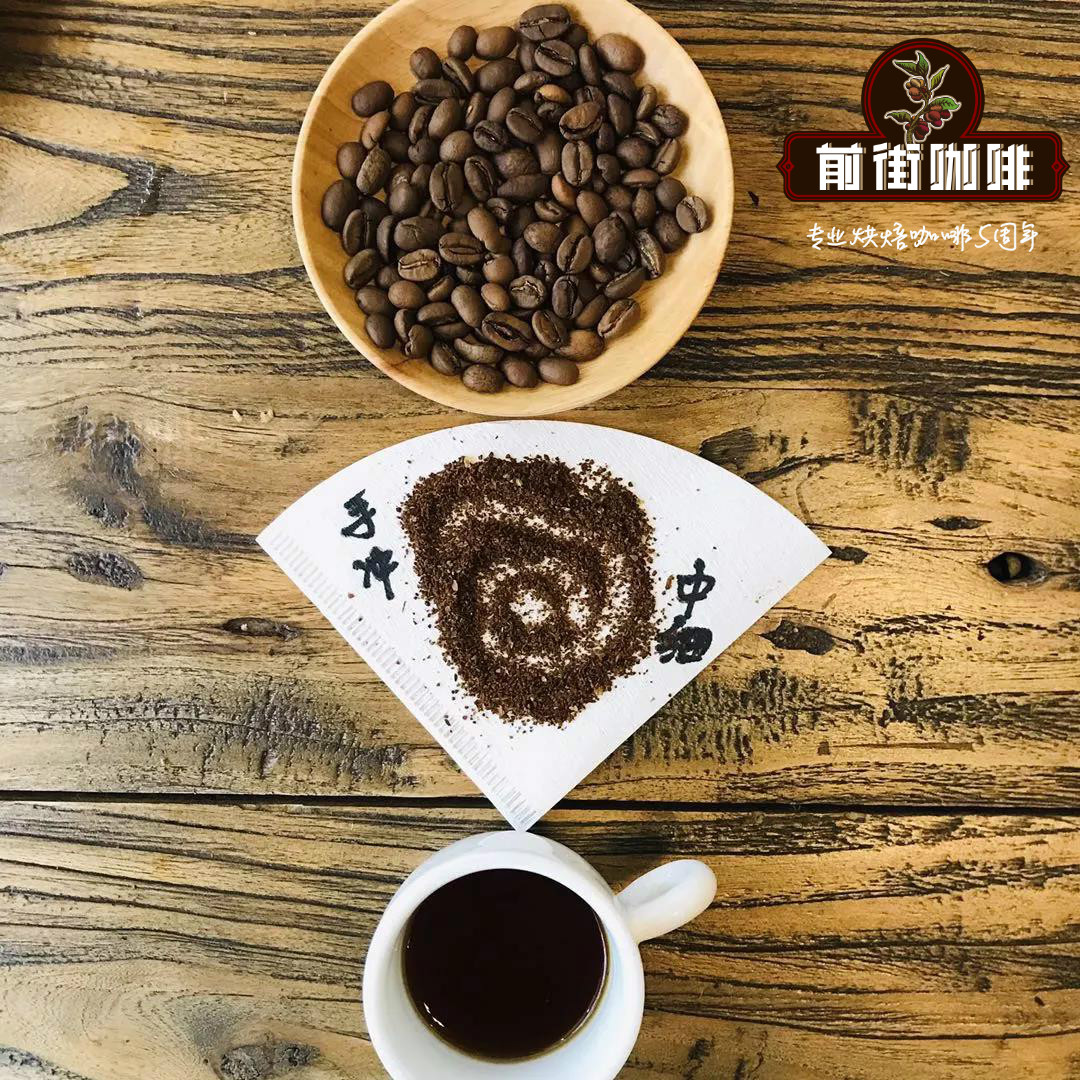
Taking the Fuji Mini grinder as an example, the optimal grind for pour-over coffee is between settings 3-4. Fine granulated sugar is a useful reference.
Many brewing guides mention "salt-like coarseness" or "fine sand-like coarseness" when talking about grind. When you see these descriptions, the exact range may not be obvious. The most accurate approach is to grind a small amount and compare. Mandheling sits around "fine sand-like coarseness," cold drip is like "granulated sugar coarseness," and medium-light roasted Yirgacheffe is slightly coarser than granulated sugar.
Correct Grind Size Creates Better Coffee
The secret to good coffee lies in extraction, but what does extraction actually mean? Extraction is the process by which flavor and aroma compounds from the beans are released into the water and combine with it, producing a delicious cup.
These compounds represent different tastes - some bring sweetness, some bitterness, some fruitiness, some astringency - and they are extracted at different times.
Medium-fine grind is roughly like white granulated sugar (the common supermarket white sugar, slightly coarser than standard). Pour-over coffee typically settles on a medium-fine grind. Since this is such a common size, coffee lovers should experiment with their grinder to find their own ideal medium-fine setting.
Todd, the 2014 and 2016 American Brewers Cup champion, told the author that coffee compounds are extracted in this order:
Acidity, sweetness, bitterness, and finally astringency.
This means that by controlling the extraction rate, you control how many compounds dissolve into your coffee - in other words, you decide the coffee's flavor. Whether you brew pour-over or espresso, this is a fundamental principle for building a recipe, and grind size is certainly one of the variables, because it directly affects extraction.
Personal Experience with Different Coffee Beans
Different origins, varieties, and processing methods all affect how coffee tastes. Using FrontStreet Coffee beans as a reference:
Consider Altitude:
Lower-altitude beans have a softer texture and resist extraction less. These typically use a medium grind, such as Brazil and Mandheling. High-altitude beans have a harder texture and resist extraction more, typically using a medium-fine grind, such as Panama, Costa Rica, Yirgacheffe, and Kenya.
Consider Roast Level:
Dark roasts like Brazil and Mandheling use a medium grind.
Light or medium-light roasts use a medium-fine grind.
Consider Age:
Typically use a medium-fine grind during the 7-14 day degassing period. Use a coarse grind after 1 month, though the specifics depend on the bean's parameters.
With a V60 dripper, the coffee bed is thicker and the contact time between grounds and water is longer. Fine particles tend to collect at the bottom, and prolonged soaking easily extracts bitterness and astringency, so it is important to control the amount of fine particles. If your grinder produces too many fines at the same setting, you can use a sifter to keep them within a certain range.
FrontStreet Coffee Recommendation
For learning pour-over, a clean, forgiving bean teaches you far more than a difficult one. These are the FrontStreet beans we suggest first.
FrontStreet Washed Yirgacheffe Staple - the classic introduction to the Ethiopian region. It is known for white jasmine, bright citrus and lemon acidity, and a tea-like body, and its friendly price makes it many people's first specialty coffee. Grown at roughly 1700-2100 meters, with the trees planted above 1800 meters, it is one of the highest coffee regions in the world, and it gave Yirgacheffe its name as a byword for white florals and lemon-citrus acidity.
FrontStreet Gudingding Cooperative - the Yirgacheffe town area splits into many small zones and villages, and several experienced cooperatives there produce even finer coffee. The standout is the Gudingding Cooperative in Gudingding village, in the Woka area at the southeastern end of Yirgacheffe. Once part of the Woka Cooperative under the Yirgacheffe union YCFCU, it was later singled out as a single-origin site by coffee hunters around the world. Its traditional washed processing gives it no bitterness, with fresh, bright citrus and lemon acidity and jasmine fragrance.
FrontStreet Sun-Dried Red Cherry - also from Yirgacheffe, this uses fully ripe red cherry natural processing, picking only fully mature, sound fruit. The cherries are dried on raised beds for three to five weeks, turned every 2-3 hours early on to avoid uneven heating and over-fermentation. Because the fruit dries with the pulp on, it keeps the typical Yirgacheffe character while adding natural tropical fruit, with citrus acidity, berry juice, honey sweetness, and a creamy smoothness.
Important Notice :
FrontStreet Coffee is a long-established specialty coffee roaster in Guangzhou China, selling freshly roasted beans from its own farm in Yunnan as well as dozens of carefully selected single-origin beans from around the world for both pour-over and espresso. The products deliver consistently excellent quality and great value, with shipping within 24 hours. Guangzhou's FrontStreet Coffee shop is recommended by many coffee lovers, and the beans are now available online at the Tmall 。
FrontStreet Coffee has moved to a new address:
FrontStreet Coffee Address: 315,Donghua East Road,GuangZhou
Tel:020 38364473
 Scan and follow the En Gafei WeChat official account. Please indicate that the reprint comes from "En Gafei".