How Does Brazilian Red Bourbon Single Origin Taste? Brazilian Red Bourbon Single Origin Pour Over Brewing Parameters and Tutorial
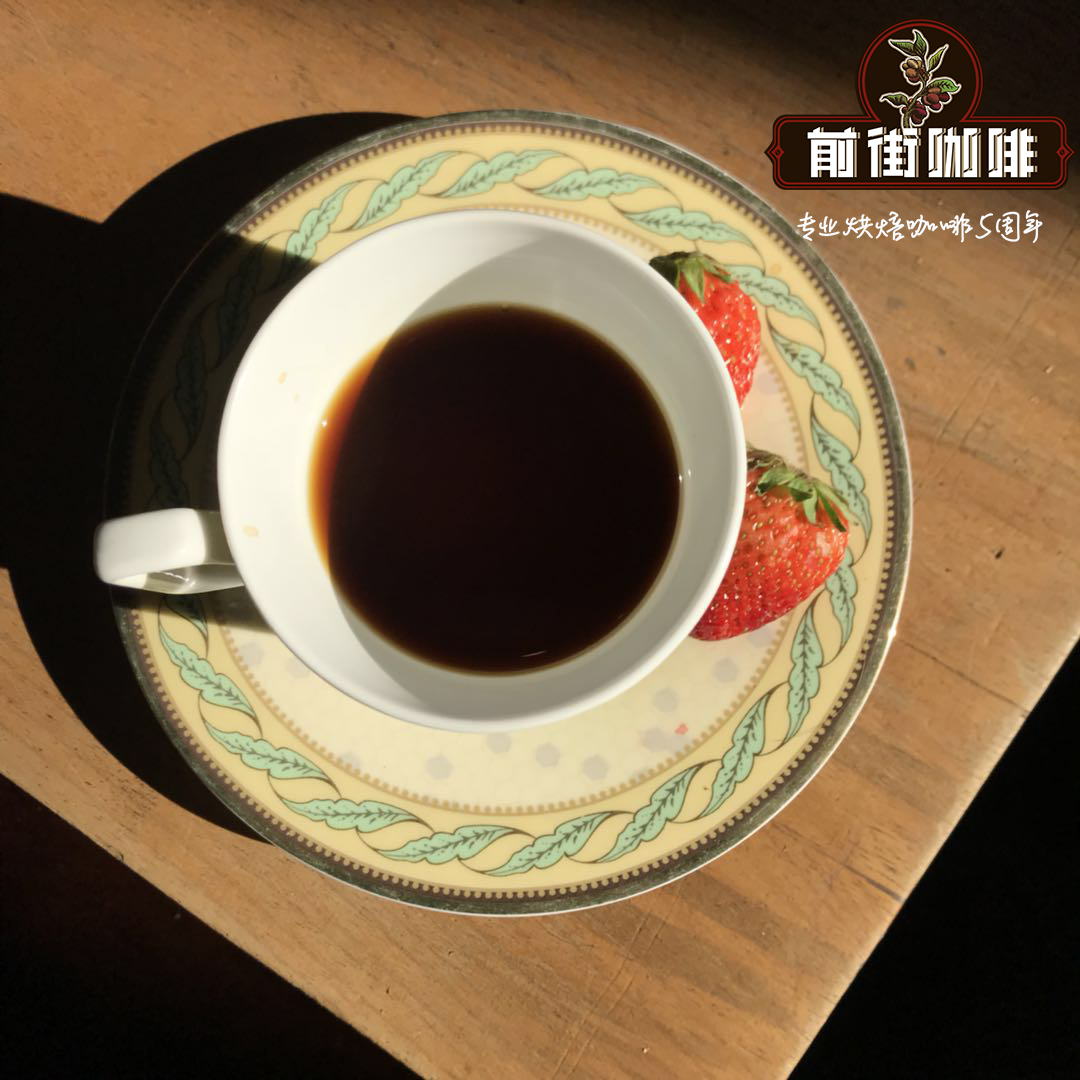
Among FrontStreet Coffee's daily-selection beans is one from the Red Bourbon variety of southern Minas Gerais, Brazil. Our daily-selection beans are chosen to express their growing region's character clearly — not necessarily the flashiest lots, but reliably good value and flavor. So what does Brazilian Red Bourbon single origin actually taste like, and how should you brew it?

Brazil's Coffee Growing Regions
Brazil straddles the tropics, and its coffee grows mainly on two kinds of terrain: the Brazilian plateau above 500 meters and the Brazilian plains below 200 meters. Brazil produces both Arabica and Robusta, with Arabica the main and best-known crop — including the Bourbon family (Yellow Bourbon, Red Bourbon) and flat-bean Santos.
Brazilian coffee is defined by low acidity, nutty flavors, balance, and moderate body. Among the world's specialty coffees it rarely steals the show, but it is a constant presence as a blending component in espresso.
Brazil has 21 states; 17 of them grow coffee, and just 4 states account for 98% of national production. The classic Brazilian profile — low acidity over a soft, sweet bitterness, an exceptionally smooth mouthfeel, and subtle grassy aromatics — makes for a clean, easy cup with a refreshing finish.
In some estates of the Cerrado region in southeastern Minas Gerais, ancient Bourbon is still cultivated. The Cerrado plateau of western Minas and southern Minas, mostly above 1,100 meters, offers rich topography, distinct wet and dry seasons, wide day-night temperature swings, and abundant microclimates — ideal for the elegant Red and Yellow Bourbon varieties, and the reason this area became Brazil's main specialty coffee region.
Processing Methods
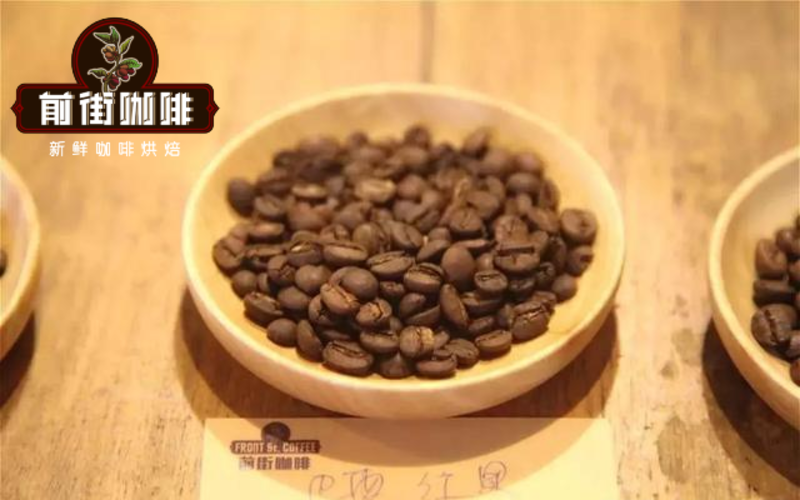
Four processing methods are most common in Brazil: natural, pulped natural, semi-washed, and washed. Washed processing arrived late in Brazil and has yet to win broad market recognition.
Natural: select ripe cherries and dry them directly in the sun, turning regularly for even drying, until they reach 12% moisture — only then are pulp and skin removed.
Pulped natural: after selecting suitable cherries, remove skin, pulp, and part of the mucilage, then dry with a thin layer of mucilage still clinging until the beans reach 12% moisture.
Semi-washed: unlike pulped natural, all mucilage is removed mechanically before drying down to 12% moisture.
Washed: skin and pulp are removed, then soaking and fermentation strip the mucilage — a process that can develop acidity in the beans — before drying to 12% moisture. Pulped natural and semi-washed both remove mucilage mechanically, which is what separates them from the washed method.
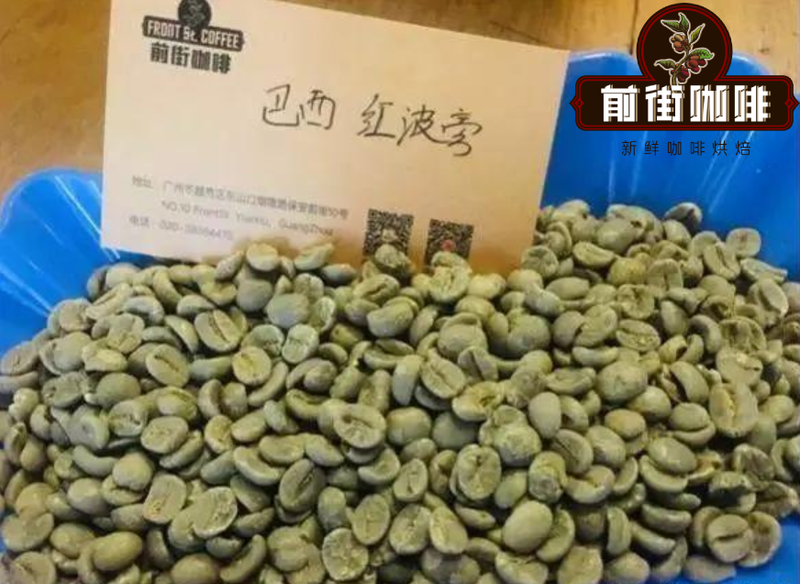
Example: FrontStreet Coffee Brazilian Red Bourbon
Region: Southern Minas Gerais
Altitude: 1000m
Variety: Red Bourbon
Processing: pulped natural
FrontStreet Coffee Roasting Analysis
Roaster: Yangjia 600g semi-direct-fire.
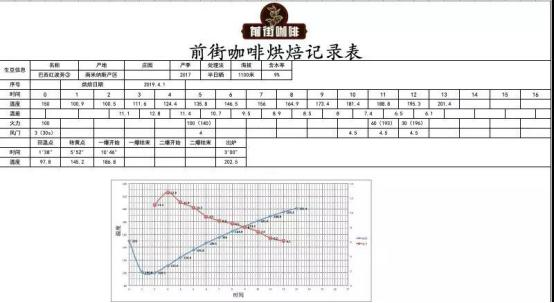
Brazilian coffee generally grows at 1000–1300 meters, so the beans are relatively low-density with moderate moisture, a softer texture, and a thin structure from surface to core. High heat would scorch them into bitter, burnt notes. So we charge on medium heat and hold it through the drying stage; as first crack begins we fine-tune with slight increases in heat to push caramelization further. This pulped-natural coffee warms slowly after first crack and can be dropped as second crack approaches.
Preheat the roaster to 200°C, set the damper to 3, ignite after 30 seconds, and adjust heat to 160 with the damper unchanged. The turning point comes at 1'30"; hold the heat. The beans yellow at 5'00", the grassy aroma vanishes, and the drying stage ends — reduce heat to 130 and open the damper to 4. At 168°C, reduce heat again to 100. Drying completes at 8'00" as wrinkles and dark spots appear and the toast aroma turns to coffee aroma — the prelude to first crack; listen for it. First crack begins at 8'50"; open the damper fully to 5. Development runs 3 minutes 10 seconds, with heat cut to 50 at 190°C and again to 30 at 194°C; drop the batch at approximately 200°C.
FrontStreet Coffee Brewing Recommendations
FrontStreet Coffee always cups a coffee before selecting it — cupping demands the least technique and gives the most honest read of a bean's flavors. But to truly get to know a bean, brew it properly as a pour-over. Here is how we brew these Brazilian Bourbon beans.

Brewing Parameters
Kono dripper, 88°C water, 15g dose, 1:15 coffee-to-water ratio, medium-fine grind (80% pass-through on a Chinese-standard 20-mesh sieve).
The Kono's few ribs sit at the bottom, so the filter paper hugs the wall tightly, restricting airflow and lengthening water-to-grounds contact time. That fuller extraction boosts body — exactly what you want to highlight in a medium-dark Brazilian.
FrontStreet Coffee Brewing Technique
Segmented extraction: bloom with 30g of water for 30 seconds, then continue in small circles to 125g in stages. When the level drops and the bed is about to be exposed, pour on to 225g and stop. Extraction time from the start of the bloom is 2 minutes. Keep the technique consistent across both beans.
Flavor Description
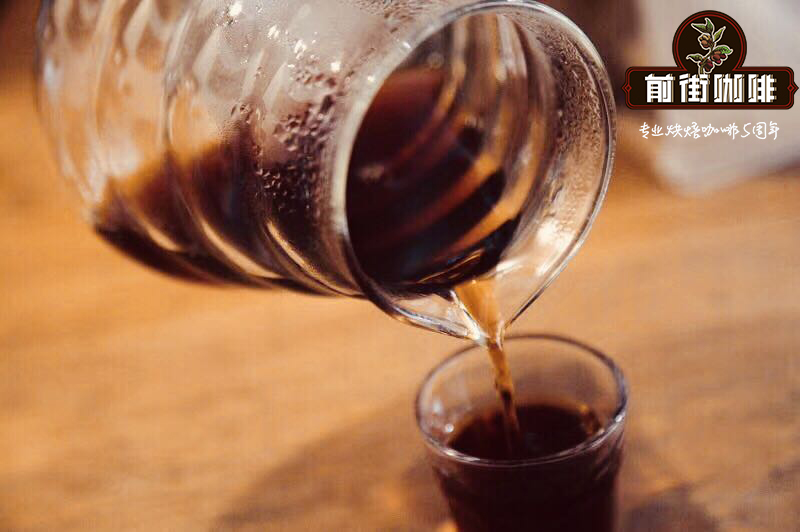
Clear sweetness on entry, a whisper of lemon, rich nutty flavors, and dark-chocolate sweetness in the finish — rounded and smooth throughout.
FrontStreet Coffee Recommendation
If you'd like a second take on Brazilian Red Bourbon, FrontStreet Coffee recommends our semi-washed Cerrado Red Bourbon, a thoroughly classic Brazilian single origin. Cerrado is one of Brazil's best-known quality regions, and this Red Bourbon at a medium roast releases dense aromas of cream and peanut, toasted bread, caramel, and hazelnut — round on the palate, not sour, with just a light bitter edge. Beyond pour-over, it also performs beautifully through a moka pot, as an espresso SOE, or in a siphon or French press, so one bag can cover nearly every brewing style in your kitchen.
Important Notice :
FrontStreet Coffee is a long-established specialty coffee roaster in Guangzhou China, selling freshly roasted beans from its own farm in Yunnan as well as dozens of carefully selected single-origin beans from around the world for both pour-over and espresso. The products deliver consistently excellent quality and great value, with shipping within 24 hours. Guangzhou's FrontStreet Coffee shop is recommended by many coffee lovers, and the beans are now available online at the Tmall 。
FrontStreet Coffee has moved to a new address:
FrontStreet Coffee Address: 315,Donghua East Road,GuangZhou
Tel:020 38364473
 Scan and follow the En Gafei WeChat official account. Please indicate that the reprint comes from "En Gafei".