Why Is Coffee Blooming Necessary? What Is the Significance of the Bloom?
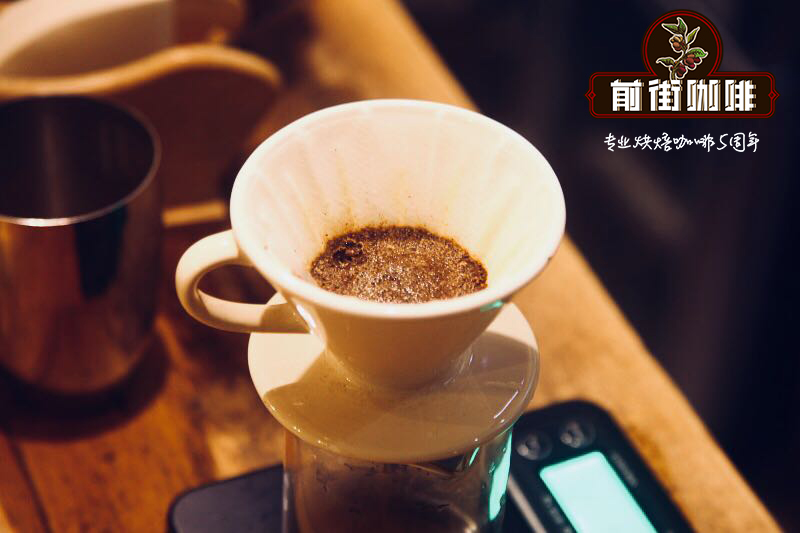
Most of us learned the same thing when we first encountered pour-over coffee: a proper brew begins with the bloom.
For pour-over, blooming is a critical step - the starting point of the entire process. How well this beginning is executed has a major impact on the final cup, and no amount of adjustment later in the brew can compensate for a bloom that went wrong.
The Purpose of Blooming
The purpose of blooming comes down to two things:
First: using hot water to drive the carbon dioxide trapped in the coffee grounds out as quickly as possible. CO2 repels water molecules, blocking them from entering the fibrous structure of the grounds and carrying flavor compounds out. Worse, escaping CO2 opens up uneven channels in the coffee bed, so water flows through erratically.
Second: ensuring every particle of coffee is wetted, so the grounds absorb water fully and expand naturally. When the extraction phase begins, flavor compounds then dissolve far more readily.
A good bloom therefore lets the grounds de-gas quickly, thoroughly, and uniformly, while achieving full and rapid contact with water - the foundation of even extraction.
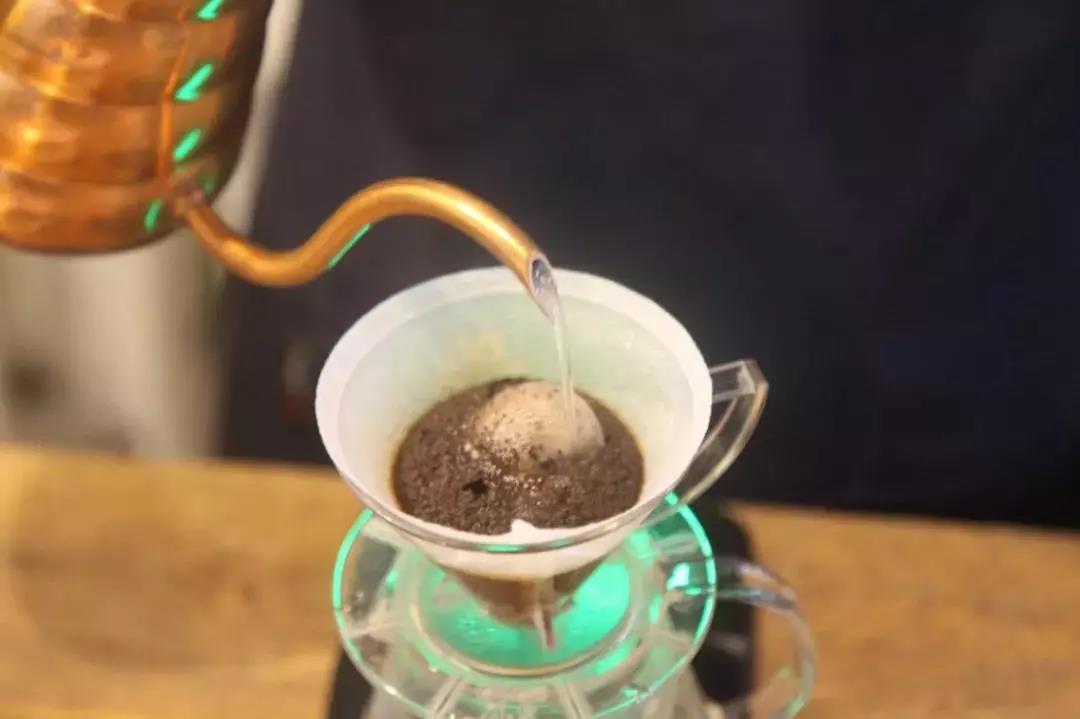
To achieve this, the bloom needs enough water. During blooming, the grounds absorb roughly twice their own weight in water, and some water drains through the bed and into the server besides. That is why the bloom should use approximately 2-3 times the weight of the coffee grounds, giving the grounds ample water to absorb. From there, a few small techniques will make the bloom perform well.
What to Watch During the Bloom
The Right Amount of Water
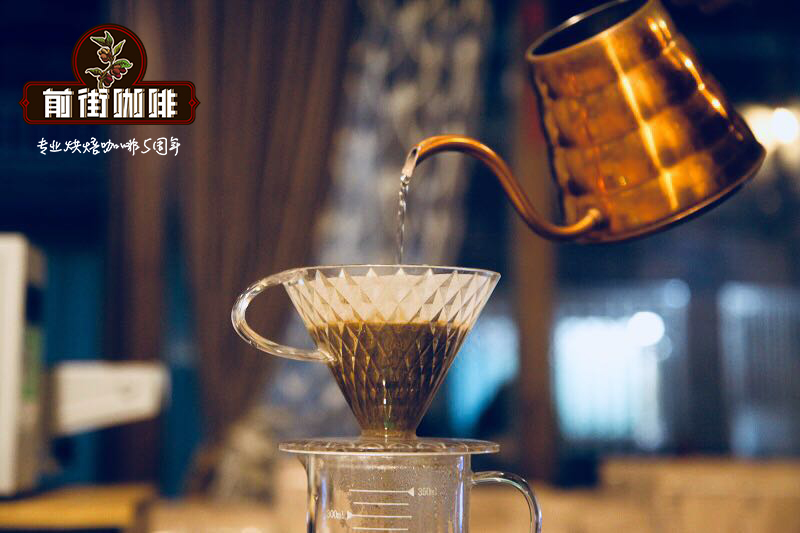
If you use too much bloom water and a large amount of liquid drips through immediately, the pour never lingers - it just washes compounds off the outer surface of the grounds. While the outer layer is dissolving, the inner layer is still dry; and as hot water finally penetrates inward, the bitter, astringent outer-layer compounds begin to dissolve too. Coffee brewed this way ends up simultaneously weak and carrying over-extracted off-flavors.
If the bloom water is insufficient and nothing drips through at all, the grounds have not absorbed enough water and some coffee has not de-gassed - a recipe for under-extraction.
Do Not Be Too Gentle With Your Pour
If you pour very softly - or subscribe to the "let the water spread" school, pouring so gently that water never penetrates the surface layer and only wets the top before capillary action and gravity pull it downward - the time it takes for the bloom water to travel from surface to bottom stretches out. Meanwhile, some water spreads sideways and escapes along the dripper's ribs, so the grounds actually receive less water than intended, and the bloom's effect is diminished accordingly.
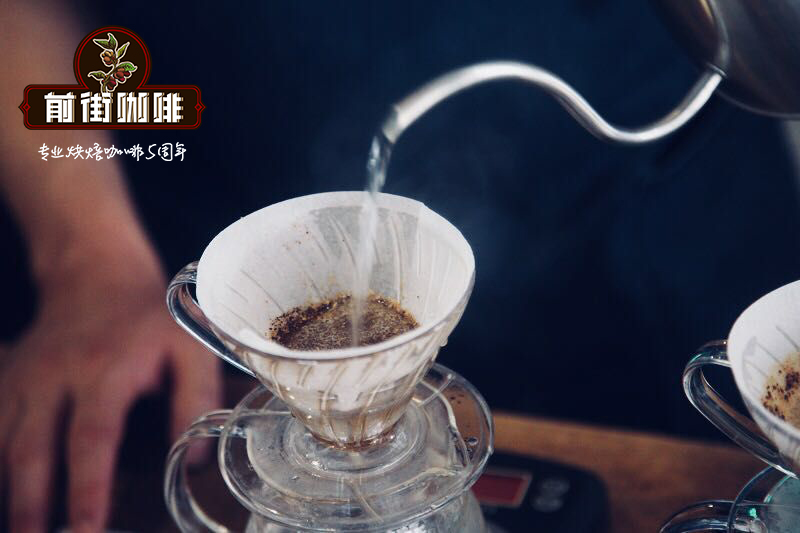
1. Increase the force of the pour, adjusting either flow rate or pour height. Some narrow-spout kettles genuinely only handle fine streams - push the flow any harder and the water column starts to waver. In that case, raise the pour height slightly and let gravity supply the penetrating power. Just be careful not to splash.
2. Increase the bloom water and extend the bloom time. If penetration is weak - less water actually reaching the grounds, delivered more slowly - simply add a bit more water and give the bloom longer.
But is blooming truly indispensable? FrontStreet Coffee ran a comparison using 8-day-roasted Yirgacheffe Worka to measure exactly what blooming - or skipping it - does to a cup.
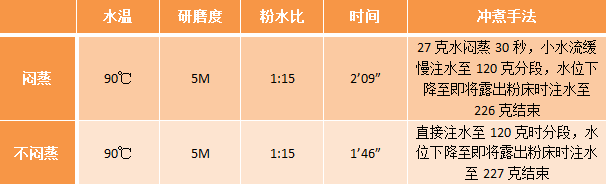
In terms of flavor, the bloomed cup tasted richer, with floral notes far more pronounced than the un-bloomed version and noticeably more layered complexity. The Worka brewed without a bloom, meanwhile, showed some acidity and astringency along with grassy flavors - clear signs of under-extraction.

That said, this is only the conclusion of one experiment. Some brewers, even without blooming, manage to offset the resulting under-extraction through pouring technique alone. Techniques vary from person to person, and nothing in coffee brewing is absolute - which is precisely what makes pour-over so charming.
FrontStreet Coffee Recommendation
Getting the bloom right starts with the right dripper and the right beans. FrontStreet Coffee brews with the resin Hario V60: designed by Tokyo glassware maker Hario (founded 1921), redesigned in 2004 and launched the following year, its 60-degree cone angle and single large outlet pull water to the center of the bed for thorough extraction, while giving the brewer full control of flow rate. That design especially flatters light-roast, floral-fruity coffees from the third-wave style of roasting.
For a bloom-first pour-over, FrontStreet Coffee recommends the Yirgacheffe Guodingding - citrus, berry, and floral notes with a green-tea-like sweetness and a gentle, bright acidity - or the Ethiopia Huakui, whose intense tropical fruit (strawberry, passion fruit, jackfruit, lychee), pronounced sweetness, and juice-like smoothness make it "the coffee for people who don't like coffee." The Panama Esmeralda Red Label Geisha - jasmine, citrus, bergamot, and black tea with a clean, transparent cup - rewards the same treatment, as does the Kenya Little Tomato from Thika (1550-1750 m, SL28/SL34, 72-hour double-washed fermentation), all bright cherry-tomato and dried-plum acidity with a syrupy, juice-like body.
Important Notice :
FrontStreet Coffee is a long-established specialty coffee roaster in Guangzhou China, selling freshly roasted beans from its own farm in Yunnan as well as dozens of carefully selected single-origin beans from around the world for both pour-over and espresso. The products deliver consistently excellent quality and great value, with shipping within 24 hours. Guangzhou's FrontStreet Coffee shop is recommended by many coffee lovers, and the beans are now available online at the Tmall 。
FrontStreet Coffee has moved to a new address:
FrontStreet Coffee Address: 315,Donghua East Road,GuangZhou
Tel:020 38364473
 Scan and follow the En Gafei WeChat official account. Please indicate that the reprint comes from "En Gafei".