How to Brew Coffee for Two People? How to Choose Coffee Grind Size? How to Pour Water for Blooming?
Beginner's Pour-Over Coffee Q&A
Recently, many friends have sent us questions about pour-over coffee. We've compiled this beginner's Q&A in the hope of helping everyone with similar questions.
01 | Is the extraction time the same when brewing two cups versus one cup?
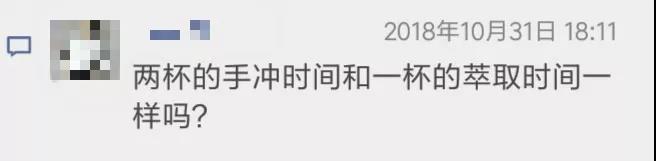
When there are many people, brewing one cup at a time takes forever. So what should you do when one serving becomes two, or even three?
Taking one serving (15g of coffee grounds) as an example: add 10g more for each additional person. As the amount of grounds grows, the extraction time naturally lengthens.
Also, you can grind slightly coarser when brewing larger batches, because with more grounds the contact time is correspondingly longer. If you keep the same grind as for a single serving, over-extraction becomes very likely.
02 | How to determine if the coffee grind size is appropriate?
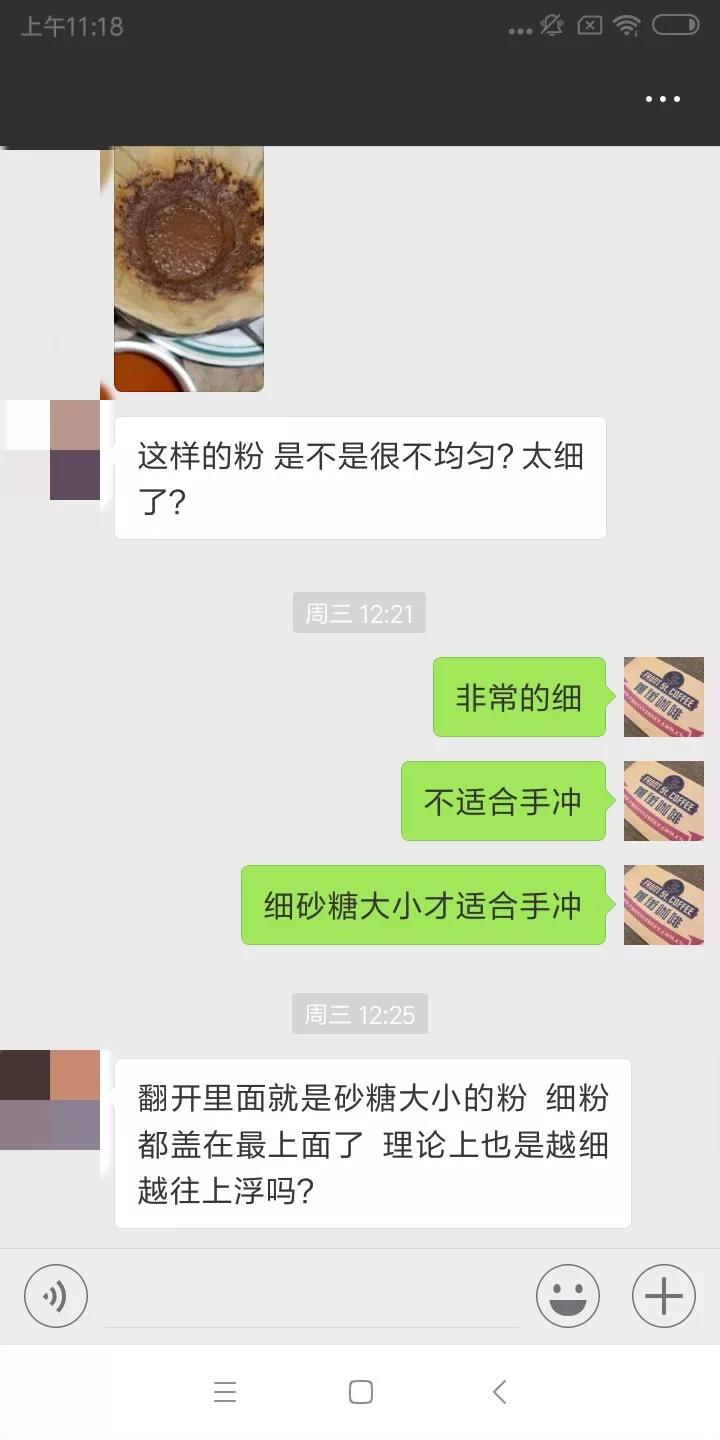
Finer is not necessarily better when grinding coffee — but too many fine particles are bad too. Excess fines or an overly fine grind easily clog the outlet and lead to over-extraction.
Generally, when you finish brewing and see what's shown in the picture below, there are too many fines or the grind is too fine.
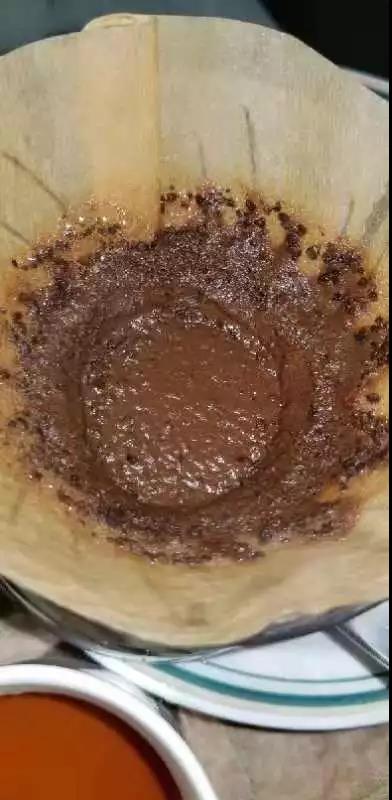
When the grind is uneven, you'll notice two situations:
1. Fines spread across the surface of the coffee bed. If you stir too much during brewing or use a large water flow, fines collect on the bed's surface; flip the bed over and the grounds underneath are coarser. This happens because there's more water and a higher water level, so the fines float up.
2. Coarse grounds spread across the surface of the bed. The opposite situation: a smaller water flow, less stirring, and less water mean a lower water level, so the fines never float up and the coarse grounds stay on top.
How should coffee grind size be chosen?
Broadly, coffee grinds fall into five levels: coarse, medium, medium-fine, fine, and extra-fine.
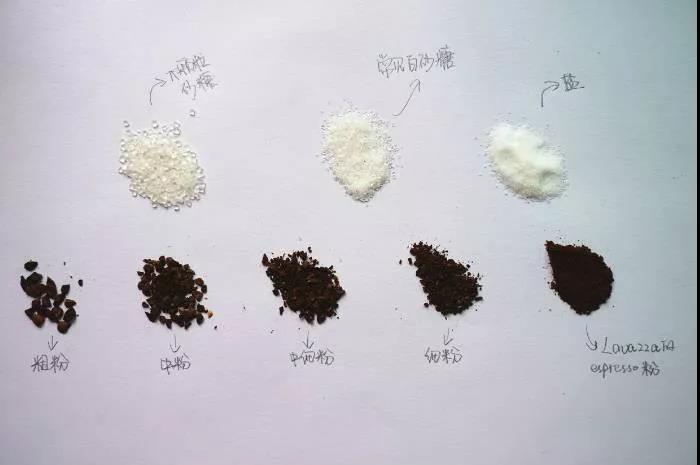
Extra-fine grind: Suitable for espresso
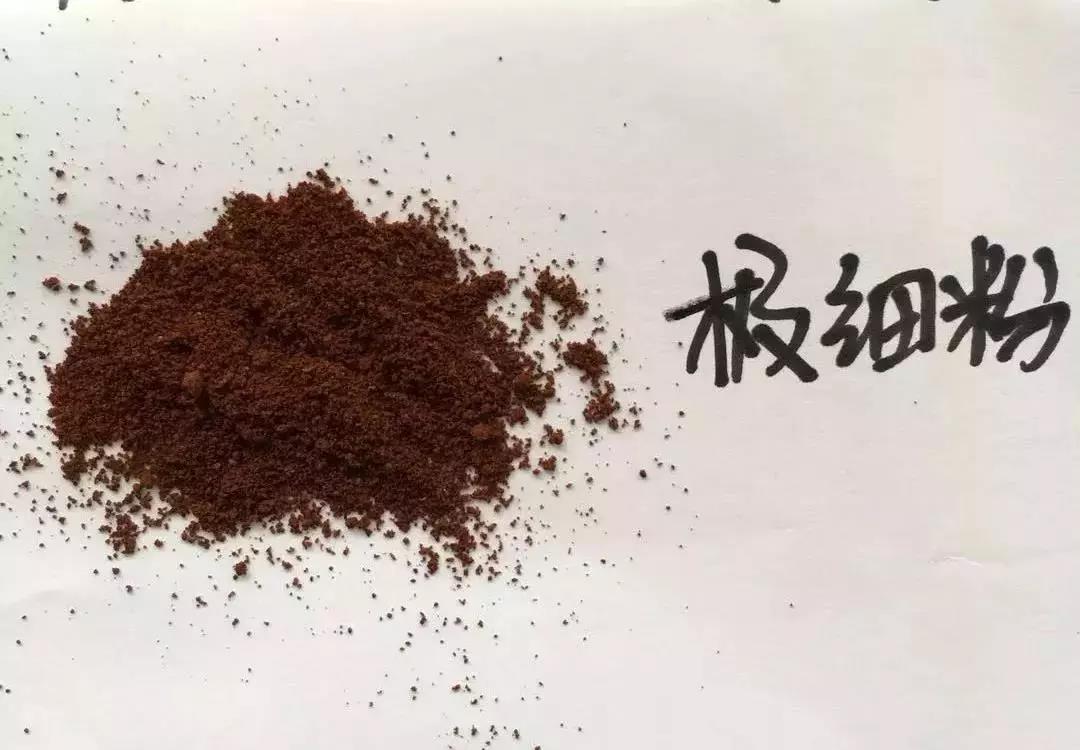
This one is quite specific and used only for espresso. Because its extraction principle differs from regular home brewing — it requires pressure — the equipment is an espresso machine, and the grinding needs a professional grinder to achieve extra-fine particles.
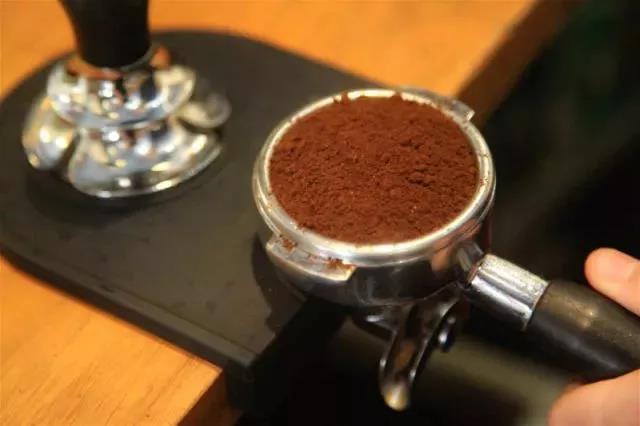
Extra-fine grounds also work in a moka pot, though extraction is usually pushed too far: some crema appears, but the taste tends bitter — often the ritual outweighs the cup.
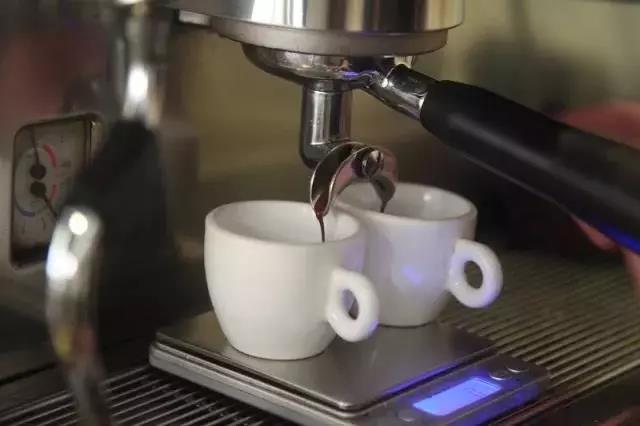
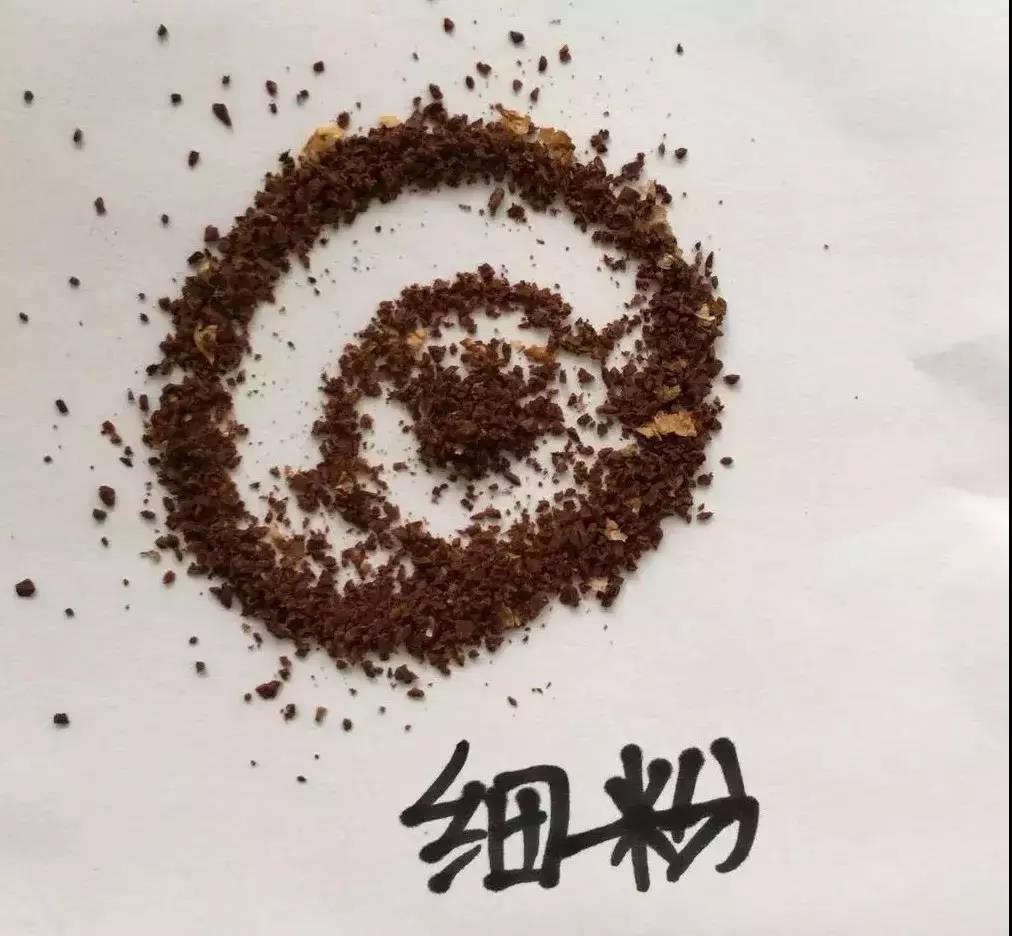
In espresso brewing, the grounds must be tamped firmly to create resistance against high-pressure hot water — which is why grind size matters so much here. The more uniform the grind, the tighter the tamped puck, with fewer gaps and an even resistance to the water. That's how you successfully pull a shot of espresso.
Fine grind: Suitable for drip bags
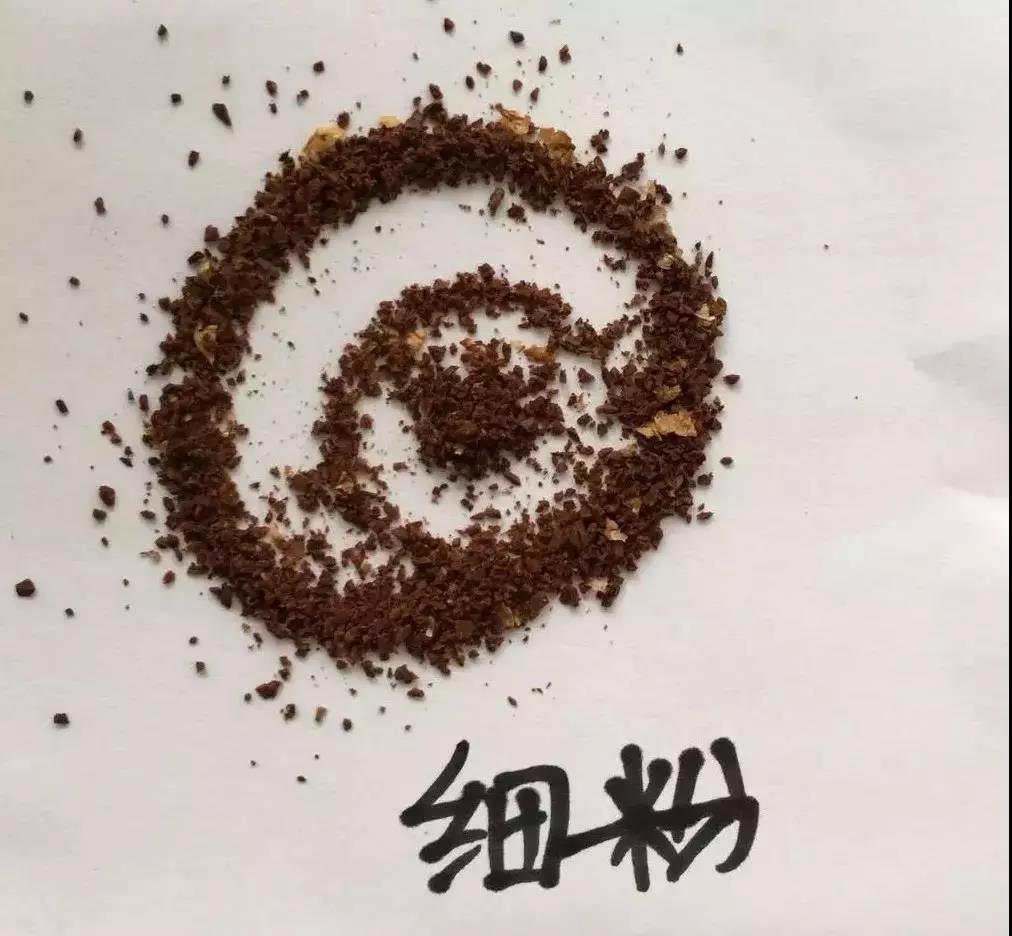
Fine grind is slightly smaller than caster sugar (fine baking sugar). Another reference point is table salt: smaller than caster sugar but larger than salt.
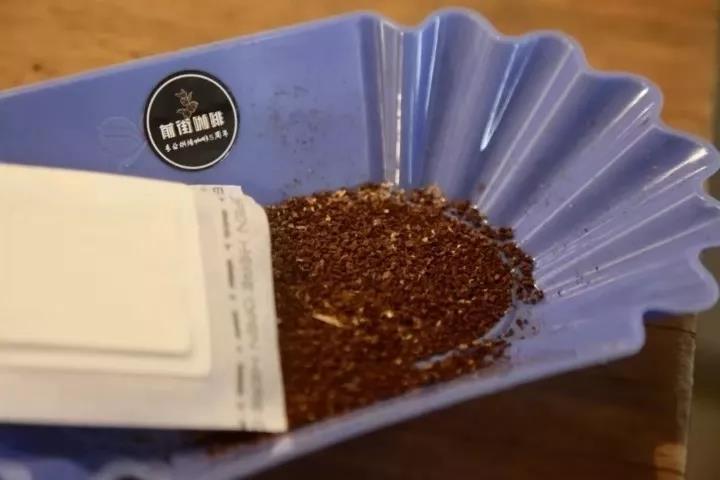
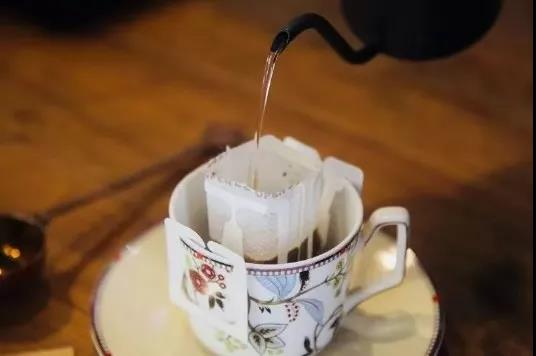
Fine grind suits drip bag coffee. Many assume that since part of the drip bag soaks in water, coarser particles should be used. In fact, the whole drip bag is made of filter paper, so water exits freely — unlike a pour-over dripper with a narrowed outlet, such as the common three-hole drippers that actually slow the flow. Drip bags therefore need fine grounds to enlarge the extraction area.
Medium-fine and medium grinds, most suitable for pour-over (using the Fujiyama ceramic burr as an example)
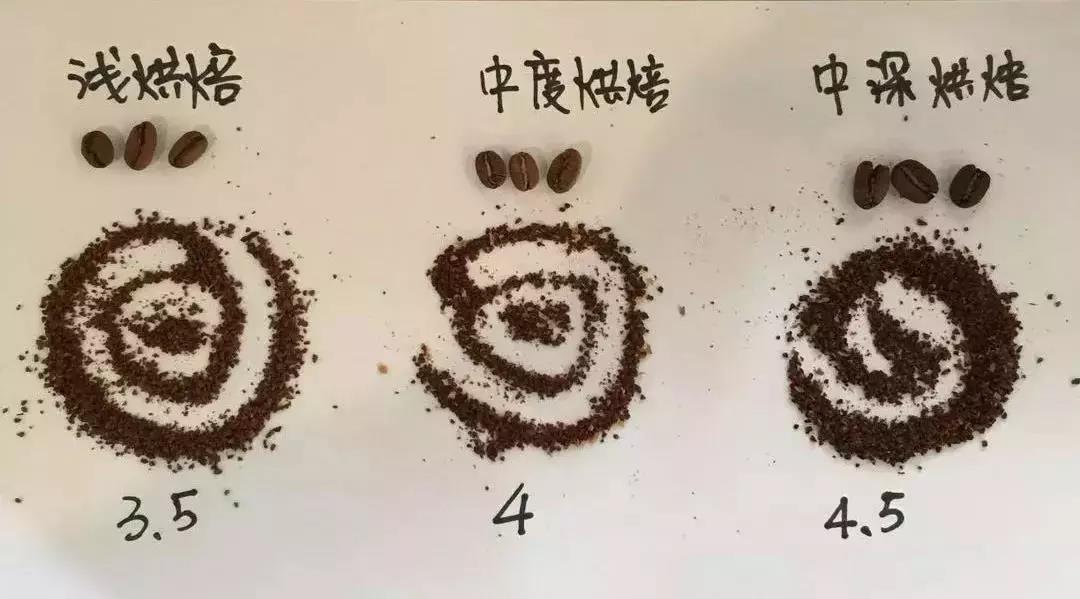
| Medium-fine grind (suitable for lightly roasted beans, Fujiyama ceramic burr 3.5)
Medium-fine grind ≈ white sugar (the common supermarket white sugar, slightly larger than regular granulated sugar). Most pour-over brewing settles on a medium-fine grind. Because this setting is used so often, coffee lovers should experiment with their grinders to find their ideal medium-fine level.
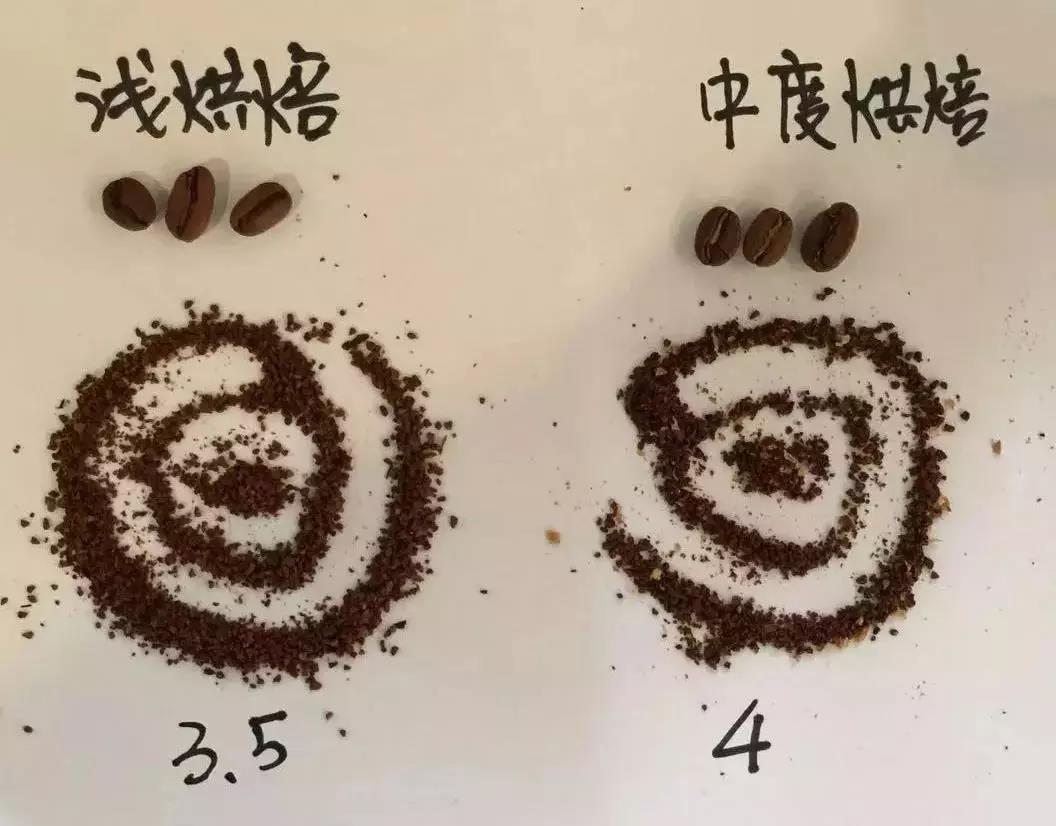
| Medium grind (suitable for medium-roasted beans, Fujiyama ceramic burr 4)
Medium grind = granulated sugar (the largest-particle white sugar you'll see in supermarkets — this is the size most often used). Medium grind is slightly coarser than medium-fine, but not as coarse as a true coarse grind.
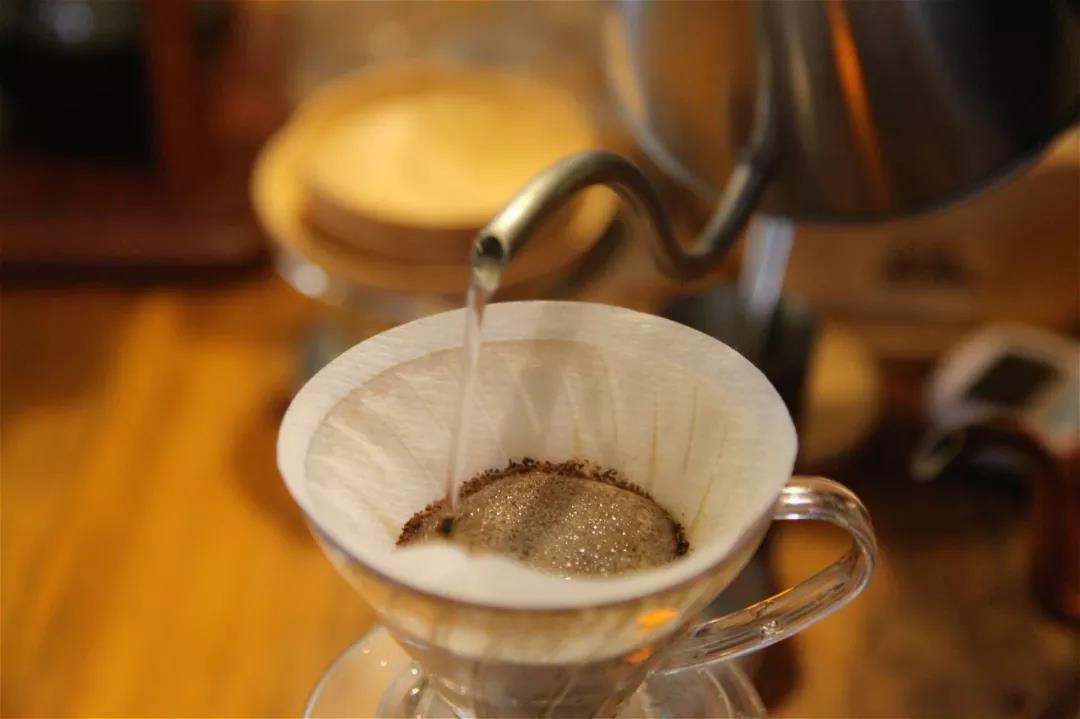
Beginners are advised to start with a medium grind: it produces fewer fines, and it's less likely to flood the dripper while your pouring is still unsteady, which would over-extract the coffee. Since tastes vary, experiment between medium and fine until you find the coarseness that suits you.
| Coarse grind (suitable for medium-dark roasted beans, Fujiyama ceramic burr 4.5)
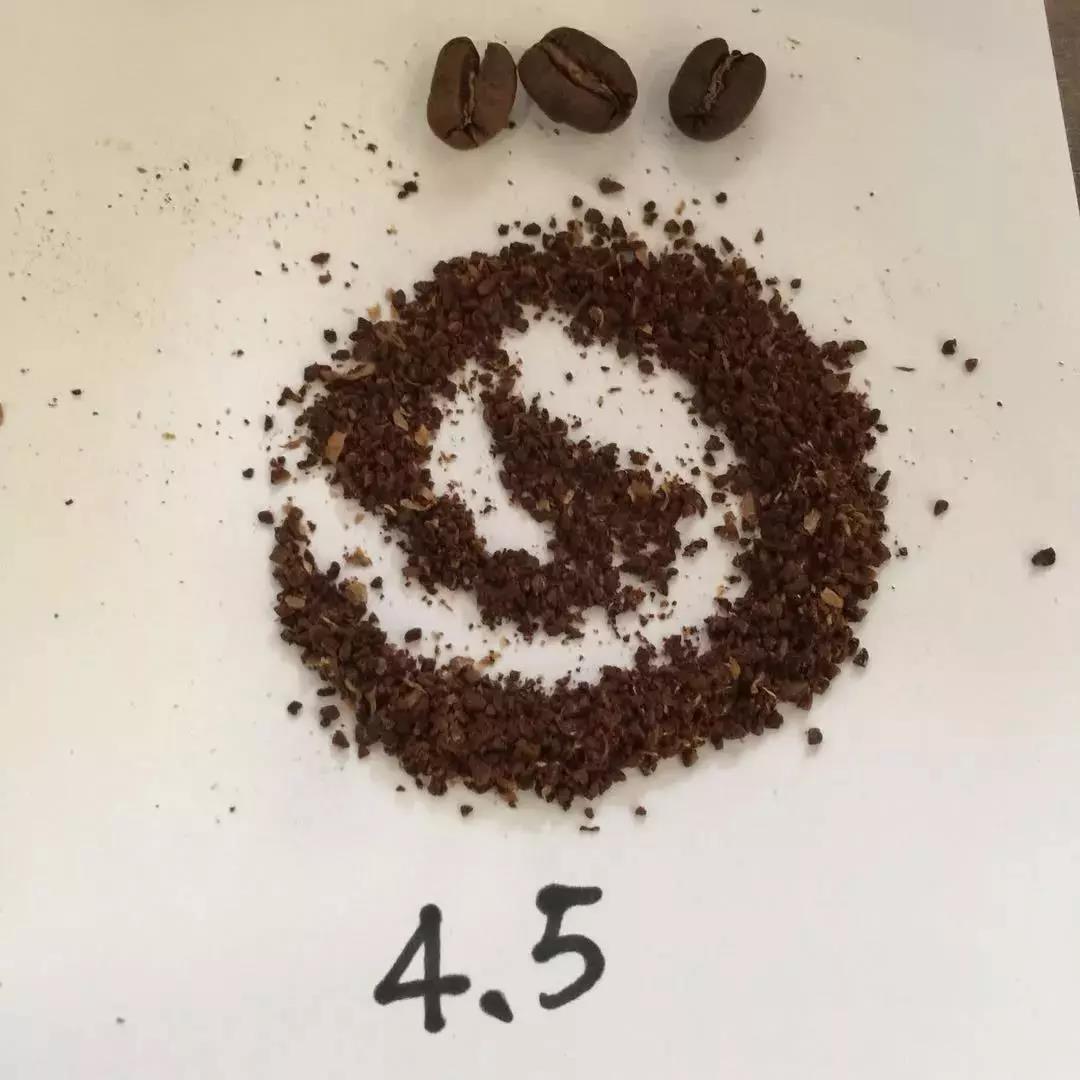
Coarse grind > raw sugar (in plain terms: sugar larger than the largest granulated sugar on the market)
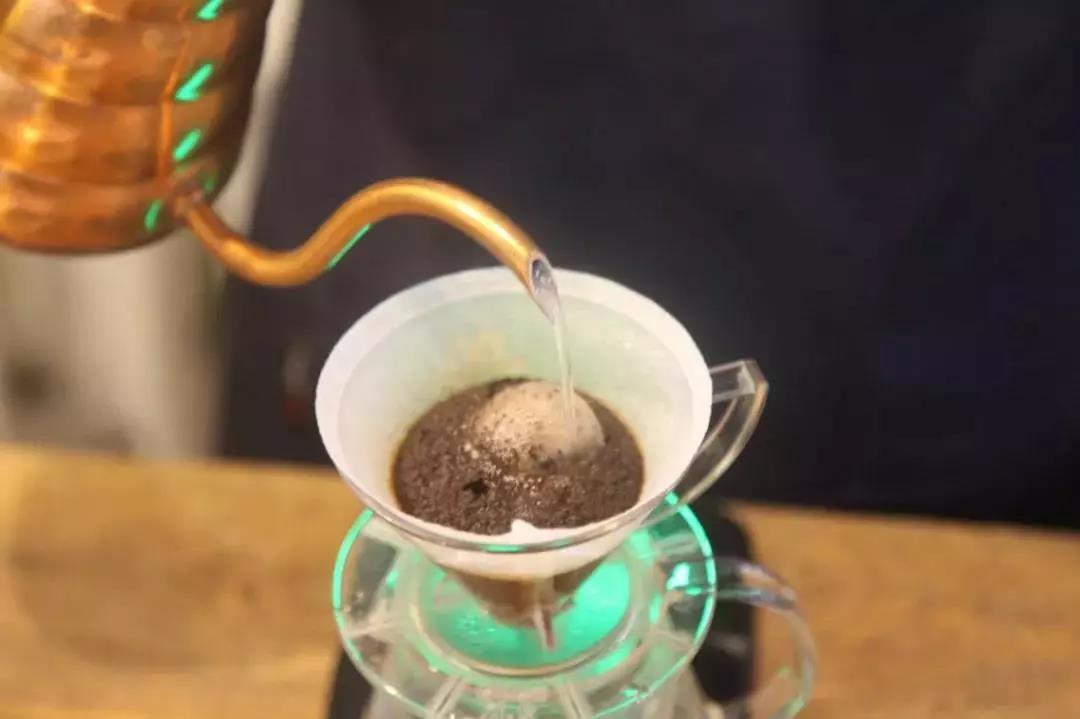
Grinding is the first step in brewing — and the step where many people stumble, going either too fine or too coarse and indirectly spoiling the taste. To control coarseness precisely, use an electric grinder with adjustable settings. Taking the Fujiyama grinder as an example, the optimal range for pour-over is between settings 3-4, with caster sugar as the reference.
03 | How to pour water during blooming

If you pour too timidly during the bloom, you can easily ruin a cup of coffee.
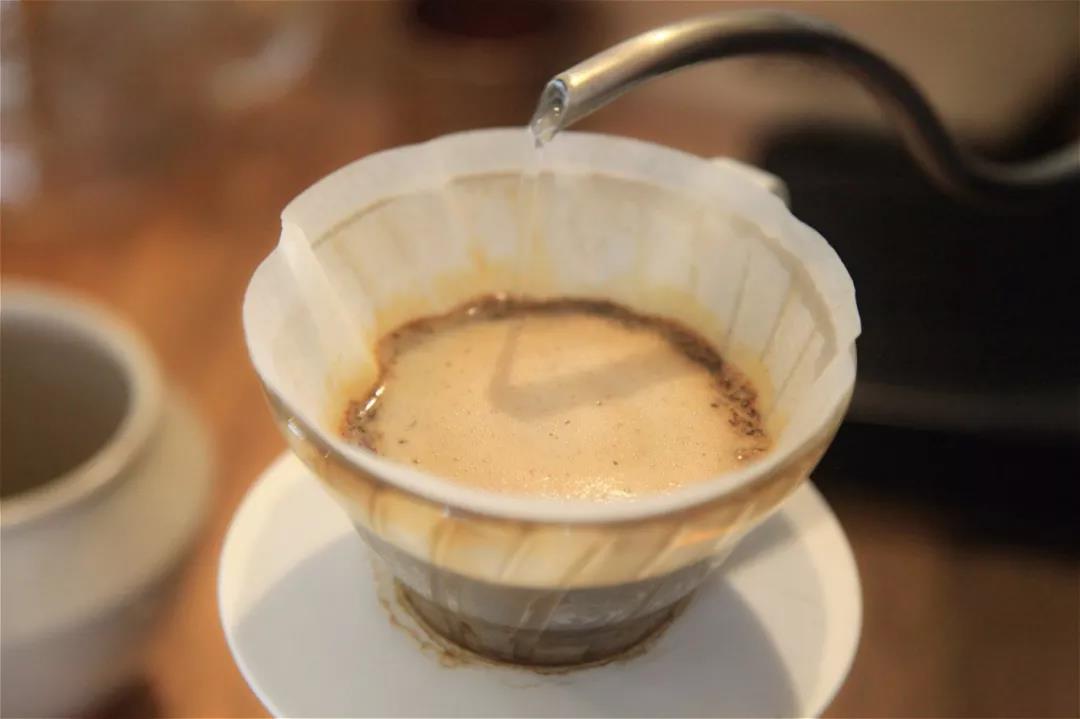
When you pour especially gently — or trust in the so-called "spreading water" method — without enough force to penetrate the surface layer of grounds, you only wet the top. The water then relies on capillary action and gravity to seep downward: the bloom takes far longer to reach the bottom, and some water spreads sideways and escapes along the edge ribs, so the grounds actually receive less bloom water. The bloom's effect is naturally diminished.
What should you pay attention to when pouring water during blooming?
1. Increase the force of your pour, which you can approach from two sides: stream size and pouring height. Some narrow-spouted kettles only handle a fine flow, and a larger flow easily tilts the stream — in that case, raise the pouring height a little and let gravitational acceleration provide the penetration. Just don't splash water everywhere.
2. Appropriately increase the amount and time of the bloom water. Since insufficient penetration reduces the water actually absorbed and slows it down, simply add a bit more water and extend the bloom.
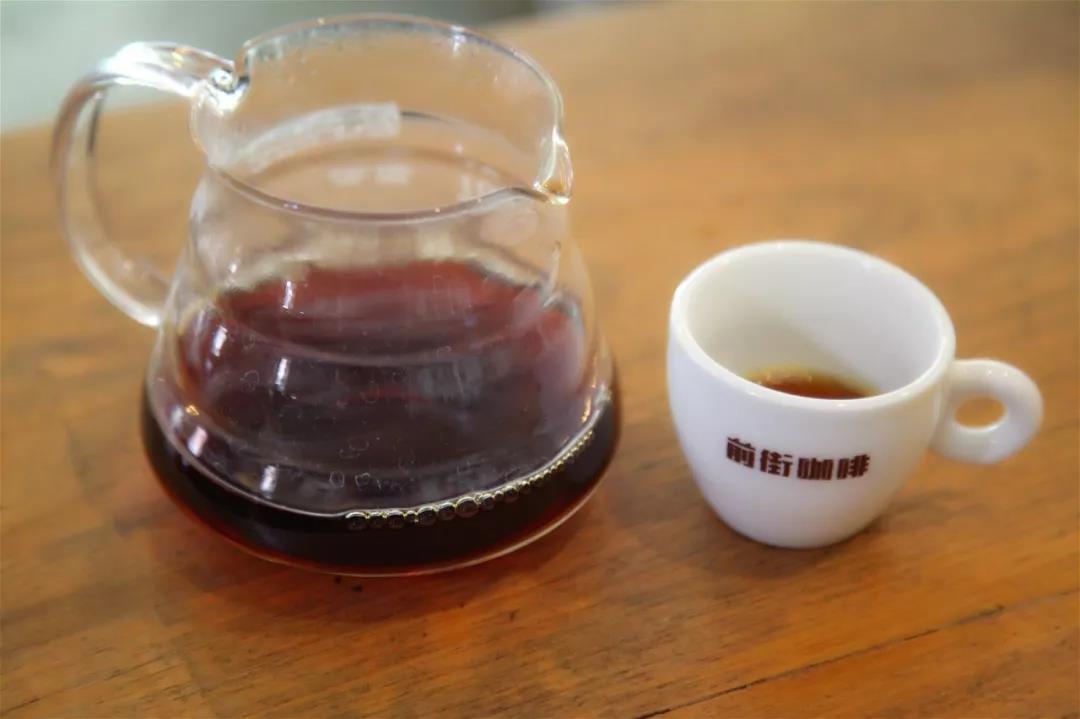
That wraps up this beginner's Q&A — we hope it helps! Of course, if you have any questions, you're always welcome to come and discuss them with us.
FrontStreet Coffee Recommendation
Once your grind is dialed in, the beans matter just as much. If you brew with a V60, remember it was designed by Hario — the Tokyo glassmaker founded in 1921 — with a 60-degree cone and a single large outlet that rewards good flow control with a three-dimensional aroma and lively acidity. That fast extraction is perfect for floral-fruity coffees: the Ethiopia Yirgacheffe Worka Cooperative with its clean citrus-berry brightness and green tea finish, the natural Ethiopia Huakui loaded with strawberry, passion fruit, jackfruit, and lychee, and the Kenya Cherry Tomato from Thika — SL28 and SL34 grown at 1,550-1,750 meters, finished with 72-hour double-washed fermentation for a vivid cherry-tomato and dark plum juiciness.
For medium-dark roasts and coarser grinds, classics shine too: the PWN Indonesia Golden Mandheling with its low acidity, thick body, and herbal, dark chocolate depth; the Brazil Fazenda Rainha with abundant nut, cocoa, and caramel sweetness; and the Jamaica Blue Mountain No. 1, whose near-perfect balance of cream, caramel, chocolate, nuts, and honey makes it the cup almost everyone can love.
As for technique, bloom generously: pour with enough force to penetrate the bed — a slightly higher pour height works if your kettle only manages a thin stream — use a touch more water than you think you need, and let the bloom run its full 30 seconds before your main pours.
Important Notice :
FrontStreet Coffee is a long-established specialty coffee roaster in Guangzhou China, selling freshly roasted beans from its own farm in Yunnan as well as dozens of carefully selected single-origin beans from around the world for both pour-over and espresso. The products deliver consistently excellent quality and great value, with shipping within 24 hours. Guangzhou's FrontStreet Coffee shop is recommended by many coffee lovers, and the beans are now available online at the Tmall 。
FrontStreet Coffee has moved to a new address:
FrontStreet Coffee Address: 315,Donghua East Road,GuangZhou
Tel:020 38364473
 Scan and follow the En Gafei WeChat official account. Please indicate that the reprint comes from "En Gafei".