How to Brew Nicaraguan Orchid Estate Maracatura Coffee by Hand Grinding
Nicaragua Coffee - Orquidea Estate
This washed Maracaturra from Nicaragua has high hardness and a large bean size. During cupping, we were surprised to find a Yakult-like flavor, thanks to its lactic fermentation acidity, which at the same time brings grape and brown sugar flavors, an Earl Grey tea texture, and an uplifting sweetness in the aftertaste.
Orquidea Estate Information and Story
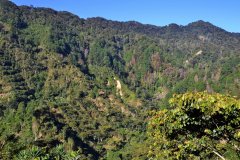
Orquidea Estate maintains excellent ecological preservation and sits in harmony with the local natural environment. The farm is 80% mountainous. Its owner, Algel, combines coffee cultivation with his ecotourism company in Matagalpa, planning ample space for camping and hiking, which was the original concept. The specialty coffee grown here, however, has also been drawing increasing attention.
Algel came to Nicaragua earlier for water conservancy work. Like many others, he fell in love with the country and settled here. He now runs an ecotourism company in Matagalpa and lives with his wife on the quiet hills of Alajuela. At first, growing coffee on these four hectares was only a hobby. Only this year did the coffee begin to yield good harvests, and fortunately, when we cupped it, we were deeply drawn in by its excellent flavor.
Maracaturra Coffee Variety Introduction
What's special about Maracaturra?
Like Maragogype, Maracaturra beans are large. It inherits the excellent flavor and high yield of Caturra. Its short stature carries abundant leaves, which serve to block strong winds, which is very useful for estates that frequently experience them.
Unfortunately, this variety is very susceptible to leaf rust disease and therefore requires a high level of care. Its flavor features tropical fruits and bright acidity. It placed 5th in the 2015 Cup of Excellence, and Mauricio believes its future harvests will surpass Pacamara.
Washed Process Introduction
The washed method emerged to address the shortcomings of traditional natural processing. First, harvested cherries pass through a depulper to separate most of the fruit pulp from the beans. They are then guided to a clean water tank and soaked and fermented to completely remove the remaining pulp layer. Once fermentation is complete, they are dried, either in the sun or mechanically, to reduce moisture content to 12%. Because the washed method removes the pulp beforehand, there is no need to worry about mold or insect problems during drying, unlike with natural processing.
(Depulper removing pulp) (Soaking in water for fermentation) (Spreading flat for drying)
Natural process coffees offer rich, full flavors with very distinct and diverse layers, while washed process coffees have a very clean, refreshing taste with distinct fruit acidity. Different processing methods give coffee beans distinctive aromas.
Flavor Description
Features lactic fermentation acidity, at the same time bringing grape and brown sugar flavors, an Earl Grey tea texture, and an uplifting sweetness in the aftertaste.
Roasting Recommendations / Analysis
Recommended brewing equipment: pour-over, French press, siphon.
Brewing Analysis
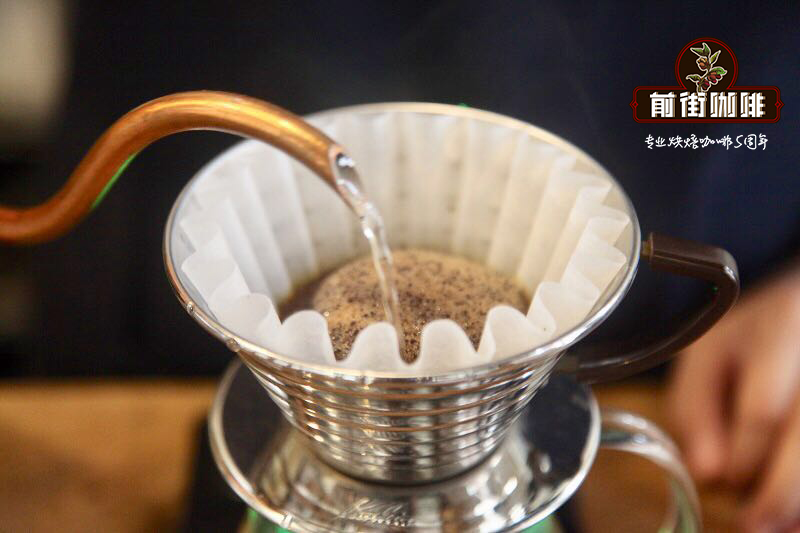
Today we introduce FrontStreet Coffee's commonly used method for pour-over Nicaragua coffee: the V60 three-stage pouring method.
Segmented extraction divides all the brewing water into three stages of pouring.
Suitable for light roast, medium-light roast, and medium roast beans.
Using a V60 dripper.
Increasing the bloom time or the number of pour interruptions can enhance the richness of the coffee.
Three-Stage Pouring Segmented Extraction Method
Advantages: more layered than a single continuous pour, and it clearly separates the front, middle, and back-end flavors of the coffee. The method increases the water volume after each bloom, typically pouring when the coffee liquid is about to drop to the surface of the grounds, using small, medium, and large streams for the three stages.
Disadvantages: places relatively high demands on water flow rate and volume.
FrontStreet Coffee's Nicaragua Coffee Pour-over Parameter Recommendations
Brewing with a V60 dripper enhances the layering of pour-over flavor, making it taste richer and cleaner, and perfectly expressing the rich floral and fruit aromas of Nicaragua coffee with its soft fruity acidity.
15g of coffee, water temperature 89-90 degrees Celsius, grind BG 5R (Chinese standard #20 sieve pass rate 64%), water-to-coffee ratio close to 1:15.
Method: 30g water for the bloom, bloom time 30s. Draw clockwise circles with the hot water in the pour-over kettle, centered on the middle of the dripper. Start timing when brewing begins, pour to 30g, then stop and wait 30 seconds before the first pour.
For the first pour, draw circles as before, but slightly slower, speeding up a little on the outer circle. Stop pouring at around 1:15. When the liquid level drops by about a third, pour again. For the second pour, concentrate on the center, avoiding the area where the coffee grounds meet the filter paper to prevent channeling. End extraction at around 2:05. The tail end can be discarded, since the longer it runs, the more astringency and rough texture it adds.
Segments: 30-125-230g.
FrontStreet Coffee Recommendation
The washed process that gives this Maracaturra its clean, lactic-fermentation character is the same reason FrontStreet's washed lineup drinks so clearly. FrontStreet Yirgacheffe Gutingding, from the Gutingding cooperative, shows jasmine florals and bright citrus acidity with green tea and honey notes, and works well as pour-over, cold brew, or espresso.
FrontStreet Kenya Cherry Tomato is the standout example of washed processing done thoroughly. Kenya is known for double washing, and this coffee is soaked, washed, and soaked again before drying, bringing out a full juice-like body with cherry tomato, smoked plum, snow pear, and black plum, plus brown sugar sweetness and a clean, long finish. It is a favorite of many coffee drinkers.
For a balanced, crowd-pleasing washed cup, choose FrontStreet Jamaica Blue Mountain No.1. The washed process gives it a bright, low-defect character with hazelnut, cream, chocolate, and caramel, and a balance in which no single note dominates. Brew any of these in a V60 at a 1:15 ratio and 89-90 degrees Celsius, adjusting the grind to a 64-75% pass-through rate on a #20 sieve.
Important Notice :
FrontStreet Coffee is a long-established specialty coffee roaster in Guangzhou China, selling freshly roasted beans from its own farm in Yunnan as well as dozens of carefully selected single-origin beans from around the world for both pour-over and espresso. The products deliver consistently excellent quality and great value, with shipping within 24 hours. Guangzhou's FrontStreet Coffee shop is recommended by many coffee lovers, and the beans are now available online at the Tmall 。
FrontStreet Coffee has moved to a new address:
FrontStreet Coffee Address: 315,Donghua East Road,GuangZhou
Tel:020 38364473
 Scan and follow the En Gafei WeChat official account. Please indicate that the reprint comes from "En Gafei".