Pour-over Gesha Village Estate Red Label Natural Gori Gesha Introduction - FrontStreet Coffee Gesha Pour-over Parameters Sharing

When it comes to Gesha coffee, it is a genuine celebrity in the specialty coffee world, with a reputation no less impressive than Blue Mountain coffee. Some people describe Gesha this way: "Once you taste Gesha, you'll know your heart has been stolen by it!" FrontStreet Coffee will look at both Ethiopian Gesha Village Gesha and Panamanian Gesha.
The Origins of Gesha Village
The managers of Gesha Village Estate are documentary filmmaker Adam Overton and his wife Rachel Samuel. Years ago, while helping the Ethiopian government film a documentary about coffee, they came across the Gera coffee forest in the Bench-Maji region. In the process, they not only rediscovered the greatness of Ethiopia's land but also developed the idea of establishing their own coffee estate and brand. They met Willem Boot of Panama's Don Pachi Estate and chose the Gesha origin, learning from Panama's cultivation and management practices.

Eventually they established "Gesha Village Estate" in the Bench-Maji region. They also divided the estate into specific plots, managed different varieties (Gesha 1931, Gori Gesha, and Illubabor), and categorized their products. Gesha Village's internal grading system includes Auction, Gold Label, Red Label, Green Label, and Chaka batches. Gesha Village grows three varieties: Gori Gesha, Gesha 1931, and Illubabor (Ethiopia's native disease-resistant variety).
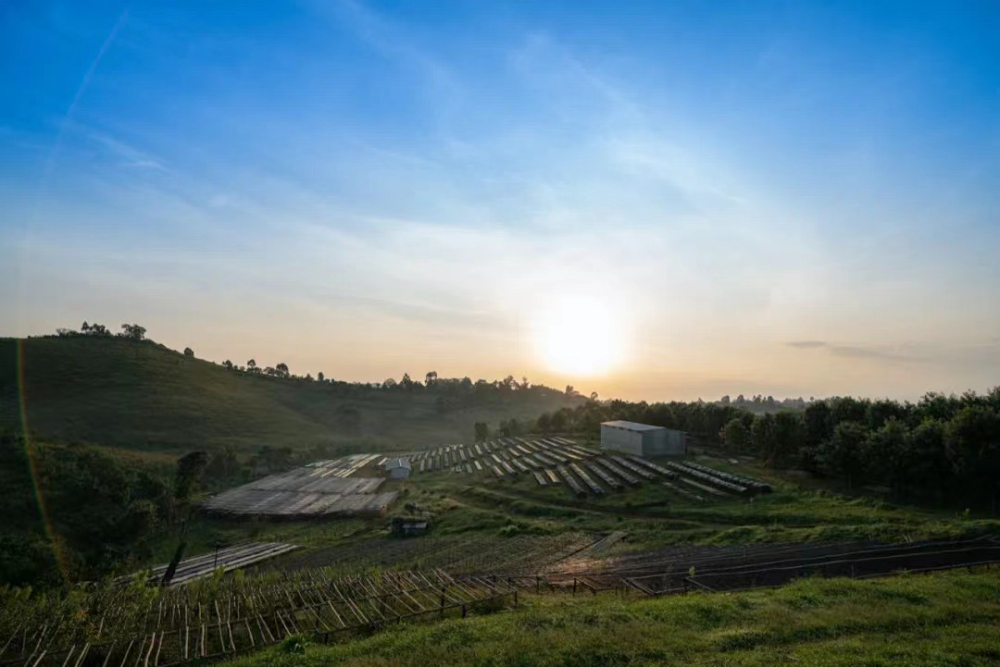
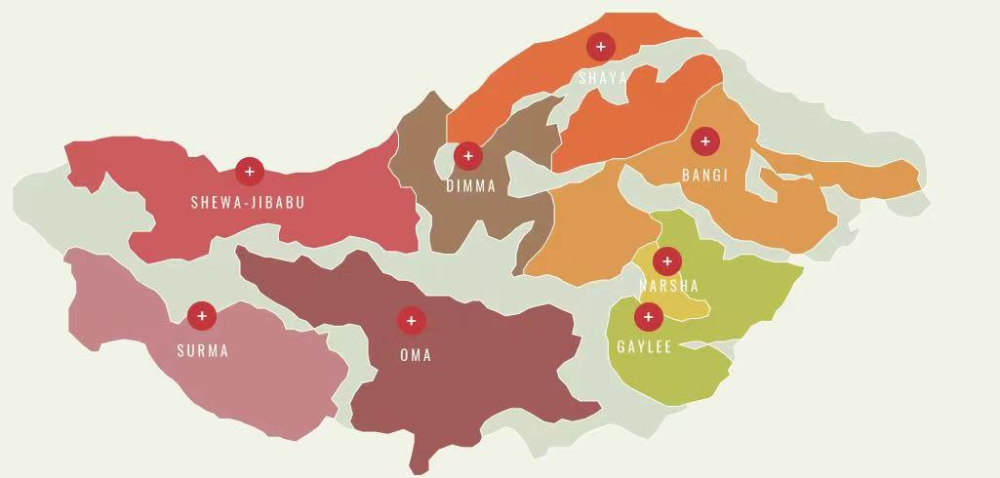
Gesha Village covers a total area of 471 hectares. Since 2011, they have gradually expanded their cultivated area. As of 2017, the cultivated area reached approximately 320 hectares, making it one of the largest Gesha estates in the world. To better manage and refine coffee flavors, the estate owners divided Gesha Village into 8 major districts and further numbered each batch within those districts.
Gesha Village's Grading System
Even the most top-tier estates produce coffee of varying quality. To live up to Gesha Village's "flavor reputation," the estate enforces a strict internal grading system.
Auction Batches
Accounting for only 3.7% of Gesha Village's annual production, these are the estate's top batches, selected through rigorous screening. They can only be obtained through the 2018 Gesha Village Coffee Estate Global Auction. The cupping scores for 2018 auction batches ranged from 88.15 to 92.67 points. They are further divided into Champion's Reserve and Farm Reserve.
Gold Label Batches
Comprising only 5% of Gesha Village's annual production, these are typically chosen by competition participants worldwide and purchased by roasters with high quality standards. They offer complete traceability, with each batch featuring outstanding flavors and high complexity, making them the second-best grade after auction batches.
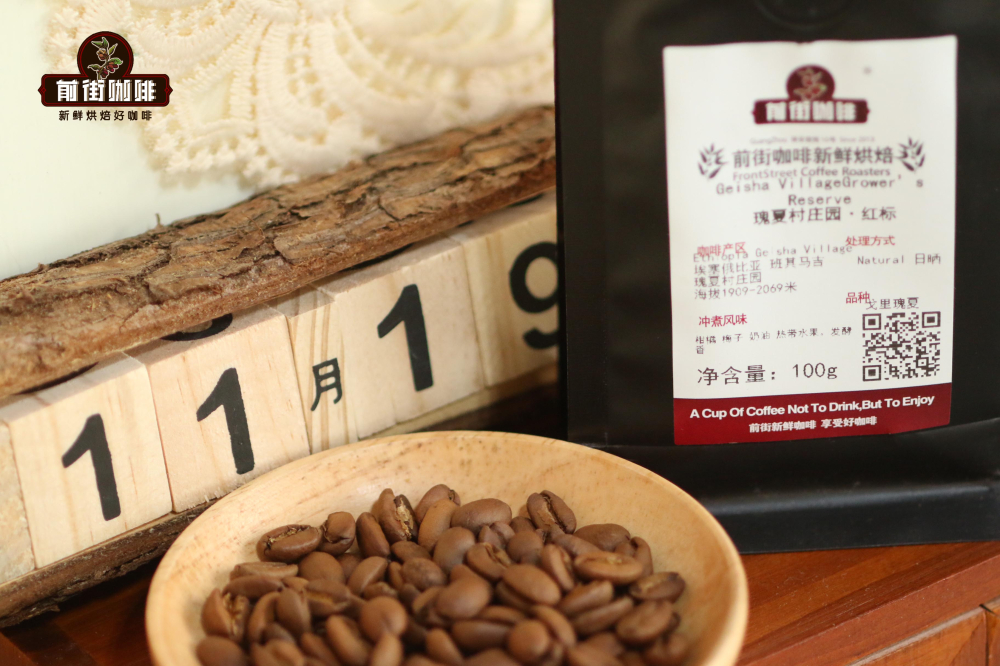
Red Label Batches
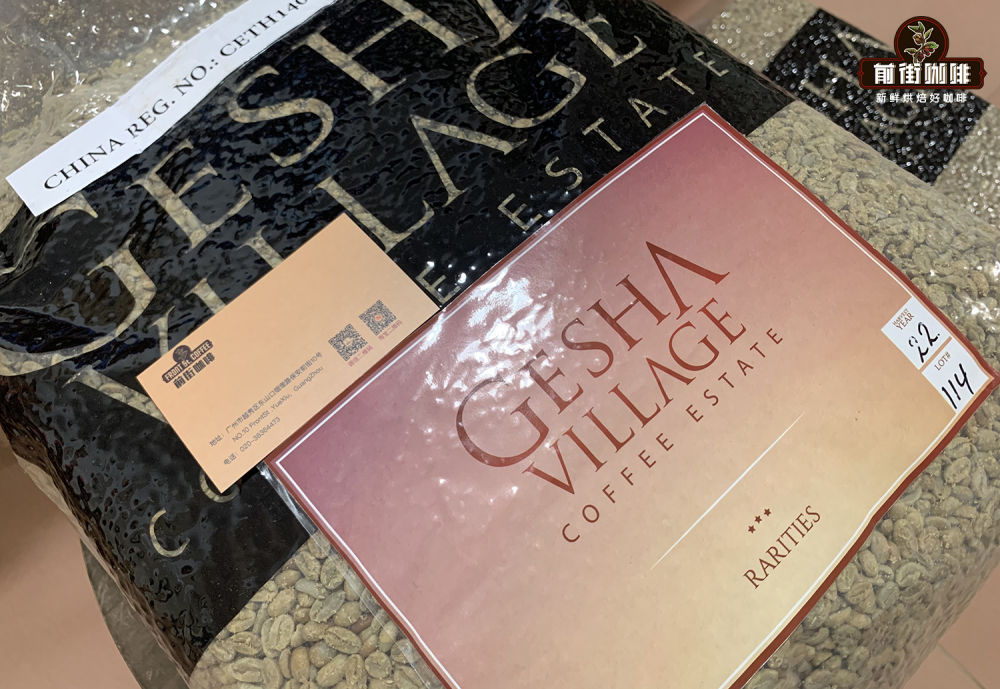
These batches have complete traceability and possess typical Gesha Village flavors. Their flavor intensity and complexity are slightly less pronounced than Gold Label batches, making them single-origin batches with excellent value for money.
Green Label Batches
Coming from single plots and single varieties, these batches exhibit typical Gesha Village flavors, with flavor intensity and complexity slightly less pronounced than Red Label batches.
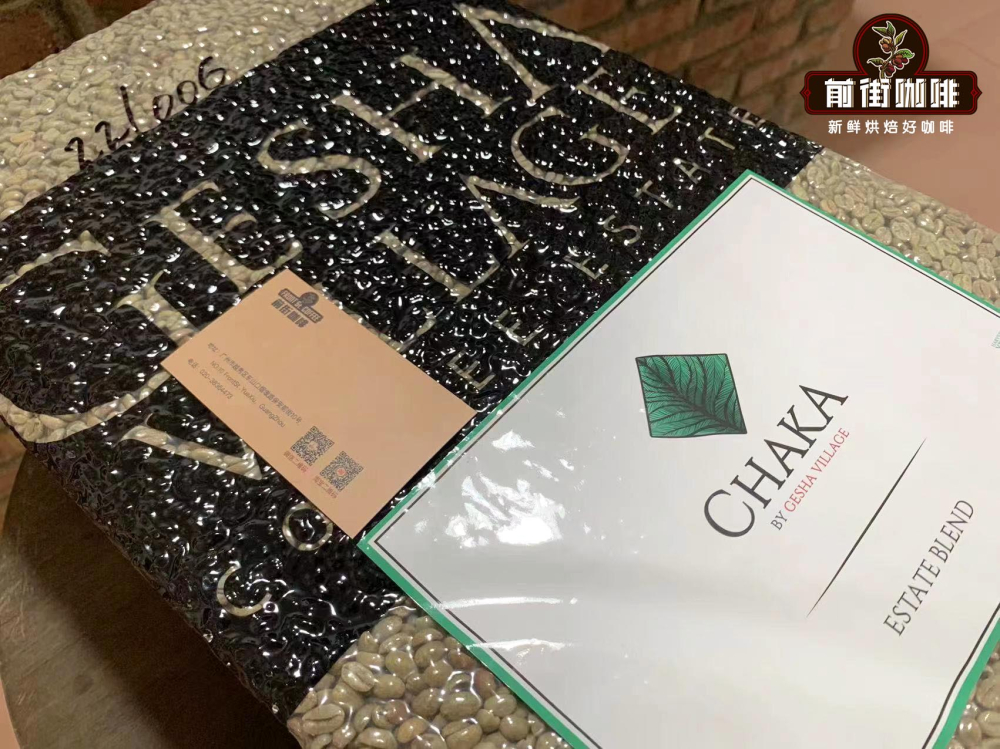
Chaka Batches
These are Gesha coffee blends produced by Gesha Village, including three varieties: Gori Gesha, Gesha 1931, and Illubabor (Ethiopia's native disease-resistant variety).
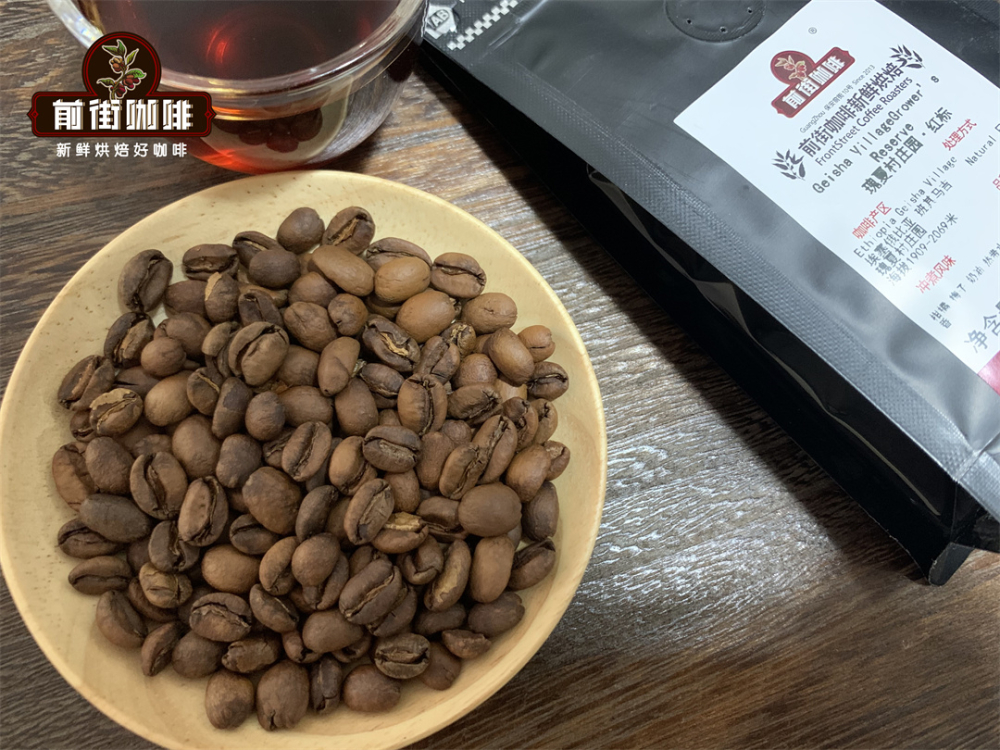
FrontStreet Coffee offers Gesha Village Red Label batches, which have complete traceability and typical Gesha Village flavors. Their flavor intensity and complexity are slightly less pronounced than Gold Label batches, making them single-origin batches with excellent value for money.
Panamanian Gesha: Hacienda La Esmeralda
Besides the various labels from Gesha Village, Gesha from Panama's Hacienda La Esmeralda also comes in Red, Green, and Blue labels. If Ethiopia is the birthplace of Gesha, then Panama is where it rose to fame. Panama, like an archway connecting North and South America while bridging the Pacific and Atlantic oceans, had always been on the periphery of specialty coffee. In 2004, Panamanian Gesha first revealed its exceptional qualities, achieving victory after victory and proving to the world that Panama is not just an international strategic location but also the new champion of specialty coffee.
Hacienda La Esmeralda's current Gesha product line is divided into Red, Green, and Blue labels. Starting with the 2021 harvest season, however, Hacienda La Esmeralda officially announced that it would no longer release the Blue Label series.
Hacienda La Esmeralda's Grading System
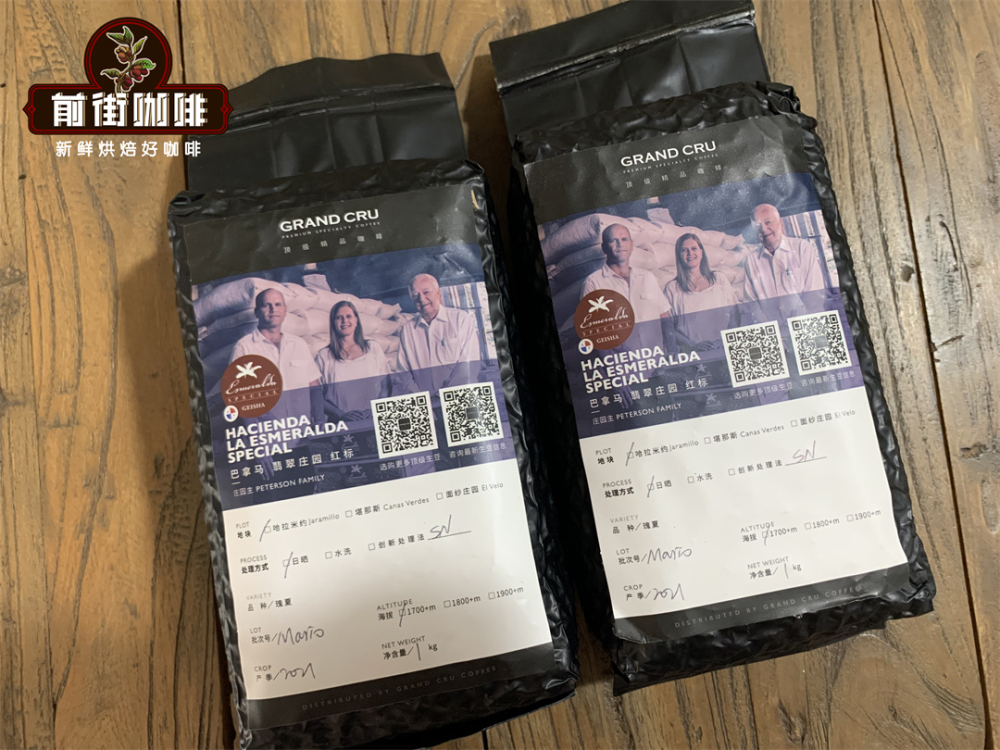
The Esmeralda Special series represents the highest-quality Gesha coffee beans sold by Hacienda La Esmeralda. These are grown in specific plots at elevations between 1600-1800 meters, and each batch is required to score above 90 points in cupping. This series typically comes from the two sub-estates of Jaramillo and Cañas Verdes (the Boquete estate has also produced a Red Label series, but that plot is primarily used to explore commercial viability, with many coffee varieties planted there).
The Red Label's official name is "Esmeralda Special." Another characteristic of Red Label batches is that each batch has an independent number, and all the coffee beans in a batch come from a single small plot. FrontStreet Coffee's Red Label, for example, comes from the Jaramillo plot. This lets buyers choose suitable batches based on their subtle flavor preferences.
The Green Label's official name is "Private Collection." Unlike the Red Label, which emphasizes specific plots, this series emphasizes the signature flavors of Hacienda La Esmeralda's high-altitude Gesha coffee, and is a blend of batches from various specific plots. (In practice, the Green Label can be roughly understood as a Red Label without plot separation.)
In terms of green bean appearance, Ethiopian Red Label Gesha and Panamanian Red Label Gesha also differ significantly. Panamanian Red Label Gesha's green bean characteristics are easy to recognize: "pointed at both ends, elongated shape, plump and full-bodied beans, large particles." Ethiopian Red Label Gesha, by contrast, is "slightly smaller in size, not as long in shape."
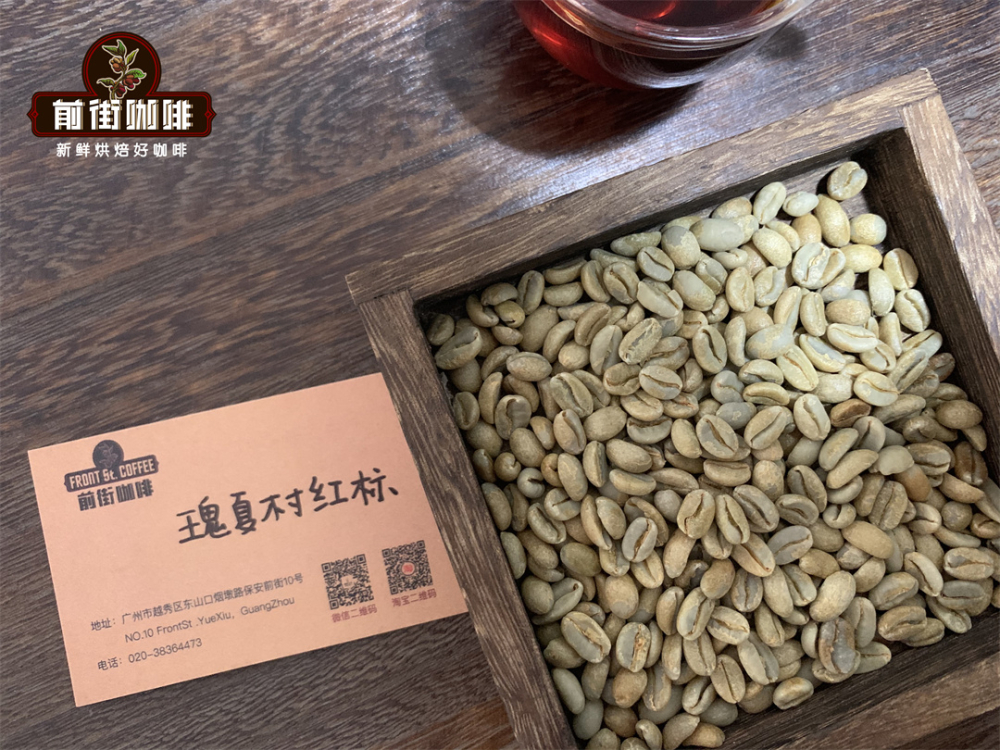
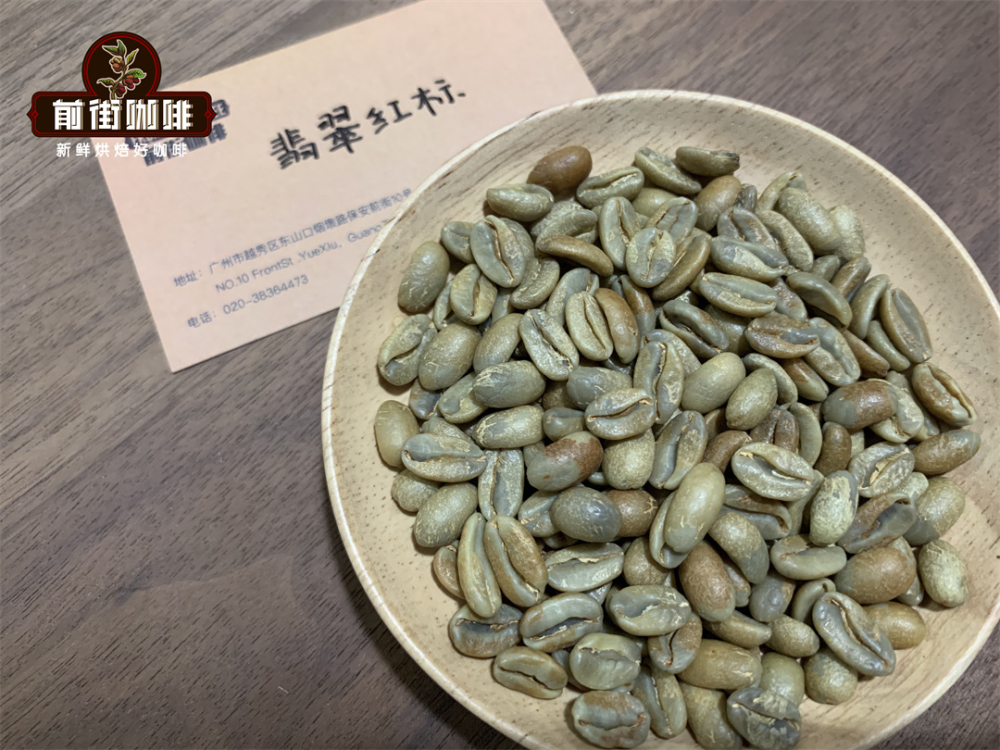
Comparing Ethiopian and Panamanian Gesha
FrontStreet Coffee has compared Ethiopian Gesha with Panamanian Gesha. Although both have excellent acidity and fragrant floral aromas, their specific flavor descriptions differ distinctly. Panamanian Gesha has obvious jasmine floral notes, citrus (berry) flavors, rich honey notes, and an overall gentle, comfortable profile. Ethiopian Gesha also has floral notes, but its main theme is a very rich fruit-juice sensation (orange juice), filled with Ethiopia's explosive fruit flavors.
Optimal Brewing Method for Gesha Coffee
Given the distinct flavor characteristics of Gesha coffee, how can we fully reveal its original qualities? FrontStreet Coffee has developed an optimal brewing method specifically for this purpose.
This brewing demonstration uses Esmeralda Red Label coffee beans. FrontStreet Coffee still chooses 15g of coffee grounds, paired with a Hario V60 small-sized dripper. For grind size, a slightly coarser grind than FrontStreet Coffee's usual offerings is used, with a 78% pass rate through a #20 sieve. This is mainly because Gesha beans are quite hard and tend to sink and clog the drainage holes.
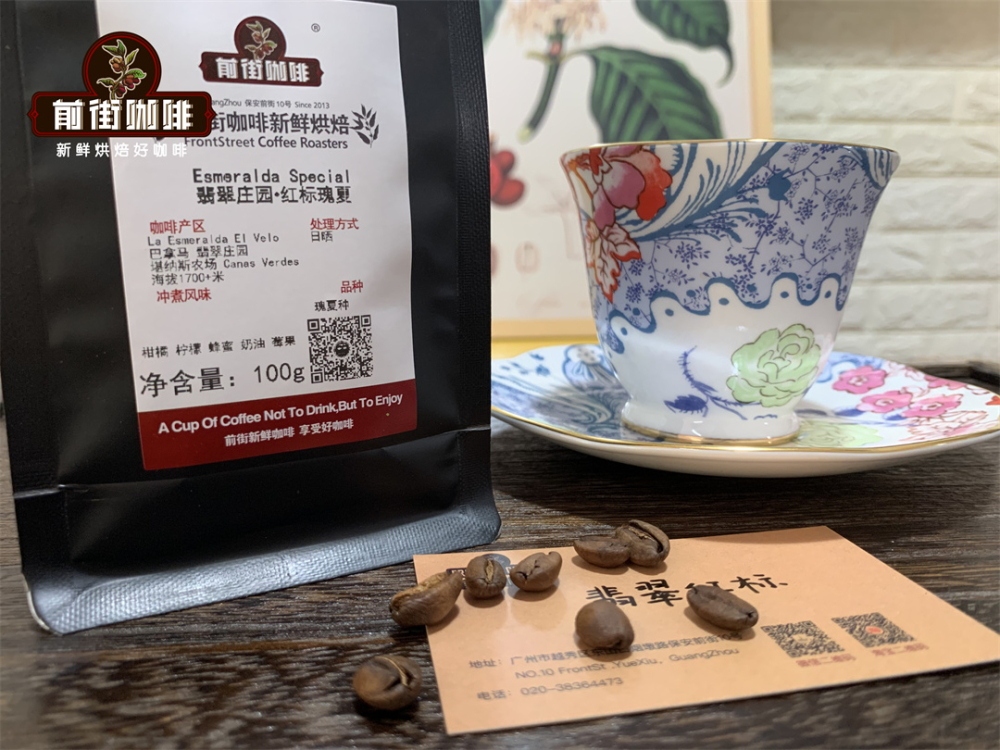
Correspondingly, the coffee-to-water ratio is adjusted to 1:16. On one hand, this uses additional water to maintain the extraction rate; on the other, it adjusts the coffee concentration to between 1.15%-1.25%, the optimal concentration for experiencing the coffee's best flavors. The water temperature remains at 91 degrees Celsius.
During brewing, first pour 25ml of hot water for a 30-second bloom. Because Gesha beans are hard and their water absorption is not as strong, pouring 25ml of hot water is basically enough to wet the entire surface of the coffee grounds. If more water is used for the bloom, the excess simply drips into the lower pot. During the bloom, use a gentler approach with a small water flow spiraling from the center outward for the best effect.
After the bloom, move to the second pouring stage. This stage requires pouring 120ml of water, spiraling from the center outward in a "mosquito coil" pattern to raise the coffee bed. The pour should be completed in about 1 minute. Then wait for the water level to drop. Under normal circumstances, the water level drops at a uniform, slow speed, reaching about the 1/2 mark in approximately 1 minute 10 seconds to 1 minute 15 seconds, forming a "bowl shape."
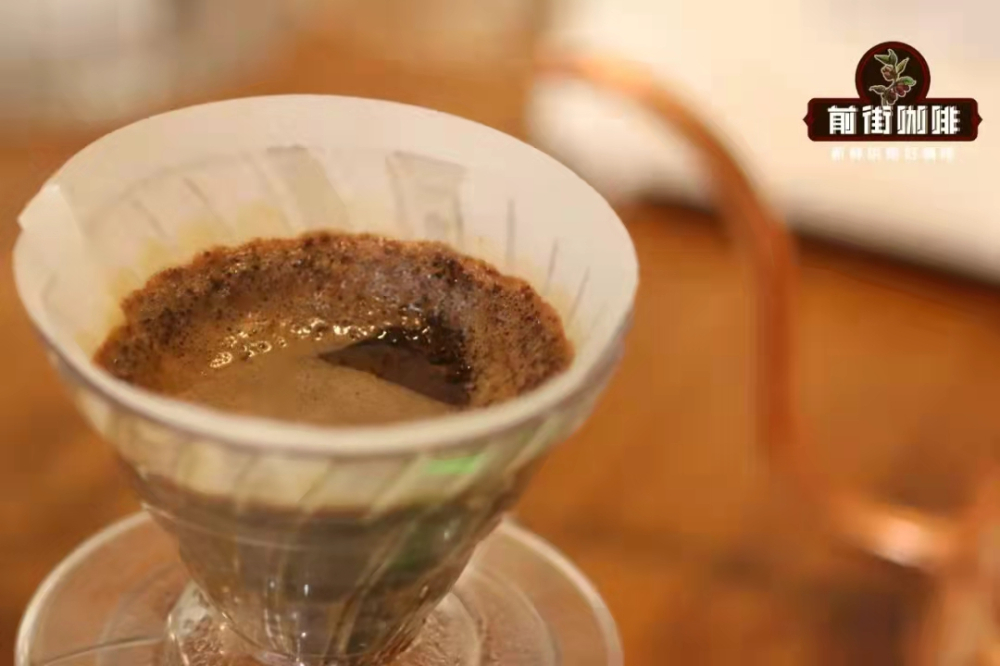
At this point, begin the final pouring stage. This stage involves pouring 90ml of water, circling around half the size of the water surface, and completing the pour in approximately 1 minute 35 seconds. The remaining step is to wait until all the coffee liquid has dripped into the lower pot, then remove the dripper to finish. The total time is approximately 2 minutes to 2 minutes 5 seconds.
This brewing method produces Gesha coffee that expresses rich floral and fruit notes, along with the sweetness of fruit and honey, with an overall smooth, non-bitter profile. Friends who are interested should give it a try!
FrontStreet Coffee Recommendation
If the prestige and balance of Blue Mountain coffee are what draw you in, FrontStreet Coffee's Jamaica Blue Mountain No.1 is a worthy companion to the Gesha explored above. Sourced from the historic Clifton Estate and roasted to a medium-dark level, it delivers cream, caramel, chocolate, nut, and honey notes with a clean, long finish. For anyone who prefers the gentler, non-bitter side of a top-tier cup, it is one of the most universally appealing specialty coffees you can pour.
Important Notice :
FrontStreet Coffee is a long-established specialty coffee roaster in Guangzhou China, selling freshly roasted beans from its own farm in Yunnan as well as dozens of carefully selected single-origin beans from around the world for both pour-over and espresso. The products deliver consistently excellent quality and great value, with shipping within 24 hours. Guangzhou's FrontStreet Coffee shop is recommended by many coffee lovers, and the beans are now available online at the Tmall 。
FrontStreet Coffee has moved to a new address:
FrontStreet Coffee Address: 315,Donghua East Road,GuangZhou
Tel:020 38364473
 Scan and follow the En Gafei WeChat official account. Please indicate that the reprint comes from "En Gafei".