How to Calculate Water-to-Coffee Ratio for Brazilian Ubu Processing Plant Pour-Over Coffee_Why Brazilian Pour-Over Coffee Tastes Bitter
Brazilian Coffee: Beyond Quantity
Brazilian coffee has not always enjoyed a good reputation, often criticized for putting quantity ahead of quality. In reality, Brazilian coffee has many lesser-known qualities. Bruna Costa, founder of It Cafe, is both a coffee enthusiast and a coffee producer. Having grown up on a coffee farm in Sao Paulo, Brazil, she has visited numerous coffee-producing regions and built extensive knowledge, particularly of Brazilian specialty coffee. As an advocate for Brazilian coffee, she wants to share her insights, hoping to offer a fresh perspective on Brazilian specialty coffee.
1. Brazil is the World's Largest Coffee Producer
Brazil's annual coffee production accounts for roughly one third of the global total, making it the world's largest coffee producer and exporter to date. In 2015, Brazil produced 36.89 million bags of coffee (60 kg per bag) - imagine how many cups of coffee that could make.
The country's production and market trends have a direct impact on international coffee prices, which means a drought in Brazil drives up coffee prices worldwide. Such high volume has led many enthusiasts to believe that Brazilian coffee values quantity while neglecting quality, making it harder for Brazilian producers to market their beans.
2. An Underestimated Flavor Profile
Many businesses buy commercial beans from Brazil for espresso blends, which is not inherently wrong. It is important to know, however, that Brazil also continuously produces many specialty coffee beans. Brazilian single-origin offerings are not only abundant but also high in quality with distinctive flavor profiles. Typically, Brazilian coffee shows rich caramel and chocolate flavors, pronounced sweetness, and lower acidity. This low-acidity character sometimes leads people to underestimate its quality, but when sipped carefully you will be pleasantly surprised by how wonderfully complex it truly is.
3. Diverse Brazilian Coffee Varieties
Brazil has seven states producing coffee, with a total of 14 coffee-producing regions, making it remarkably diverse. If you pay attention to coffee packaging information, you may find beans from:
- Sao Paulo (Mogiana, Centro-Oeste)
- Parana (Norte Pionerio do Parana)
- Bahia (Planaltoda Bahia, Cerrado da Bahia, Atlantico Baiano)
- Espirito Santo (Montanhas do Espirito Santo, Conilon Capixaba)
- Minas Gerais (Sul de Minas, Cerrado Mineiro, Chapada de Minas, Matas de Minas)
- Rondonia or Rio de Janeiro
These coffee-producing regions cultivate many excellent varieties, such as Bourbon, Mundo Novo, Icatu, Catuaí, Iapar, and Catucaí. With so many varieties available, you are sure to find one you love.
FrontStreet Coffee's Brewing Recommendations
How to Brew Brazilian "Ubu Processing Station Semi-Washed" Coffee
FrontStreet Coffee's pour-over reference: weigh 15 g of "Ubu Processing Station Semi-Washed" coffee grounds and grind to a medium coarseness (particles slightly coarser than table salt), using a BG grinder setting of 6A (50% standard-sieve pass rate), water temperature 88 degrees Celsius, brewed with a Kono or Kalita dripper, and a recommended coffee-to-water ratio of approximately 1:14.
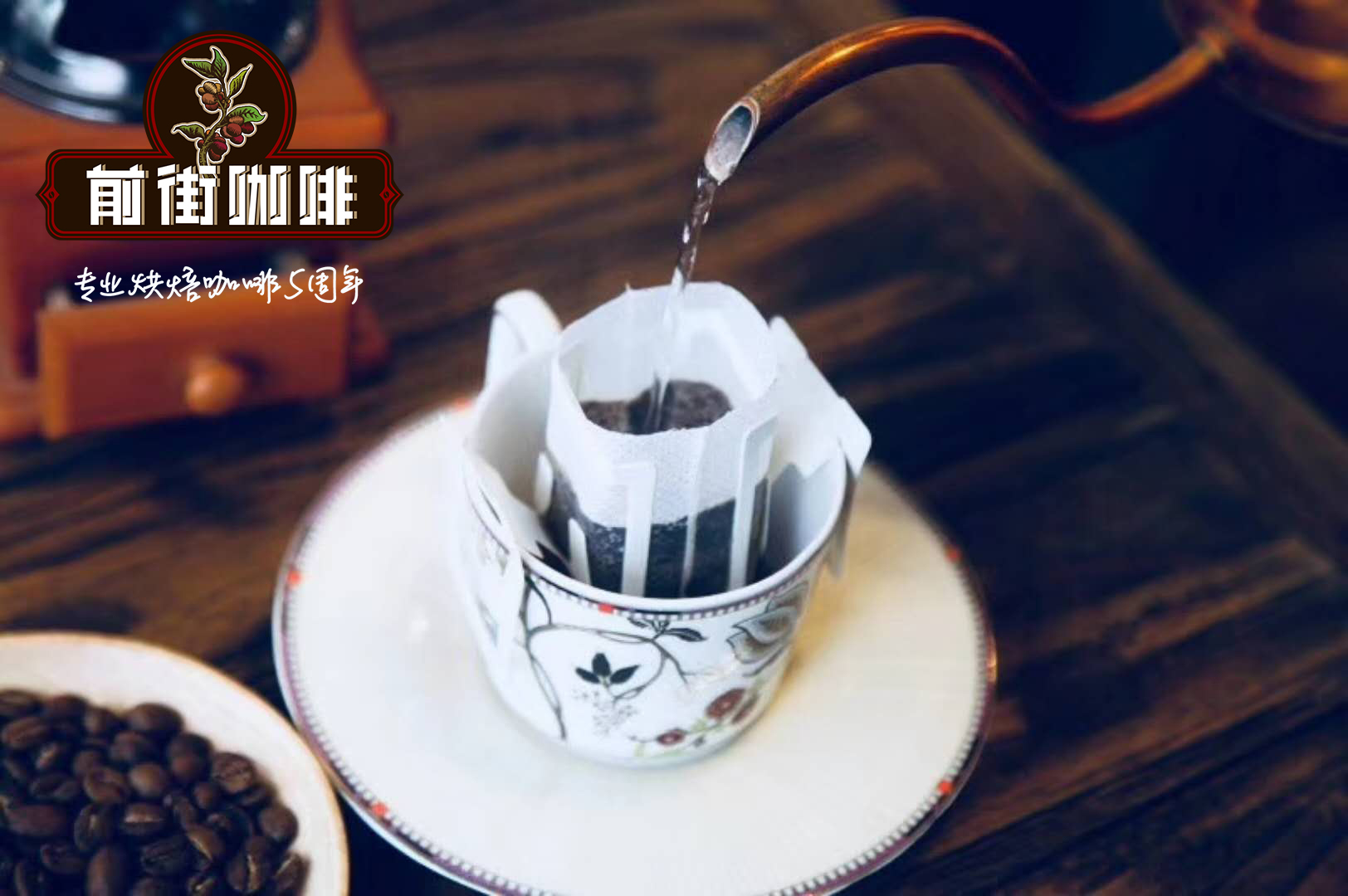
Pour hot water from the gooseneck kettle in clockwise circles around the center of the dripper. Start timing when brewing begins, reach 30 g in 15 seconds, then stop pouring. When 1 minute has elapsed, begin the second pour. For the second pour, continue in clockwise circles around the center, keeping the water stream off the area where the coffee grounds meet the filter paper to avoid channeling.
Leave a small ring of space around the outer edge of the coffee bed when pouring, then continue circling toward the center. At 2 minutes and 10 seconds the total extraction should reach 210 g, completing the brew.
Japanese-Style Iced Pour-Over "Ubu Processing Station Semi-Washed"
FrontStreet Coffee's iced pour-over reference for "Ubu Processing Station Semi-Washed":
Brazilian "Ubu Processing Station Semi-Washed," medium-dark roast, BG grinder setting 5R (60% standard-sieve pass rate).
20 g coffee grounds, 150 g ice, 150 g hot water. The water temperature should be 1 degree Celsius higher than the normal 88 degrees Celsius recommended for regular pour-over. Normal grinding uses a Fuji setting of 3.5, while iced pour-over uses a slightly finer Fuji setting of 3. Recommended grounds-to-(water plus ice) ratio of 1:15.
Bloom with 40 g of water for 30 seconds.
Segmented pouring: a first segment of 60 g of water and a second segment of 40 g. Use a fine but high water column, pouring with forceful stirring impact so the coffee grounds tumble fully. Be careful, however, not to let the liquid level rise too high or hit the edge filter paper.
The entire extraction time should be approximately 2.5 minutes, similar to the normal extraction time for 20 g of grounds.
FrontStreet Coffee Recommendation
If you want to see Brazil's softer, sweeter side for yourself, FrontStreet Coffee's Cerrado Pulped Natural is an excellent starting point. It is a classic Brazilian single-origin made from the red Bourbon variety common in South America, roasted to a medium level so it brings out rich aromas of cream, peanut, toast, caramel, and hazelnut. The cup is round, low in acidity, and carries a light bitterness, and it works in a pour-over, a moka pot, an espresso SOE, a siphon, or a French press. For something a little rarer, FrontStreet Coffee's Queen's Farm Yellow Bourbon comes from Mogiana and offers the clean sugarcane-like sweetness, fruit, and chocolate notes that this mutation variety is known for. Either bean is a fine match for the semi-washed Ubu recipe above, so you can dial in your ratio with confidence.
Important Notice :
FrontStreet Coffee is a long-established specialty coffee roaster in Guangzhou China, selling freshly roasted beans from its own farm in Yunnan as well as dozens of carefully selected single-origin beans from around the world for both pour-over and espresso. The products deliver consistently excellent quality and great value, with shipping within 24 hours. Guangzhou's FrontStreet Coffee shop is recommended by many coffee lovers, and the beans are now available online at the Tmall 。
FrontStreet Coffee has moved to a new address:
FrontStreet Coffee Address: 315,Donghua East Road,GuangZhou
Tel:020 38364473
 Scan and follow the En Gafei WeChat official account. Please indicate that the reprint comes from "En Gafei".